For women facing gynecological conditions that require surgery, the experience can be filled with anxiety—worries about pain, long recovery times, and visible scars are common. But gynecological laparoscopy has transformed this landscape, offering a minimally invasive approach that addresses these concerns head-on. Unlike traditional open surgery, which involves large incisions and significant tissue disruption, gynecological laparoscopy uses small ports and specialized tools to perform procedures with precision. From fibroids and endometriosis to ovarian cysts and infertility-related issues, this technique has become a go-to option for many gynecological surgeries. Let’s explore how gynecological laparoscopy enhances the surgical experience for women in practical, meaningful ways.
Minimizes Incisions and Scarring
One of the most noticeable benefits of gynecological laparoscopy is its minimal impact on the body’s surface. Instead of a single long incision (often 5-10 cm) used in open surgery, gynecological laparoscopy relies on 2-4 tiny cuts (each 0.5-1 cm) in the abdomen. These small incisions mean far less scarring—most fade to faint lines over time, barely noticeable. For many women, avoiding large, visible scars is a huge relief, boosting their confidence as they recover. The small incisions also reduce the risk of scar tissue buildup (adhesions) that can cause discomfort or complications later. This focus on minimal scarring isn’t just cosmetic; it’s a sign of gentler surgical technique that respects the body’s integrity.
Reduces Postoperative Pain and Discomfort
Pain management after surgery is a top concern for women, and gynecological laparoscopy delivers significant improvements here. Because the incisions are small and the underlying tissue is disturbed far less than in open surgery, postoperative pain is drastically reduced. Women who undergo gynecological laparoscopy typically report mild to moderate discomfort, which can be managed with over-the-counter pain relievers or mild prescription meds—unlike open surgery, which often requires strong painkillers for days. There’s also less stretching and damage to muscles and connective tissue, meaning less soreness when moving, coughing, or laughing during recovery. This reduced pain makes the immediate post-surgery period far more bearable, letting women focus on healing rather than coping with intense discomfort.
Shortens Hospital Stay and Recovery Time
Gynecological laparoscopy’s minimally invasive nature translates to much faster recovery—both in the hospital and at home. Most women who have gynecological laparoscopy are able to leave the hospital within 24-48 hours, compared to 3-5 days (or longer) for open surgery. The at-home recovery period is also significantly shorter: while open surgery may require 4-6 weeks of rest and limited activity, gynecological laparoscopy patients often return to light daily tasks within a week and full activities (including work and exercise, with doctor approval) in 2-4 weeks. This means less time away from family, work, and daily routines, reducing the emotional and practical stress of surgery. Faster recovery also lowers the risk of hospital-acquired infections, a common concern with longer hospital stays.
Lowers Risk of Complications
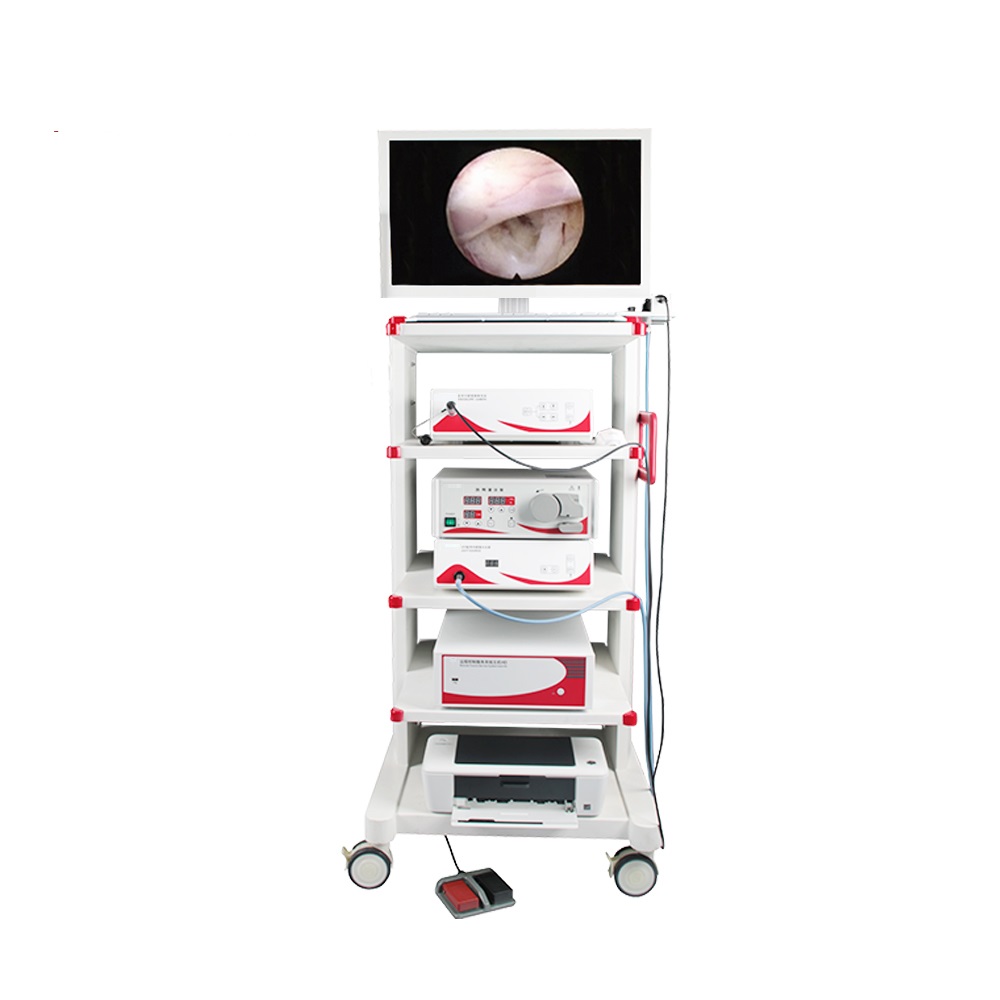
Safety is paramount in any surgical procedure, and gynecological laparoscopy offers a lower risk profile than traditional open surgery. The small incisions reduce the chance of infection, bleeding, and blood clots—major complications associated with larger cuts. Gynecological laparoscopy uses a camera to provide a magnified, high-definition view of the pelvic area, allowing surgeons to work with greater precision. This precision means less accidental damage to surrounding organs (like the bladder or intestines) and reduced blood loss during surgery. The technique also minimizes tissue trauma, which lowers the risk of postoperative adhesions that can lead to chronic pain or fertility issues. For women, knowing the procedure is safer with fewer complications brings invaluable peace of mind.
Preserves Fertility and Reproductive Health
For women of childbearing age, preserving fertility is often a key priority—and gynecological laparoscopy excels in this area. Its precise, minimally invasive approach allows surgeons to treat conditions like endometriosis, ovarian cysts, or fibroids without damaging healthy reproductive tissue. For example, when removing fibroids, gynecological laparoscopy lets surgeons target only the abnormal growth, leaving the uterus intact. For endometriosis, the camera’s clear view helps remove lesions thoroughly while sparing healthy organs. This gentle approach is especially important for women struggling with infertility, as it reduces the risk of scarring or tissue damage that could hinder future pregnancy. Many women find that gynecological laparoscopy not only treats their immediate condition but also keeps their reproductive options open.
In conclusion, gynecological laparoscopy improves women’s surgical experience by minimizing scarring, reducing pain, shortening recovery, lowering complications, and preserving fertility. It’s a patient-centered approach that addresses both physical and emotional needs, turning a stressful surgical journey into a more manageable, less disruptive one. As medical technology advances, gynecological laparoscopy continues to become more accessible and versatile, helping more women receive effective treatment without the downsides of traditional surgery. For any woman facing gynecological surgery, discussing gynecological laparoscopy with her doctor is a wise step—one that can lead to a safer, more comfortable experience and a faster return to full health.
 Hot News
 EN
EN