EN
EN


- Overview
- Recommended Products
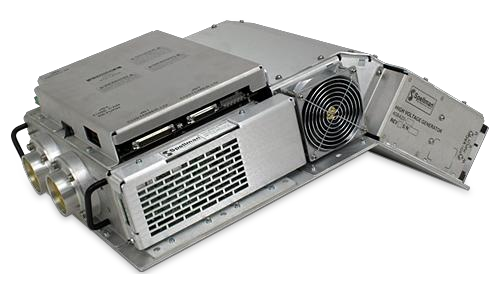
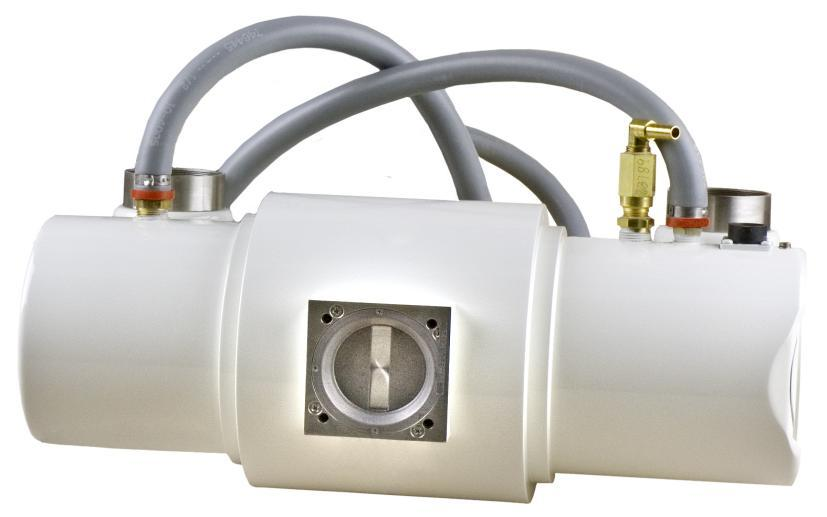
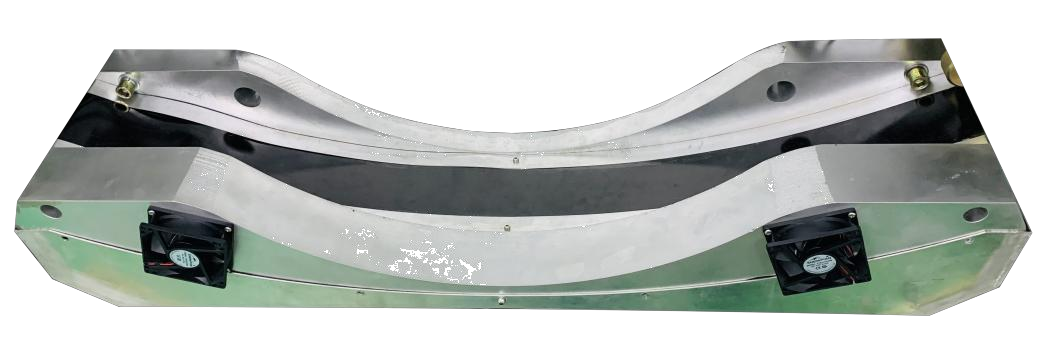
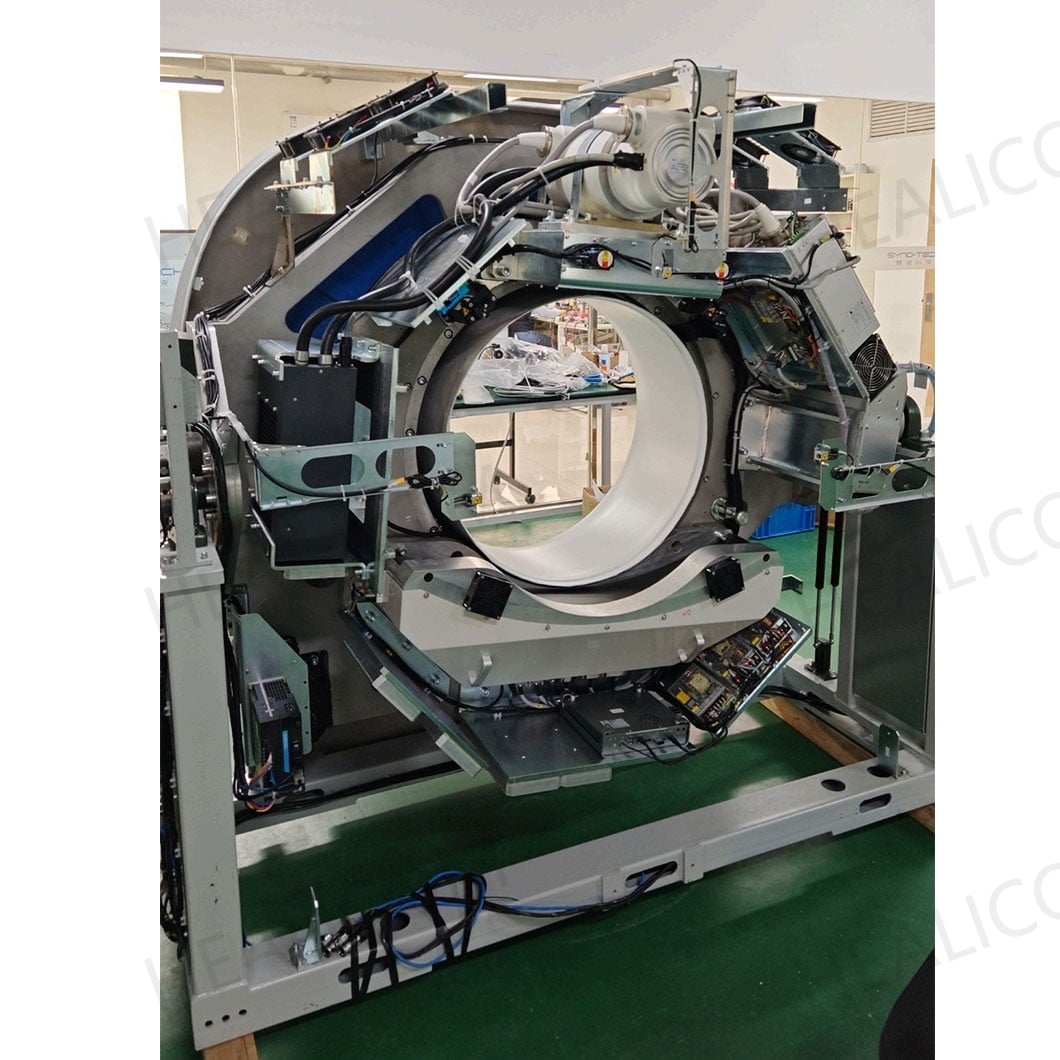
Features high-power output with precise adjustability, flexibly meeting diverse scanning requirements.Excellent heat dissipation ensures long-term continuous operation and a long lifespan, guaranteeing efficient equipment operation.High-sensitivity and high-resolution, it efficiently captures X-ray signals and accurately converts them into electrical signals.
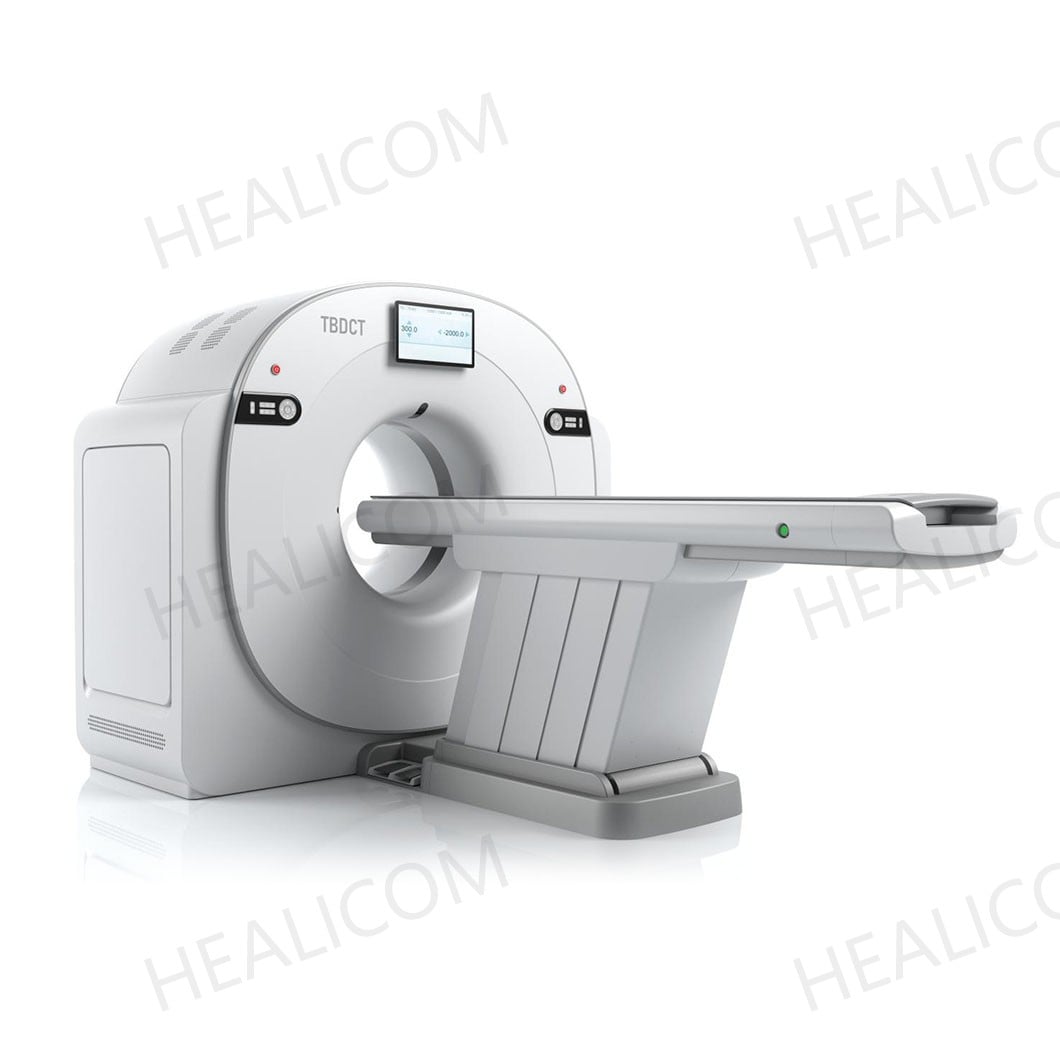
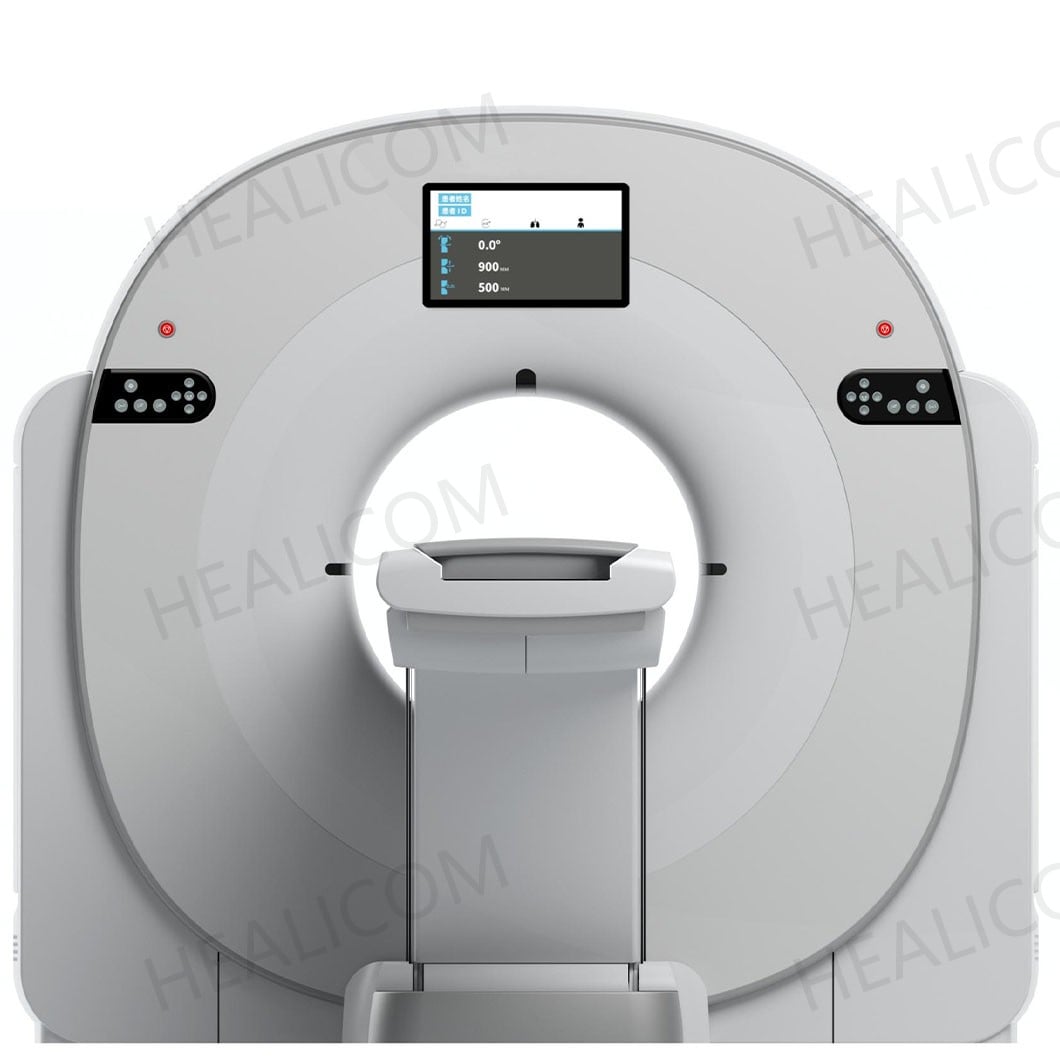
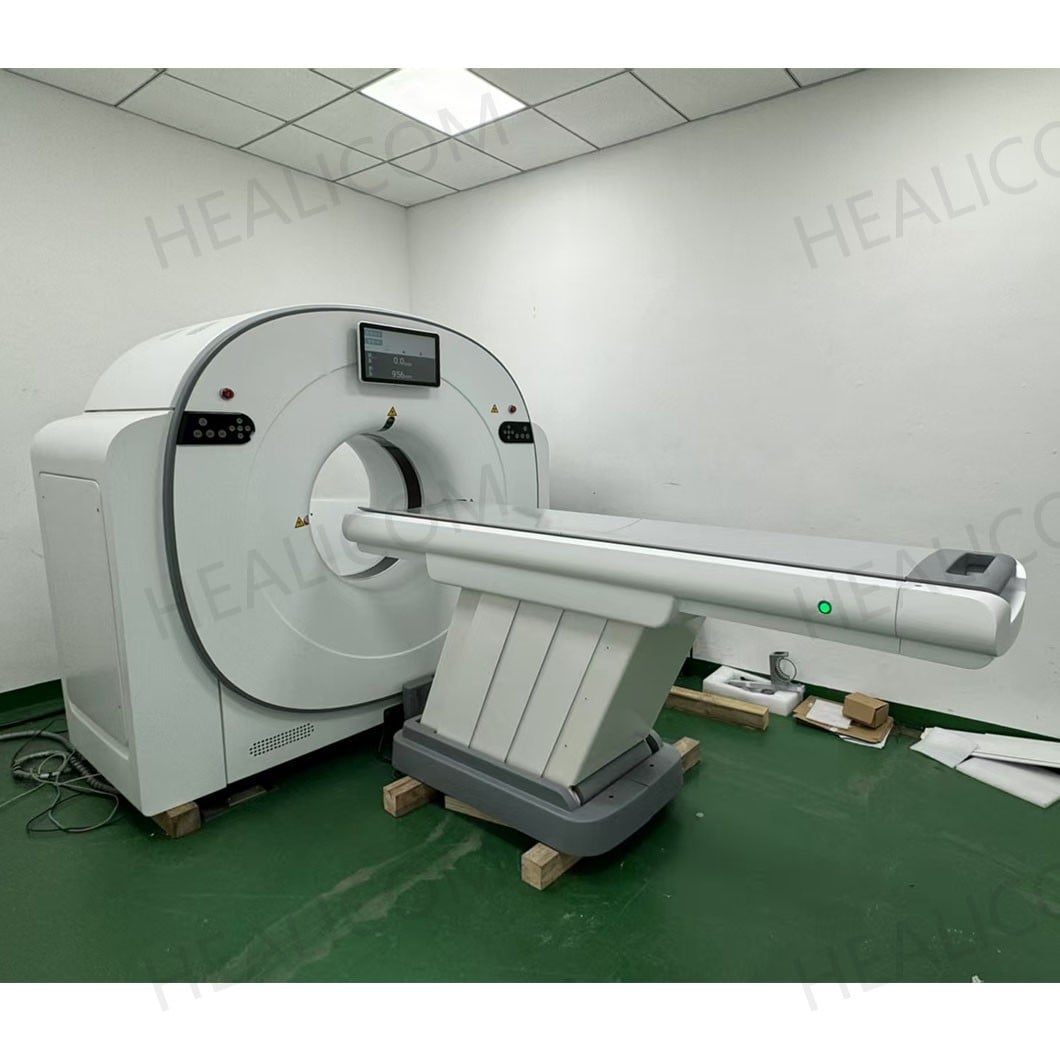
The healthcare market is changing and transforming, cost effective CT scanner is increasingly becoming the expectation for basic clinical applications. Healthcare providers therefore have to manage an increasing number of patients at lower costs. Now comes HICT-48E! We has brought you the best outcomes to fit your business and success with the excellent performance.
HICT-48E is affordable and, of course, versatile to easily handle with all basic clinical applications in routine scanning. Thoughtfully, DREAMER CT48 is designed to deliver your benefits of diagnostic confidence, low dose for patient care, financial performance and excellent clinical application.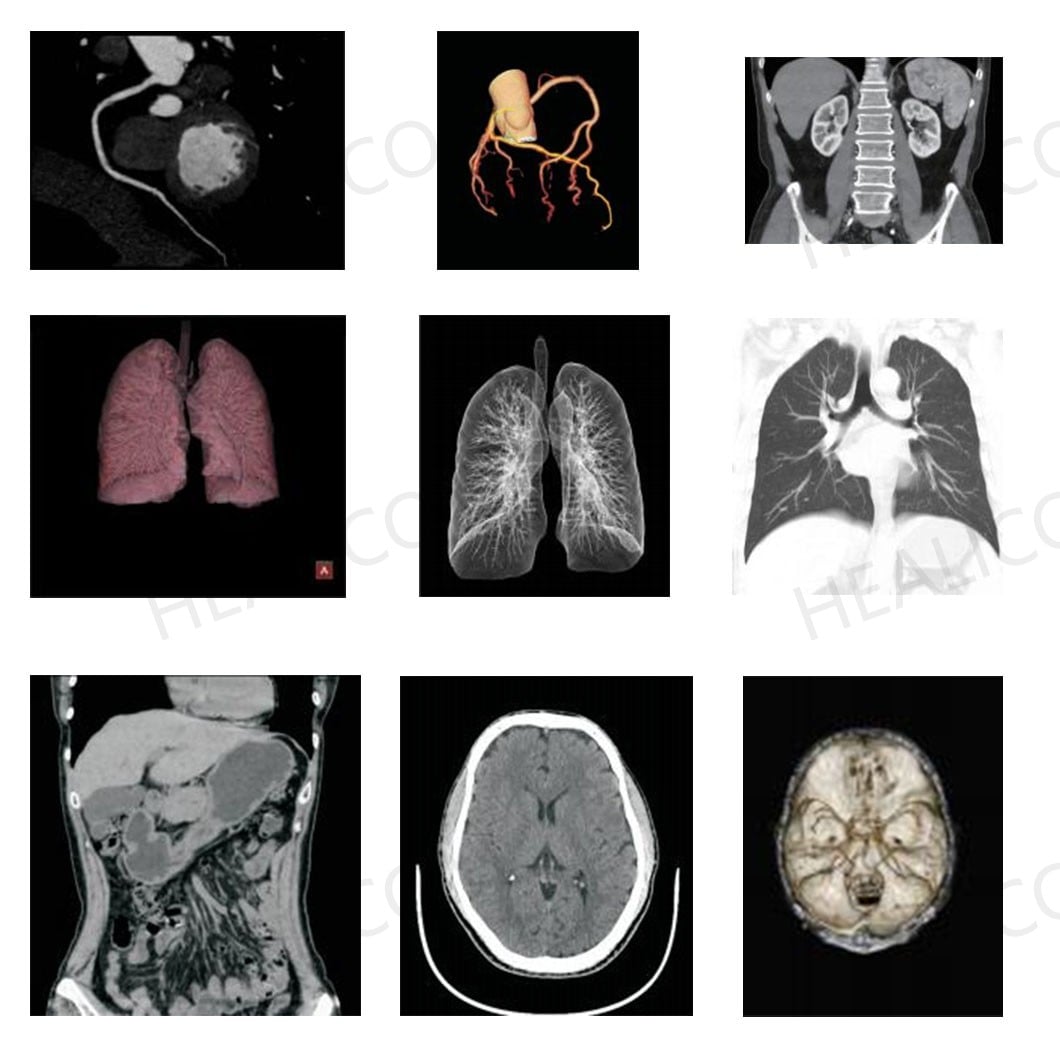
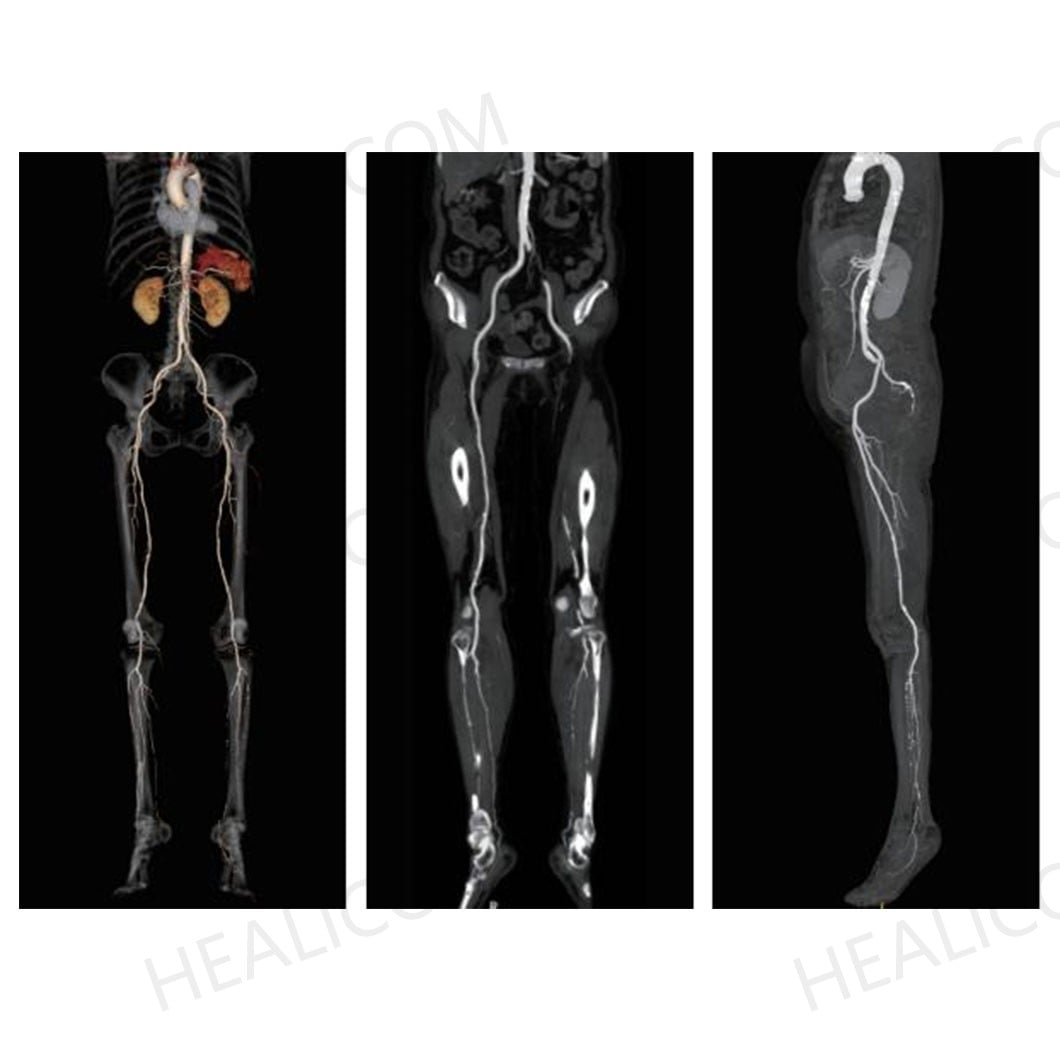
WORLD LEADINGTECHNOLOGIES
The newly designed H I CT-48 E Fit adopts the world leading technologies inherited from precision technology platform.
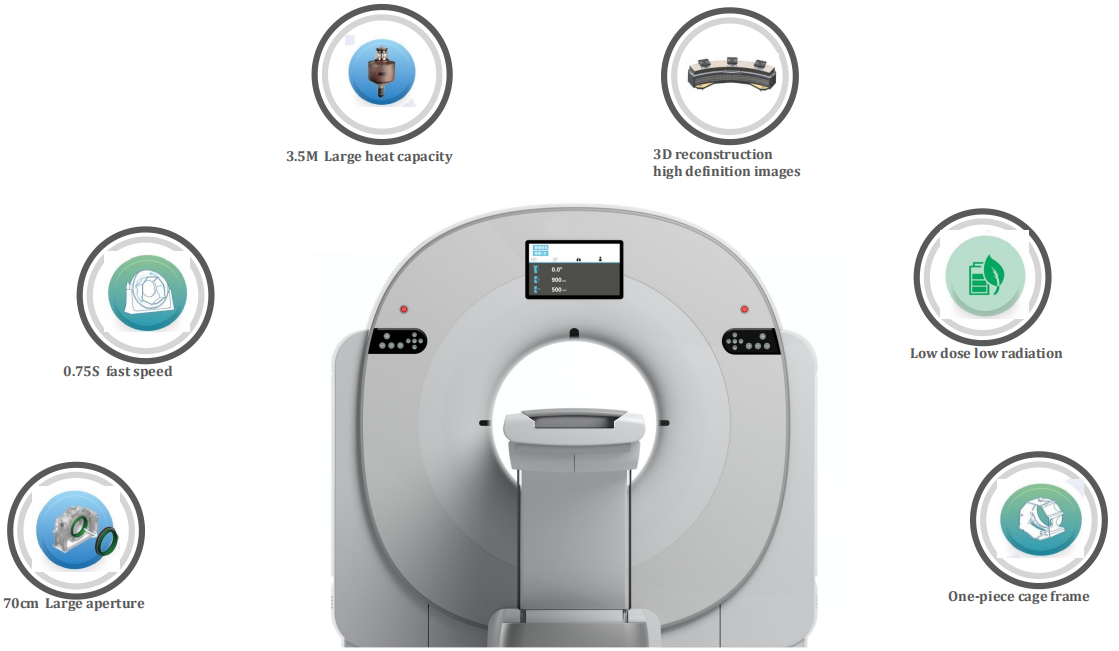
Low-dose CT technique is an important imaging method, which has significant advantages in reducing radiation dose and can provide valuable information for clinical diagnosis in many cases.
This product reduces the amount of X-ray emission by adjusting CT scanning parameters, reducing the control technology of tube current, etc., thus reducing the radiation dose received by the subject. At the same time, advanced image reconstruction algorithm and post-processing technology are used to process the data obtained from low-dose scanning to improve image quality and make up for the increase of image noise caused by dose reduction.
This significantly reduces the amount of radiation received by the subject due to CT examination, which is of great significance for the population who undergo frequent CT examination, such as the review of cancer patients, and the population who are more sensitive to radiation, such as children, pregnant women (when necessary in special circumstances), and can reduce radiation-related risks, such as the risk of cancer.