EN

What Are the Main Applications of Laboratory Autoclaves?
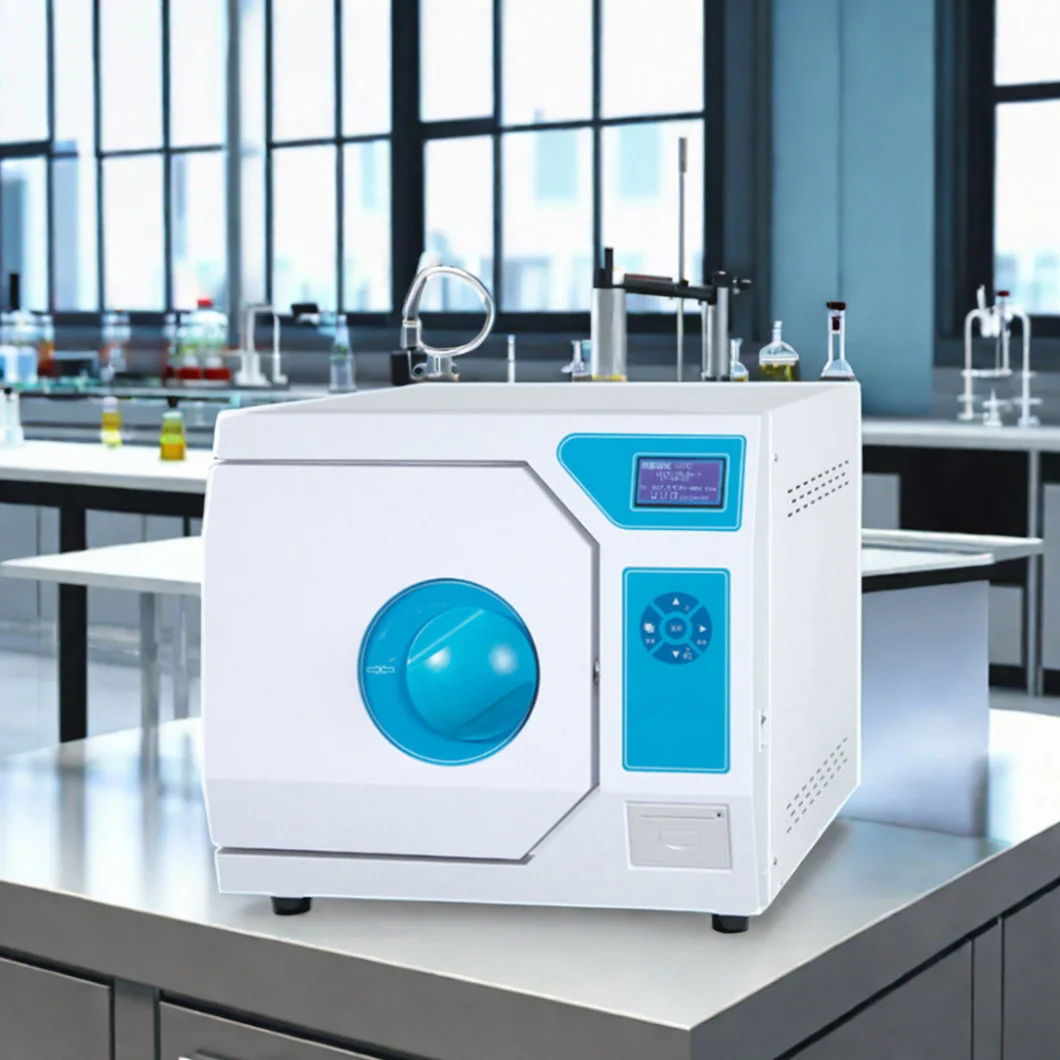
A laboratory autoclave is a pressurized steam chamber used to treat materials that must be sterilized or decontaminated before they are reused, stored, or discarded. Its value is not simply that it gets hot. Reliable steam sterilization equipment must allow direct steam contact at the required temperature and pressure for the validated exposure time. That is why the same autoclave machine can serve very different workflows, while each load still needs its own preparation, cycle selection, and verification.
From a laboratory workflow perspective, start by defining what enters the chamber and what must happen afterward. A medical autoclave used for instruments has a different load challenge from one used for culture media or waste. The applications below show where laboratory autoclaves fit and what teams should confirm before relying on a cycle.
1. Sterilizing culture media, water, and laboratory solutions
One of the most common applications is preparing media, water, and suitable aqueous solutions for microbiology, research, teaching, and quality-control work. A laboratory autoclave can process vessels or media containers when the chosen cycle, fill volume, closures, and loading arrangement allow steam to reach the contents effectively.
This application is easy to oversimplify. The goal is not merely to run a standard program; it is to protect both sterility and the condition of the prepared material. Overfilled containers, tightly closed vessels, or poorly spaced loads can interfere with steam circulation or create handling hazards after the cycle. For heat-sensitive components, laboratories commonly sterilize the compatible base material first and follow their approved procedure for adding other components afterward.
When evaluating an autoclave machine for this work, document the container types, batch sizes, cooling expectations, and the laboratory’s approved cycle parameters. That turns a general piece of steam sterilization equipment into a repeatable preparation step rather than an assumed safeguard.
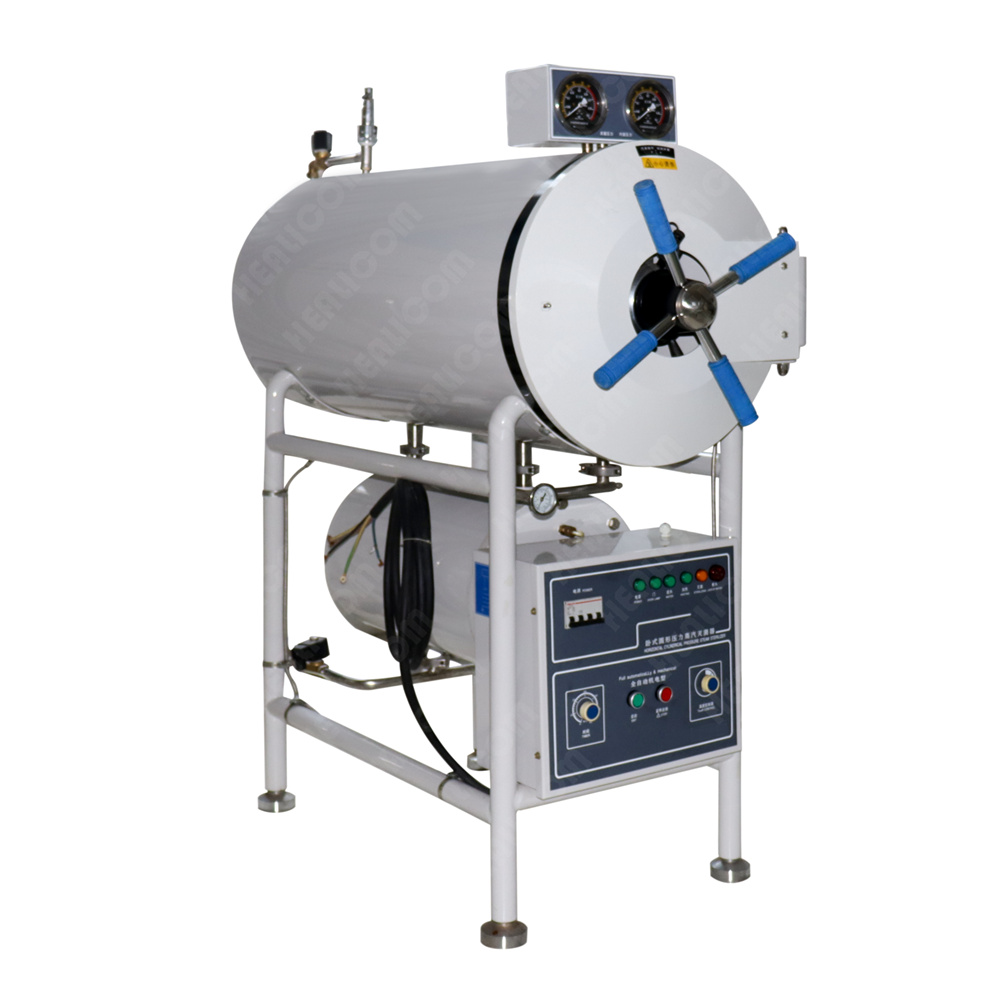 Spacing and compatible containers help support a validated steam-contact process.
2. Decontaminating laboratory waste before disposal
Laboratory autoclaves are also widely used to decontaminate appropriate biohazardous waste, such as used culture materials, contaminated disposables, and certain non-sharp items. This helps reduce handling risk before waste moves through the site’s disposal pathway. For work involving infectious material, the relevant biosafety plan, local regulations, waste rules, and validated procedures must determine whether autoclaving is appropriate and how effectiveness is documented.
Waste loads deserve special attention because their density, bag configuration, liquid content, and air removal needs can affect steam penetration. A cycle that is suitable for a light instrument load should not be assumed suitable for a bagged waste load. Staff should use compatible containers, avoid sealing loads in a way that prevents steam access, and follow site rules for loading, cooling, labeling, and transport.
For laboratories working with higher-risk cultures, on-site decontamination may be preferred before waste leaves the laboratory. However, a medical autoclave does not replace the site’s biological safety assessment. It is one verified control within a broader waste-management process.
3. Processing reusable glassware and laboratory instruments
Beakers, flasks, metal instruments, selected reusable tools, and other nonporous items may be processed in an autoclave when their material compatibility and the approved cycle support it. This application is common in research laboratories, educational settings, and preparation areas that need reusable items ready for the next task.
The practical question is whether steam can contact all relevant surfaces. Nested glassware, crowded trays, wrapped packs, and hinged instruments can create hard-to-reach areas. Teams should select accessories and loading methods that preserve spacing, allow drainage where necessary, and fit the manufacturer’s instructions for both the load and the sterilizer.
For a hospital sterilization workflow, instrument reprocessing also requires a defined process beyond the chamber itself: cleaning before sterilization, correct packaging where applicable, cycle records, and release criteria. The autoclave is essential, but it cannot compensate for soil left on an item or for an invalid loading pattern.
4. Supporting clinical, dental, and teaching laboratories
Clinical and teaching laboratories often need steam sterilization equipment for reusable supplies, demonstration materials, or routine microbiology preparation. These settings benefit from a clear separation between laboratory needs and patient-care instrument reprocessing requirements. For example, a teaching lab may focus on media preparation and glassware, while a clinical department may require documented traceability and validated packs for its local procedure.
In each setting, users should confirm chamber capacity, utilities, installation space, workload timing, staff training, and the documentation needed by the organization. More accurately, the priority is not a long feature list; it is whether the equipment supports the target workflow without creating a bottleneck or an unverified handoff.
5. Treating pharmaceutical and quality-control materials
In pharmaceutical, food, and quality-control environments, an autoclave may be used for suitable media, process materials, or waste streams under controlled procedures. The required validation, records, and change-control practices can be more stringent than those used in a general laboratory. In these environments, teams should define the load, acceptance criteria, monitoring method, and response to an out-of-specification result before routine use begins.
This is a useful reminder that an autoclave application is defined by the process, not by the chamber alone. If the objective is sterility assurance, the laboratory needs evidence that the actual load and program meet its documented requirement. If the objective is waste decontamination, the evidence must support that purpose instead.
How to match an autoclave to the application
Before selecting or commissioning an autoclave, turn the intended use into a short verification checklist:
- List the loads: media, liquids, glassware, instruments, or waste have different handling and steam-contact needs.
- Map the workflow: include loading, cycle selection, unloading, cooling, records, and the next destination for each load.
- Confirm compatibility: check that containers, packaging, accessories, and materials are suitable for the intended process.
- Define validation and monitoring: use the organization’s approved indicators, records, and release rules rather than relying on an assumed result.
- Plan capacity around real demand: consider peak batches, turnaround time, utilities, installation, maintenance, and operator training.
This workflow-first approach prevents a common mistake: choosing a laboratory autoclave only by chamber size or headline temperature. The better decision is to match the autoclave machine to the actual items, process controls, and responsibilities it must support.
Conclusion
The main applications of laboratory autoclaves include preparing media and water, decontaminating suitable laboratory waste, processing compatible glassware and instruments, supporting clinical and teaching workflows, and handling controlled materials in quality-focused environments. Across all of these uses, direct steam contact, correct loading, validated cycles, and documented release procedures matter more than a generic promise of sterilization. When a laboratory defines its real loads and verification steps first, it can select steam sterilization equipment that fits its workflow with fewer avoidable gaps.
 Hot News