 EN


What Factors Affect Colposcope Prices and Purchasing Decisions?
A colposcope quote can look simple until a purchasing team compares what is actually included. One colposcope may be configured for basic optical viewing, while another brings digital capture, software, display hardware, accessories, installation support, or a different service scope. That is why a lower line-item price does not automatically mean a lower project cost.
For an informed purchase, begin with the work the colposcope must support, then compare configuration, evidence, implementation, and ongoing resources on the same worksheet. This is a procurement framework, not clinical guidance. Clinical leaders and applicable local requirements should define the examination process and the equipment conditions that matter for their setting.
Start with the intended colposcopy workflow
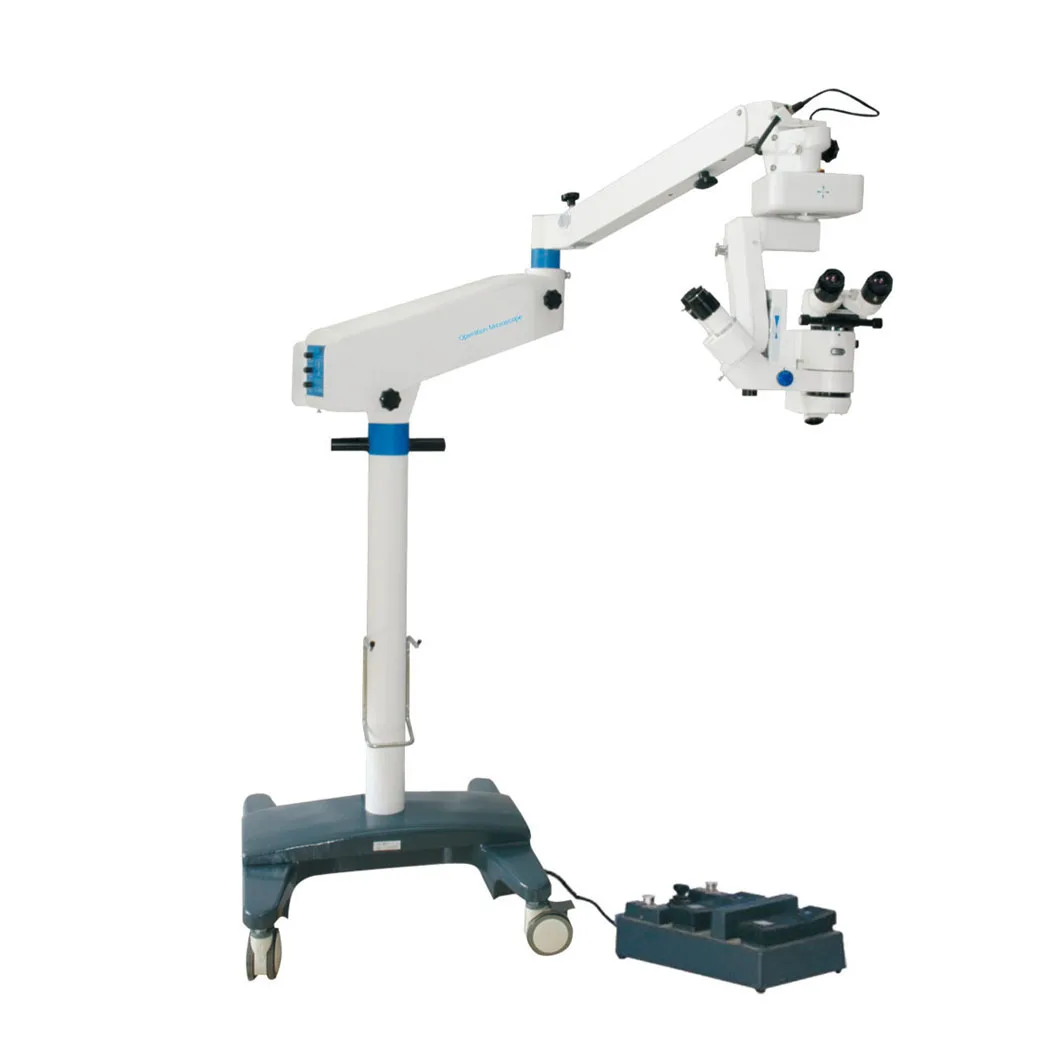
A colposcope is a magnifying instrument used in a cervical examination context. Patient-facing guidance from professional organizations describes colposcopy as magnified viewing of the cervix, vagina, or vulva, with the instrument positioned outside the body. For procurement, that basic context matters because the colposcopy workflow determines which features are useful and which are simply additional cost.
Ask the clinical and operational teams to describe the typical colposcopy workflow: who prepares the room, how the clinician adjusts the colposcope, whether images need to be captured, who reviews them, where records are stored, and what cleaning or service tasks occur afterward. A colposcope that fits one department’s workflow may not fit another department’s staffing, room layout, or documentation process.
That exercise changes the buying question. Instead of asking, “Which colposcope costs less?” ask, “Which configuration supports the required workflow with a stated scope of supply?” The distinction helps buyers avoid comparing incomplete packages.
What is normally inside a colposcope price?
Most colposcope pricing differences can be traced to the equipment configuration and to services that may or may not be listed separately. A written quote should identify the exact model and every included item. Do not assume that a product image represents the delivered configuration.
| Cost driver | Questions to put on the comparison sheet |
|---|---|
| Optics and illumination | What magnification options, illumination method, controls, and optical components are included with this colposcope? |
| Digital colposcope imaging | Is image capture included, optional, or supplied by another system? What files, displays, and storage connections are in scope? |
| Accessories and mounting | Which stands, adapters, cables, foot controls, or examination-room accessories are included? |
| Software and documentation | Are licenses, updates, exports, user accounts, and integration work defined in the price? |
| Service package | Who handles installation, user orientation, preventive maintenance, repairs, parts availability, and response coordination? |
Digital colposcope imaging is a common source of quote variation. A buyer should separate the camera or capture capability from the broader process around it: display, documentation, user access, export, data handling, and support. More accurately, the relevant question is not whether a feature exists, but whether the team can use and verify it in the intended colposcopy workflow.
Compare like-for-like configurations before discussing price
Configuration mismatch is one of the easiest ways to misread a colposcope price. Before comparing suppliers, create a common scope with the same required functions, included accessories, delivery terms, installation assumptions, training scope, warranty period, and post-warranty support questions. Then mark every exception.
- Define the required cervical examination tasks and the location where the colposcope will be used.
- List the required colposcope imaging outputs, if imaging is part of the planned workflow.
- Specify what the quoted colposcope package includes rather than comparing a headline model name.
- Record assumptions about room readiness, electrical supply, display placement, connectivity, and responsible teams.
- State the acceptance checks that will be used when the colposcope arrives.
This does not require a universal specification. It requires a transparent one. If a feature is optional, place it in a separate column with its incremental cost and the reason it is needed. That approach makes a colposcope comparison more useful for clinical, procurement, and engineering stakeholders.
Include deployment and ownership resources in the decision
The purchase order price is only one part of a colposcope decision. A practical budget also considers delivery coordination, room preparation, installation, onboarding, maintenance arrangements, replacement parts, accessories, software renewals where applicable, and downtime communication. A low initial colposcope quote can create a planning gap if those items are undefined.
Training deserves its own line in the comparison. The team should know who will orient users, what documentation is supplied, how questions are handled after installation, and whether training applies to the exact colposcope configuration being purchased. Equipment functionality and safe clinical use are not the same thing; local clinical protocols and professional judgment remain necessary.
For international purchasing, document requirements can also influence total effort. For example, U.S. FDA classification search results identify colposcope and colpomicroscope entries under 21 CFR 884.1630, but a U.S. database entry does not establish suitability in another market. Buyers should verify the applicable market pathway, the product-specific documents, and the scope of any supplier statement before including it in a decision file.
How to assess a colposcope supplier
A colposcope supplier should be assessed on the clarity of its response as well as the quoted equipment. A useful reply identifies the configuration, documents exclusions, explains delivery and support boundaries, and names the information needed to finalize a scope. Vague claims make price comparison harder because they leave the buyer to infer what is included.
Send each colposcope supplier the same request list. Ask for a configuration sheet, included accessories, product documentation relevant to the destination market, warranty and service terms, lead-time assumptions, installation responsibilities, user-orientation scope, spare-parts approach, and the exact acceptance process. If the colposcope supplier offers colposcope imaging, ask how image capture and documentation are supported in the proposed configuration.
It is also reasonable to ask which items need site confirmation. Room dimensions, local electrical conditions, existing display or information systems, and staffing responsibilities can alter the practical scope. Treat unanswered items as open verification points rather than silently assuming they are included.
A purchasing checklist for a colposcope
- Confirm need: define the cervical examination tasks, users, site constraints, and desired colposcopy workflow.
- Normalize scope: compare each colposcope quote against the same feature and accessory checklist.
- Review evidence: verify documents, product identity, destination-market applicability, and statements about included services.
- Plan implementation: assign room preparation, delivery, installation, user orientation, and acceptance responsibilities.
- Evaluate ownership: clarify service contacts, maintenance expectations, accessories, parts, and update arrangements before selecting a colposcope.
Make price a decision input, not the entire decision
There is no single useful price for every colposcope because the delivered scope varies. A better purchasing decision connects the colposcope price to the functions required for the local colposcopy workflow, the evidence available for the offered configuration, and the resources needed after delivery. When teams compare the same scope and record exceptions, they can see whether a price difference reflects optics, imaging, accessories, deployment, support, or an unresolved assumption.
Before issuing a purchase order, ask the clinical, procurement, and technical stakeholders to sign off on the configuration checklist and acceptance criteria. That final review does not choose a colposcope for the team; it makes the trade-offs visible so the purchase can be evaluated on requirements rather than on a headline price alone.


 Hot News

