 EN


What Is a Colposcope and How Is It Used in Cervical Examination?
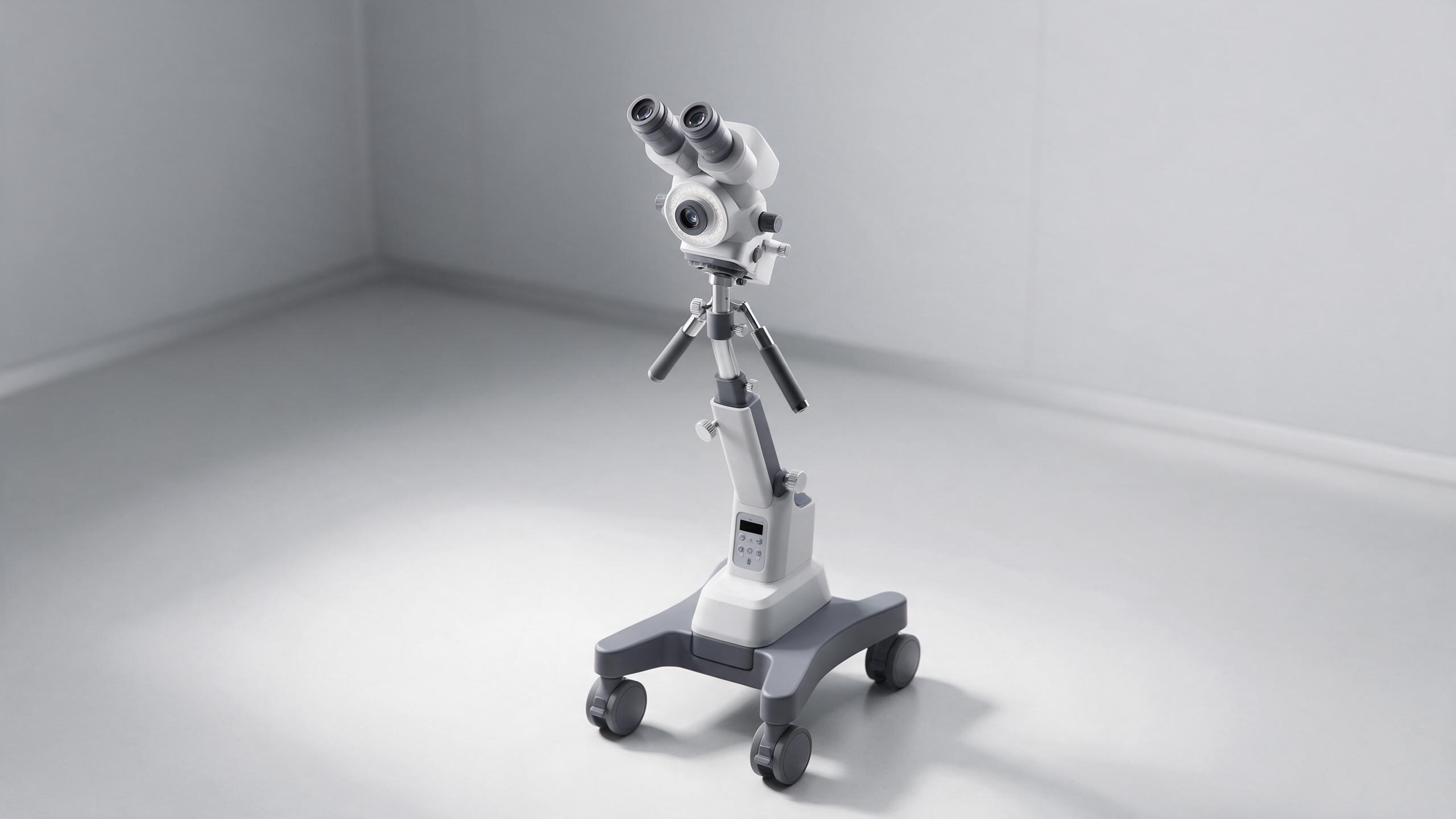
A colposcope is a lighted magnifying instrument that helps a trained clinician examine the cervix, the lower part of the uterus. During colposcopy, the colposcope stays outside the body while a separate speculum gently opens the vagina to make the cervix visible. This distinction helps explain what the instrument does: it improves the clinician’s view, but it does not itself collect tissue or establish a diagnosis.
For patients, the examination may follow a cervical screening result that needs further assessment. For clinical teams and equipment buyers, understanding how a colposcope fits into the visit is more useful than comparing specifications in isolation. The discussion below explains the instrument, the examination sequence and the practical limits of what can be seen.
What does a colposcope do?
A colposcope combines illumination with magnification so that a clinician can inspect the surface of the cervix more closely. Depending on the model, the clinician may look through optical eyepieces or view an image from a camera on a monitor. Some colposcopy equipment offers adjustable magnification, focusing controls and a filter that can make blood vessel patterns easier to see. The exact controls and image options vary by model.
A colposcope is one of several optical diagnostic instruments used in clinical practice, but magnification does not make every tissue change visible or determine its cause. The examination is interpreted alongside the patient’s history, screening results and, when appropriate, laboratory findings. A visually suspicious area is not by itself a cancer diagnosis.
Why might a clinician use a colposcope?
A clinician may recommend colposcopy after an abnormal cervical screening or HPV test result, or when the cervix looks unusual during an examination. Other symptoms or findings may also prompt a closer look, depending on local guidance and the individual’s circumstances. Referral does not mean the person has cancer; it means that more information is needed.
The colposcope helps the clinician identify areas that warrant closer assessment and decide whether a small tissue sample is appropriate. A laboratory examines any biopsy. Management and follow-up depend on the full results, not on the instrument alone.
How is a colposcope used during an examination?
The precise process depends on the clinic and the reason for the visit. The following sequence gives a general picture, not instructions for conducting a procedure. A trained clinician works within local protocols and explains each step to the patient.
- Preparation and consent. The clinician reviews the reason for referral, answers questions and discusses the examination and any possible biopsy. Patients should mention pregnancy, medicines and other relevant health concerns. They can ask for a support person or a pause according to the clinic’s arrangements.
- Positioning and access. The patient lies on an examination couch. A speculum is inserted to provide a view of the cervix. The colposcope is positioned outside the vagina and adjusted so the clinician can see the area without the instrument entering the body.
- Viewing the cervix. The clinician uses the colposcope’s light and magnification to inspect the cervix and, when relevant, nearby tissue. The field of view, working position and focus may be adjusted as the examination proceeds.
- Applying a solution. A clinician may apply a dilute acetic acid solution, sometimes followed by another solution, to help highlight areas that deserve attention. For example, guidance from the International Agency for Research on Cancer describes dilute acetic acid at 3–5% for this examination. The choice and use of solutions remain clinical decisions.
- Sampling if needed. If findings warrant it, the clinician may take a small biopsy using a separate instrument. Not every examination requires a biopsy. The colposcope provides a magnified view; it is not the tool that removes the sample.
- Discussion and follow-up. The clinician may discuss an initial impression during the visit. If a biopsy is taken, the tissue is assessed in a laboratory and the clinic explains how results and next steps will be communicated.
Patients can feel pressure from the speculum, a stinging sensation from a solution or a pinch or cramp if a biopsy is taken. Experiences vary. If the examination is painful or distressing, the patient should tell the clinician, who can discuss adjustments or stopping. Local aftercare instructions are especially important if a sample is taken.
Colposcope, speculum and biopsy tools: different roles
It is easy to group all cervical examination equipment together, but each item has a separate purpose. The speculum holds the vaginal walls apart. The colposcope provides light and a magnified view from outside the body. Biopsy instruments, when required, are used by the clinician to obtain tissue. A camera or display, if fitted, can support documentation or shared viewing according to the facility’s policy.
This division also matters when planning a room. A colposcope needs an unobstructed view and enough space for the clinician to work, while the patient’s privacy and comfort must remain central. Before choosing a gynecology examination device, consider the whole examination pathway rather than assuming one device replaces the other components.
What can a colposcope show—and what can it not confirm?
A colposcope can help a clinician assess visible tissue changes, their location and patterns in the surface or blood vessels. Solutions can make some changes easier to distinguish. The appearance guides clinical assessment and may help determine where a biopsy should be taken.
There are limits. A colposcope cannot independently tell whether a visible change is precancerous or cancerous, and an examination may not show every relevant area. When tissue is sampled, laboratory analysis provides additional information. An abnormal result can describe changes that are not cancer. The clinician combines the visual findings with test results and applicable guidance to recommend follow-up.
People who are pregnant should inform the clinical team before the visit. Colposcopy can be performed during pregnancy, but decisions about sampling and timing require individual clinical judgment. Ask the care team about preparation, potential discomfort and the expected route for results rather than relying on a generic schedule.
Practical considerations for clinical teams
When comparing a colposcope for a facility, start with the workflow: who will use it, where will it be positioned and how will findings be documented? A useful evaluation may cover these questions:
- View and adjustment: Can clinicians adjust illumination, magnification, focus and working position for the intended examination space?
- Imaging and records: If images are needed, does the proposed configuration support the clinic’s consent, privacy and record-management processes?
- Training and upkeep: Are operating instructions, cleaning procedures, maintenance support and staff training available for the actual model?
- Room fit: Can the colposcope be positioned without obstructing access to the patient or other equipment?
These questions are a starting point, not a substitute for product documentation, local procurement requirements or an in-person assessment. Features differ across models, so verify each proposed configuration with the supplier and the people who will use it.
After the examination
Ask the clinic when and how results will be communicated, especially if a biopsy was taken. Follow its individual aftercare advice and contact the care team promptly for heavy bleeding, fever, worsening pain or unpleasant-smelling discharge. A colposcope is an aid to a closer view; the examination’s value comes from careful clinical interpretation and appropriate follow-up.

 Hot News

