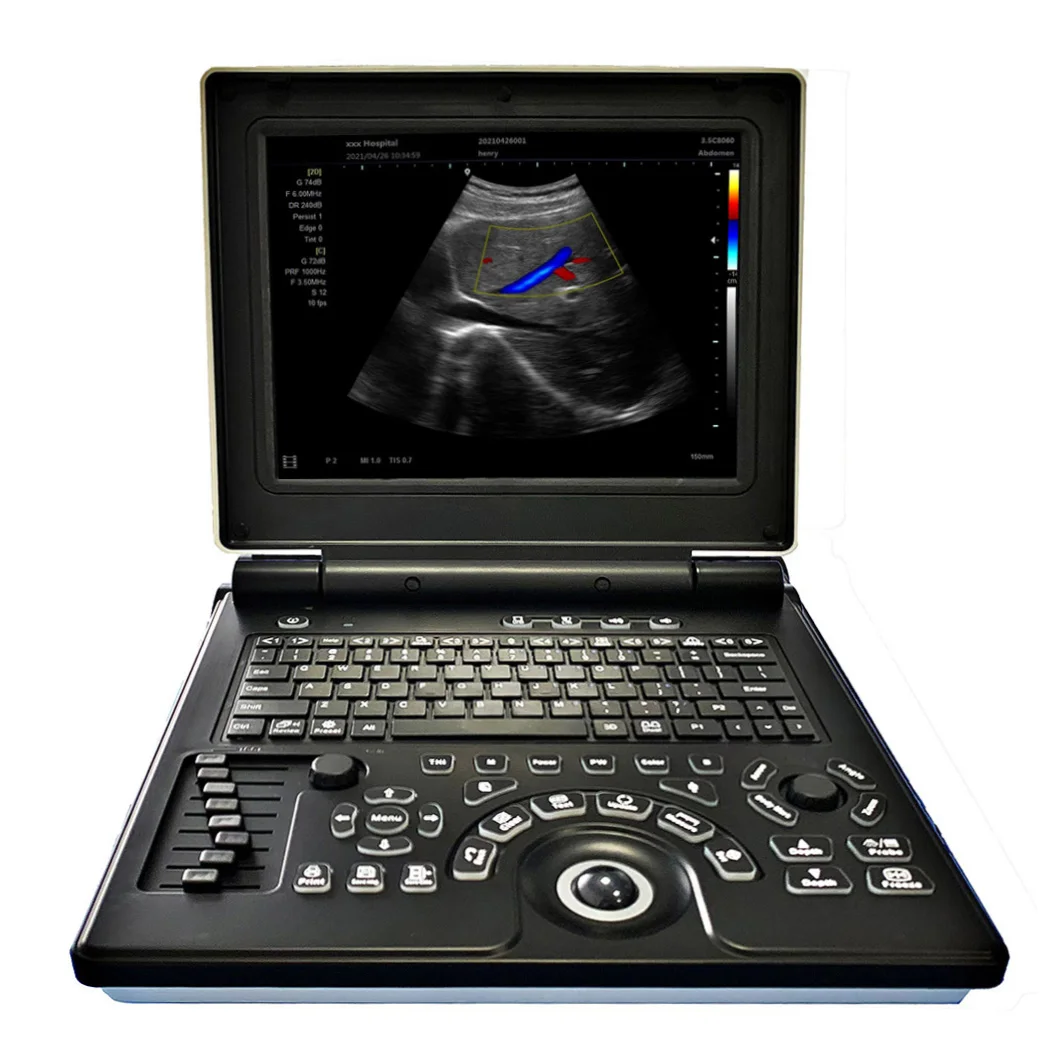
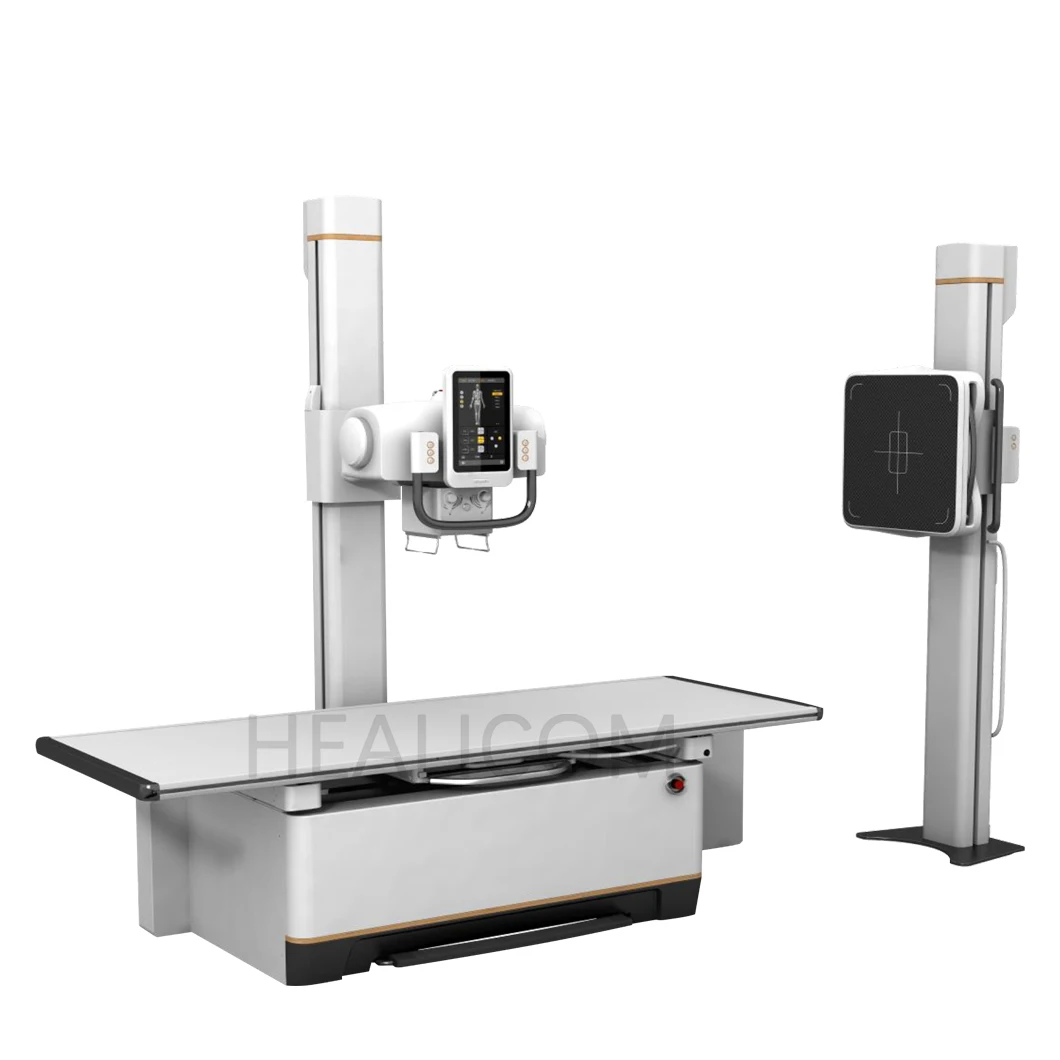
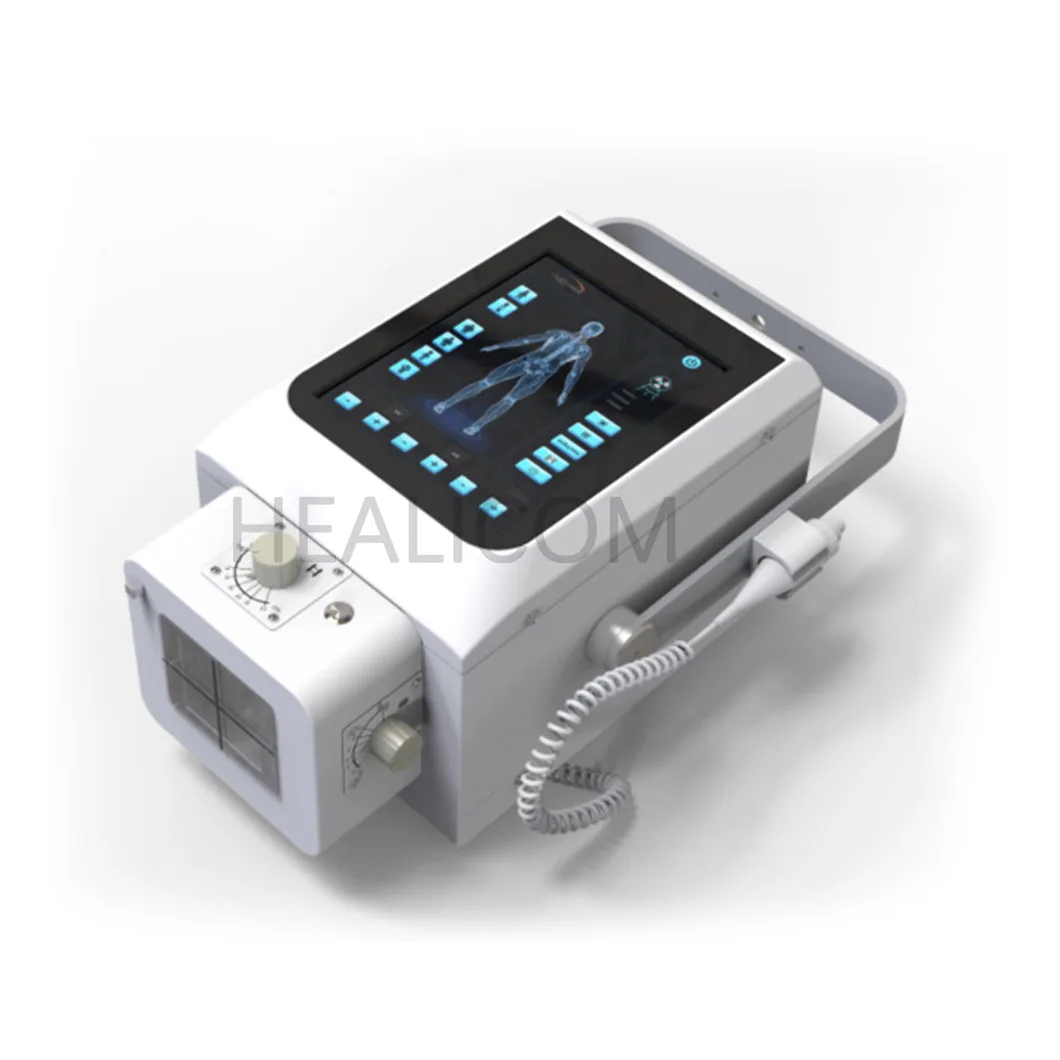
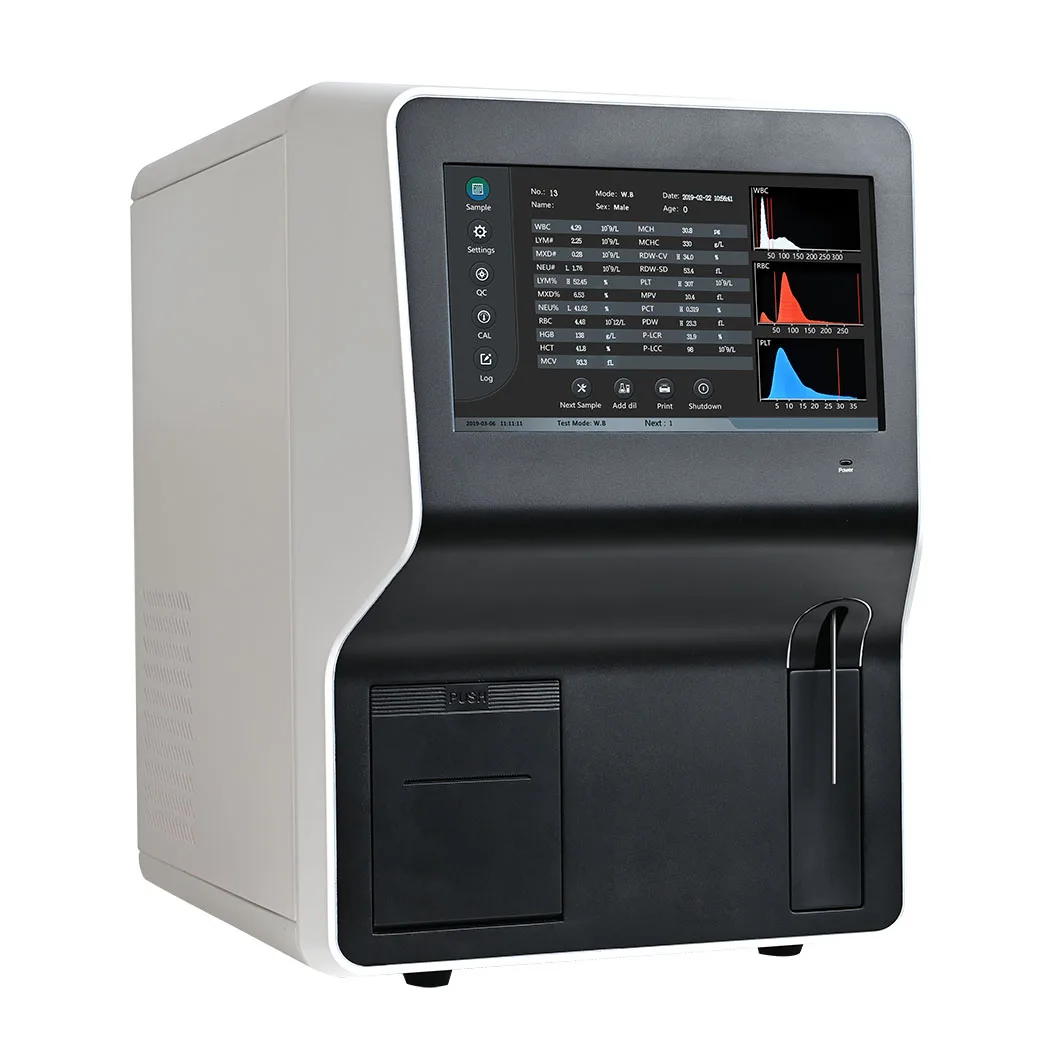
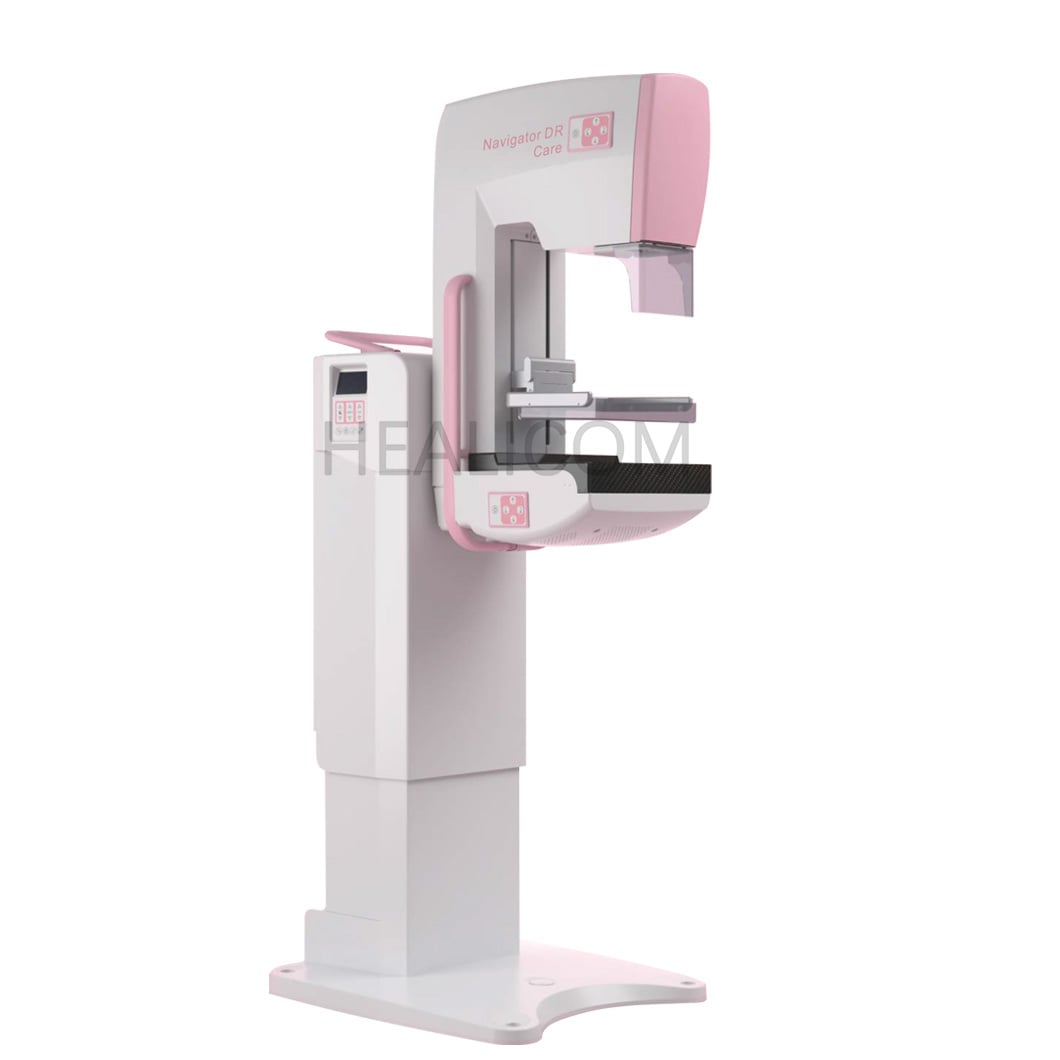
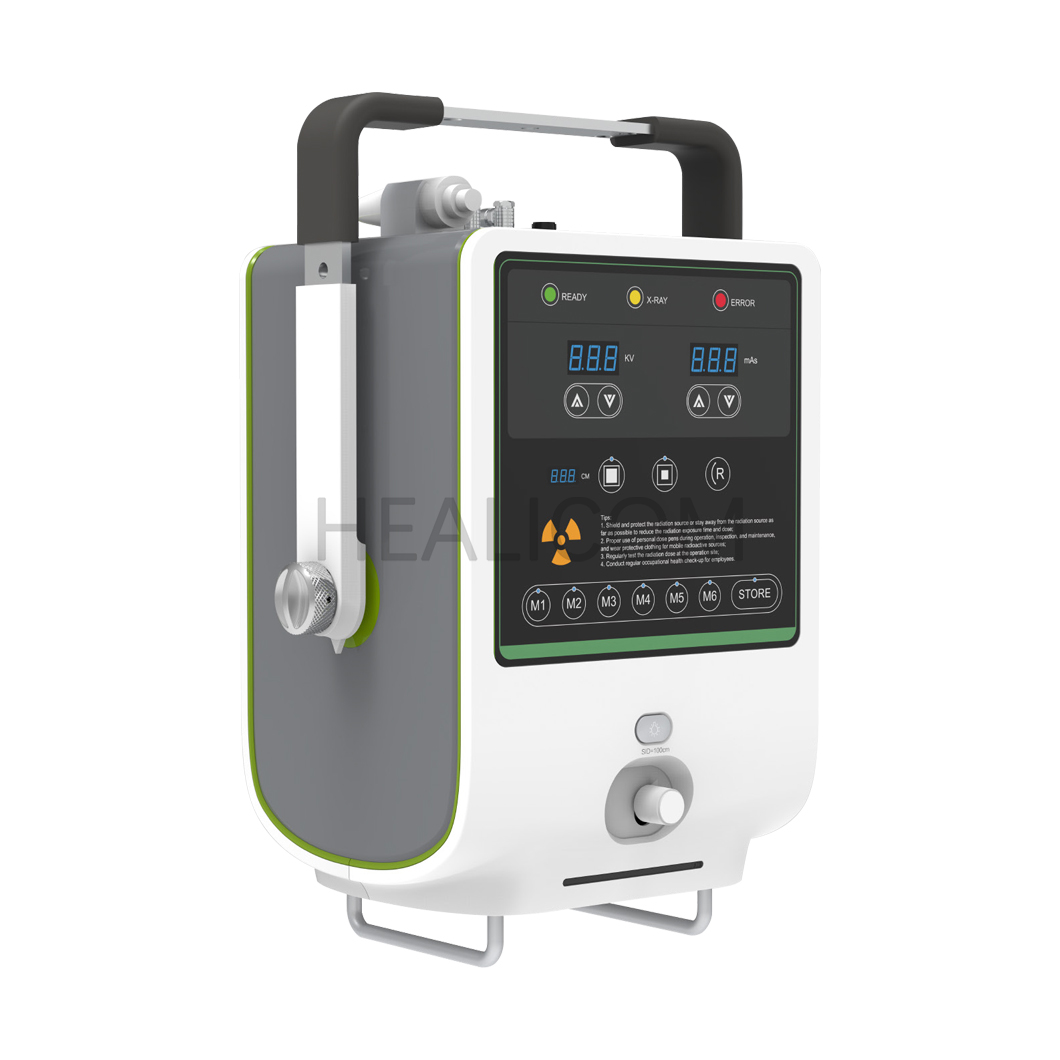
The price gap between digital radiography (DR) systems and computed radiography (CR) options usually ranges from 3 to 5 times higher because DR units come with built-in flat panel detectors plus real time image processing capabilities. With CR systems, technicians have to deal with those removable cassettes that need scanning separately which slows everything down and just doesn't capture as much detail. On the flip side, DR offers better picture clarity, cuts processing time by about 60%, and actually reduces patient radiation exposure by around 30%. High end DR panels made with cesium iodide tech can pick up details smaller than a millimeter something really important when doctors are looking at complicated cases. Basic CR equipment still works fine for simple imaging tasks but falls short when it comes to seeing subtle differences in images or getting things done quickly. At the end of the day, these core differences in how each system captures images and what they can actually do clinically explain why there's such a big price range among different manufacturers' digital X-ray machines.
The FDA approval status of medical imaging software plays a big role in how much hospitals end up paying for these systems. Entry level diagnostic software typically runs about eight grand a year, but when clinics want those fancy AI features like automatic fracture spotting or lung nodule detection, prices jump well past twenty five thousand dollars annually. Most facilities are moving toward subscription models these days instead of buying outright, which changes everything from a one time purchase to monthly payments over time. Want advanced stuff like 3D reconstructions or detailed bone density measurements? Expect to pay somewhere between fifteen and thirty percent extra on top of what the base system already costs. Some vendors build their software in ways that make it hard to work with other equipment, basically trapping hospitals into using only their products for updates and compatibility fixes. One hospital group in the Midwest learned this the hard way when they chose a closed platform system and ended up spending 22% more over time compared to open alternatives. When shopping for new software, look for options that let different tools work together and offer clear information about future upgrades.
Service contracts usually tack on around 8 to 12 percent to what someone pays for medical imaging equipment initially, and full coverage packages can easily top twenty grand for top-of-the-line digital radiography systems. When it comes to ongoing costs, replacing detectors stands out as the biggest expense. Flat panel detectors run about twenty five thousand dollars apiece and need replacing every five to seven years or so. Contrast that with computed radiography cassettes which cost roughly three thousand each but tend to last much longer before needing replacement. According to research published last year in the field of diagnostic imaging, maintenance actually makes up forty percent of total costs over a decade period. That means hospitals should really look into getting service from multiple vendors instead of locking themselves into exclusive deals with manufacturers. Energy consumption matters too when thinking about long term expenses. Newer DR machines use thirty percent less electricity compared to older models, translating to approximately two thousand dollars saved yearly at facilities with heavy usage volumes. Taking all these factors into account changes how people compare initial purchase prices versus what they'll actually spend over time.
Clinics doing around 15 to 20 exams each day can get quality diagnostic images with entry level systems from companies like Carestream, Konica Minolta, and Varex. What makes these systems stand out isn't fancy bells and whistles but solid reliability, small space requirements, and workflow efficiency. The Carestream DRX series offers portable options starting at about $60k. For those looking to upgrade from old analog equipment, Konica Minolta's AeroDR detectors hit the market around $45k. Varex provides complete room setups for under $100k through their OEM components. Sure, these machines don't come packed with automated features found in higher end models, but the pricing shows smart design choices focused on what matters most for budget conscious practices wanting reliable diagnostics without breaking the bank.
The integrated DR rooms offered by major players like Siemens Healthineers, Canon Medical, and GE HealthCare bring together sophisticated clinical capabilities with automated workflows designed specifically for busy medical facilities. The Siemens Multix Impact system stands out with its automatic tube positioning and real time dose tracking, typically priced around 180k dollars. Canon's CXDI series comes equipped with cutting edge noise reduction technology plus specialized imaging tools for orthopedics, with entry level models starting at about 150k. GE HealthCare's Definium line takes things further with built-in AI that helps optimize images automatically, costing anywhere between 200k to 250k depending on configuration. These systems can handle over fifty patient exams per day thanks to ceiling mounted X-ray tubes, highly sensitive detectors, and smooth integration with standard DICOM networks across departments. While the upfront cost of these digital X-ray machines does reflect top notch engineering, most imaging centers find that increased productivity, fewer repeat scans needed, and better staff coordination pays off pretty quickly usually within two to three years of operation when they're running at full capacity.
When it comes to pricing a digital X-ray machine, looking at the bottom line over time matters more than what's on the price tag. The real money makers? Getting good usage out of the equipment most days, streamlining workflows so patients spend less time waiting around, and sticking to regular maintenance schedules that can cut down on expensive repairs later on. Most clinics doing over thirty scans each day start seeing their investment pay off within eighteen to thirty-six months because staff doesn't have to work as hard, there are fewer cases needing repeats, and overall they're able to handle more examinations. Want to get the most bang for the buck? Focus on these factors first.
A 2024 clinical operations analysis confirmed that facilities matching equipment specifications to actual workflow demands reduced cost-per-scan by 28% while expanding revenue-generating capacity—proving that strategic alignment, not just brand prestige, determines true value.
 Hot News
 EN
EN