 EN


How to Plan ECG Equipment Procurement for a New Clinic
Buying an ECG Machine for a new clinic is not simply a matter of comparing a few specification sheets. A useful procurement plan starts with the patient journey: who prepares the patient, who records the trace, who reviews it, where the record goes, and what happens when supplies or service are needed. From a hospital-procurement perspective, a suitable ECG Machine choice is one that fits that complete workflow with evidence a clinic can verify before delivery.
An electrocardiograph processes electrical signals from electrodes and produces a visual record. That simple description is a helpful starting point for procurement. It suggests that an ECG Machine, electrodes, cables, trained staff, print or digital output, and a review process should be assessed as one working system—not as separate purchases.
Start with the clinic’s real use case
Before requesting quotations, write down why the clinic needs an ECG Machine. A reception-led outpatient service, an urgent-care room, a cardiology consultation clinic, and a pre-employment screening site may all use a similar-looking device differently. Estimate patient volume by shift, likely operator roles, adult or pediatric use where applicable, the need for a portable cart or fixed room setup, and the expected turnaround from recording to review.
That conversation also prevents a common mistake: treating every ECG Machine function as equally valuable. If several staff members rotate through the room, simple onboarding, clear prompts, and a repeatable recording routine may matter more than an unusually long feature list. If recordings must be reviewed elsewhere, data output and file-handling questions deserve early attention. The clinical team should define diagnostic protocols and interpretation responsibility; procurement should convert those needs into verifiable requirements.
Build a requirements sheet before comparing offers
A short requirements sheet makes ECG Machine comparisons more disciplined. Group questions under workflow, acquisition, output, support, and acceptance. Ask suppliers to respond to the same sheet, then keep assumptions visible instead of filling gaps with marketing language.
- Workflow: Who will operate the ECG Machine, where will it be kept, and what cleaning, patient-identification, and handoff steps are needed?
- Acquisition: Is a routine 12 lead ECG required, and what lead set, patient cable, electrode type, and replacement supplies are included?
- Output: Does the clinic need paper, digital files, network transfer, or more than one format for the ECG Machine record?
- Review: What should ECG interpretation software display or export, and who remains responsible for clinical review of any automated statement?
- Support: What training, manuals, preventive maintenance, warranty terms, spare parts, and escalation contacts are available in the clinic’s market?
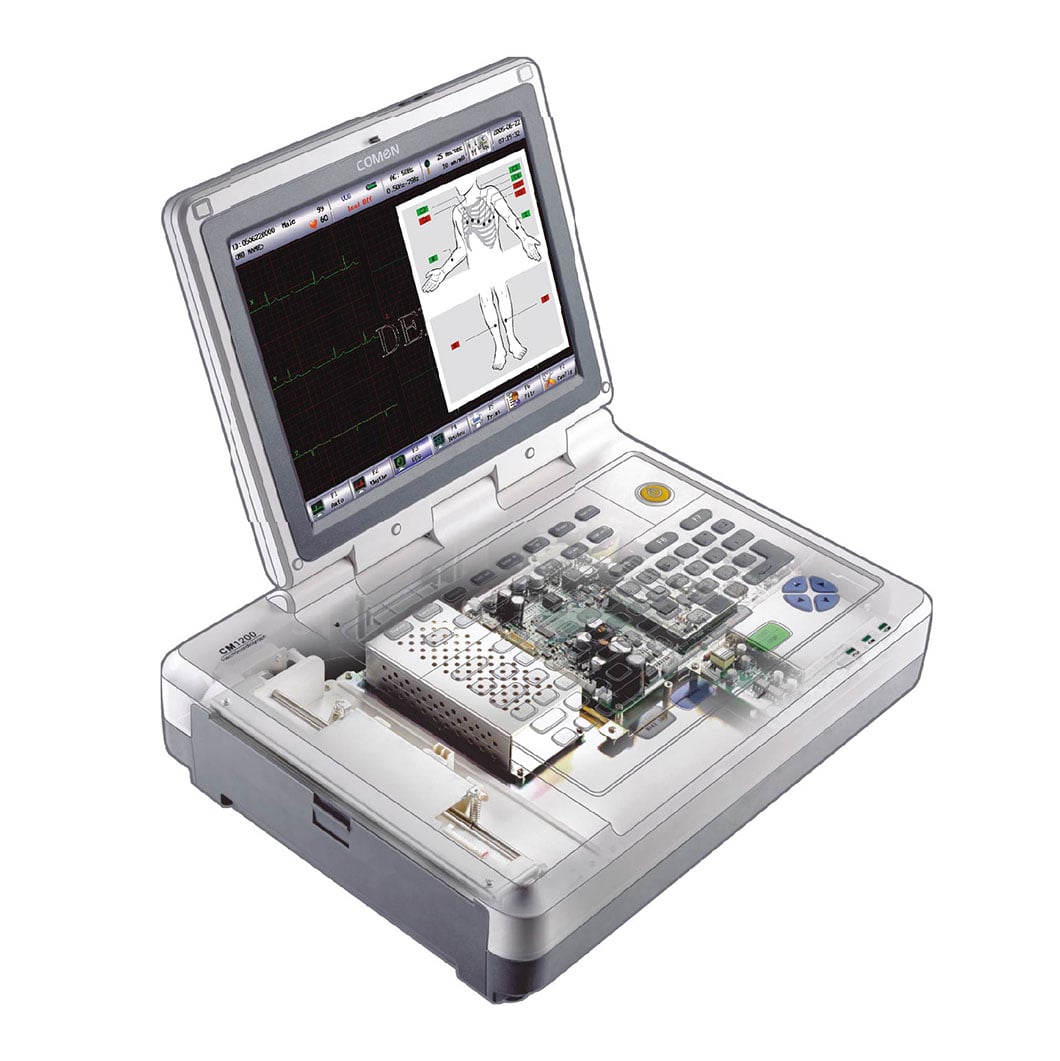 A structured requirements review can align the ECG device, supplies, training, and acceptance checks.
This sheet becomes more useful when each request includes an acceptance test. For example, instead of asking whether an ECG Machine has digital output, ask for a demonstration using the clinic’s intended patient ID workflow and a sample file the review team can open. Instead of accepting a generic claim about service, ask what actions are covered, who performs them, and which consumables must be stocked locally.
Plan 12-lead acquisition as a workflow, not an accessory list
A 12 lead ECG requires consistent acquisition practices as well as an ECG Machine. Professional guidance on ECG standardization emphasizes skin preparation, proper electrode positioning, patient positioning, and periodic retraining for people who record ECGs. That is why the procurement plan should include not just a device demonstration, but also training materials, an electrode-supply plan, cable inspection, and a simple local procedure approved by the appropriate clinical lead.
ECG electrode placement should be treated as a training and quality-control requirement, not as a claim that a device can solve automatically. In a new clinic, ask who will train new operators, how competency will be refreshed, and how the team will respond when an unclear trace needs to be repeated. Include the required ECG electrode placement accessories and disposables in the total-cost comparison. An apparently lower ECG Machine price can be misleading if the clinic has not planned recurring electrodes, patient cables, paper, batteries, or support visits.
Evaluate software and information flow carefully
ECG interpretation software can affect the recording and review workflow, but it should not be purchased on a vague promise of diagnostic certainty. Ask what data the ECG Machine retains, how it labels records, what formats can be exported, whether settings can be controlled by authorized staff, and how a clinician reviews or corrects the final report. Confirm compatibility with the clinic’s actual systems through a demonstration or documented test rather than assuming it from a brochure.
For ECG interpretation software, keep privacy, access control, retention, and local regulatory obligations on the clinic’s verification list. The supplier can explain device capabilities; the clinic’s clinical, IT, and compliance teams should decide whether the proposed workflow is appropriate. This division of responsibility keeps an ECG Machine project grounded and avoids treating software output as a substitute for professional interpretation.
Compare total readiness, not only the ECG Machine price
A cardiac diagnostic device purchase is ready for launch only when people, supplies, space, documentation, and support are ready too. For a new clinic, compare quotations using a shared table that includes the ECG Machine, accessories, delivery scope, installation needs, user training, warranty, routine maintenance, spare parts, and likely consumables. Mark every item as confirmed, optional, or still to be verified.
It is also reasonable to ask for documents relevant to the intended market, but avoid assuming that a certificate or registration applies everywhere. Verify the regulatory status, labeling, language requirements, electrical requirements, and post-sale support needed for the clinic’s location. The goal is not to declare one ECG Machine universally suitable; it is to identify the configuration that can be used safely and consistently in this particular service.
Use a practical pre-award and acceptance checklist
- Map the patient-to-review workflow for the proposed ECG Machine.
- Confirm the required 12 lead ECG acquisition process with the clinical lead.
- List supplies and training needed for consistent ECG electrode placement.
- Test the proposed ECG interpretation software and record-export workflow with authorized reviewers.
- Verify the quote’s included accessories, service scope, documentation, and market-specific regulatory evidence.
- At delivery, test the agreed ECG Machine configuration, output, accessories, and user handover against the requirements sheet.
Thinking of the purchase as a system is the most reliable way to plan an ECG Machine for a new clinic. A structured requirements sheet, a realistic 12 lead ECG workflow, clear ownership for ECG interpretation software, and a documented acceptance process will help the clinic move from quotation comparison to operational readiness with fewer surprises.
 Hot News

