 EN


What Should Buyers Check Before Purchasing a Medical Sterilizer?
Buying a medical sterilizer is not a matter of comparing chamber volume and price alone. A good purchase decision starts with the instruments, packaging, workflow, utilities, and records the unit must support. From a hospital procurement perspective, the most useful question is not “Which sterilizer has more features?” but “Can this sterilizer be validated and operated reliably for our intended loads?” That distinction keeps a specification review connected to daily medical instrument processing.
The checklist below is designed for buyers working with clinical, sterile-processing, infection-prevention, engineering, and service teams. It does not replace local regulations, the device manufacturer’s instructions for use (IFUs), or a facility’s validation process. It helps the team ask better questions before an order is placed.
1. Define the load before choosing the sterilizer technology
Start with a written inventory of the devices and accessories that will enter the process. Record their materials, heat and moisture tolerance, lumens or channels, packaging requirements, and the IFUs that govern their reprocessing. A sterilizer should be selected around the approved load—not the other way around.
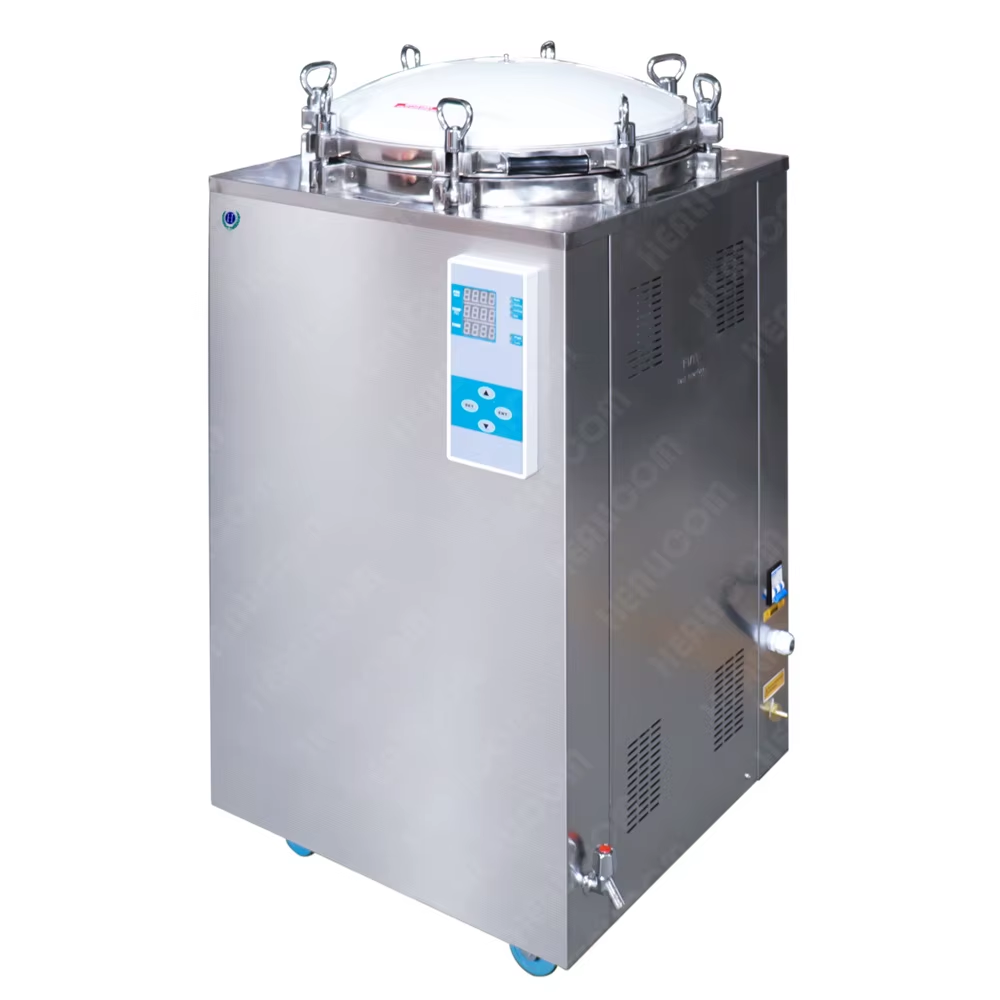
A steam sterilizer may be appropriate where the intended devices and packaging are compatible with the validated steam process. A plasma sterilizer or another low-temperature option may be considered when the actual IFUs and validated cycle requirements call for a lower-temperature method. These are not interchangeable labels. Buyers should request the supplier’s documented cycle claims, load limitations, and the evidence needed to verify that the proposed configuration aligns with the relevant device instructions.
- Which instruments, trays, and accessories will be processed most often?
- Are there lumened, heat-sensitive, moisture-sensitive, or otherwise restricted items?
- Which packaging systems and load configurations must be accommodated?
- Who will approve compatibility against the current IFUs before commissioning?
2. Turn workflow demand into capacity and cycle requirements
Capacity means more than chamber size. Map the number of loads, peak periods, turnaround expectations, staffing pattern, and separation between clean and contaminated areas. A larger chamber can still create a bottleneck if loading, cooling, unloading, record review, or maintenance does not fit the workflow.
Ask the team to estimate the types of loads expected in a normal shift and the loads that appear during peak activity. Then compare those requirements with the sterilizer’s validated cycle options, not simply the fastest cycle listed in a brochure. If the target department needs several cycle types, confirm how operators select them, how the selected program is protected from accidental changes, and what happens when a cycle is interrupted.
For medical instrument processing, it is useful to examine the whole path: cleaning and inspection before loading, load assembly, sterilization, cooling, release, storage, and traceability. This workflow-first view often reveals requirements that a simple capacity comparison misses.
3. Review sterilization cycle monitoring and release controls
Every procurement review should include sterilization cycle monitoring, because a cycle display alone is not a complete release system. Ask how the proposed sterilizer records cycle parameters, identifies the load, handles alarms, and supports the facility’s required physical, chemical, and biological monitoring practices. The final monitoring plan should be established by qualified facility personnel under applicable requirements; the buyer’s job is to confirm that the equipment and records can support that plan.
- Can the system retain or export cycle records in a usable format?
- How are temperature, time, pressure, or other applicable process parameters presented and reviewed?
- What alarms, interlocks, failed-cycle messages, and corrective-action prompts are available?
- How are load identifiers, operator information, and monitoring results connected to release records?
- Can the supplier explain the routine-control documentation expected for the proposed technology?
For low-temperature vaporized hydrogen peroxide processes, buyers can also ask how the supplier’s documentation addresses development, validation, and routine control. The point is not to infer compliance from a technology name; it is to request records that the facility can assess during its own approval process.
4. Check installation conditions before finalizing the quote
A medical sterilizer may be technically suitable but still difficult to deploy if the room and utilities are not ready. Confirm the installation drawing and site requirements early with facilities and engineering teams. The purchase specification should identify the exact electrical supply, water quality and consumption needs where relevant, drainage, ventilation or exhaust requirements, clearances, floor loading, access route, and heat or noise considerations.
Also clarify whether the proposed location supports safe loading and unloading flows. This may require a pass-through arrangement, room-side separation, or a different layout depending on the site’s procedures. More accurately, the right layout depends on the target workflow and local requirements, so a supplier drawing should be reviewed as an input to the facility plan rather than treated as final approval.
5. Evaluate usability, training, and maintenance as part of the purchase
A reliable sterilizer depends on people and service resources as well as hardware. Ask to see the operator interface, routine cleaning tasks, preventive-maintenance schedule, calibration needs, spare-parts approach, remote-support policy if offered, and escalation path for downtime. Confirm the training audience: operators, sterile-processing supervisors, biomedical engineers, and any team responsible for documentation or IT integration.
It is also worth asking how the manufacturer or supplier supports acceptance testing, installation qualification, and ongoing service coordination. Do not assume that a quoted installation includes every commissioning activity. Put the deliverables, responsibilities, response expectations, and exclusions in writing.
6. Compare total ownership requirements, not only acquisition cost
When comparing a sterilizer, list the resources beyond the purchase price: facility preparation, approved consumables, monitoring supplies, service visits, operator training, downtime contingencies, and record-management needs. This does not mean one technology necessarily costs less in every setting. It means the comparison should use the same operating assumptions for every option.
A practical evaluation table can include the intended loads, required cycle types, installation prerequisites, monitoring records, training duties, maintenance intervals, included accessories, and unresolved compatibility questions. That table helps procurement teams turn a broad medical device discussion into a traceable decision.
7. Request a verification package before you issue the purchase order
Before signing, ask for the documents that let your multidisciplinary team verify the proposal. Depending on the model and market, this may include the product specification, installation requirements, operator and service documentation, validated cycle information, applicable declarations or certificates, warranty terms, training scope, and a clear statement of items that the facility must provide.
Use these documents to create an approval checklist. If an answer relies on a future promise, record the owner and due date. If a proposed cycle or accessory does not map cleanly to the intended devices’ IFUs, pause the decision until qualified personnel resolve the gap. A well-chosen sterilizer is one that fits the approved workflow, can be installed as planned, and produces records the team can review with confidence.
Buyer checklist: questions to close before purchase
- Have we documented the intended loads and reviewed their IFUs?
- Does the proposed sterilizer offer validated cycles for those loads and packaging configurations?
- Have we confirmed capacity, peak demand, and turnaround needs across the full workflow?
- Can the equipment support our sterilization cycle monitoring and record-review process?
- Are utilities, space, access, ventilation, and drainage requirements confirmed in writing?
- Are training, acceptance activities, service coverage, and maintenance responsibilities clear?
- Have unresolved compatibility or regulatory questions been assigned to qualified reviewers?
Final thought
The strongest sterilizer purchase is a documented fit between a facility’s intended loads, validated process, operating environment, and verification responsibilities. By treating steam sterilizer and plasma sterilizer options as workflow-and-compatibility decisions—not simply equipment categories—buyers can create a clearer, safer procurement conversation before equipment reaches the site.
 Hot News

