 EN


What Should Buyers Check Before Purchasing an X-Ray Machine?
Buying an x ray machine is not simply a comparison of quoted prices and detector sizes. A medical X-ray purchase changes how clinicians work, how a room is prepared, and how the organization manages radiation safety, image quality, maintenance, and records. From a hospital procurement perspective, the useful question is not “Which system has the longest feature list?” It is whether the proposed x ray machine has a documented configuration that fits the intended examinations, patient flow, local requirements, and support capacity.
This checklist helps buyers assess a medical X-ray machine before a purchase order is released. It applies to a fixed or mobile digital radiography system, but the final requirements should be reviewed by the clinical, biomedical engineering, radiation-safety, facilities, and procurement teams together.
1. Define the clinical job before comparing specifications
Start with the examinations the x ray machine must support. List patient groups, body regions, expected daily volume, bedside needs, emergency use, and any workflow constraints. A general room used for routine adult imaging may need a different configuration from an emergency department, outpatient clinic, or ward-based service. The same is true for a portable unit: mobility is valuable only if the battery, maneuverability, infection-control process, and bedside workflow fit the environment.
Ask users to describe the current bottleneck. It may be positioning time, repeat exposures, image review, transport delays, or handoff between the imaging room and the clinical system. This turns a vague request for diagnostic radiography equipment into testable requirements. More accurately, the goal is not to buy every available option; it is to confirm that each proposed feature supports a real task.
2. Request a configuration sheet, not a brochure
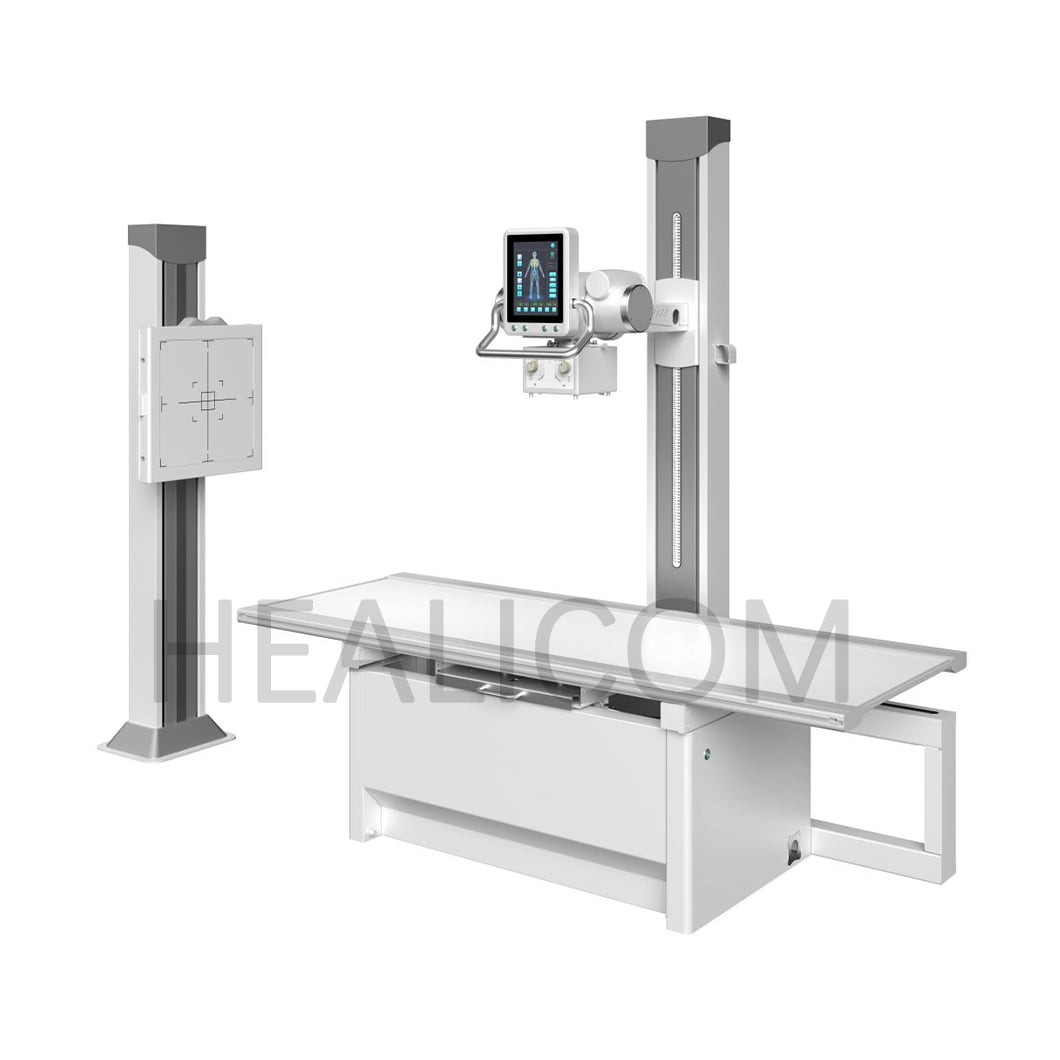
A quotation should identify the exact x ray machine configuration: generator rating, tube and stand arrangement, table or wall stand, detector size and type, workstation, software modules, accessories, and included shielding or positioning aids. Buyers should also ask what is excluded. A detector, license, workstation, service visit, installation task, or training session that appears optional can affect both readiness and total cost.
For a digital radiography system, compare detector handling, charging, image transfer, workflow at the console, and integration scope rather than relying on broad performance language. Ask for sample acceptance criteria tied to the proposed configuration. If a supplier changes a component, require written confirmation of compatibility and of any impact on commissioning, service, or documentation.
3. Check image-quality evidence in the intended workflow
Image quality should be discussed alongside dose-management practice, positioning, processing, and display conditions. Buyers can request a demonstration protocol using representative examination categories, then agree beforehand on what will be evaluated: visibility of relevant detail, repeat-image handling, image-processing behavior, exposure-index workflow where applicable, and the process for resolving issues.
A medical X-ray machine should not be judged from a single polished image. Ask who will perform acceptance testing, which measurements or test objects will be used, how baseline images will be retained, and who signs the results. The IAEA’s quality-management materials identify critical examination, acceptance, and commissioning as distinct activities; after major equipment work, relevant commissioning tests may need to be repeated to establish new baselines. That is a practical contract point, not merely a technical detail.
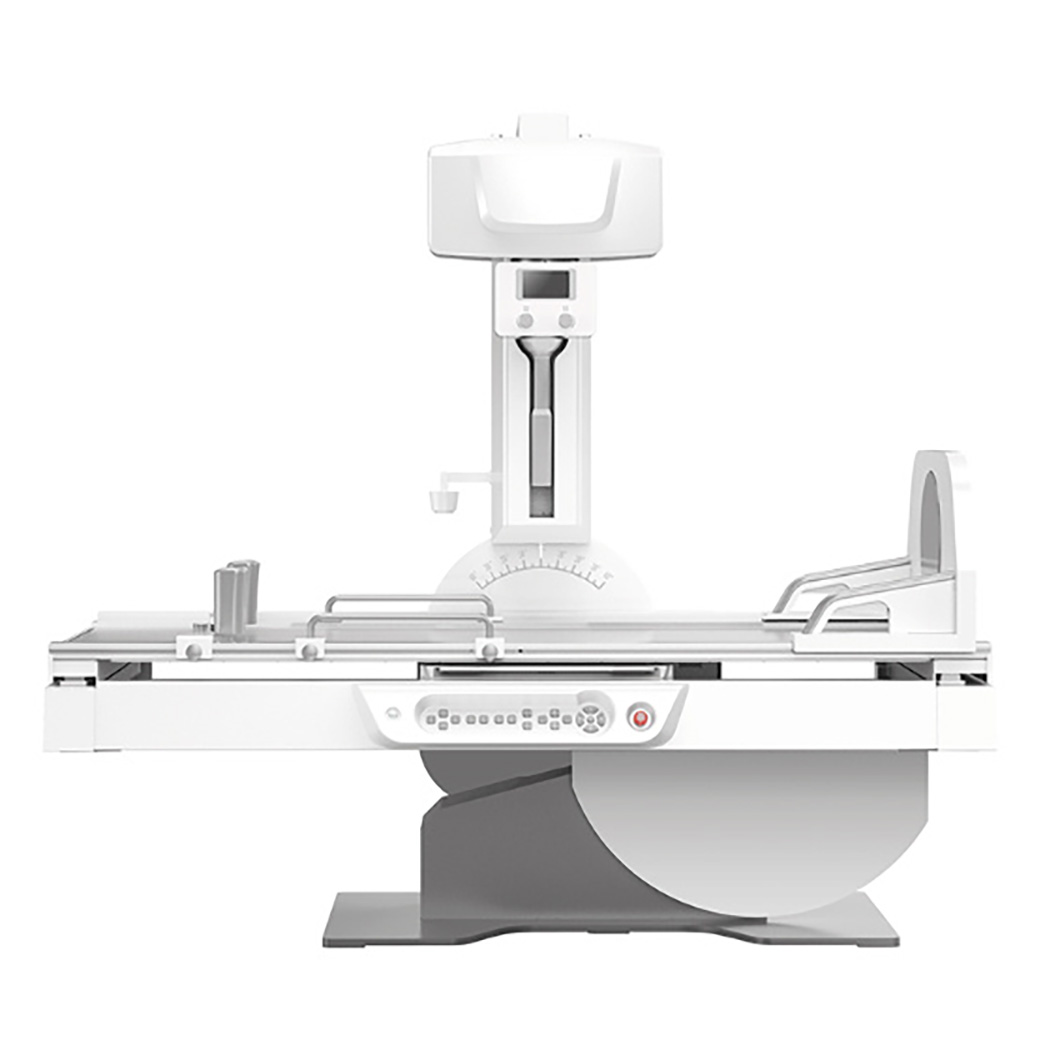 A documented checklist helps align technical, facilities, and clinical stakeholders before purchase.
4. Verify safety and market documentation for the destination
Compliance is market- and intended-use-specific. Ask the supplier for the documentation relevant to the destination country, the legal manufacturer or responsible party where applicable, product labeling, manuals, electrical requirements, and the standards or test evidence cited for the offered configuration. Do not treat a certificate name alone as a conclusion. Confirm the issuing body, scope, model coverage, expiry where relevant, and whether local registration or import steps are still required.
For a hospital imaging equipment project, the technical team can also review evidence relating to basic safety and essential performance. IEC 60601-1 is a general medical-electrical-equipment standard, but buyers must confirm the correct edition and any applicable collateral or particular standards with their local advisers. Radiation protection, room shielding, operator training, and licensing obligations likewise need local review.
FDA guidance for medical X-ray imaging highlights equipment-specific radiation-safety training and regular quality-control testing. Even outside the United States, that is a useful procurement prompt: require a documented training plan, quality-control responsibilities, and escalation route instead of assuming those items arrive automatically with the x ray machine.
5. Confirm room readiness before shipment
Room dimensions, wall construction, electrical supply, grounding, HVAC, network access, doorway clearance, floor loading, and shielding design can determine whether installation proceeds smoothly. Give the supplier approved site drawings and ask for a written pre-installation checklist. The buyer should identify who verifies each item and what happens if the site is not ready on the agreed date.
Where a digital radiography system connects to existing systems, include network ownership, cybersecurity review, DICOM workflow, worklist configuration, storage, user permissions, and downtime procedures in the project plan. A technically sound x ray machine can still disrupt care if interfaces and user roles have not been tested before go-live.
6. Evaluate service as a lifecycle commitment
Compare the service model before comparing the headline purchase price. Clarify warranty scope, response targets, preventive-maintenance visits, remote support conditions, local engineering coverage, spare-parts availability, software updates, calibration responsibilities, and the process for documenting corrective work. Ask which tasks site staff may perform and which require an authorized engineer.
For diagnostic radiography equipment, request the planned maintenance schedule and a list of consumables or components with foreseeable replacement needs. A lower initial quote may not represent lower lifecycle cost if service coverage, parts lead times, or training are unclear. Put the handover documents, service contacts, and escalation path into the purchase record.
7. Put acceptance, training, and handover into the contract
The delivery milestone should be separate from clinical acceptance. Define installation completion, acceptance-test documents, user and technical training, manuals, software credentials, asset information, and corrective-action timing. Include an agreed route for reporting a nonconformity and for retesting after it is addressed.
Before signing, use this short buyer checklist for the x ray machine:
- Clinical use cases and expected workload are written down.
- The quoted x ray machine configuration and exclusions are itemized.
- Image-quality, acceptance, and baseline-record requirements are agreed.
- Market, radiation-safety, and electrical documentation is verified for the destination.
- Room, IT, shielding, and installation responsibilities are assigned.
- Training, quality control, warranty, maintenance, and parts support are documented.
- Contract acceptance criteria and corrective-action steps are clear.
Make the purchase decision auditable
A well-chosen x ray machine is one that can be shown to fit a defined workflow and a documented safety, service, and acceptance plan. Keep the evaluation matrix, supplier responses, site-readiness record, and acceptance results together. That approach gives procurement, clinical users, and technical teams a shared basis for deciding whether the proposed medical X-ray machine is ready for the organization’s real operating conditions.

 Hot News

