EN


What Is an Electrosurgical Unit and How Does It Work?
An electrosurgical unit, often called an ESU, is an operating-room energy system that uses high-frequency alternating current to create controlled heat in tissue. Surgeons use an electrosurgical unit to cut, coagulate, or perform blended tissue effects, depending on the procedure, accessory, and selected mode. It is not simply a powered scalpel: the clinical result depends on the entire energy pathway, the chosen electrode, tissue conditions, and trained use.
From a biomedical-engineering viewpoint, the useful question is not only “what does an electrosurgical unit do?” but also “how does the energy travel and how is that pathway checked?” That distinction helps operating teams, purchasers, and service personnel discuss the system in practical terms.
The core parts of an electrosurgical unit
A typical electrosurgical unit includes an electrosurgical generator, one or more output connections, an active electrode or handpiece, activation controls, cables, and—when monopolar operation is used—a patient return electrode. Some systems support foot-switch activation, hand-switch activation, or both. The exact accessories and compatible modes are specific to the model and its instructions for use.
The electrosurgical generator converts electrical input into a high-frequency output. At these frequencies, the goal is localized heating rather than nerve or muscle stimulation associated with lower-frequency current. When the active electrode concentrates energy in a small area, tissue impedance and waveform characteristics influence whether the effect is cutting, coagulation, or a blend between them.
How the energy produces cutting and coagulation
An electrosurgical unit does not cut in the same way as a mechanical blade. Its active electrode delivers energy to tissue, where resistance creates heat. A cutting-oriented waveform can create rapid heating and vaporization at the electrode-tissue contact zone. A coagulation-oriented waveform generally delivers energy in a manner intended to support hemostatic tissue effects. “Blend” settings are not interchangeable across all electrosurgery equipment, so settings must be interpreted through the specific generator documentation and the clinical team’s established protocol.
Output settings should not be treated as a universal recipe. Tissue type, electrode geometry, surgical approach, accessory condition, and technique can change the observed result. In a busy room, a familiar number on a dial can be less informative than confirming the intended mode, the accessory compatibility, and the lowest setting that meets the procedural need under the responsible clinician’s protocol.
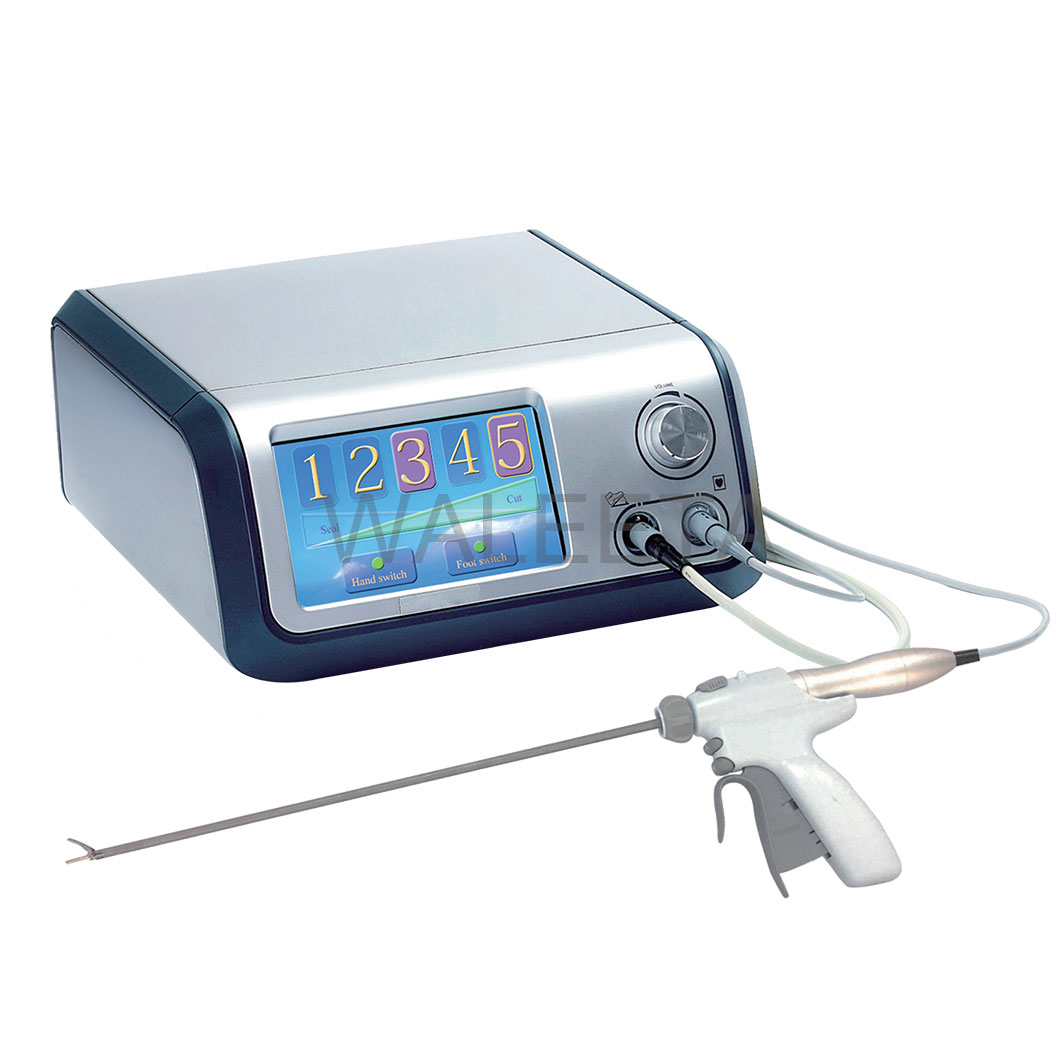 An educational visualization of the components in an electrosurgical energy pathway.
Monopolar and bipolar pathways
Most discussions of an electrosurgical unit begin with two pathways: monopolar and bipolar electrosurgery. In monopolar use, current travels from the active electrode at the surgical site through the patient and returns through a separate patient return electrode. This makes correct placement, contact quality, cable integrity, and the generator’s monitoring features important parts of the setup.
In bipolar electrosurgery, the active and return functions are incorporated at the surgical site, commonly in a bipolar instrument. The current path is therefore more localized between the instrument’s two poles. Bipolar use can be appropriate for particular surgical tasks, but it is not a substitute for procedure-specific clinical judgment. The choice between monopolar and bipolar operation should follow training, device labeling, procedure requirements, and the organization’s policies.
Why accessories matter as much as the generator
A surgical diathermy machine is only one part of an energy system. Electrosurgery equipment also includes active electrodes, handpieces, bipolar forceps, foot pedals, cables, adapters, smoke-management arrangements where applicable, and patient return electrodes for monopolar cases. A mismatch between an accessory and an electrosurgical generator can affect performance or introduce a safety concern, even when the front-panel settings appear correct.
For monopolar operation, the patient return electrode provides a broad return path so heat can dissipate safely. Poor contact, compromised placement, or an unsuitable application site can alter that pathway. Many operating room devices include return-electrode monitoring or alarms, but these functions support—not replace—correct setup and ongoing attention by trained personnel.
A workflow-based safety check
Before activation, a practical electrosurgical unit check can focus on the system rather than the generator alone:
- Confirm the intended procedure, energy mode, and authorized user workflow.
- Verify that the active accessory, cable, and compatible electrosurgical generator connection are correctly identified.
- For monopolar use, apply and verify the patient return electrode according to its instructions for use and facility policy.
- Check alarms, indicators, activation control, and cable routing before the sterile field becomes crowded.
- Keep the active electrode managed in an appropriate holder when it is not in use, and follow local fire-safety and smoke-management procedures.
These steps are educational, not a replacement for formal training, manufacturer instructions, or clinical policy. In particular, only qualified users should operate an electrosurgical unit during patient care.
Standards and procurement questions
For an operating-room evaluation, IEC 60601-2-2 is a relevant standard covering particular requirements for the basic safety and essential performance of high-frequency surgical equipment and accessories. A purchaser should request current, model-specific documentation rather than assuming that every surgical diathermy machine or accessory has the same regulatory status in every market.
When comparing operating room devices, ask which modes are needed, what accessories are supported, how alarms and return-electrode monitoring work, how preventive maintenance is handled, and what training documentation is supplied. This approach also helps distinguish an electrosurgical unit from other surgical energy devices that may use different energy sources or have different accessory requirements.
What to remember
An electrosurgical unit is a high-frequency surgical energy system, not a stand-alone box. Its clinical effect comes from the generator, waveform, active accessory, tissue interaction, current pathway, and operating-room workflow working together. Understanding those connections makes it easier to discuss electrosurgery equipment responsibly and to verify whether a proposed configuration fits the intended procedure.

 Hot News