 EN


How to Choose an X-Ray System for a Small Clinic
Choosing an x ray machine for a small clinic is less about finding the longest feature list and more about matching a system to the examinations, room, staff, and service resources you actually have. A compact clinic may need a straightforward radiography workflow, while a practice with varied referrals may need a broader range of studies. Start with the work you intend to perform, then turn that plan into configuration and acceptance questions.
This is a procurement framework, not clinical, engineering, or local regulatory advice. Requirements for an x ray machine can vary by country, region, facility type, and intended use, so involve the appropriate radiation-safety, medical-physics, clinical, and installation professionals early.
Start With the Clinic’s Imaging Workflow
Before comparing detectors, generators, or software, map a typical patient journey. Which body areas will be examined? How many studies are expected in a normal day? Will patients arrive from an adjacent consultation room, or is the imaging area shared with another service? Who positions patients, reviews images, and manages repeat studies? These answers define what the x ray machine must support.
For a small clinic, useful requirements often include:
- the planned examination mix and patient mobility needs;
- available floor area, door clearances, electrical supply, and room shielding assumptions;
- the intended imaging workflow, including image review, storage, and transfer;
- staff training needs for positioning, exposure selection, daily checks, and escalation; and
- how downtime, service visits, and replacement parts would be handled.
A higher specification does not automatically mean a better fit. If additional functions add training or workflow complexity without solving a defined task, they may make routine use harder. The key question is whether each capability supports the clinic’s own workflow.
Translate Needs Into a System Configuration
Choose the modality and room layout together
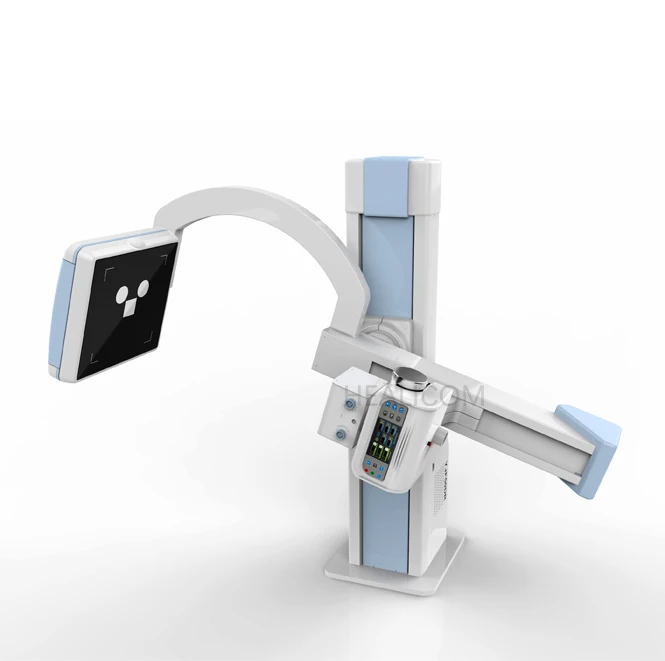
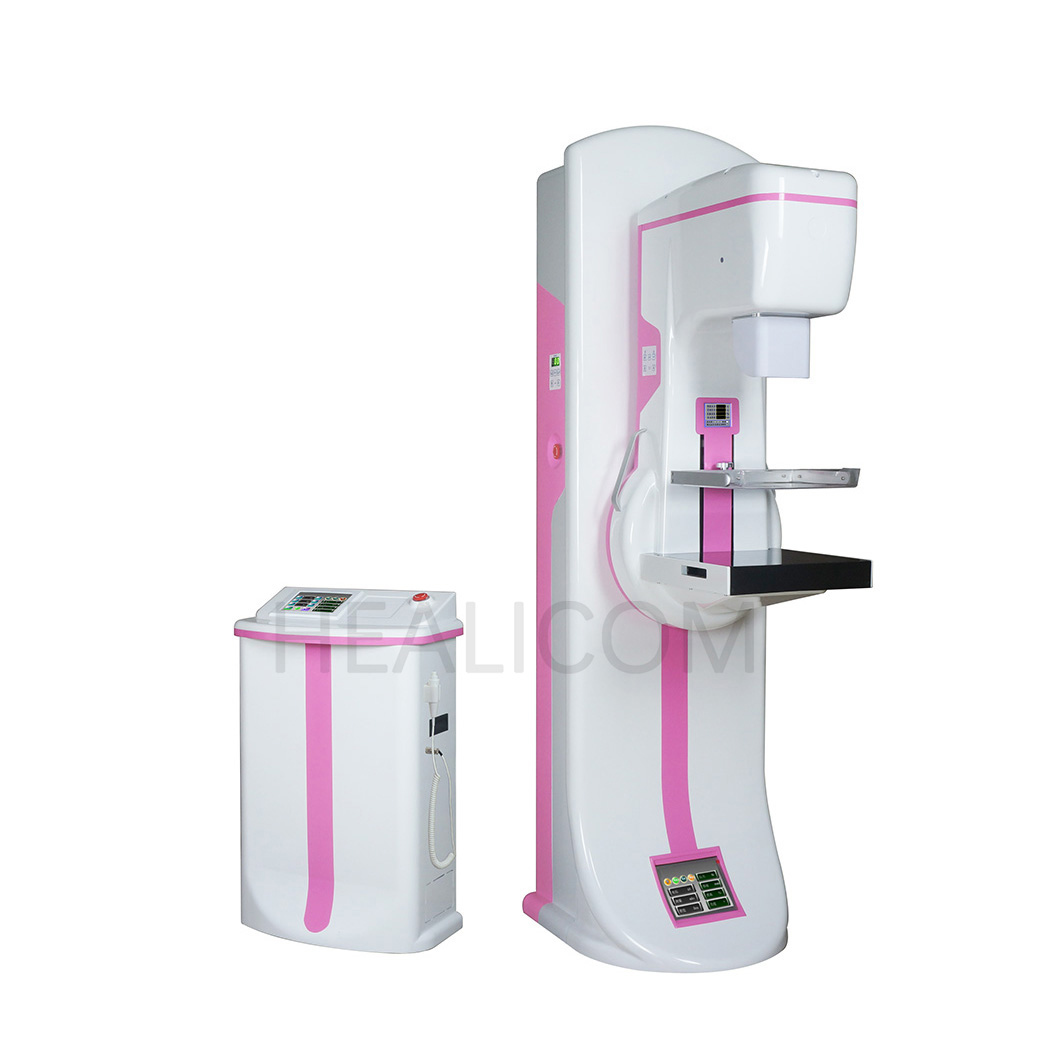
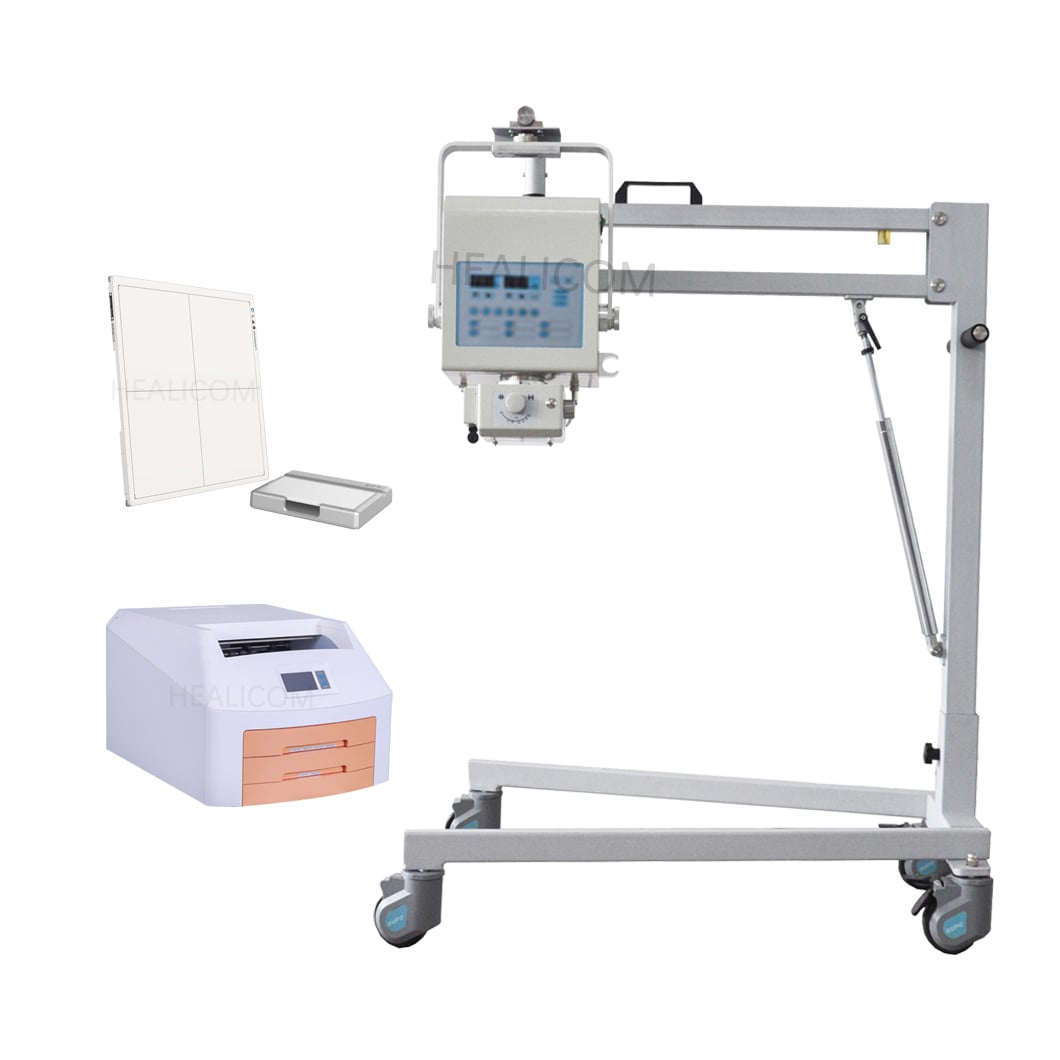
Decide whether the planned work calls for a fixed room system, a compact floor-mounted arrangement, or another configuration permitted for the clinical setting. The x ray machine should be evaluated with the room rather than after room decisions are fixed. Tube travel, table or wall-stand placement, patient transfer space, operator location, cable routes, and service access can all affect whether a layout is workable.
X-ray room installation should therefore begin with a verified site survey and a responsibility list. Ask which party supplies drawings, confirms utilities and shielding, coordinates delivery access, and signs off readiness. Do not assume a generic room plan applies to your site; local rules and a qualified assessment determine the applicable requirements.
Evaluate image acquisition and review as one workflow
Digital acquisition may simplify image handling, but it still needs a defined process for patient identification, image review, storage, and retrieval. During demonstrations, use a realistic clinic scenario: register a patient, select an exam, position safely, acquire an image, review it, and confirm where it is stored. This exposes questions that a brochure may not answer, such as user permissions, workstation ergonomics, network dependencies, and recovery steps after an interruption.
Ask the supplier to identify the configuration boundaries in writing. For example, clarify what is included for the detector, workstation, software options, accessories, installation, training, and post-installation support. This makes comparisons more meaningful than comparing headline specifications alone.
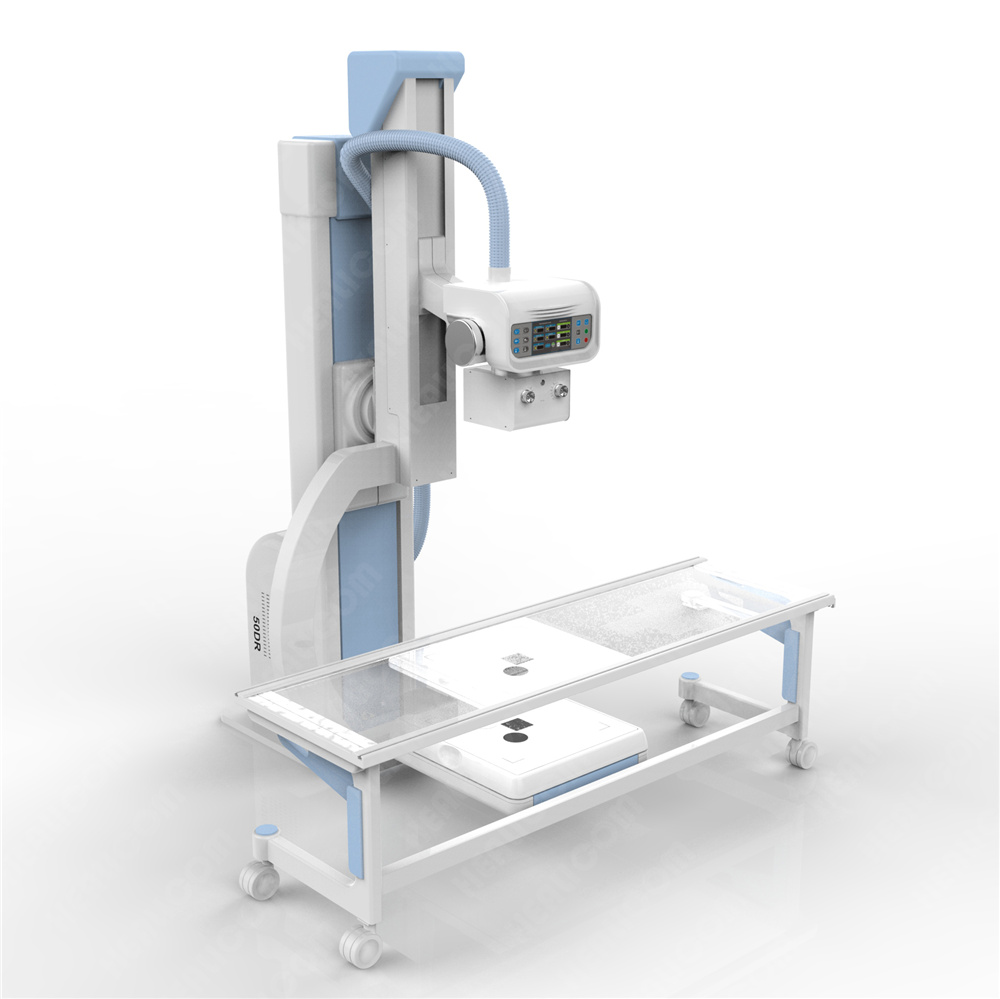 Room planning should connect workflow, site readiness, and acceptance responsibilities.
Make Quality Assurance a Buying Requirement
Radiography quality assurance is not an activity to add after delivery. It starts when the clinic writes the specification and continues through installation, acceptance, commissioning, and routine performance checks. IAEA quality-management guidance describes these stages as part of an equipment QA program; the local team should adapt the plan to applicable requirements and professional oversight.
For the x ray machine, request a documented acceptance plan before purchase. It should identify who verifies the delivered configuration, what baseline measurements or image-quality checks are recorded, which safety and functional checks are required, and how results are retained. The FDA describes radiation-safety performance standards for diagnostic X-ray systems and major components in the United States; clinics elsewhere should confirm the rules that apply in their own market.
A practical QA discussion includes:
- acceptance and commissioning responsibilities;
- baseline records for later comparison;
- routine test intervals and escalation routes;
- software-update and detector-replacement procedures; and
- the clinic’s access to service documentation and support contacts.
In other words, do not ask only whether a feature exists. Ask how it will be verified after installation and who owns the follow-up action when results fall outside the agreed process.
Compare Suppliers Beyond the Quote
An X-ray machine supplier should be able to explain the scope of supply, pre-installation information needed, delivery sequence, training approach, service coverage, and evidence available for the proposed configuration. For cross-border purchases, clarify document requirements and handoffs before placing an order rather than treating them as a late administrative task.
Use one comparison sheet for every candidate. Include the clinic requirements in the first column, then record the proposed configuration, exclusions, evidence to review, responsible party, and open questions. This approach keeps medical imaging procurement focused on fit and verification instead of a single upfront price.
| Decision area | Questions to confirm |
|---|---|
| Clinical fit | Which examinations and patient conditions are in scope? |
| Room readiness | What site, utility, shielding, and delivery conditions must be met? |
| Configuration | Which components and software options are included or excluded? |
| Quality plan | Who performs acceptance, records baselines, and schedules routine checks? |
| Support | What training, response process, maintenance plan, and parts pathway are documented? |
Plan the Full Cost and Timeline
The quoted equipment price is only one part of the decision. Build a project budget that separates the x ray machine, room preparation, electrical work, shielding review, delivery, installation, training, integration, acceptance activities, maintenance, and contingency items. The exact categories depend on the site, but writing them down prevents a missing responsibility from appearing late in the project.
Likewise, set milestones for site survey, room readiness confirmation, configuration sign-off, delivery, installation, acceptance, staff training, and go-live. A clinic should not compress installation and acceptance checks merely to meet a preferred opening date. Those steps establish whether the system and the room are ready for the intended workflow.
A Short Pre-Purchase Checklist
- Define the examination mix, patient flow, staffing, and expected workload.
- Confirm room feasibility with qualified local professionals before finalizing the x ray machine configuration.
- Request an itemized scope from each supplier, including exclusions and responsibilities.
- Compare image workflow, service process, training, and integration needs in a live scenario.
- Agree on acceptance, commissioning, documentation, and routine QA responsibilities before ordering.
- Keep local regulatory, radiation-safety, and clinical review as explicit approval checkpoints.
Choose for Verifiable Fit, Not for a Generic Ranking
A suitable x ray machine is the one whose documented configuration, room plan, support model, and quality process fit the clinic’s intended work. Begin with the workflow, confirm the installation conditions, and make acceptance testing part of the procurement record. That sequence gives the clinical, engineering, and purchasing teams a shared basis for a careful decision.
 Hot News

