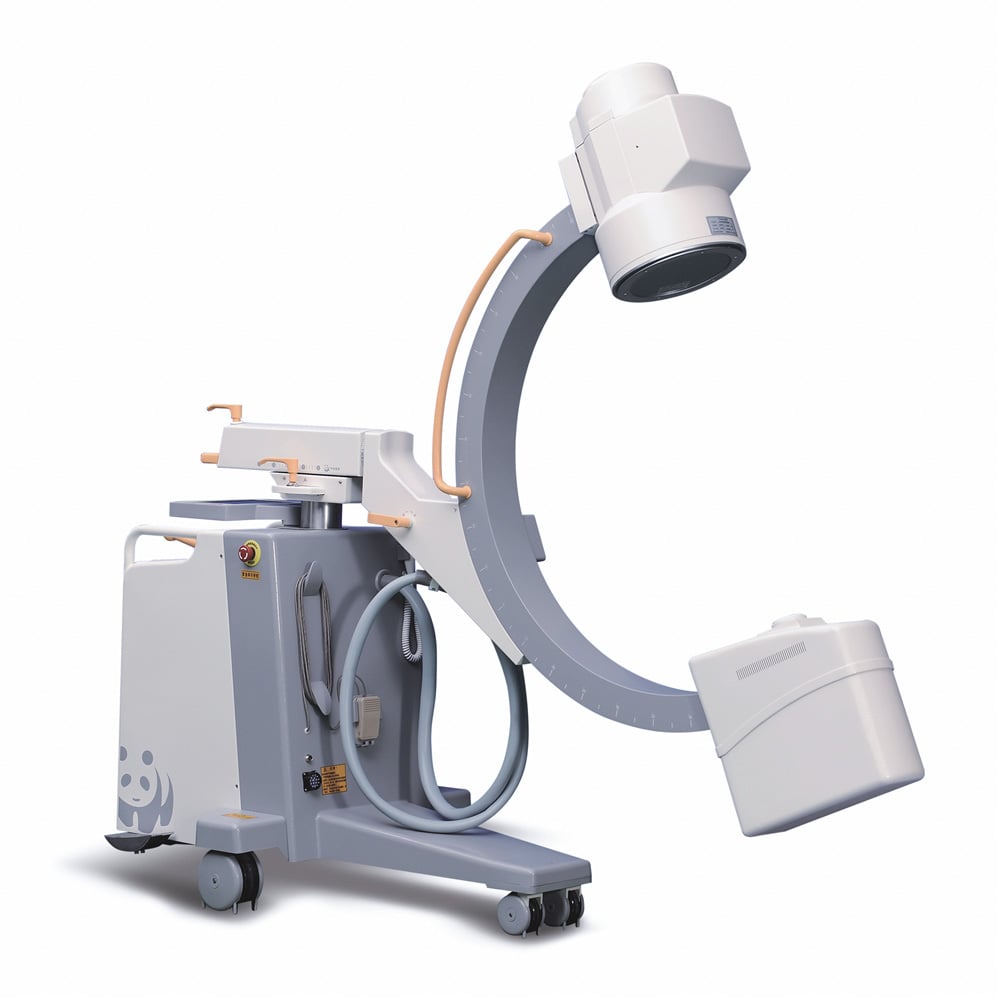
Minimally invasive surgery has revolutionized modern medicine, letting doctors treat complex conditions with smaller incisions, less pain and faster recovery. At the heart of this progress is the C arm machine, also known as carm, a versatile imaging tool that provides real-time visuals during procedures. Unlike traditional imaging equipment that requires moving patients or pausing surgery, the C arm machine stays in the operating room, delivering instant, high-quality images to guide surgeons every step of the way. From orthopedics and neurosurgery to cardiology and pain management, this device has become indispensable for minimally invasive procedures. Let’s explore how the C arm machine enhances surgical precision and patient outcomes.
Delivers Real-Time Imaging for Precise Guidance
The most critical advantage of a C arm machine is its ability to provide real-time imaging, which is a game-changer for minimally invasive surgery. Surgeons can’t see inside the body directly through small incisions, but the carm solves this by generating live X-ray images displayed on a high-definition monitor. As the surgeon moves instruments, adjusts positions or places implants, the C arm machine updates the images instantly, showing exactly where the tools are relative to bones, organs and tissues. This real-time guidance eliminates guesswork, ensuring each movement is precise and targeted. For example, in fracture repair, the carm lets surgeons check if screws or plates are properly aligned while they work, avoiding mistakes that could require follow-up surgery. This level of precision is what makes minimally invasive procedures safe and effective.
Compact Design Adapts to Various Surgical Settings
Another key benefit of the C arm machine is its compact, flexible design that fits seamlessly into different surgical environments. The device gets its name from its C-shaped arm, which can be rotated, tilted and positioned around the patient without disrupting the surgical setup. Whether it’s a small clinic operating room or a large hospital suite, the carm’s sleek design takes up minimal space while offering maximum maneuverability. It can be easily moved between rooms to support multiple procedures, from joint replacements to vascular interventions. The lightweight yet sturdy build also means it can be adjusted quickly during surgery, letting surgeons get the exact angle they need for clear imaging. This adaptability makes the C arm machine a versatile tool that works for a wide range of minimally invasive specialties.
Reduces Radiation Exposure for Patients and Staff
Radiation safety is a top concern in imaging-guided surgery, and the C arm machine is designed with features to minimize exposure. Modern carm models use advanced technology to deliver high-quality images with lower radiation doses compared to traditional X-ray equipment. The C-shaped arm’s design allows for precise beam targeting, focusing radiation only on the area being treated rather than exposing the entire body. Many machines also have built-in shielding and dose-monitoring tools that alert staff if radiation levels exceed safe limits. For surgeons, nurses and technicians who work with the device regularly, these safety features reduce long-term radiation exposure risks. For patients, lower radiation doses mean a safer procedure without compromising image quality—an essential balance for minimally invasive surgery.
Supports a Wide Range of Minimally Invasive Procedures
The C arm machine’s versatility makes it suitable for countless minimally invasive procedures across medical specialties. In orthopedics, it guides joint replacements, spinal surgeries and fracture fixations. In cardiology, the carm helps with angioplasties, stenting and pacemaker placements by visualizing blood vessels and heart structures. Neurosurgeons use it for procedures like brain tumor biopsies and spinal cord stimulator implants, while pain management specialists rely on it for nerve blocks and epidural injections. Even in emergency settings, the C arm machine is invaluable for quick, image-guided interventions like stabilizing trauma patients. Its ability to adapt to different procedures means hospitals and clinics can invest in one tool that supports multiple departments, making it a cost-effective and efficient addition to any surgical team.
Improves Patient Outcomes with Faster Recovery and Fewer Complications
By enabling precise, minimally invasive surgery, the C arm machine directly improves patient outcomes. The real-time guidance ensures surgeries are less traumatic—smaller incisions mean less blood loss, reduced tissue damage and lower risk of infection. Patients who undergo procedures guided by a carm typically experience less postoperative pain, shorter hospital stays and faster recovery times compared to open surgery. For example, a patient getting a minimally invasive knee replacement with carm guidance may be walking within days, while open surgery could require weeks of rehabilitation. Fewer complications also mean lower readmission rates and better long-term results. For many patients, the C arm machine makes complex surgeries more accessible and less intimidating, offering a path to recovery that’s safer and more comfortable.
In conclusion, the C arm machine is a cornerstone of minimally invasive surgery, providing real-time imaging, flexible design, radiation safety, versatility and improved patient outcomes. As medical technology advances, carm models continue to become more advanced, with higher resolution imaging, better mobility and enhanced safety features. For surgeons, it’s a tool that expands their capabilities, letting them perform complex procedures with confidence. For patients, it’s a lifeline that reduces the risks and discomfort of surgery while speeding up healing. Whether in a small clinic or a major hospital, the C arm machine is changing the face of minimally invasive care, proving that real-time imaging isn’t just a convenience—it’s a critical component of modern, patient-centered medicine.
 Hot News
 EN
EN