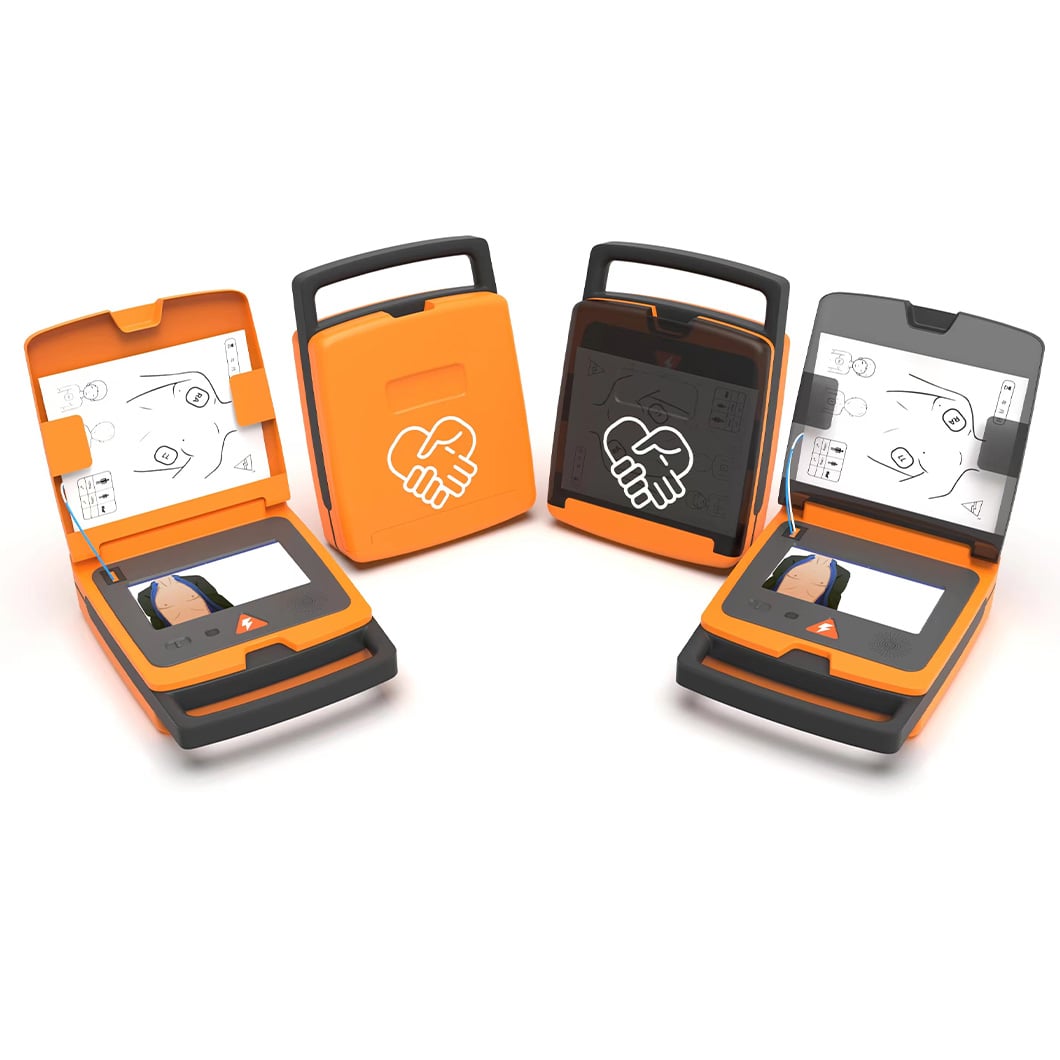
Cardiac arrest can happen suddenly anywhere—on the street, in offices, or at public events—and every second counts for survival. An automated external defibrillator is a life saving device that can restore a normal heartbeat by delivering an electric shock to the heart. Unlike professional medical equipment, an automated external defibrillator is designed for anyone to use, even without medical training. But using it correctly is crucial to maximize the chance of saving a life. From checking the patient to administering the shock, following the right steps ensures safe and effective use. Let’s break down the key steps to use an automated external defibrillator properly.
Assess the Scene and the Patient First
Before using an automated external defibrillator, you must first assess the situation and the patient’s condition. Ensure the scene is safe for both you and the patient—move them away from water, power sources, or traffic if possible. Tap the patient gently and shout loudly to check if they are responsive. If they don’t react, check their breathing—look for chest movements, listen for breaths, and feel for airflow for no more than 5 to 10 seconds. If the patient is unresponsive and not breathing or only gasping, call emergency services immediately and ask someone nearby to fetch the nearest automated external defibrillator. While waiting for the device, start performing cardiopulmonary resuscitation (CPR) to keep blood flowing to the brain and vital organs. This initial assessment and action lay the foundation for successful defibrillation.
Turn On the Automated External Defibrillator and Follow Voice Instructions
Once you have the automated external defibrillator, turn it on by opening the case or pressing the power button. Most models are equipped with clear voice prompts and visual guides that walk you through every step—this is especially helpful for first time users. Listen carefully to the instructions and follow them closely. The device will guide you through placing the pads, checking the patient’s heart rhythm, and administering the shock if needed. Do not interrupt the voice prompts unless there is an emergency. Keep the automated external defibrillator near the patient’s chest throughout the process, and make sure no one touches the patient while the device is analyzing the heart rhythm or delivering a shock. Following the voice instructions ensures you don’t miss any critical steps and use the device correctly.
Apply the Pads Correctly to the Patient’s Chest
Proper pad placement is essential for the automated external defibrillator to work effectively. First, remove any clothing from the patient’s chest—cut through thick clothing if necessary. Wipe the chest dry if it’s sweaty or wet, as moisture can affect the pads’ adhesion and the shock’s effectiveness. Take the two pads provided with the automated external defibrillator and peel off the backing. Place one pad on the upper right side of the patient’s chest, just below the collarbone. Place the other pad on the lower left side of the chest, along the ribcage. For infants and children, use pediatric pads if available—place one pad on the front of the chest and the other on the back to avoid overlapping. Ensure the pads are firmly pressed against the skin, with no gaps or wrinkles. If the patient has a pacemaker or implantable defibrillator, place the pads at least 2.5 centimeters away from the device.
Administer the Shock and Continue CPR
After placing the pads, the automated external defibrillator will automatically analyze the patient’s heart rhythm. During this analysis phase, it’s crucial that no one touches the patient—even a light touch can interfere with the reading. The device will either advise delivering a shock or indicate that no shock is needed. If a shock is recommended, the automated external defibrillator will prompt you to press the shock button. Before pressing it, loudly announce “Clear!” to ensure everyone is away from the patient. Press the shock button immediately once confirmed. After the shock is delivered, the automated external defibrillator will instruct you to resume CPR. Continue with chest compressions and rescue breaths at a ratio of 30:2 until emergency medical personnel arrive and take over, or until the patient shows signs of life such as breathing or moving. Do not stop CPR unless the patient fully recovers or professional help arrives.
Post Shock Care and Device Maintenance
After emergency medical personnel take over, provide them with details about the patient’s condition, the time CPR started, and how many shocks were delivered with the automated external defibrillator. Properly clean and maintain the device after use to ensure it’s ready for the next emergency. Wipe the pads’ contact points if they are dirty, and replace used pads and batteries as soon as possible. Store the automated external defibrillator in its designated case in a easily accessible location, away from extreme temperatures and moisture. Regularly check the device’s status indicator—most automated external defibrillators have a light or display that shows if the battery and pads are in good condition. Some models also require periodic self tests to ensure functionality. Proper maintenance ensures the automated external defibrillator is reliable when another emergency occurs.
In conclusion, using an automated external defibrillator correctly involves assessing the patient, following voice instructions, applying pads properly, administering shocks, and providing post shock care. This device is designed to be user friendly, but knowing the right steps can make a life or death difference. Everyone should familiarize themselves with how to use an automated external defibrillator, as you never know when you might need to save a life. With proper use, an automated external defibrillator significantly increases the survival rate of cardiac arrest patients, making it an indispensable tool in public spaces, workplaces, and communities.
 Hot News
 EN
EN