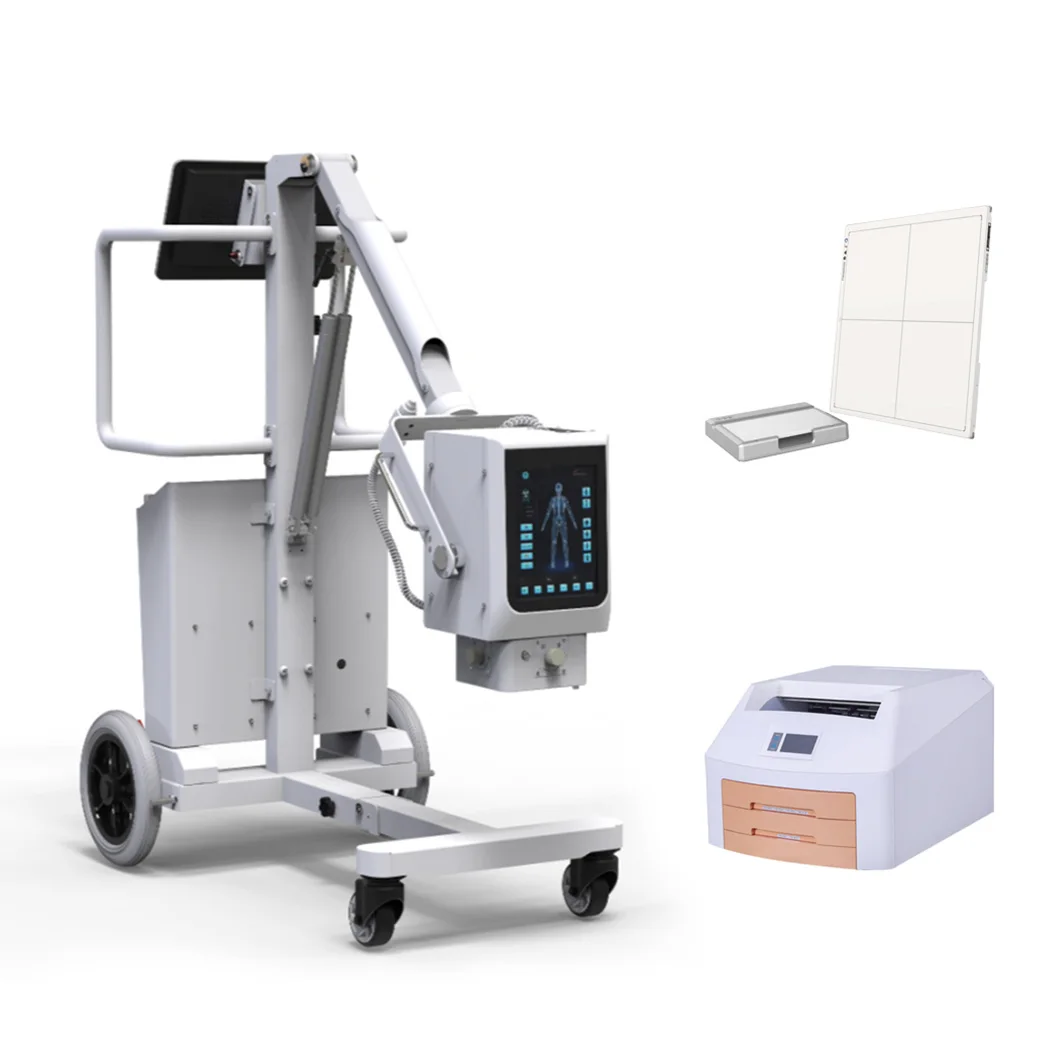
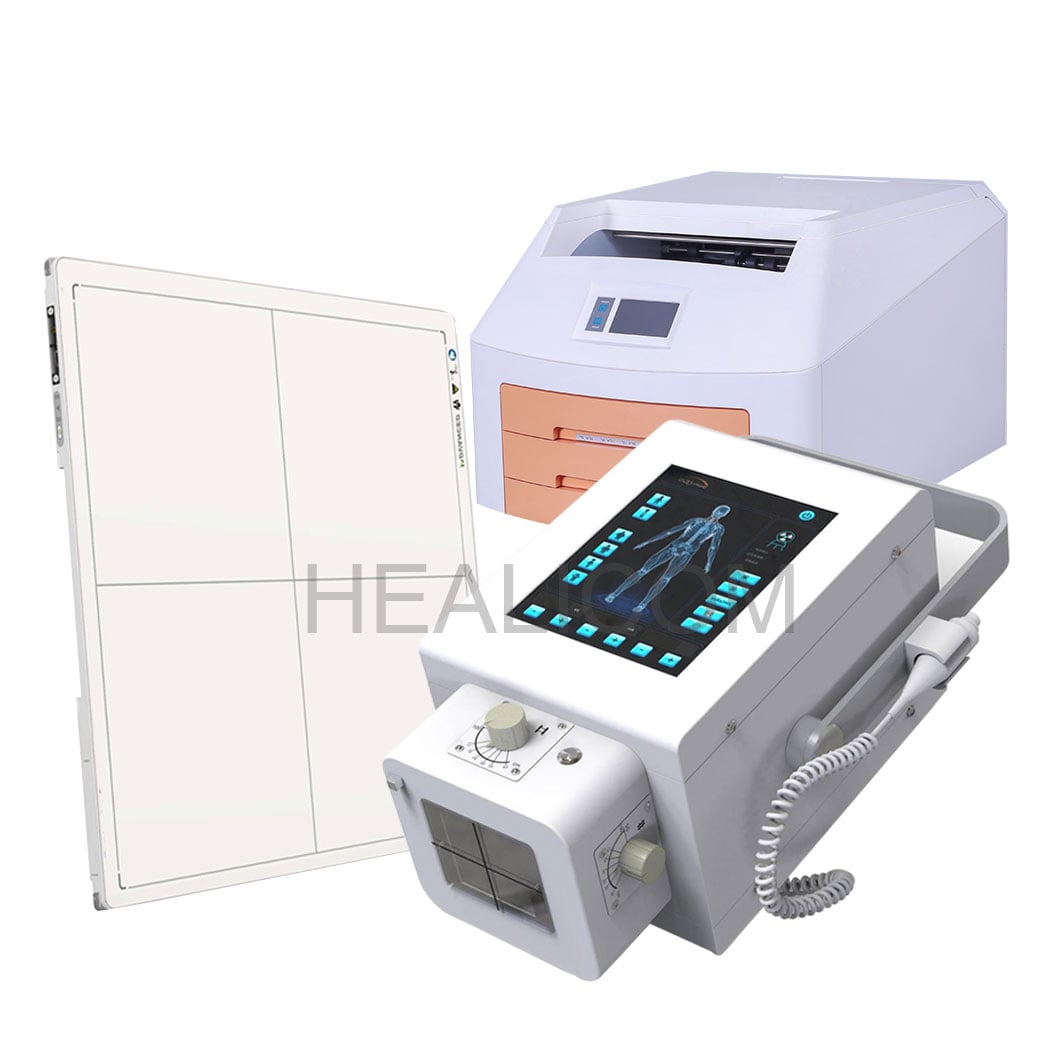
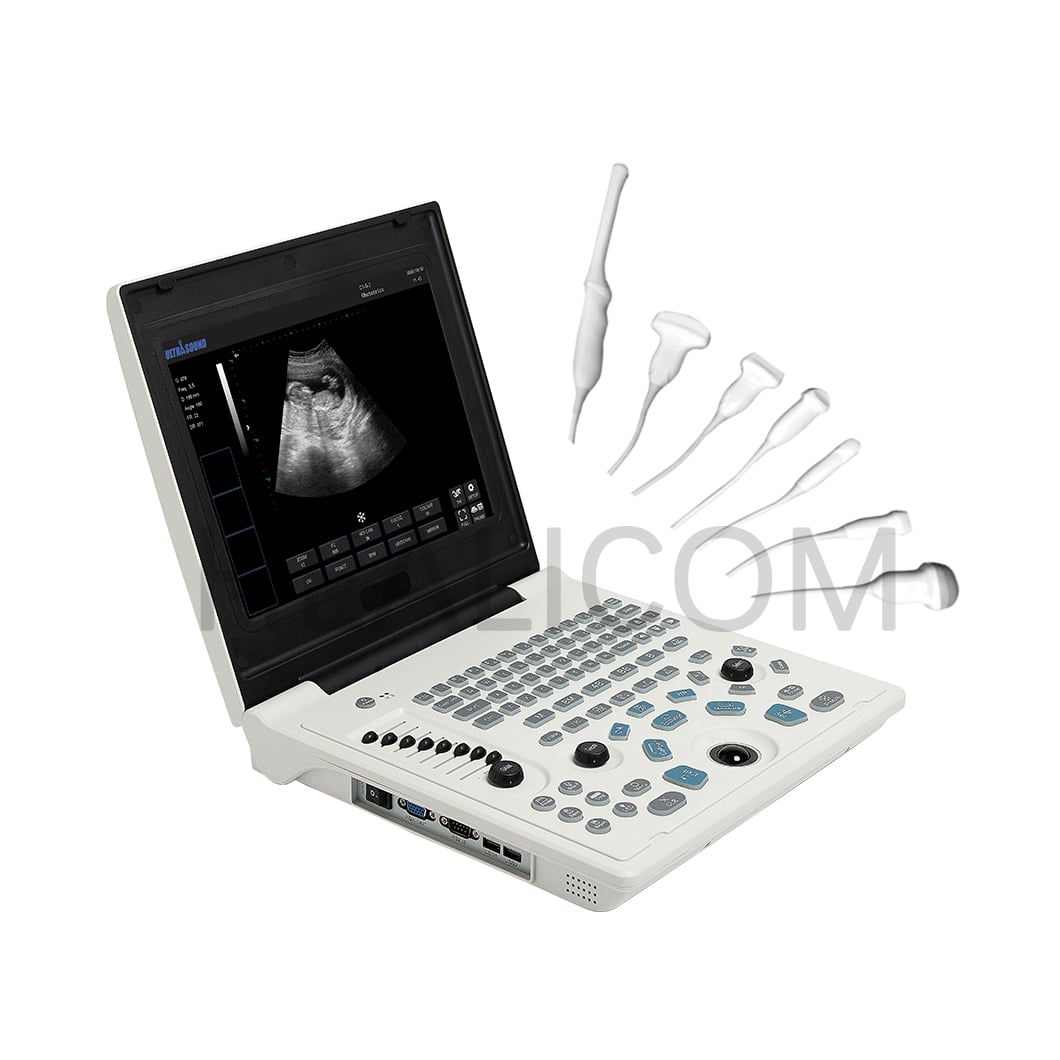
Portable ultrasound scan machines have become indispensable tools in medical settings—from clinics in remote areas to emergency rooms and home healthcare. Their ability to provide on-the-go imaging makes them invaluable, but image resolution is a key factor that directly impacts diagnostic accuracy. Choosing the right resolution isn’t a one-size-fits-all decision; it depends on the intended use, patient population, and clinical needs. Too low a resolution may miss subtle abnormalities, while excessively high resolution can drain battery life and complicate usability. Let’s explore the optimal image resolution for a portable ultrasound scan machine and the factors that influence this choice.
Basic Resolution Requirements for General Clinical Use
For most general clinical applications, a portable ultrasound scan machine should have a resolution that balances clarity and practicality. A minimum of 640x480 pixels (VGA) is considered the baseline for basic imaging tasks like abdominal scans, obstetric checkups, and vascular assessments. This resolution is sufficient to visualize major organs, fetal development, and large blood vessels, making it suitable for primary care clinics and field medical work. However, for more detailed evaluations—such as detecting small lesions or assessing soft tissue structures—a resolution of 800x600 pixels (SVGA) is preferable. This mid-range resolution provides clearer edges and finer details without significantly increasing the device’s size or power consumption, which is crucial for maintaining portability. Most healthcare providers opt for this mid-tier resolution as it meets the needs of 80% of clinical scenarios.
Higher Resolution for Specialized Clinical Scenarios
Certain specialized medical fields demand higher resolution to ensure accurate diagnosis. For example, in musculoskeletal imaging—where assessing tendons, ligaments, and small joints is critical—a portable ultrasound scan machine should have a resolution of 1024x768 pixels (XGA) or higher. This level of detail allows doctors to identify tiny tears, inflammation, or foreign bodies that lower resolutions might obscure. Similarly, pediatric and ophthalmic ultrasound require higher resolution to visualize delicate structures in small patients. A resolution of 1280x1024 pixels (SXGA) is ideal for these cases, as it delivers sharp, detailed images that help distinguish normal from abnormal tissue. While higher resolution increases the device’s cost and may slightly reduce battery life, it’s non-negotiable for specialized practices where diagnostic precision is paramount.
Resolution Considerations for Point-of-Care and Emergency Use
In point-of-care settings like emergency rooms or home visits, a portable ultrasound scan machine needs a resolution that supports quick, accurate decisions. Here, 800x600 pixels is often the sweet spot—it provides enough clarity to assess conditions like fluid accumulation, organ enlargement, or cardiac function without slowing down the device. Emergency scenarios require fast image acquisition, and excessively high resolution can lead to longer processing times, which could delay treatment. Additionally, portability is key in these settings, so a balance between resolution and device weight/battery life is essential. A portable ultrasound scan machine with 800x600 pixels resolution offers the right mix of speed and clarity, allowing clinicians to make timely diagnoses while moving between patients or locations.
Resolution vs. Portability and Battery Life
When choosing resolution for a portable ultrasound scan machine, it’s important to consider the trade-off with portability and battery life. Higher resolution requires more processing power, which typically leads to a larger device and shorter battery life. For example, a 1280x1024 pixels machine may last only 2-3 hours on a single charge, while an 800x600 pixels model can run for 4-6 hours. This is a critical factor for healthcare providers working in areas with limited power access, such as rural clinics or disaster zones. Manufacturers address this by using advanced compression technology and energy-efficient processors, but the trade-off still exists. The goal is to select a resolution that meets clinical needs without sacrificing the portability that makes the device useful. For most mobile settings, 800x600 to 1024x768 pixels is the optimal range—offering enough detail without compromising usability.
Industry Standards and Certification for Resolution
Reputable portable ultrasound scan machine manufacturers adhere to international standards that regulate image resolution and quality. Devices certified by ISO and CE must meet minimum resolution requirements to ensure diagnostic reliability. For example, ISO 13485, a standard for medical device quality management, mandates that portable ultrasound scan machines provide consistent, high-quality images for clinical use. Most certified devices offer resolutions ranging from 800x600 to 1280x1024 pixels, as these meet the standards for both general and specialized use. Additionally, clinical validation studies often confirm that resolutions in this range are sufficient to detect common abnormalities with accuracy comparable to stationary ultrasound machines. When purchasing a portable ultrasound scan machine, checking for these certifications ensures that the resolution is not only technically sufficient but also clinically validated.
In conclusion, the ideal image resolution for a portable ultrasound scan machine depends on clinical application, with 800x600 pixels being the most versatile choice for general use. Specialized fields require higher resolution (1024x768 to 1280x1024 pixels), while point-of-care and emergency settings prioritize a balance between resolution, portability, and battery life. By aligning resolution with intended use and adhering to industry standards, healthcare providers can ensure their portable ultrasound scan machine delivers accurate, reliable images while maintaining the mobility that makes it a vital tool. As technology advances, portable ultrasound scan machines continue to offer higher resolution in smaller, more energy-efficient designs, further expanding their utility in diverse medical settings.
 Hot News
 EN
EN