Core Functions and Technical Configuration Impact on Infant Incubator Price
The core functions and technical configuration are the most direct factors affecting infant incubator price. A basic infant incubator mainly provides a stable temperature environment, while high end models come with multiple advanced functions that push the price up. For example, precise temperature and humidity control systems that can maintain constant conditions within 0.1 degrees Celsius are more expensive than ordinary control systems. Some premium infant incubators also have oxygen supply regulation, CO2 monitoring, and neonatal jaundice treatment functions, which require more complex components and technology. The quality of sensors and monitors is another key point. High precision sensors that can instantly detect changes in the infant’s vital signs and display data clearly on high resolution screens will increase production costs, thus affecting the final infant incubator price. Clinics and hospitals need to choose models with appropriate functions based on their service scope, as more functions usually mean a higher infant incubator price.
Brand Reputation and Quality Certification’s Role in Infant Incubator Price
Brand reputation and quality certification have a significant impact on infant incubator price. Well known medical equipment brands with years of experience in the industry, like those specializing in one stop hospital solutions, often charge higher prices for their infant incubators. This is because these brands invest heavily in research and development, quality control, and after sales service to ensure product reliability. Their infant incubators are usually certified by international standards such as ISO and CE, which require meeting strict quality and safety requirements. The certification process itself adds to the cost, which is reflected in the infant incubator price. In contrast, less known brands may offer lower prices but may lack comprehensive quality testing and certification. For medical institutions, choosing a certified brand’s infant incubator means better safety guarantees for newborns, so many are willing to pay a premium for reliable brands. This is why brand strength has become an important factor determining infant incubator price.
Material Quality and Safety Standards Affecting Infant Incubator Price
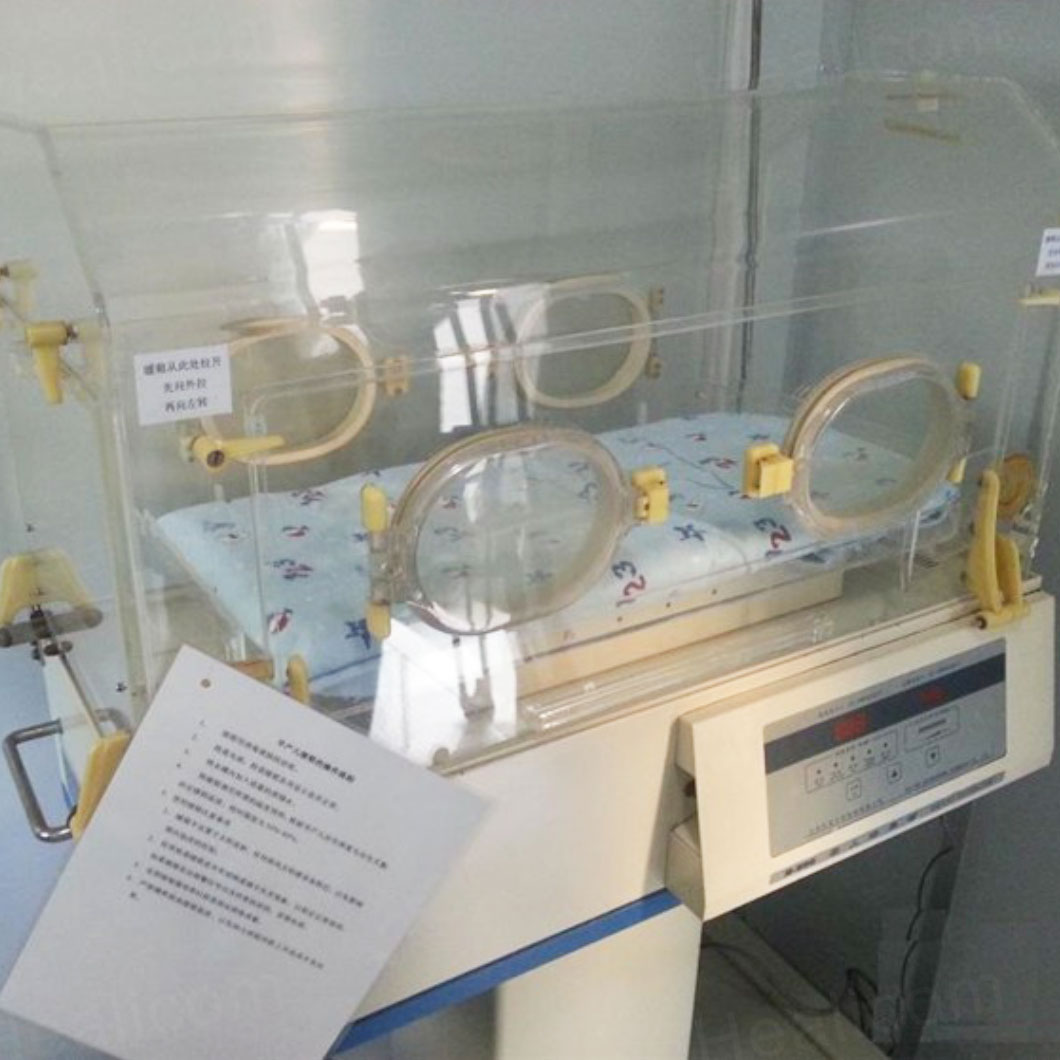
The quality of materials used in infant incubators directly relates to safety and durability, thus influencing the infant incubator price. High quality infant incubators use non toxic, hypoallergenic materials that are easy to clean and disinfect, which is crucial for preventing cross infection in newborns. The transparent cover, for example, is usually made of high strength medical grade acrylic that is shatterproof and has good light transmission, which is more expensive than ordinary plastic. The internal mattress and padding are made of breathable, moisture wicking fabrics that are gentle on the infant’s delicate skin. Additionally, infant incubators must comply with strict safety standards, such as having anti tip designs, emergency stop buttons, and backup power supplies. Meeting these safety requirements requires using high quality components and undergoing rigorous testing, which increases production costs and ultimately affects the infant incubator price. Medical institutions prioritize material safety when purchasing, so they are willing to accept a higher price for infant incubators made of premium materials.
After Sales Service and Technical Support’s Influence on Infant Incubator Price
After sales service and technical support are often overlooked factors that affect infant incubator price. Reputable medical equipment suppliers provide comprehensive after sales services, including installation guidance, operation training, regular maintenance, and timely repair services. These services require the supplier to have a professional technical team and a global service network, which adds to their operational costs and is included in the infant incubator price. For example, suppliers that respond to maintenance requests within 12 hours and provide on site support will charge a higher price than those with delayed service. Some suppliers also offer extended warranties, which give medical institutions peace of mind but also increase the infant incubator price. Medical institutions rely heavily on infant incubators for neonatal care, so reliable after sales service is essential to ensure uninterrupted use. This is why many are willing to pay more for an infant incubator that comes with good technical support and after sales service.
Market Demand and Supply Chain Factors Impacting Infant Incubator Price
Market demand and supply chain conditions also play a role in determining the infant incubator price. When there is a surge in demand for infant incubators, such as during public health emergencies, prices may rise due to insufficient supply. On the other hand, when the market is saturated with multiple suppliers competing, prices may become more competitive. The supply chain also affects costs: fluctuations in the prices of raw materials like medical grade plastics, electronic components, and sensors will directly impact the production cost of infant incubators, leading to changes in the infant incubator price. Transportation costs, especially for international shipments, can also add to the final price, especially for suppliers that export to regions like Africa, Latin America, and Southeast Asia. Additionally, import tariffs and local regulatory fees in different countries may increase the cost of infant incubators in specific markets. Medical institutions need to consider these market and supply chain factors when budgeting for an infant incubator, as they can significantly affect the final purchase price.
 Hot News
 EN
EN