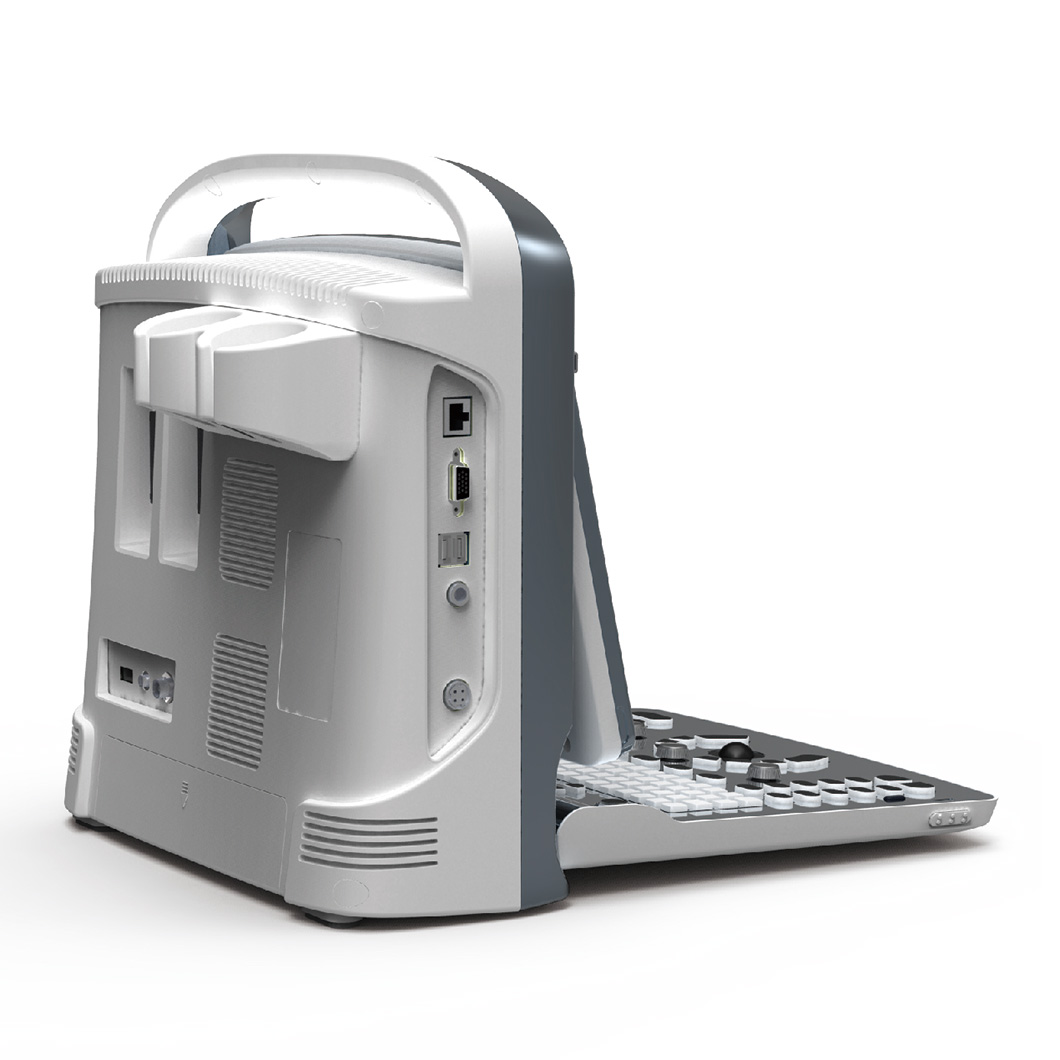
Portable ultrasound devices have become essential tools in modern healthcare, bringing diagnostic imaging to remote clinics, emergency scenes, and bedside care. Beyond clear imaging and portability, connectivity features are now a key factor in their usability—enabling seamless data sharing, remote collaboration, and integration with healthcare systems. The right connectivity transforms a standalone portable ultrasound device into a connected tool that enhances workflow efficiency, improves diagnostic accuracy, and ensures continuity of care. From wireless data transfer to remote access, let’s explore the must-have connectivity features for portable ultrasound devices.
Wireless Data Transfer (Wi-Fi and Bluetooth)
Wireless connectivity is a foundational feature for portable ultrasound devices, eliminating the hassle of cables and enabling quick data sharing. Built-in Wi-Fi allows the device to connect to hospital networks, cloud storage, or mobile hotspots, letting clinicians instantly send ultrasound images and reports to electronic health record (EHR) systems. This means no more manually transferring files via USB drives, reducing administrative time and the risk of data loss. Bluetooth connectivity complements Wi-Fi by enabling direct pairing with nearby devices—such as printers for on-the-spot image printing, tablets for easy viewing, or wireless probes for greater flexibility during scans. For example, in a rural clinic without wired internet, a portable ultrasound device can connect to a smartphone’s hotspot via Wi-Fi to upload images to a central EHR. Wireless transfer ensures that critical patient data is shared promptly, supporting faster treatment decisions and better care coordination.
Cloud Storage and Integration with EHR Systems
Integration with cloud storage and EHR systems is a game-changer for portable ultrasound devices, ensuring patient data is accessible and secure. Cloud connectivity allows clinicians to store ultrasound images, videos, and reports in encrypted cloud servers, eliminating the need for local storage and reducing the risk of device loss or damage leading to data breaches. Authorized healthcare providers can access these files from any location, making it easy to consult specialists or review patient history during follow-up visits. Seamless integration with EHR systems is equally important—portable ultrasound devices should be able to directly upload data to a patient’s electronic record, ensuring all diagnostic information is centralized and up-to-date. This integration avoids duplicate data entry, reduces errors, and helps clinicians build a complete picture of a patient’s health. For example, a paramedic using a portable ultrasound device at an accident scene can upload images to the cloud, allowing ER doctors to review them before the patient arrives, saving valuable time.
Remote Collaboration and Telemedicine Support
Telemedicine has become increasingly vital in healthcare, and portable ultrasound devices need connectivity features to support remote collaboration. With live streaming capabilities over Wi-Fi or 4G/5G, clinicians can share real-time ultrasound scans with remote specialists, who can provide immediate guidance during procedures. This is particularly valuable in underserved areas where on-site specialists are scarce—for instance, a general practitioner in a small town can consult a radiologist via a portable ultrasound device to confirm a diagnosis. Some advanced portable ultrasound devices also offer two-way audio and video calls, enabling face-to-face communication between the on-site clinician and the remote specialist. Additionally, screen sharing allows specialists to annotate images in real time, pointing out key details to the on-site team. This connectivity bridges the gap between local care and specialized expertise, ensuring patients receive high-quality diagnosis regardless of their location.
USB and Wired Connectivity for Versatility
While wireless is essential, wired connectivity options remain important for portable ultrasound devices, offering reliability in areas with poor wireless signals or for high-volume data transfer. USB ports (USB-C or USB 3.0) allow direct connection to computers, external hard drives, or printers, providing a backup for data transfer when wireless isn’t available. For example, in a disaster zone with no internet, a clinician can save images to an external drive via USB for later analysis. Some portable ultrasound devices also feature Ethernet ports for wired network connection, offering a stable and fast link to hospital systems in clinical settings. Wired connectivity is also useful for device updates—clinicians can connect the portable ultrasound device to a computer to install software upgrades, ensuring the device has the latest features and security patches. By combining wireless and wired options, portable ultrasound devices offer versatility, adapting to different clinical environments and connectivity needs.
Data Security and Compliance Features
With increased connectivity comes the need for robust data security—critical for portable ultrasound devices handling sensitive patient information. Must-have security features include end-to-end encryption for all data transfers (wireless and wired), ensuring that images and reports can’t be intercepted or accessed by unauthorized users. The device should also support user authentication (such as passwords, biometrics, or smart card access) to control who can operate it or access patient data. Compliance with healthcare regulations (like HIPAA in the US or GDPR in the EU) is non-negotiable—portable ultrasound devices must be designed to meet data privacy standards, including audit trails that track who accessed or shared data. Additionally, remote lock and wipe capabilities allow administrators to secure the device if it’s lost or stolen, preventing data breaches. These security features give clinicians and patients peace of mind, ensuring that connectivity doesn’t come at the cost of data privacy.
In conclusion, portable ultrasound devices need a comprehensive set of connectivity features—wireless data transfer, cloud/EHR integration, telemedicine support, wired options, and security compliance—to meet modern healthcare needs. These features turn portable ultrasound devices into connected tools that streamline workflows, facilitate collaboration, and improve patient care. As telemedicine and digital healthcare continue to grow, connectivity will become even more critical for portable ultrasound devices, enabling them to integrate seamlessly into the broader healthcare ecosystem. For healthcare providers, choosing a portable ultrasound device with the right connectivity features isn’t just about convenience—it’s about delivering efficient, accurate, and patient-centered care, wherever it’s needed.
 Hot News
 EN
EN