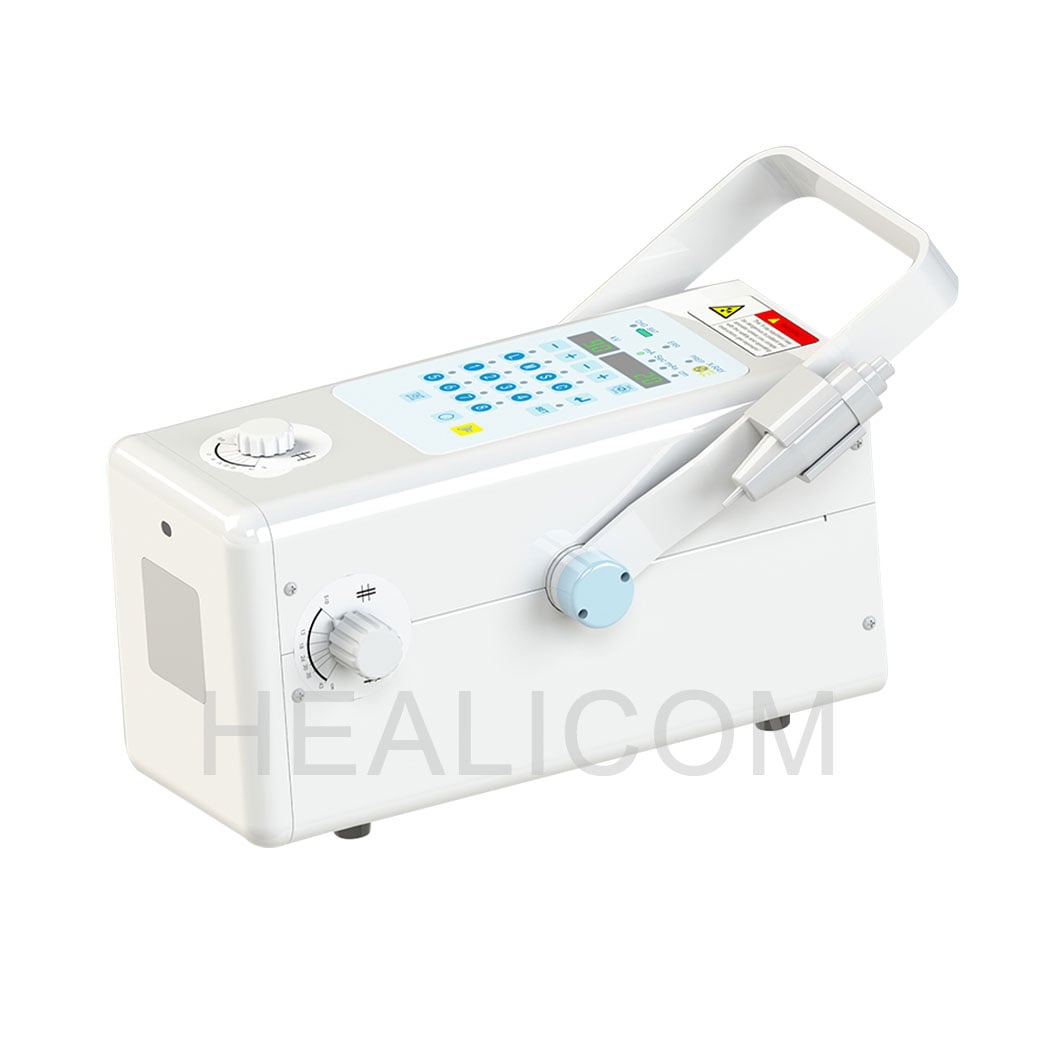
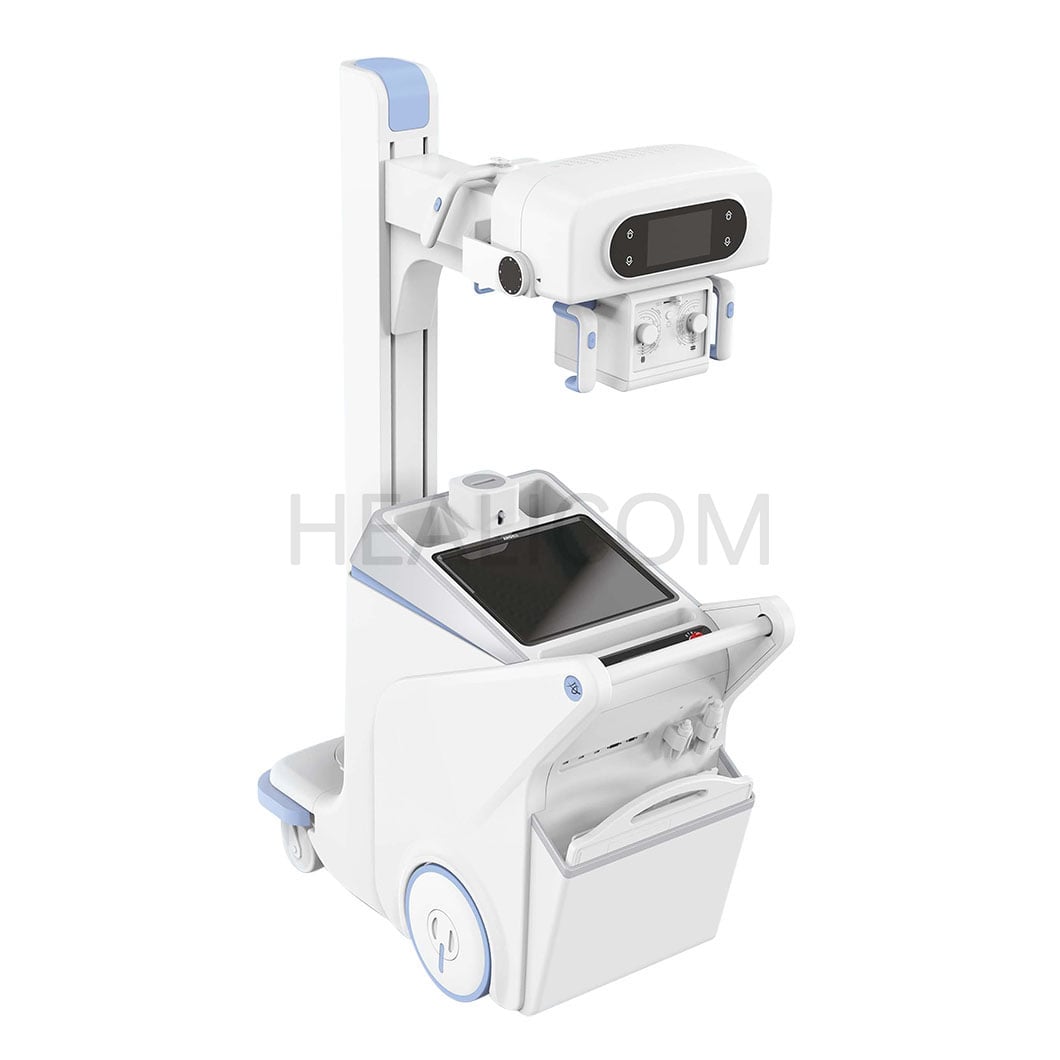
An xraymachine is a critical diagnostic tool in medical settings, relied on daily for detecting fractures, infections, and other internal conditions. To ensure it delivers accurate images, operates safely, and has a long service life, regular maintenance checks are non-negotiable. Unlike ordinary medical equipment, an xraymachine uses high-energy radiation and complex mechanical-electronic components, so its maintenance requires attention to detail and adherence to safety standards. From functional tests to radiation safety checks, these maintenance tasks prevent unexpected breakdowns and protect both patients and operators. Let’s explore the essential maintenance checks every xraymachine needs.
Functional Performance Checks for Accurate Imaging
The core purpose of an xraymachine is to produce clear, accurate images, so functional performance checks are a top priority. Start by testing the xraymachine’s imaging quality—run test scans on phantom models (simulated human tissue) to check for clarity, contrast, and any distortions. Verify that the exposure settings (voltage, current, time) are accurate and consistent across different modes; for example, ensure the “chest” and “bone” settings deliver the correct radiation dose and image resolution. Check the movement of the xraymachine’s components, such as the tube head, arm, and table, to ensure they move smoothly and lock securely in position. Test the control panel and software: confirm that all buttons, knobs, and touchscreen functions work properly, and that the image processing system can store, retrieve, and print images without errors. Any inconsistencies in imaging quality or functionality should be addressed immediately to avoid misdiagnoses.
Radiation Safety Checks to Protect Patients and Staff
Radiation safety is paramount when maintaining an xraymachine, as excessive or leaking radiation poses health risks. Conduct regular leakage tests using a radiation dosimeter to ensure no radiation escapes from the xraymachine’s housing, tube, or cables. The leakage level must comply with international standards (usually no more than 1 mGy/h at 1 meter). Check the collimator (the device that controls the xray beam size) to ensure it accurately restricts the beam to the intended area—this reduces unnecessary radiation exposure to surrounding tissues. Verify that the radiation warning lights and audible alarms work: the lights should illuminate and the alarm sound when the xraymachine is in use, alerting people nearby. Additionally, check that the lead shielding (such as aprons, gloves, and barriers) is intact with no cracks or tears, as damaged shielding can compromise protection. These checks ensure that the xraymachine operates within safe radiation limits for every use.
Mechanical and Structural Maintenance
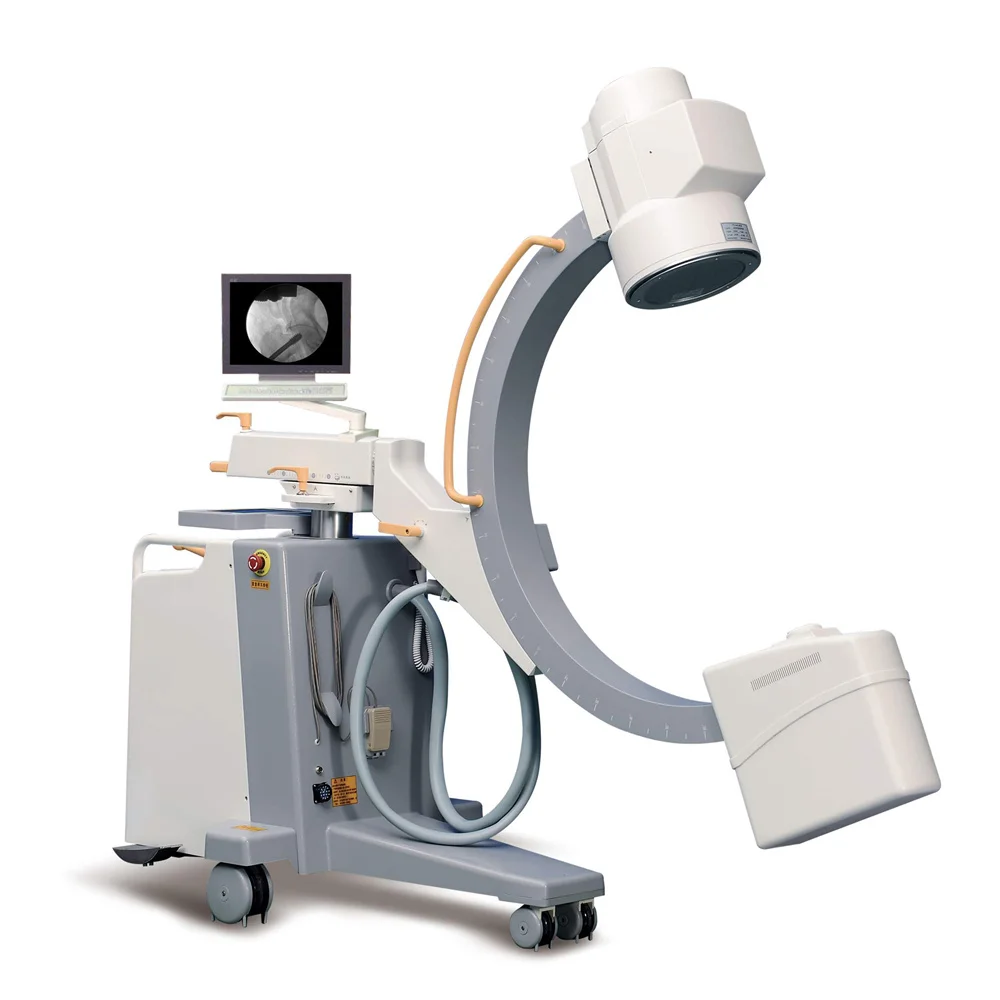
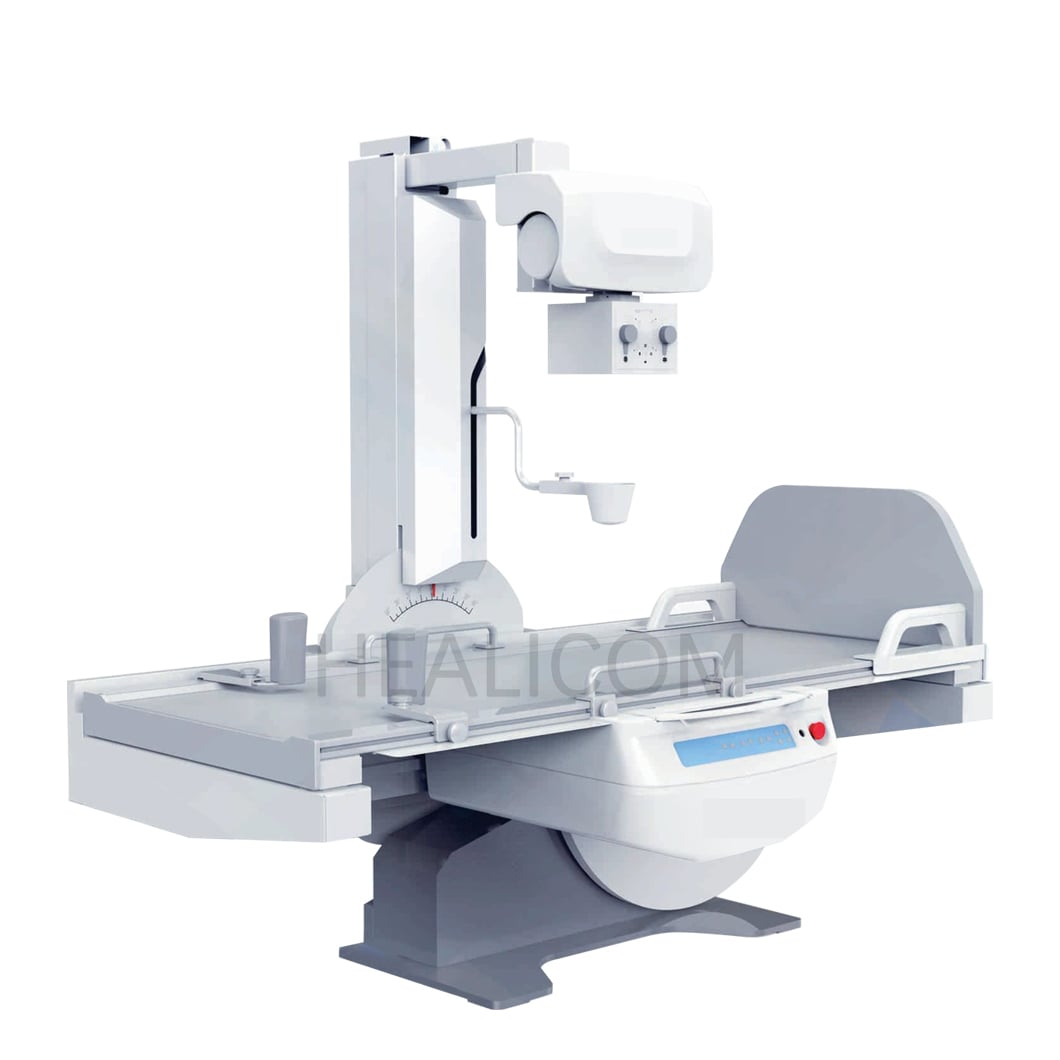
An xraymachine’s mechanical and structural components endure constant use, so regular checks prevent wear and tear from causing failures. Inspect the xraymachine’s base and wheels: ensure the wheels roll smoothly, the brakes lock securely, and there’s no loose or damaged hardware. Examine the tube head and arm for signs of damage, such as cracks, corrosion, or loose connections—these components are critical for positioning the xray beam accurately. Check the table’s stability and adjustability: test that the table height, tilt, and movement functions work correctly, and that the tabletop (especially radiolucent surfaces) is free from scratches or cracks. Lubricate moving parts (as recommended by the manufacturer) to reduce friction and prevent squeaking or jamming. For portable xraymachines, inspect the carrying handles and straps to ensure they’re strong enough to support the device’s weight. Regular mechanical checks extend the xraymachine’s lifespan and prevent sudden breakdowns during procedures.
Electrical System and Power Supply Checks
The electrical system is the backbone of an xraymachine, so thorough checks are essential to avoid electrical failures or safety hazards. Inspect all power cords, plugs, and sockets for damage—look for fraying, cracks, or exposed wires, which can cause short circuits or electric shocks. Test the xraymachine’s power supply stability: use a multimeter to check that the input voltage matches the device’s requirements and that the internal power regulator functions correctly. Check the battery (for portable xraymachines) to ensure it holds a charge, charges properly, and has no signs of swelling or leakage. Inspect internal fuses and circuit breakers to confirm they’re intact and functioning—these components protect the xraymachine from power surges. Test the emergency stop button to ensure it immediately shuts down the xraymachine in case of an emergency. Any electrical issues should be repaired by qualified technicians to avoid further damage or safety risks.
Cleaning and Hygiene Maintenance for Infection Control
In medical settings, infection control is crucial, so cleaning and hygiene checks are a key part of xraymachine maintenance. Wipe down all external surfaces of the xraymachine (control panel, tube head, table, and handles) with hospital-grade disinfectants after each use. Pay special attention to high-touch areas, as they’re prone to harboring bacteria and viruses. Clean the xray detector or film cassette regularly—remove dust, debris, or bodily fluids that could affect image quality. For digital xraymachines, clean the sensor and lens with a soft, lint-free cloth to avoid scratches. Ensure that the xraymachine’s storage area is clean, dry, and free from dust or moisture, which can damage internal components. Avoid using abrasive cleaners or harsh chemicals that could corrode the xraymachine’s surfaces. Regular cleaning not only prevents infections but also keeps the xraymachine in good working condition.
In conclusion, maintaining an xraymachine requires a comprehensive approach covering functional performance, radiation safety, mechanical structure, electrical systems, and hygiene. These maintenance checks ensure the xraymachine delivers accurate diagnostic images, operates safely for patients and staff, and remains reliable for years. Healthcare facilities should establish a regular maintenance schedule (weekly, monthly, and annual checks) and assign qualified technicians to perform the tasks. Following the manufacturer’s guidelines and adhering to industry standards is key to effective maintenance. For medical teams, a well-maintained xraymachine isn’t just a piece of equipment—it’s a trusted tool that supports accurate diagnoses and quality patient care. By investing time and resources in regular maintenance, facilities can avoid costly repairs, reduce downtime, and ensure their xraymachine continues to serve its critical role in healthcare.
 Hot News
 EN
EN