A surgical operating table is the centerpiece of any operating room, serving as a stable, adjustable platform for surgical procedures ranging from minor outpatient surgeries to complex, life-saving operations. More than just a simple table, it’s a specialized medical device designed to support patients, accommodate surgical team needs, and integrate with other operating room equipment. The right surgical operating table can enhance procedure efficiency, improve patient safety, and reduce fatigue for medical staff. Let’s first clarify what a surgical operating table is, then explore its key design features that make it indispensable in operating rooms.
What Exactly Is a Surgical Operating Table?
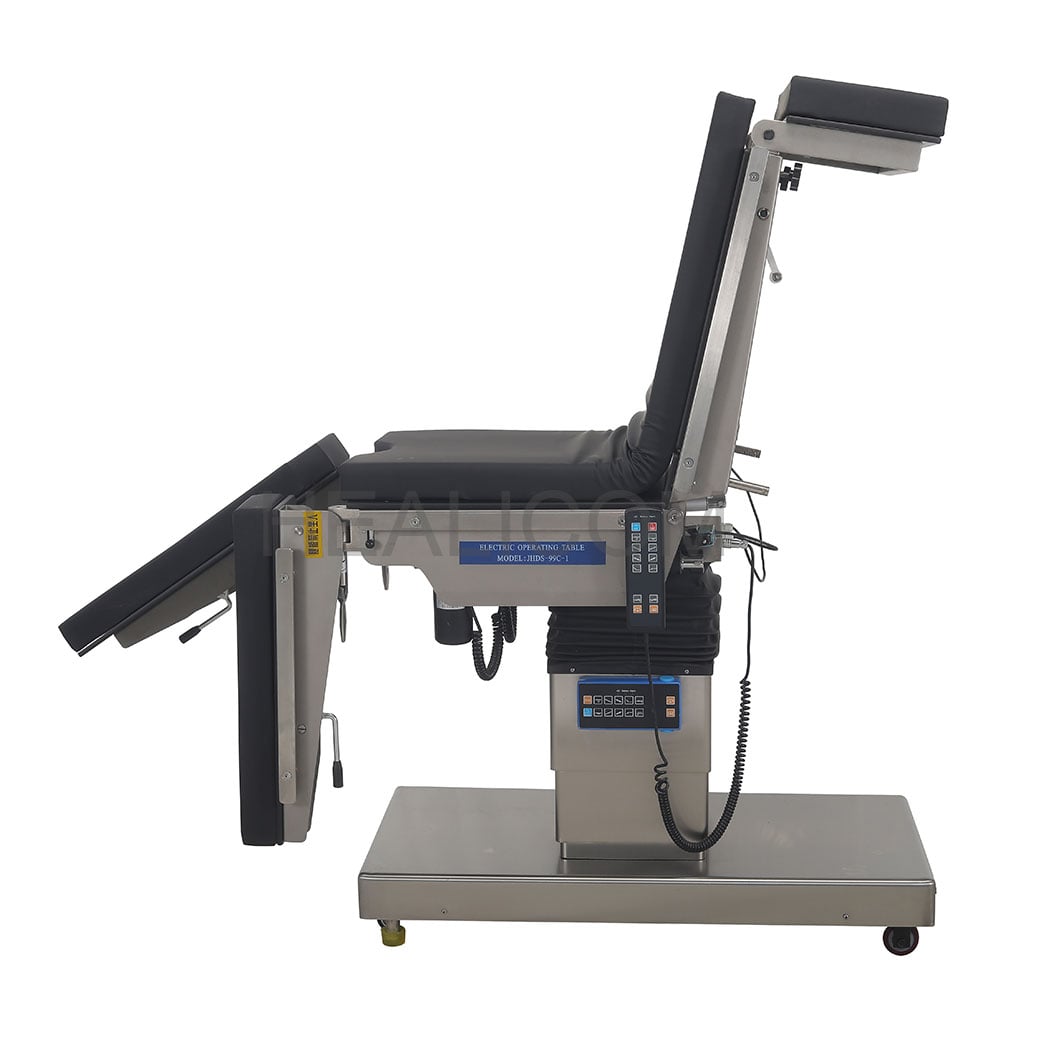
A surgical operating table is a robust, adjustable medical platform engineered to hold patients in precise positions during surgery. It’s constructed with high-strength materials to support patient weight (often up to 500 kg or more) while remaining stable even during intense surgical maneuvers. Unlike regular hospital beds, a surgical operating table offers multi-directional adjustability—height, tilt, and section movements—to position the patient optimally for the surgeon’s access. It typically consists of a base (with wheels for mobility and locks for stability), a tabletop (divided into sections like head, torso, and legs), and a control system (manual or electric) for adjustments. Some models are specialized for specific surgeries, such as orthopedic, neurological, or laparoscopic procedures, while others are versatile for general use. The core purpose of a surgical operating table is to keep the patient safe, comfortable, and properly positioned, allowing the surgical team to work efficiently and accurately.
Multi Directional Adjustability for Optimal Surgical Access
One of the most critical design features of a surgical operating table is its multi directional adjustability, which directly impacts the surgeon’s ability to access the surgical site. Electric surgical operating tables (the most common in modern ORs) offer smooth adjustments via hand controls or foot pedals, allowing staff to change height (typically 60-120 cm), tilt (trendelenburg, reverse trendelenburg), and lateral tilt (left or right) with precision. The tabletop sections—headrest, backrest, thigh, and leg supports—can be independently raised, lowered, or removed to create the ideal position. For example, during abdominal surgery, the table can be tilted to angle the patient’s torso, improving visibility of internal organs. For spinal surgery, the backrest can be adjusted to maintain a neutral spine position while allowing access to the surgical area. This level of adjustability eliminates the need for awkward patient positioning, reduces surgical time, and minimizes the risk of pressure injuries from prolonged immobility.
Stability and Load Bearing Capacity for Safety
Stability and strong load bearing capacity are non negotiable design features of a surgical operating table, as they directly affect patient safety. The table’s base is engineered with a wide footprint and heavy-duty locking mechanisms to prevent movement during surgery—even when the table is tilted or the surgical team leans against it. High-strength materials like stainless steel and reinforced aluminum are used for the frame and tabletop, ensuring the table can support large patients and withstand the weight of surgical equipment (such as C arm machines or laparoscopic towers) without wobbling or bending. Most surgical operating tables have a maximum load capacity of 300-500 kg, with some bariatric models supporting up to 600 kg or more. The tabletop is also designed to distribute weight evenly, reducing pressure points on the patient’s body during long procedures. This stability not only protects the patient from falls or injuries but also gives the surgical team confidence to perform delicate maneuvers without worrying about the table shifting.
Compatibility with Surgical Equipment and Imaging
Modern operating rooms rely on a range of specialized equipment, so a surgical operating table must be designed for seamless compatibility. Most models feature a radiolucent tabletop (made of carbon fiber or composite materials) that doesn’t block X rays, allowing for intraoperative imaging with C arm machines or fluoroscopes without moving the patient. The table’s base is often designed with open spaces or removable panels to accommodate imaging equipment, ensuring the machine can get close to the surgical site. Additionally, the surgical operating table may have mounting points or rails for attaching accessories like patient restraints, armboards, leg supports, or surgical lights. Some advanced models integrate with OR integration systems, allowing adjustments to be synchronized with other equipment (such as surgical displays) for a more streamlined workflow. This compatibility eliminates delays caused by equipment conflicts, improves imaging accuracy, and makes the operating room more efficient overall.
Hygienic and Easy to Clean Design for Infection Control
Infection control is a top priority in operating rooms, and a surgical operating table’s design plays a key role in maintaining a sterile environment. The table is constructed with non porous, smooth surfaces that resist fluid absorption and are easy to wipe clean. Stainless steel components are used for areas prone to contact with bodily fluids, as they are durable and compatible with harsh disinfectants. The tabletop and accessories have minimal crevices or seams, reducing places where bacteria can hide. Many surgical operating tables also feature detachable or foldable parts (like armrests or footrests) that can be removed for thorough cleaning between procedures. The wheels on the base are often lockable and have smooth surfaces to prevent debris buildup. This hygienic design makes it easy for staff to follow sterile protocols, reducing the risk of surgical site infections and ensuring compliance with hospital safety standards.
In conclusion, a surgical operating table is a specialized, life critical device designed to support surgical procedures through multi directional adjustability, stability, equipment compatibility, and hygienic design. Its features are tailored to the unique needs of operating rooms, balancing patient safety and comfort with surgical team efficiency. As operating rooms evolve with new technologies, surgical operating tables continue to advance—offering more precise adjustments, better imaging compatibility, and smarter integration with OR systems. For any operating room, investing in a high-quality surgical operating table is not just a purchase but a commitment to patient safety, surgical success, and efficient healthcare delivery. Whether for general surgery or specialized procedures, the surgical operating table remains the foundation of a functional, safe operating room.
 Hot News
 EN
EN