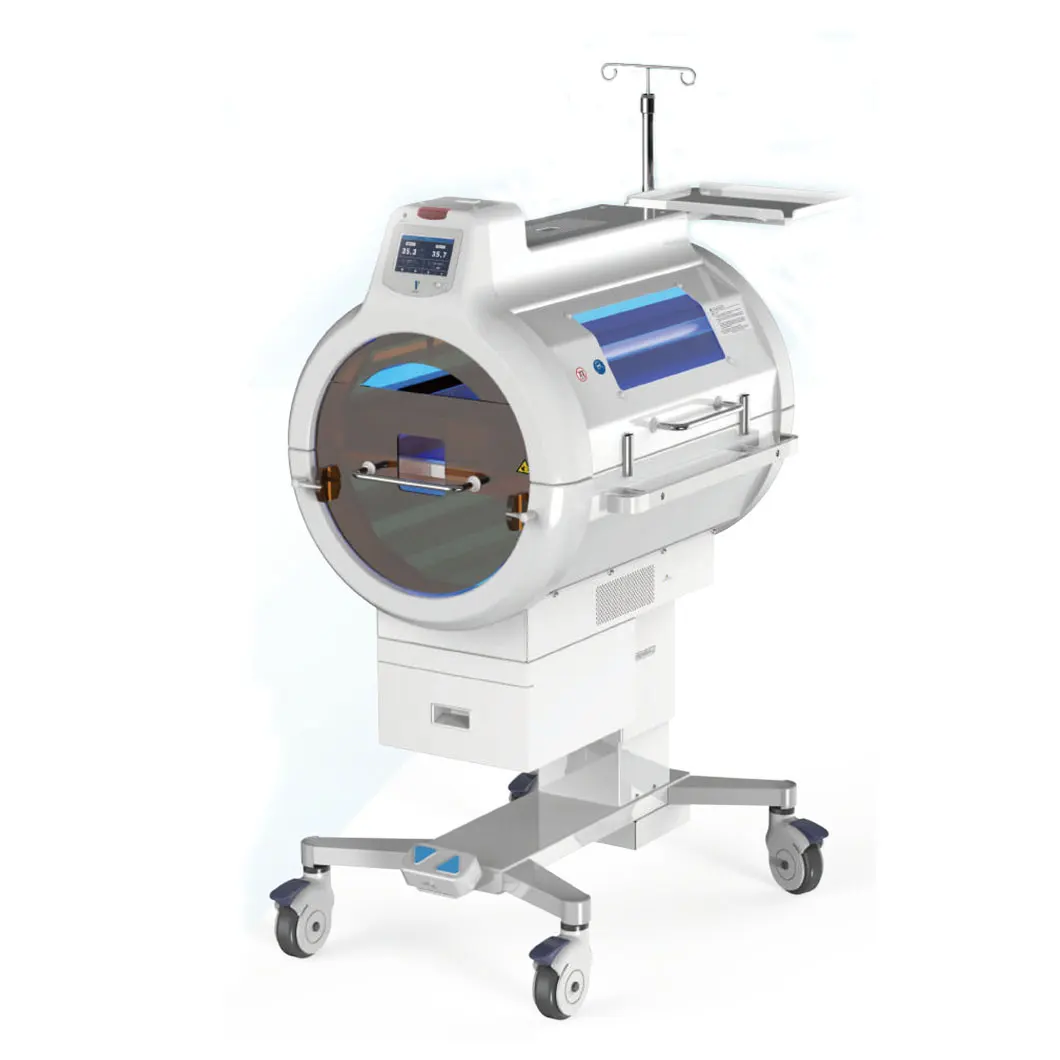
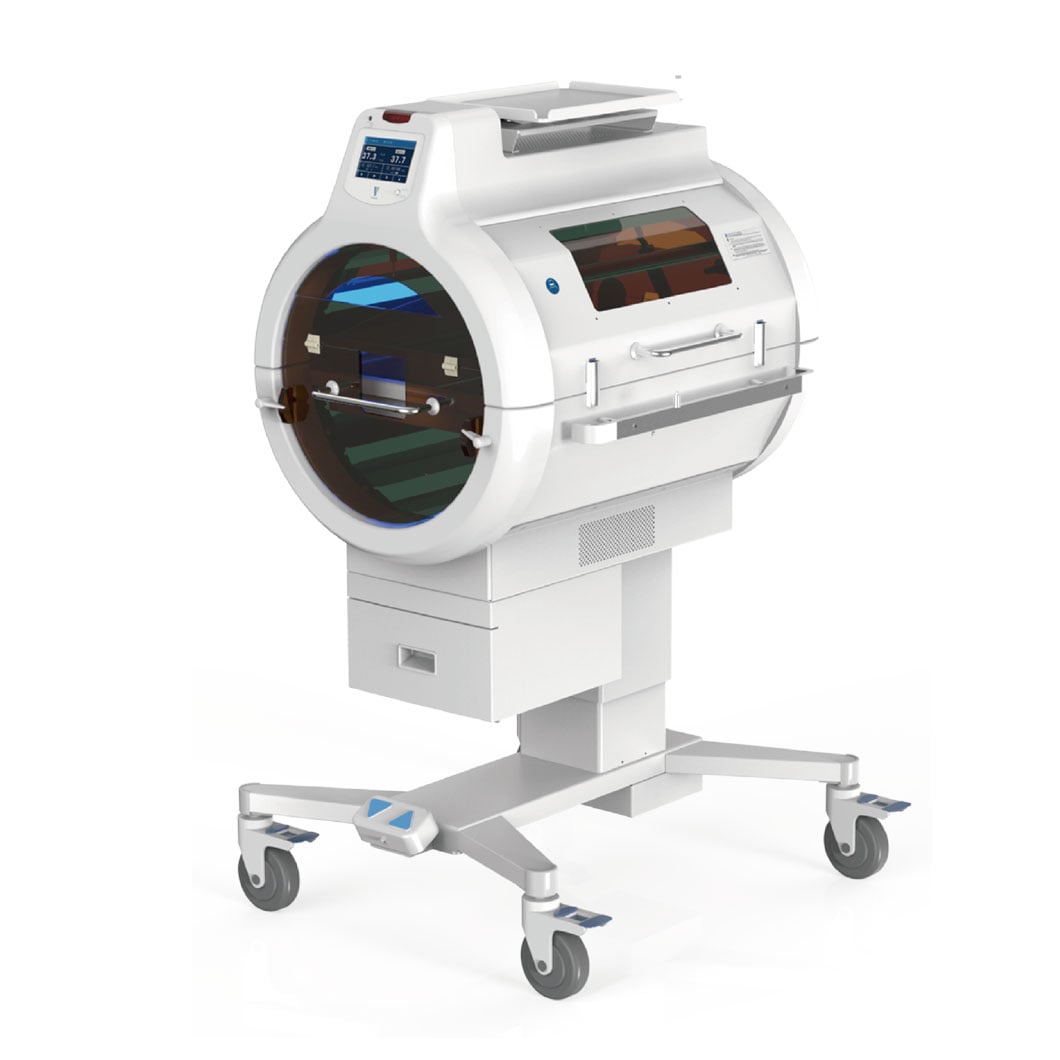
Transport infant incubators are lifeline devices for premature or critically ill babies, providing a stable, controlled environment during transfers between hospitals, clinics, or emergency scenes. Unlike stationary incubators in neonatal intensive care units, a transport infant incubator must rely on flexible power sources to keep temperature, humidity, and oxygen support running without interruption. The right power option can mean the difference between safe transfer and life-threatening disruptions. From standard electrical outlets to backup batteries and portable generators, there are several reliable choices tailored to different transfer scenarios. Let’s explore the key power options for a transport infant incubator and their practical applications.
AC Mains Power: Standard and Reliable for Short Transfers
The most common power source for a transport infant incubator is AC mains power, which is ideal for short-distance transfers or when the device is used in fixed locations like ambulances (with inverters) or clinic transfer rooms. Most transport infant incubators come with a standard power cord that plugs into regular electrical outlets (110V or 220V, depending on the region). This power option provides a steady, uninterrupted supply, ensuring the incubator’s critical functions—temperature regulation, humidity control, and monitoring tools—operate smoothly. For example, when transferring a baby from a hospital ward to an operating room or imaging department, plugging the transport infant incubator into AC mains power eliminates the risk of battery depletion. Many models also feature surge protection to shield the device from voltage fluctuations, preventing damage to sensitive components. While AC power is reliable, it’s limited by the length of the power cord and access to outlets, making it best suited for transfers where the device doesn’t need to move far from a power source.
Built-in Rechargeable Batteries: Core for Mobile Transfers
Built-in rechargeable batteries are the backbone of power options for a transport infant incubator, enabling true mobility during long-distance or off-grid transfers. These batteries are specifically designed to power the incubator for several hours (typically 4-8 hours, depending on the model and load) without needing to be plugged in. They’re usually lithium-ion or lead-acid batteries, chosen for their high energy density and long cycle life. Before a transfer, the battery is fully charged via AC mains power, and once disconnected, it automatically takes over to power the incubator. This is crucial for ambulance transfers between hospitals, where the transport infant incubator can’t rely on a constant AC supply. Most models have a battery level indicator on the control panel, letting caregivers monitor remaining power and plan for recharging. Some advanced transport infant incubators even allow hot-swapping of batteries (replacing a depleted battery with a charged one without turning off the device), ensuring continuous power during extended transfers. Built-in batteries provide the flexibility needed for emergency situations, making them an indispensable power option.
External Backup Batteries: Extended Runtime for Long Journeys
For transfers that exceed the runtime of the built-in battery—such as cross-city ambulance rides or air transport—external backup batteries are a vital power option for a transport infant incubator. These are portable, high-capacity batteries that connect to the incubator via a dedicated port, effectively doubling or tripling the device’s runtime. External backup batteries are often lightweight and compact, designed to fit alongside the transport infant incubator in an ambulance or aircraft without taking up too much space. They’re especially useful for regions with limited access to power during transfers, such as rural areas or disaster zones. Many external batteries also feature fast-charging capabilities, allowing them to be recharged quickly between uses. Caregivers can carry one or more backup batteries depending on the transfer distance, ensuring the transport infant incubator stays powered until the baby reaches the destination. This power option provides an extra layer of security, eliminating the stress of running out of power mid-transfer.
DC Power from Vehicles: Seamless for Ambulance and Vehicle Transfers
Vehicles like ambulances, medical vans, or aircraft are equipped with DC power outlets (usually 12V or 24V), which serve as a reliable power source for a transport infant incubator during road or air transfers. Most transport infant incubators come with a DC power cable that connects directly to the vehicle’s power system, bypassing the need for batteries or inverters. This setup provides a continuous power supply as long as the vehicle’s engine is running, making it perfect for long-distance ambulance transfers. The DC power system is also integrated with the vehicle’s charging system, so if the transport infant incubator’s built-in battery is low, it can recharge while the vehicle is in motion. For air transport (such as medical evacuation flights), the transport infant incubator can be connected to the aircraft’s DC power outlets, ensuring stable power at high altitudes. This power option is seamless and low-maintenance, as it doesn’t require caregivers to monitor battery levels—they can focus on the baby’s care instead.
Portable Generators: Emergency Power for Off-Grid Scenarios
In extreme situations where AC mains, vehicle DC power, and batteries are unavailable—such as during natural disasters, power outages, or transfers in remote areas—portable generators are a reliable emergency power option for a transport infant incubator. These small, portable generators run on gasoline, diesel, or propane and can be quickly set up to power the incubator. Most portable generators produce AC power, which can be directly connected to the transport infant incubator via its standard power cord. They’re designed to be lightweight and easy to carry, making them suitable for use in field hospitals or emergency shelters. However, it’s important to note that portable generators produce noise and exhaust, so they must be used in well-ventilated areas away from the baby and caregivers. Many modern generators also feature low-noise designs and fuel-efficient engines, making them more practical for medical use. Portable generators provide a last-resort power solution, ensuring that even in the most challenging circumstances, the transport infant incubator can continue to operate.
In conclusion, the power options for a transport infant incubator—AC mains power, built-in rechargeable batteries, external backup batteries, vehicle DC power, and portable generators—each serve specific needs, from short hospital transfers to long-distance emergency evacuations. The best power setup often combines multiple options (e.g., built-in battery plus external backup) to ensure redundancy and avoid power disruptions. Caregivers must choose power options based on transfer distance, access to power sources, and the baby’s medical needs. As technology advances, transport infant incubators are becoming more energy-efficient, with longer battery runtimes and faster charging capabilities, further improving their reliability. For premature or critically ill babies, a stable power supply for their transport infant incubator isn’t just a convenience—it’s a life-saving necessity that ensures their fragile bodies are protected every step of the way.
 Hot News
 EN
EN