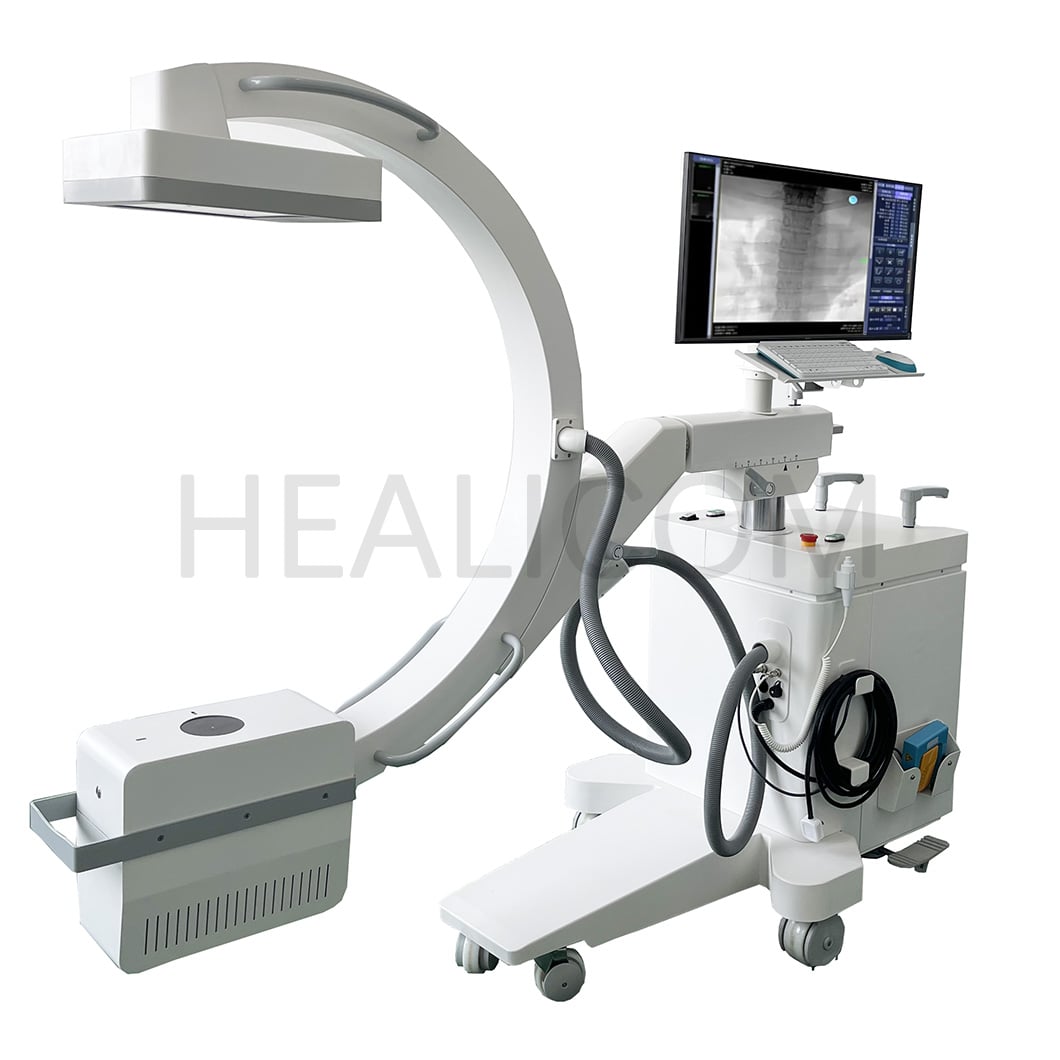
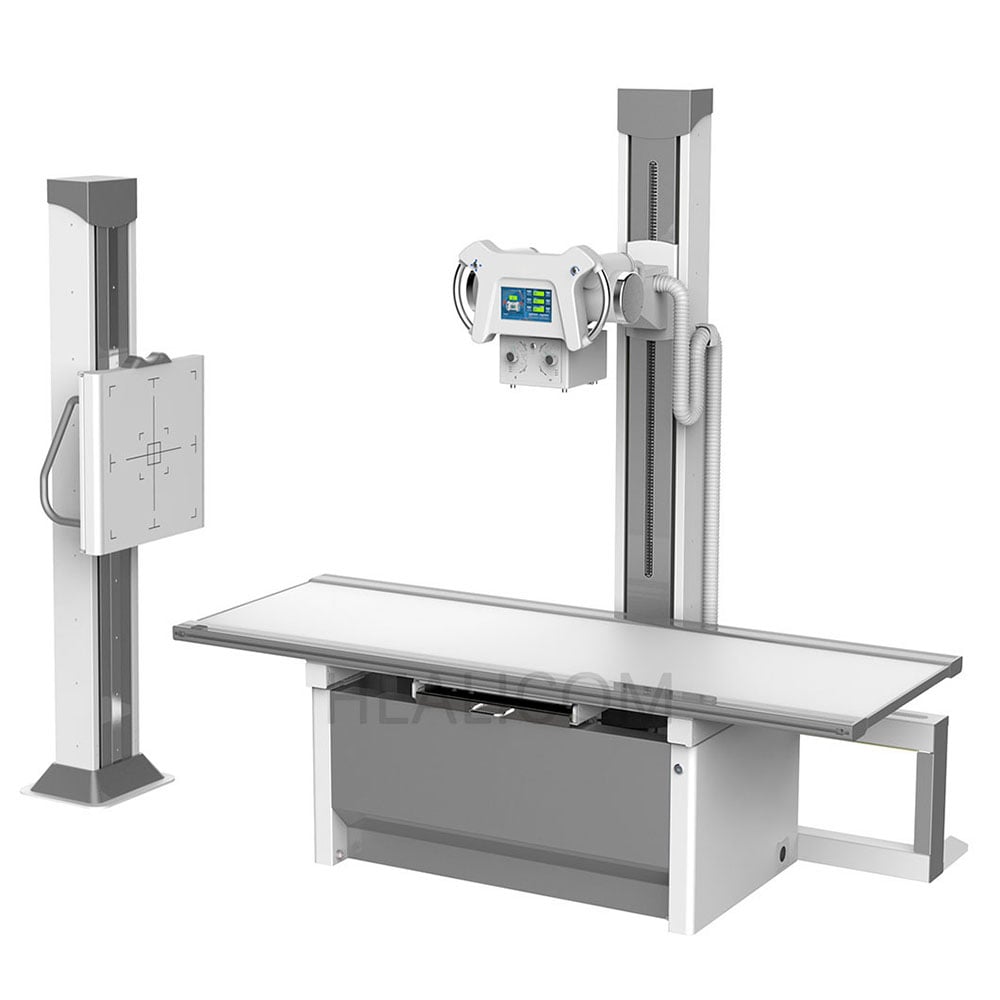
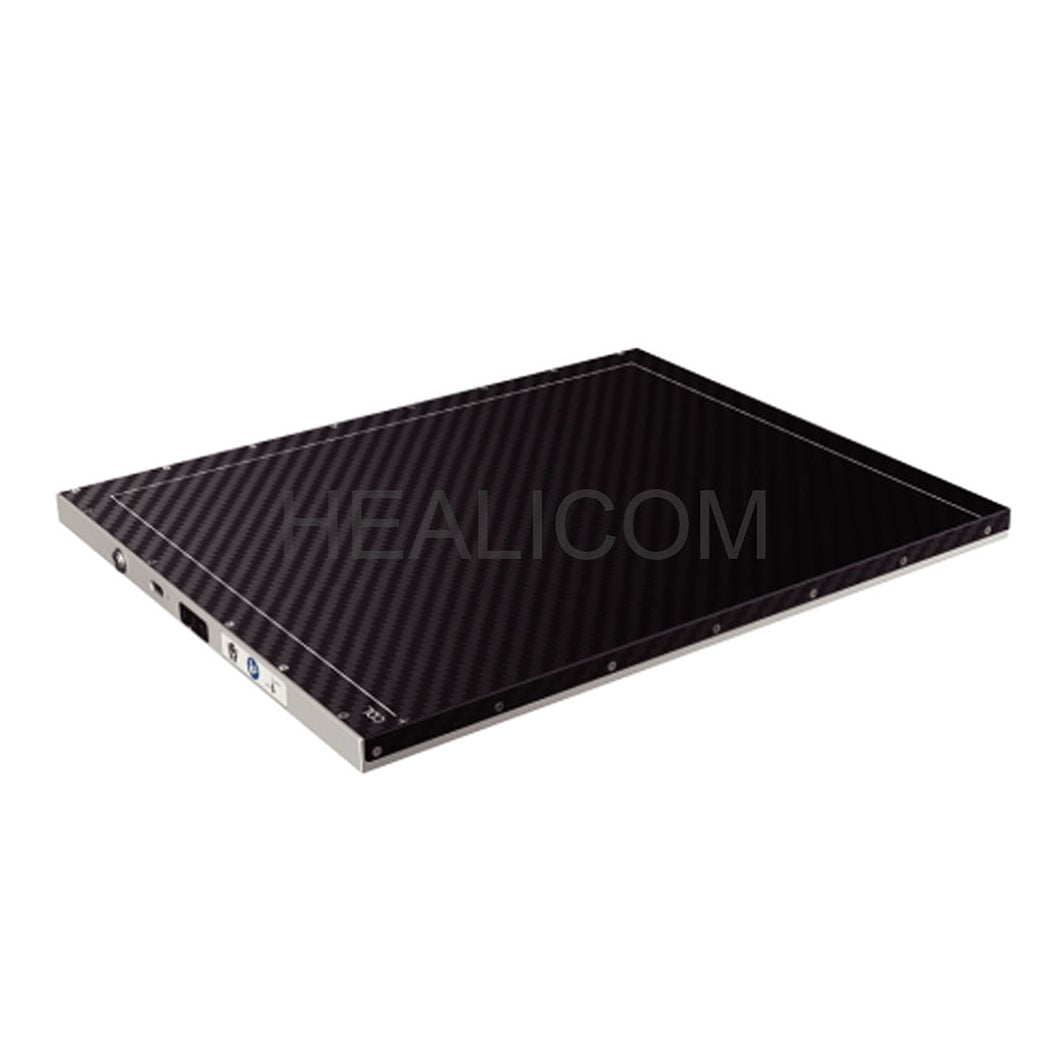
When it comes to CBCT scanner pricing, three main technical factors stand out. The flat panel detector (FPD) makes the biggest difference in cost. High-end direct conversion detectors offer better image quality with around 100 micrometer resolution, but they come at roughly double or triple what basic models cost. Most dental practices notice this jump when comparing specs sheets. Next up is spatial resolution. For implant work, getting below 200 micrometers really matters because it affects how detailed the images look. This requires fancier software algorithms during manufacturing, which pushes prices up by about 30 to 45 percent compared to standard 400 micrometer systems. Last but not least, field-of-view (FOV) flexibility adds another layer of complexity. Scanners that can switch between different FOVs from 5x5 all the way to 15x15 centimeters typically cost 20 to 25 percent more than fixed FOV machines. The mechanical parts needed for adjustable collimators drive these costs higher. While variable FOVs help minimize unnecessary radiation by focusing only on the area that needs imaging, this feature usually adds somewhere between fifteen and forty thousand dollars to the base price tag, making it definitely worth considering for practices looking at long term value versus initial investment.
The price ranges for CBCT scanners generally correspond to three distinct levels of performance based on what technology they offer. At the lower end, systems priced between $60k and $100k come with fixed field of view sizes around 8x8 cm, resolution somewhere between 250 and 300 microns, and pretty basic detectors. These work okay for routine diagnostic tasks but don't support many of the fancy features found in higher models. Moving up to mid-range options costing $110k to $170k brings some nice upgrades including adjustable FOVs, protocols that help reduce radiation doses, and better image clarity down to about 180 microns. These are popular in clinics that handle multiple specialties. Then there are the top-of-the-line machines going for $180k all the way up to $280k. They pack in fast detectors capable of producing 100 micron voxel images, use artificial intelligence to cut down on image noise, and can scan larger volumes with their 15x15 cm FOVs ideal for facial reconstructions. Looking at these different categories shows just how much small technological advances can really drive up costs, with each step up in quality typically adding anywhere from 40% to 60% onto the previous price tag.
The price tag on CBCT scanners goes way beyond just basic imaging functions. Top-of-the-line models come packed with AI-powered diagnostic tools that spot things like anatomical landmarks, potential problems, and nerve paths automatically. This cuts down on mistakes during interpretation compared to what doctors used to do manually, maybe around 40% fewer errors according to some studies. Of course, all those fancy algorithms didn't come cheap either. They represent serious research money spent, which naturally drives up the overall cost. Many machines also have these advanced low-dose settings that cut radiation exposure dramatically. Some can get as low as 96% below what medical CT scans typically deliver thanks to better hardware design and special software tricks. Getting those safety improvements working properly takes extra sensors and computer processing power, so expect to pay about 15-25% more for them. Real time 3D reconstructions are another big deal, letting clinics process scans in under 20 seconds now. That kind of speed obviously needs powerful graphics cards and smart data handling behind the scenes. Even though manufacturers argue these upgrades make sense because they improve diagnosis quality, meet regulations, and save time in practice, there's still a pretty clear divide in the market between entry level scanners and the premium ones with all these bells and whistles.
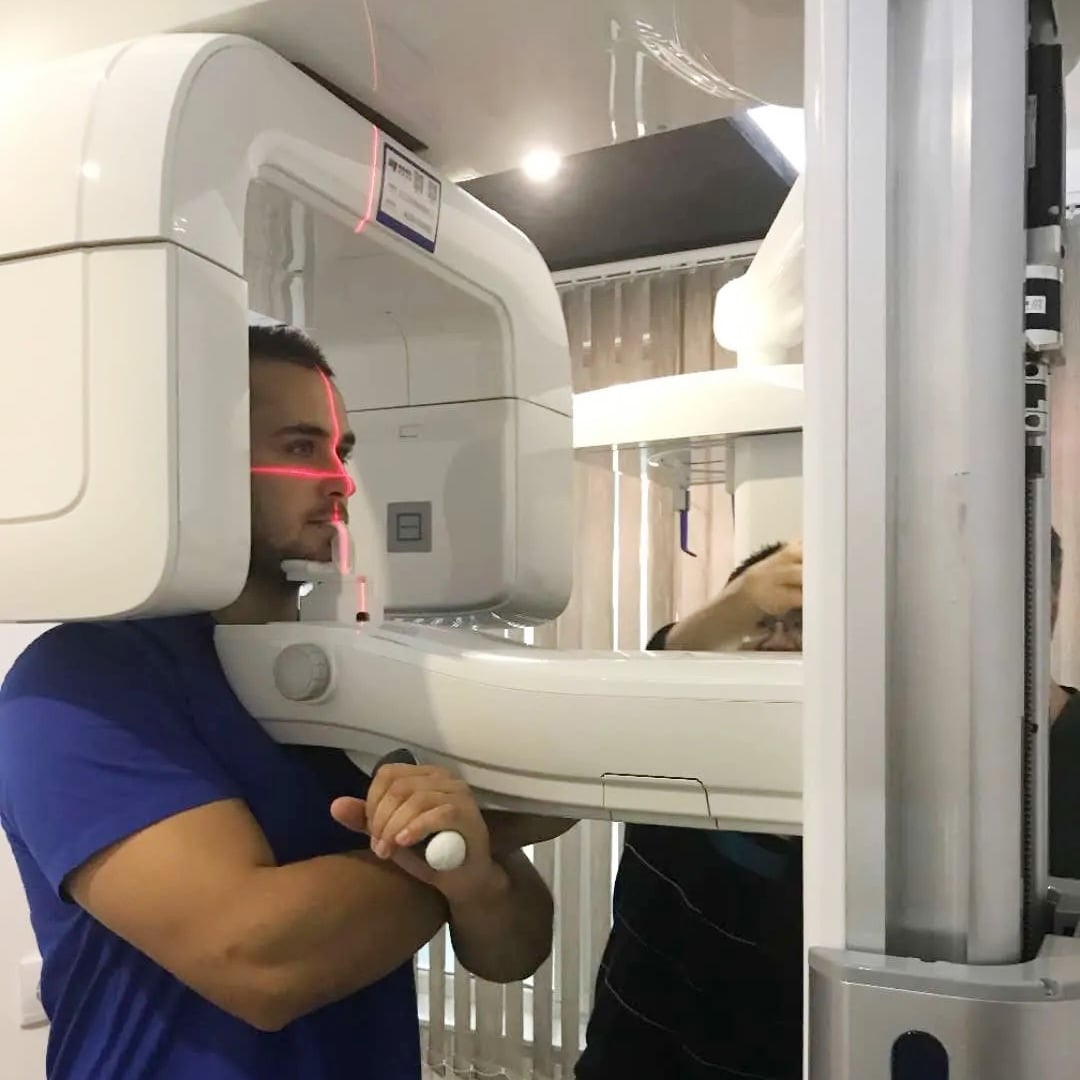
When installing CBCT equipment, facility modifications usually push total costs up between 20% and 35% over what the machine itself would cost. The radiation shielding needed varies quite a bit depending on how powerful the scanner is and what local rules demand. Lead lined walls, special doors, even certain types of flooring all come into play here. For machines that produce higher outputs, there's often a need to reinforce building structures, which can run anywhere from around $25k to maybe $60k or so. Getting proper electrical hookups matters too. Most systems need dedicated circuits ranging from 208 volts to 480 volts along with some kind of voltage stabilizer to keep things running smoothly. Space is another consideration altogether. Many setups require at least a 10 by 12 foot area just for the room itself, which affects how much retrofitting will ultimately cost. And let's not forget about compliance issues either. Failing to meet safety standards could result in fines well above $50k, so these various elements really should be factored into any budget plan from day one.
Recurring operational expenses accumulate substantially, with service contracts averaging 8–12% of initial purchase price annually. Over five years, a typical $150,000 scanner incurs:
The cost of CBCT scanners can differ quite a bit depending on where they're sold, mainly because of regulations and what customers want. Take North America and Europe for instance – getting those scanners approved by the FDA and CE means manufacturers face extra expenses from all the required testing, paperwork, and quality checks. These added costs typically push prices up between 15% to 25%. Meanwhile over in the Asia-Pacific region, there's a different story unfolding. Manufacturers there focus more on creating affordable models with just enough features to meet basic needs. This competitive market environment has actually driven down starting prices by around 30% to 40% when compared to similar equipment in Western countries. Looking at this price gap tells us something interesting about buyer preferences across regions. Some buyers are willing to pay extra for top notch compliance certifications while others simply need reliable performance without breaking the bank.
The way financial models work today is changing how dental practices handle the costs of CBCT scanners. More than half of all new installations are going through lease agreements these days. Instead of paying anywhere between $150,000 and $300,000 upfront, many clinics opt for monthly payments around $2,000 to $5,000. Service bundles also help spread out the costs since they typically cover things like regular maintenance, software upgrades, and staff training in one annual fee. Some studies from late 2023 suggest this can cut down overall ownership costs by roughly 18% to 22%. What this means in practice is that dentists don't have to worry so much about sticker shock when looking at equipment prices. They can actually afford high quality imaging technology without breaking the bank, especially if they run a small practice.
 Hot News
 EN
EN