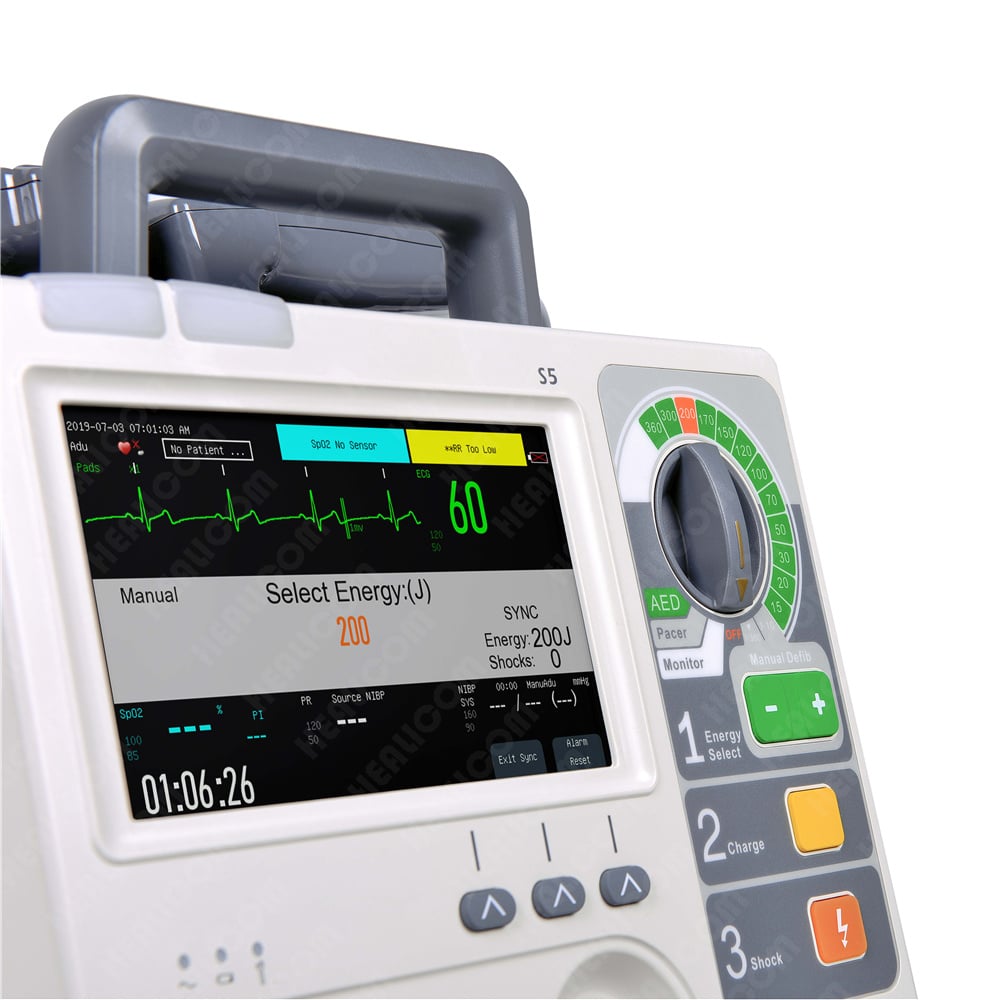
Doing quick daily checks on emergency equipment takes less than three minutes but makes a huge difference when seconds count during heart attacks. First thing to look at are those indicator lights. Green means everything's good to go, while any amber or blinking lights need fixing right away. Check the outside of the unit too. Look for any cracks, rust spots, or signs of damage from impacts that might affect how well it works. The electrode pads should still be sealed properly in their packaging. Make sure the gel hasn't dried out and check the expiration date carefully. Nobody wants expired pads in an emergency situation. Also important: keep the path to the device completely clear. Remove anything blocking access and double check that the machine sits between about 4 feet and 4 feet 4 inches off the ground. That height makes it easy to grab quickly when someone needs help fast.
Weekly inspections expand on this foundation: validate presence of rescue accessories (e.g., scissors, razors), and wipe external surfaces with manufacturer-approved disinfectants. Document all checks in a centralized maintenance log to demonstrate compliance with regulatory standards—including FDA guidance on AED maintenance and Joint Commission EC.02.05.01 requirements.
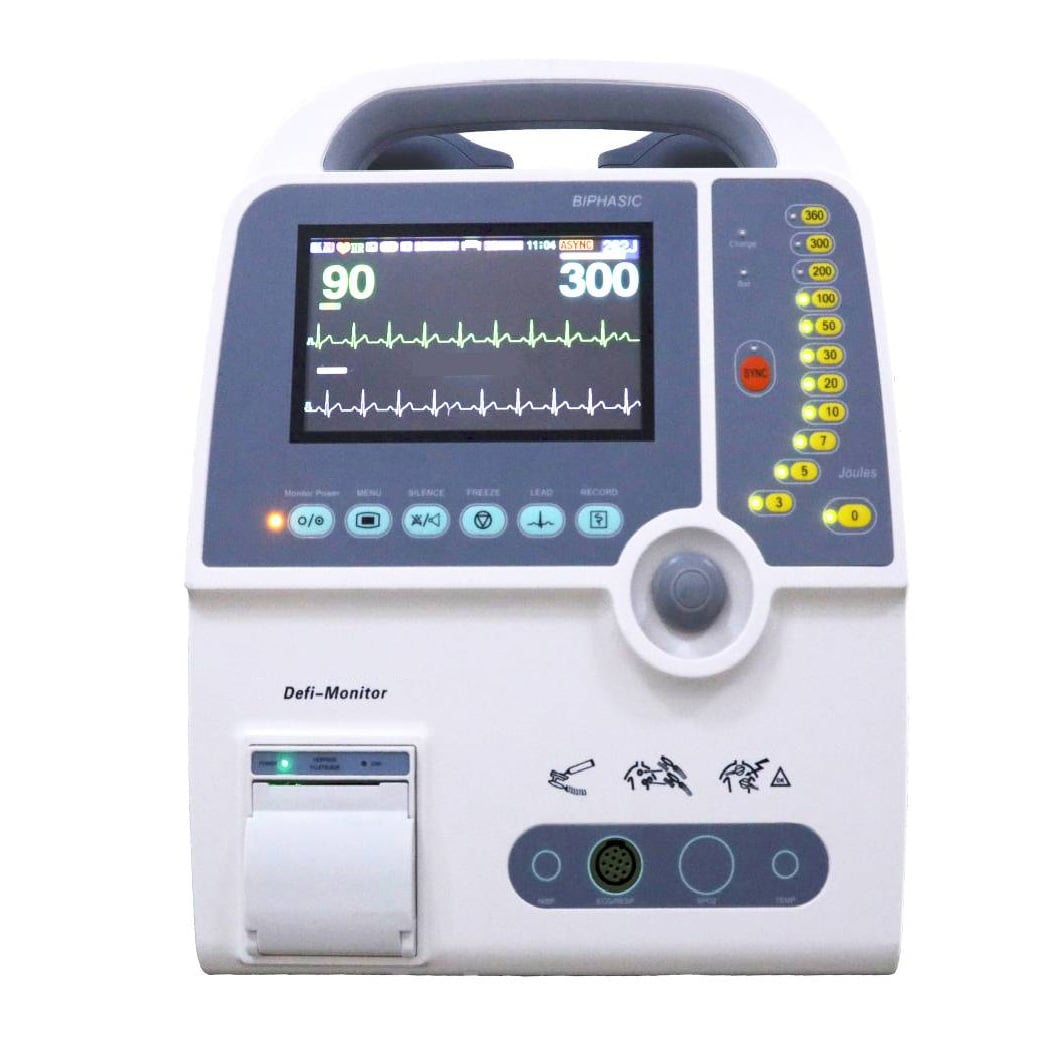
Most modern defibrillators come with built-in self tests, though checking them manually still matters a lot for making sure they work when needed. Pay attention to those beep sounds too - usually two steady beeps means everything checks out okay, but if it starts beeping fast then something's wrong and needs looking at. Check what color the lights are showing against the manual for your specific model. Green light staying on means ready to go, whereas red blinking is a sign something needs fixing right away. Those messages on screen shouldn't be ignored either. If BATT comes up, get new batteries ASAP. PAD errors? That means the pads aren't connected properly. Some studies show environmental factors can trigger false alarms in around 23% of cases when devices face extreme conditions. Codes such as E-102 which points to memory problems or E-201 indicating circuit faults? Don't try figuring those out from random websites. Always refer back to the actual manual that came with the equipment. Keep records of all testing done each week and fix any problems found within a day at most. This kind of maintenance makes all the difference when seconds count during emergencies.
Defibrillator lithium batteries typically last 2–5 years—but environmental stressors dramatically accelerate degradation. Storage above 30°C (86°F) can reduce annual charge capacity by up to 20% compared to climate-controlled environments. Temperatures below 10°C (50°F) temporarily suppress available power by 30–50%, while humidity exceeding 70% RH accelerates connector corrosion. To optimize longevity:
Replace batteries proactively every 2–4 years per manufacturer specifications—not after failure. Leading devices embed smart diagnostics tracking key metrics:
| Metric | Alert Threshold | Replacement Protocol |
|---|---|---|
| Charge cycles | 80% of max cycles | Schedule within 30 days |
| Capacity degradation | <70% original capacity | Replace immediately |
| Self-test errors | ≥2 consecutive fails | Inspection + replacement |
Enable both audible and visual alerts, and integrate notifications with facility CMMS platforms. Calibrate BMS quarterly to ensure accurate state-of-charge reporting. Maintain spare battery inventory at 10% of deployed units, rotating stock using first-expired-first-out (FEFO) protocols aligned with ISO 13485 medical device storage standards.
The electrode pads really matter a lot for proper function. When the gel inside starts to dry out or lose its stickiness, the shocks just won't work as well. Check these things every month looking for signs like dry spots, cracks forming, or when the gel pulls away from the pad surface. Some research indicates that old pads can have around 40 percent less conductivity compared to fresh ones. Don't forget to test how sticky they still are too. If edges start coming loose or they no longer grab onto skin properly, it's time for new pads right away. Most pads come with an expiration date printed somewhere, usually between two to five years after manufacturing. This happens because the special gel inside evaporates over time and the adhesive gets weaker. According to reports analyzed by the FDA, devices with expired pads tend to fail twice as often as those with good pads. Keep track of when each set was installed so nobody forgets about replacements down the road.
Keeping defibrillators ready for years requires proper storage conditions at all times. Temperature extremes really take their toll on batteries and electrode gels. When temps stay above 40°C (104°F), those lithium cells get permanently damaged. Cold settings aren't great either since they mess with how well the electrodes stick to skin and conduct electricity properly. The sweet spot for storage is somewhere between 10 and 30°C (50 to 86°F) with humidity below 60% to keep rust and mold at bay. Dust builds up fast inside these devices and blocks sensor readings while making it harder for electrodes to make good contact with skin. That's why most facilities opt for sealed cabinets or cases approved by manufacturers themselves. Wall mounting makes sense too, but need to install them on padded brackets in areas where people don't walk past constantly. Stay clear of places like MRI rooms or near big industrial motors because those electromagnetic fields can throw off test results and diagnostic functions. Don't forget to inspect mounting hardware every month just in case something loosens during transport or if there's an earthquake nearby. If anyone notices cracks in the outer casing, time to replace it right away since water and dust will start getting inside. Stick with these proven methods and most AEDs last anywhere from three to five extra years, meeting all those important American Heart Association and American College of Cardiology standards for maintenance and emergency preparedness.
 Hot News
 EN
EN