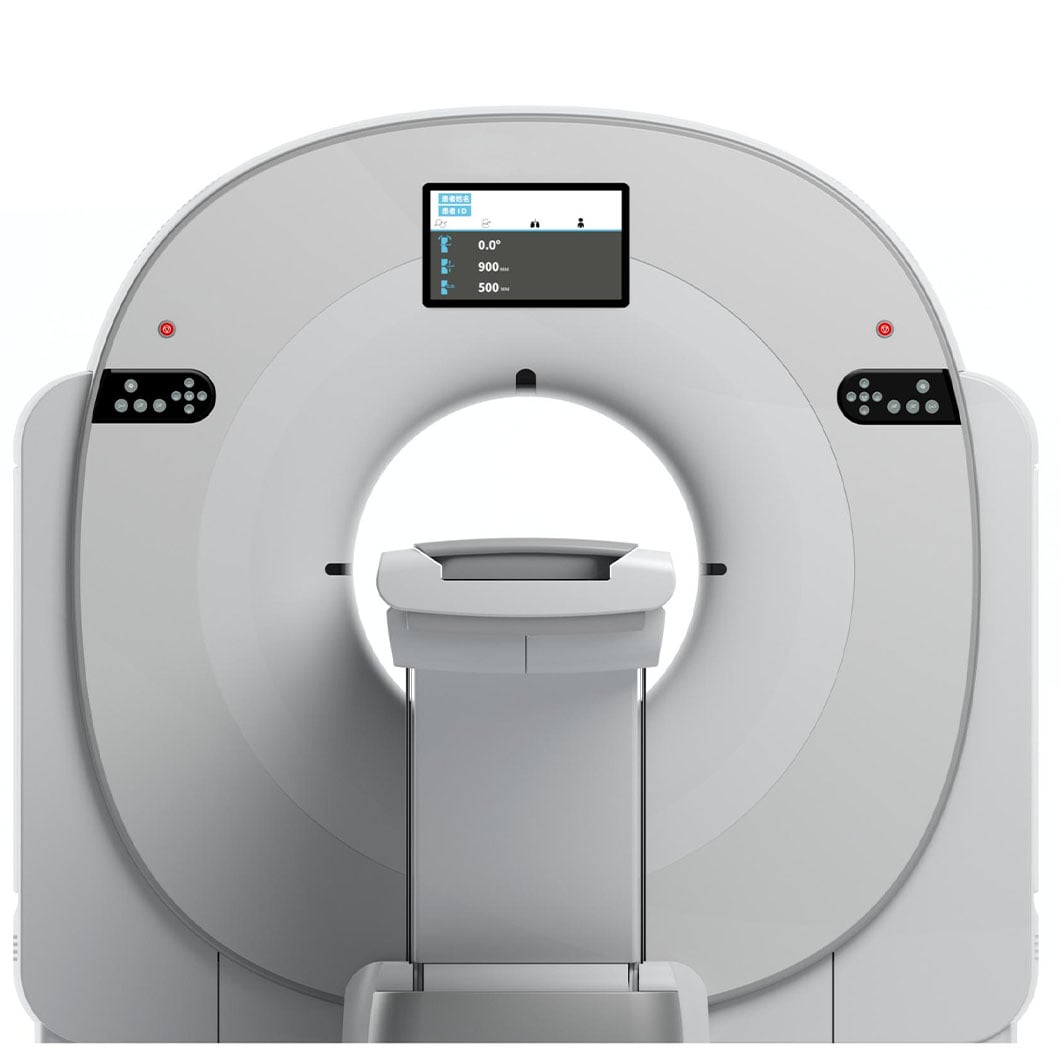
Computed tomography scans provide fast, detailed images that are essential for spotting serious trauma injuries. When patients go into hemorrhagic shock, contrast enhanced CT can find where blood is actively leaking from injured vessels with around 95% accuracy according to recent studies published in the Journal of Emergency Medicine last year. The technology works wonders for injuries to organs like the liver, spleen, or kidneys too. Special multi phase scanning techniques help doctors figure out how deep the damage goes and whether blood vessels are involved all within just a few minutes. For head injuries, cranial CT scans spot skull fractures along with dangerous collections of blood between the brain and skull called epidural or subdural hematomas at resolutions down to fractions of a millimeter something regular X rays simply cant match especially when dealing with complicated fractures that aren't obviously depressed. Time really matters here. Research from Trauma Surgery & Acute Care shows that patients who get their bleeding controlled during what emergency medicine calls the golden hour first hour after injury have about a third lower chance of dying compared to those who wait longer.
CT scans play a critical role when every second counts in emergency situations, allowing doctors to follow established protocols for quick decisions. The perfusion CT technique can tell within just eight minutes whether brain tissue is still salvageable or already dead, which directly affects if patients qualify for clot-busting treatments according to those AHA/ASA guidelines we all rely on. When it comes to spotting blood clots in the lungs, CT pulmonary angiograms have shown impressive results too. They boast around 98% accuracy at ruling out pulmonary embolisms, meaning patients get diagnosed much faster than with traditional ventilation/perfusion scans as reported in Chest Journal last year. And let's not forget about trauma cases where whole body CTs save precious time. These scans check for injuries across multiple areas at once - chest, belly, bones - and studies show they cut down how long it takes to move patients from the emergency room to surgery by about forty whole minutes in several hospitals across the country.
Computed Tomography (CT) scans are indispensable in oncology for detecting malignancies, evaluating tumor characteristics, and guiding clinical decisions.
CT scans with contrast help doctors spot tumors better because they show how blood vessels behave around suspicious areas. When we inject iodine based solutions into patients, it makes the edges of growths clearer on images, shows how quickly different parts take up the dye, and reveals if there are dead cells inside. These details matter a lot when trying to tell whether something is just a harmless bump or something more serious. The multi phase approach where we take pictures during different stages of blood flow gives us insight into how tumors actually work, which is particularly useful for checking organs like the liver, kidneys, and pancreas. There's also this newer technique called dual energy CT that helps differentiate between regular bleeding spots and actual calcium deposits. Sure, MRI machines give amazing detail for soft tissues in the brain and prostate area, but most hospitals still rely heavily on contrast enhanced CT scans for quick body checks since these scanners are available almost everywhere and can capture images down to fractions of a millimeter thick.
Computed tomography achieves over 85% accuracy in TNM staging for many solid tumors when assessing tumor size (T), nearby lymph node spread (N), and distant metastases (M). The volumetric data matches up with those standard AJCC criteria we all know and love. When it comes to spotting tiny metastases that CT might miss, PET/CT fusion scans step in to fill the gap. The NCCN guidelines rely heavily on these CT results for figuring out if something can be surgically removed, planning radiation treatments, and choosing appropriate systemic therapies. Take lung cancer staging for instance - anything larger than 1cm in diameter on CT images usually means getting a biopsy done. Newer technologies like iterative reconstruction techniques and spectral imaging have really helped cut down on image artifacts, making staging much more reliable especially in tricky areas like the head and neck region or abdominal cavity where anatomy gets complicated fast.
Computed tomography remains essential in diagnosing problems within the lungs. When it comes to spotting pulmonary embolisms, CT scans boast accuracy rates exceeding 95%, making them incredibly reliable for identifying those telltale signs inside blood vessels. High resolution imaging can pick out tiny lung nodules measuring just 1 to 2 millimeters across, which helps doctors assess cancer risks according to guidelines known as Lung-RADS. In cases involving interstitial lung diseases, CT provides much clearer pictures compared to regular chest X-rays. It distinguishes between various patterns such as honeycombing effects, areas appearing like ground glass, and stretched bronchiectasis features. These detailed images frequently mean patients avoid going through painful biopsies altogether.
When it comes to diagnosing acute abdominal problems, nothing beats an abdominal CT scan for getting clear answers. For appendicitis specifically, CT has become the go-to method with over 94% sensitivity rate, which means doctors can cut down on unnecessary surgeries by about 40%. The non-contrast version works wonders for spotting kidney stones causing pain, including those tricky ones that don't show up well on regular X-rays. With diverticulitis cases, CT scans help determine how bad the inflammation is and catch serious issues like abscesses or bowel perforations before they get worse. Doctors also rely on CT angiography to measure abdominal aortic aneurysms down to within 1 millimeter accuracy, something critical for deciding when to monitor versus operate. These days, low dose versions make it feasible to screen high risk groups regularly, following guidelines set out by the US Preventive Services Task Force recommendations.
Computed tomography scans provide exceptional accuracy when diagnosing serious medical issues ranging from bleeding inside the body to determining cancer stages. But there's a catch - these powerful tools require careful management of radiation exposure. Modern imaging centers follow what's called the ALARA principle, which basically means keeping radiation doses as low as possible while still getting good images. New technologies like image reconstruction software, color-based imaging techniques, and special detectors that count photons have made it possible to get quality CT images using about 40% less radiation than before. Safety around contrast materials has improved too. Most facilities now check patients' kidney function through blood tests before giving them iodine-based contrast agents. They also use devices that spot tiny air bubbles in IV lines, which helps prevent dangerous complications. When doctors decide whether someone needs a CT scan, they consider several things. First, is there solid medical reason based on symptoms and test results? Second, are there safer options available like ultrasounds or MRIs that might work just as well? And third, what about the specific risks for this particular person? Factors like their age, how well their kidneys work, and previous radiation exposure all play into this decision. Taking all these aspects into account helps ensure patients get the right diagnosis without unnecessary risks.
 Hot News
 EN
EN