The effectiveness of sterilizer steam against microbes comes down to how well we control the thermodynamics involved. When running at around 121 degrees Celsius (about 250 Fahrenheit) with steam pressure roughly 15 psi above normal air pressure, gravity displacement sterilizers can kill off all kinds of microorganisms including those tough heat resistant spores in about half an hour. Prevacuum models take things further by operating at even hotter temps like 132 C or 270 F with pressures hitting around 30 psi, getting the same level of sterility done in just four minutes flat. The reason pressure matters so much is because it actually raises the boiling point of water. Without enough pressure built up inside, the steam simply won't get hot enough to break down proteins or disrupt DNA structures within the microbes. And here's something interesting about how this works practically speaking. Since microbes die off following what scientists call logarithmic kinetics, adjusting the exposure time becomes critical when changing temperatures. If someone drops the temperature by ten degrees Celsius, they might need to double the amount of time items stay inside the sterilizer to still meet the standard sterility assurance level requirements set forth in industry standards.
For proper sterilization, we need at least 97% dry saturated steam, something that happens only after removing all the air during the preconditioning phase. When there's leftover air in the chamber, it creates these little insulating pockets that block steam from getting everywhere it needs to go. This problem gets worse with things like instruments with hollow channels, wrapped instrument sets, or items that are naturally porous. Those pesky non-condensable gases can cut down on how well heat transfers by nearly half, which means our sterilization just isn't as effective as it should be. To check if the steam quality meets standards, technicians look at two main factors: the dryness fraction and the amount of non-condensable gases present (ideally no more than 3.5% by volume). Too much moisture leads to those dreaded wet packs coming out of the sterilizer, and these packs pose a much higher risk of contamination once they're put back into service. Most facilities track their sterilization effectiveness through what's called F0 values. These numbers represent the total lethal exposure time compared against a standard temperature of 121 degrees Celsius. By monitoring these values, operators make sure even the hardest to reach areas in different types of loads get properly sterilized without any cold spots remaining.
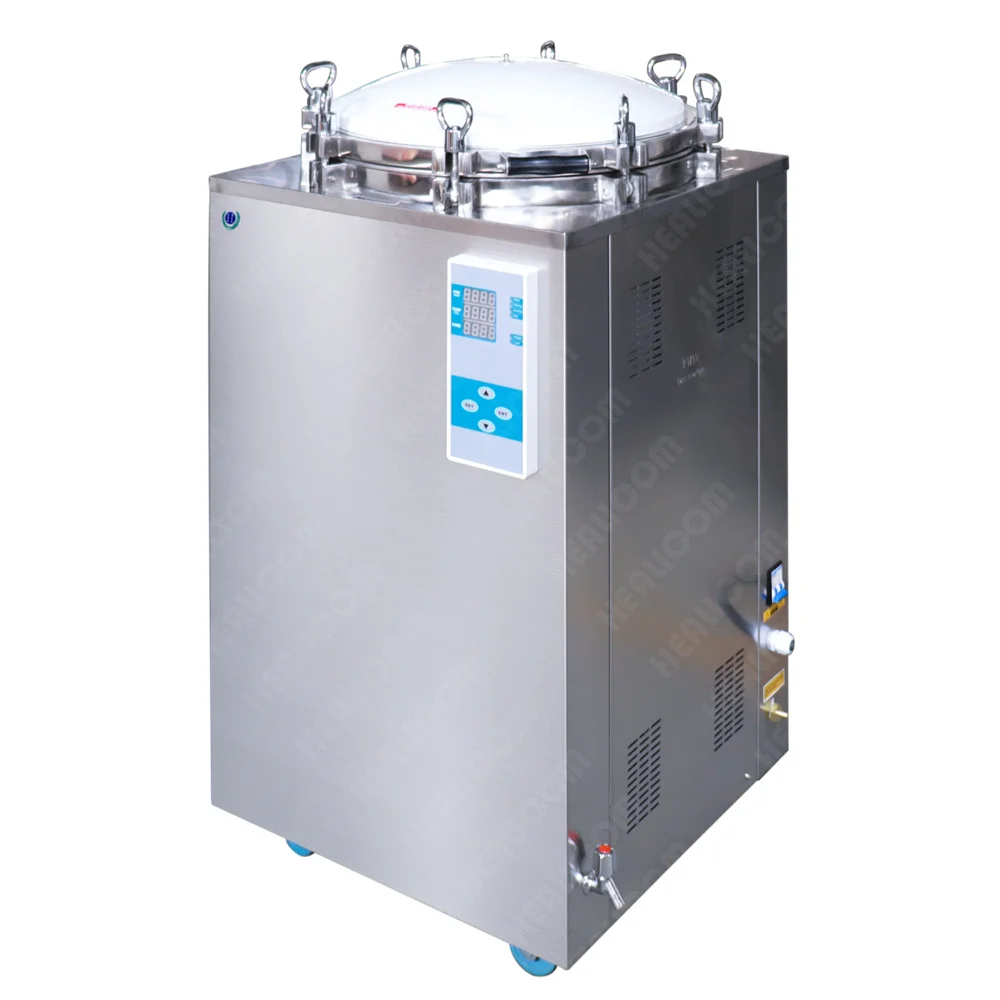
Gravity displacement sterilizers work by letting steam naturally rise and push out air from straightforward items like solid metal tools. These units are budget friendly and dependable for basic tasks, though they struggle to get rid of trapped air inside wrapped packages, layered containers, or thin tubes which leads to those annoying cold spots we all know about. Prevacuum models solve this problem through vacuum pumps that suck out over ninety nine percent of the air before injecting steam, allowing faster and more even coverage across complex items like ortho instruments or scope parts. Sure, these machines cost more upfront and need regular upkeep, but they cut down on sterilization issues dramatically. According to CDC reports, poor air removal actually causes around thirty percent of all steam sterilization problems in operating rooms.
Heat sensitive and moisture vulnerable equipment like flexible endoscopes, polymer based surgical tools, and delicate optical components benefit from steam flush pressure pulsing (SFPP) as a better option than traditional vacuum methods. The process works by switching between steam bursts and compressed air, creating turbulence that gets into hard to reach areas without causing excessive heat damage or leaving behind water residue. Real world testing shows these systems cut down on instrument damage around 40 percent when compared with regular vacuum cycles, plus they save about 22 minutes per procedure during turnaround times. What makes SFPP really stand out is how it keeps getting rid of condensation buildup, which actually causes roughly one sixth of all contamination problems related to wet packs failing in outpatient surgical facilities according to industry standards published in 2022.
The Bowie-Dick test checks how well air gets removed from prevacuum sterilizers by looking at whether steam can penetrate a standard test pack. When these tests fail, it usually means something's wrong with how the chamber evacuates properly. For real confirmation of sterilization effectiveness, facilities rely on biological indicators (BIs) filled with Geobacillus stearothermophilus spores. These BIs give concrete evidence at the microbial level about whether the process actually killed everything under normal operating conditions. If a BI comes back negative, that points to serious problems somewhere in the system. Maybe the equipment is acting up, someone skipped a step in the procedure, or worse yet, the steam quality has dropped below acceptable levels. Whatever the cause, any failed BI requires immediate action including quarantining all affected items, doing a thorough investigation to find out what went wrong, and implementing fixes before anyone tries running another batch. Facilities that consistently pass their BI tests typically hit sterility rates above 99.8 percent, which meets the latest ANSI/AAMI ST79:2022 guidelines for regular monitoring practices across healthcare settings.
Poor validation methods seem to be closely linked to healthcare associated infections. According to CDC data from 2023, problems with sterilization procedures were behind about 23% of surgical site infection outbreaks. These issues included things like skipping biological monitoring tests, doing Bowie Dick tests inconsistently, and not properly documenting all the physical parameters during processing. Hospitals that put in place proper validation systems saw their infection rates drop by around 15%. What's interesting is that almost half (41%) of the instrument contamination cases that could have been prevented actually stemmed from issues with steam quality. This shows us that just focusing on temperature, pressure and cycle times isn't enough when it comes to sterilization. We also need to pay close attention to how pure the steam is and whether it reaches every part of the instruments correctly.
Steam sterilization technology has moved well past just handling surgical tools these days, finding its way into all corners of modern healthcare settings. Nursing homes are installing smaller steam units to clean things like breathing masks and dressings, which cuts down on contamination problems by about two thirds in places where equipment turns over constantly. Clinics that see patients on the same day often use fast acting sterilizers so they can get instruments ready quickly without any risk to sterility. The pharmaceutical industry relies on ultra pure steam that meets strict standards to clean everything from glass containers to complex reactor vessels, keeping medicines free from contaminants. We're seeing new uses pop up too, like cleaning hospital linens and disinfecting surfaces when there's an outbreak situation. Steam doesn't leave behind anything harmful, making it a greener option compared to traditional chemical cleaners. All these different applications show how versatile steam really is in tackling various infection control challenges throughout the healthcare system while still meeting regulations and helping facilities run better.
 Hot News
 EN
EN