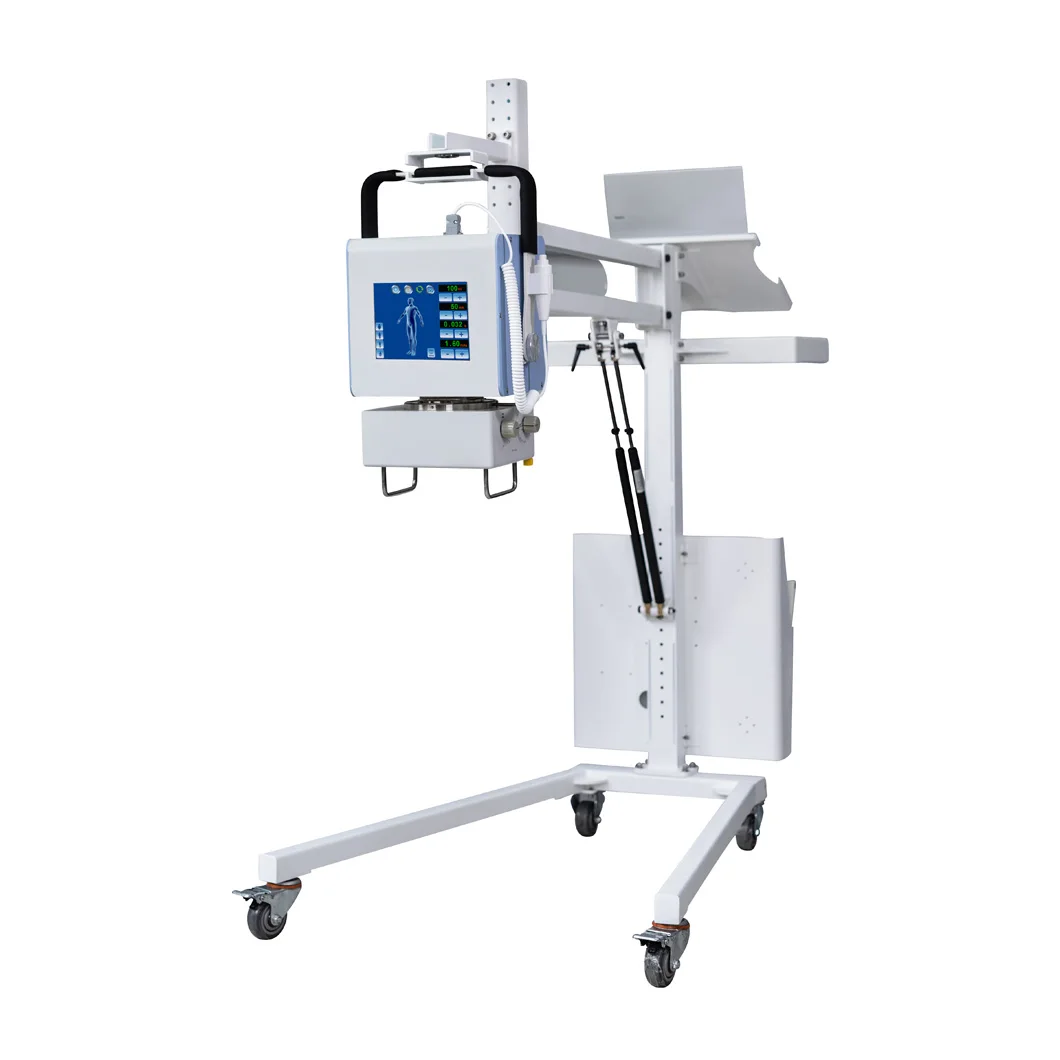
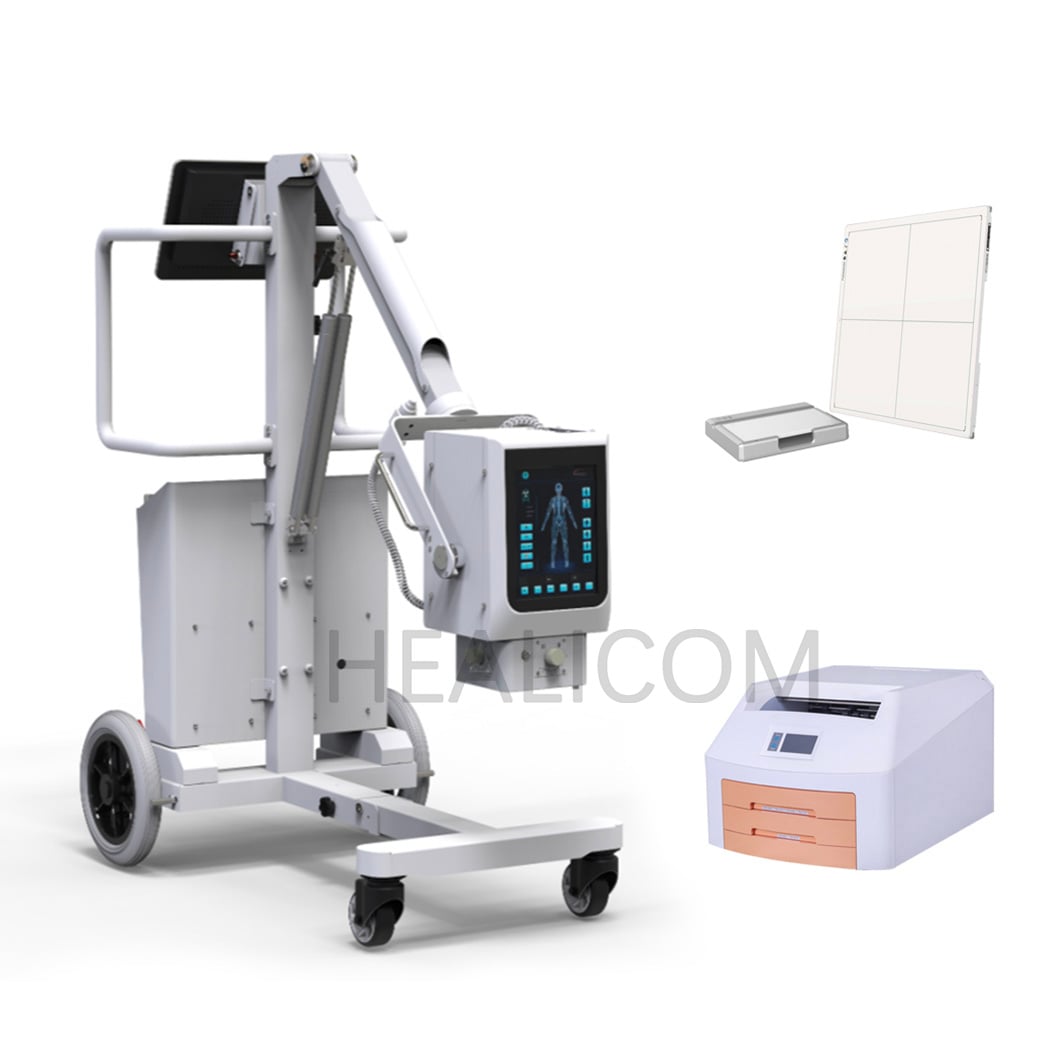
The price tag for digital radiography (DR) systems generally ranges between $85,000 and $160,000, whereas computed radiography (CR) units tend to fall somewhere around $40,000 to $75,000 based on what most folks in the business are seeing these days. Why does DR come with such a bigger price? Well, it all comes down to those direct-to-digital sensors that cut out the need for cassettes and all that messy chemical processing stuff. Clinics that switch over usually find themselves saving anywhere from $8,000 to $12,000 each year just on film costs alone, plus they spend less time worrying about storage space and staff hours spent managing old-school processes. According to a recent Future Market Insights study looking at market trends through 2025, medical facilities using DR report cutting their downtime by roughly 70% when compared to traditional methods, which makes sense given how much faster everything runs without waiting for films to develop.
Flat-panel detectors (FPDs) in DR systems account for 30–45% of total costs. Higher-resolution amorphous selenium detectors (30 lp/mm) cost 18–25% more than silicon-based alternatives (12 lp/mm). Portable units with ruggedized wireless sensors add $15k–$22k to base prices versus fixed detectors.
DR systems produce diagnostic images in 9–12 seconds, versus CR’s 90–150 seconds. Studies show DR reduces retakes by 40% through real-time exposure adjustments—critical for pediatric or trauma cases. CR images average 2.5–3.5 line pairs/mm, while DR achieves 4.5–6.0 lp/mm, significantly enhancing fracture detection accuracy.
Over 7 years, DR systems demonstrate 18–22% lower TCO than CR despite the higher initial xray machine price. Clinics using DR report 38% faster workflow due to automated DICOM integration, compared to CR’s manual scanning process. DR’s radiation dose optimization also reduces shielding retrofit costs by $4k–$7k per room.
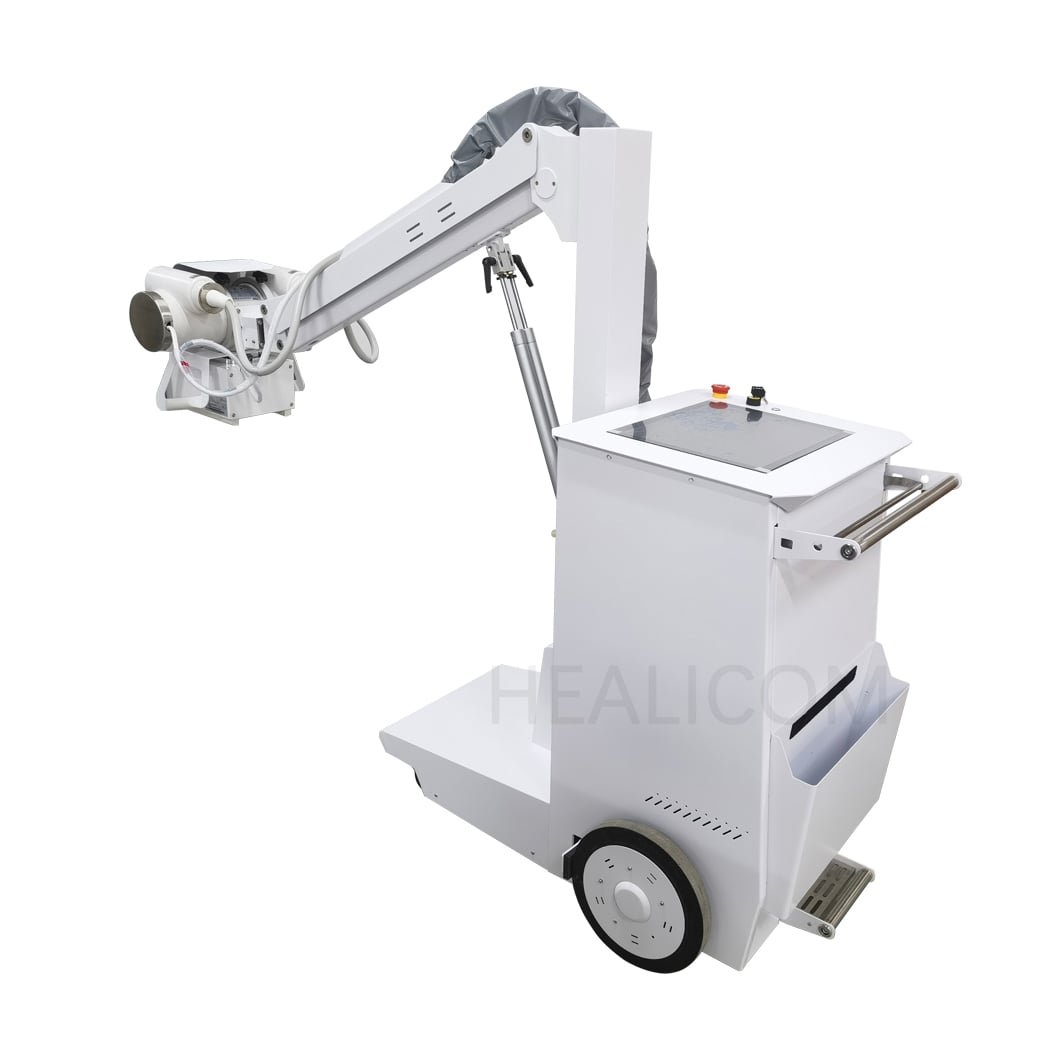
The price tag for portable X-ray machines usually lands somewhere between $55,000 and $110,000 according to Medical Imaging Insights from last year. Stationary systems tend to be even pricier, going all the way up to $250,000 sometimes. Why such a big difference? Well, it comes down to what's inside those machines. Mobile versions have smaller components packed into them - think compact generators and lighter weight detectors. But when hospitals install their bigger stationary counterparts, they need special floors that can handle the weight plus separate electrical systems to power everything properly. And let's not forget about money spent elsewhere either. A recent 2024 study looking at how medical facilities handle equipment installation showed something interesting too. Clinics that went with stationary systems ended up spending around 17 percent extra just on things like adding lead shielding walls and adjusting heating ventilation systems throughout the building.
Clinics with limited space can actually save between twelve thousand and thirty thousand dollars when they opt for modular equipment or go with ceiling mounted options instead of going through expensive renovations. Take one small clinic only about 120 square feet in size as an example case study. They cut down their installation expenses roughly forty two percent simply by getting a rolling X ray cart rather than installing something on the walls, which is what most people would typically do. And interestingly enough, equipment that needs ten square feet or less of actual floor area tends to result in around thirty one percent fewer service requests after being installed, when compared against those larger bulkier alternatives that take up so much room.
Portable X-ray machines today generally last between 8 to 12 hours on a single charge, thanks to their lithium-ion batteries which typically need replacing after around 5 to 7 years of service. Medical facilities have noticed something interesting too: clinics using the tougher, mobile versions with those IP54 rated protective cases and built-in shock absorption see about 23 percent fewer repair incidents compared to standard models. Sure, there's an extra cost factor here worth mentioning. The repeated battery replacements will set back anywhere from $1,200 to $2,500 over time. But when looking at the bigger picture, this ends up saving money in the long run since it avoids spending upwards of $8,000 to $15,000 on all the wiring and infrastructure changes needed for traditional fixed installation systems.
The price gap between brand new and used digital X-ray machines is pretty significant these days. New models usually set clinics back anywhere from 50 to 70 percent more than their refurbished counterparts. We're talking about base prices around $75k to $150k for fresh off the shelf equipment, while certified pre-owned options generally fall between $35k and $75k. Sure, buying refurbished saves money upfront, but there are often unexpected costs down the road too. Things like needing parts replaced or dealing with surprise breakdowns can really eat into those initial savings. According to some recent market research from 2023, nearly two thirds of medical facilities that went with refurbished gear ended up spending more on maintenance during their first year than they would have with new machines. That makes it all the more important for clinic managers to think beyond just the sticker price when making their purchasing decisions.
According to Clinical Imaging Journal from 2023, refurbished X ray machines tend to fail about 30 percent more often during their first three years than brand new ones do. But there's hope for those looking at used equipment. Machines that come with full service history logs and parts certified by original manufacturers can last almost as long as new gear if they get proper care. Hospitals and clinics wanting dependable performance need to check several things before buying. Look for detailed maintenance documentation, make sure the X ray tubes haven't been running too much (ideally under 15 thousand hours total), and confirm that detectors were calibrated recently. These checks go a long way toward ensuring reliable imaging equipment without breaking the bank.
Certified refurbished systems typically carry 1–2 year warranties versus 3–5 years for new equipment. Leading certification bodies like ISO require full component testing to original specifications, radiation output verification, and safety system validations. Clinics should prioritize suppliers adhering to ISO 9001/13485 standards to mitigate performance risks.
Peer-reviewed studies demonstrate <2% variation in diagnostic accuracy between properly refurbished and new DR systems when imaging standard anatomical regions (Radiology Tech Today 2024). However, clinics requiring advanced orthopedic or pediatric imaging reported 12–18% longer processing times with refurbished units in low-dose modes, reflecting disparities tied to older technology generations.
Established manufacturers with proven reliability typically command 20–35% price premiums over newer market entrants. Clinics prioritize brands with ISO 13485 certification and 10+ years of clinical validation, as these systems demonstrate 40% fewer component failures according to 2023 medical imaging maintenance reports.
Comprehensive service agreements reduce lifetime costs by up to 60%, with leading providers offering 24/7 technical support and predictive maintenance via IoT sensors. Healthcare technology assessments show clinics using OEM-certified service networks experience 78% faster resolution times for complex hardware faults compared to third-party repair services.
Geographic coverage directly impacts operational continuity—clinics in rural areas using suppliers with regional service hubs report 50% lower emergency repair costs. Medical equipment procurement studies emphasize evaluating average response times, as delays exceeding 48 hours can force temporary clinic closures costing $1,200–$2,500 daily in lost revenue.
What kind of imaging is needed makes a big difference in how much an xray machine will cost. Dental offices typically pay around 20% less for their equipment compared to orthopedic clinics because they don't need as much power or large detectors. For clinics that want something versatile enough for most situations, there are mid range options available with those standard 14 by 17 inch detectors. These usually fall somewhere between $45,000 and $65,000 which seems reasonable when considering what they can do. Orthopedic specialists though tend to spend upwards of $85,000 on higher resolution machines since they need clear images of joints and bones for proper diagnosis and treatment planning.
Modern DR systems with AI-powered lesion detection or fracture recognition tools command premiums of $12k–$20k over basic software packages. These platforms reduce diagnostic errors by 32% in recent clinical trials but require annual licensing fees ($3k–$5k) for algorithm updates.
 Hot News
 EN
EN