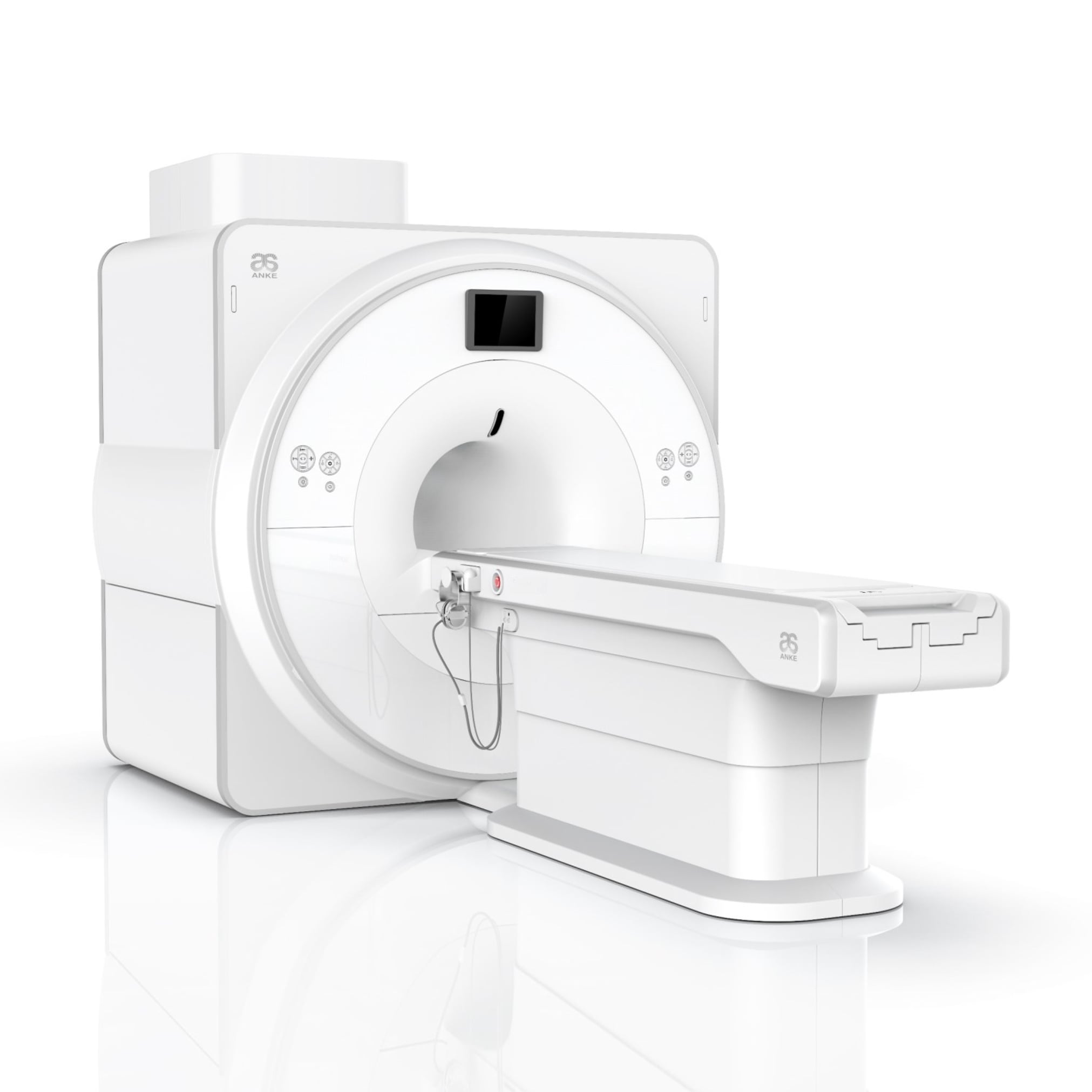
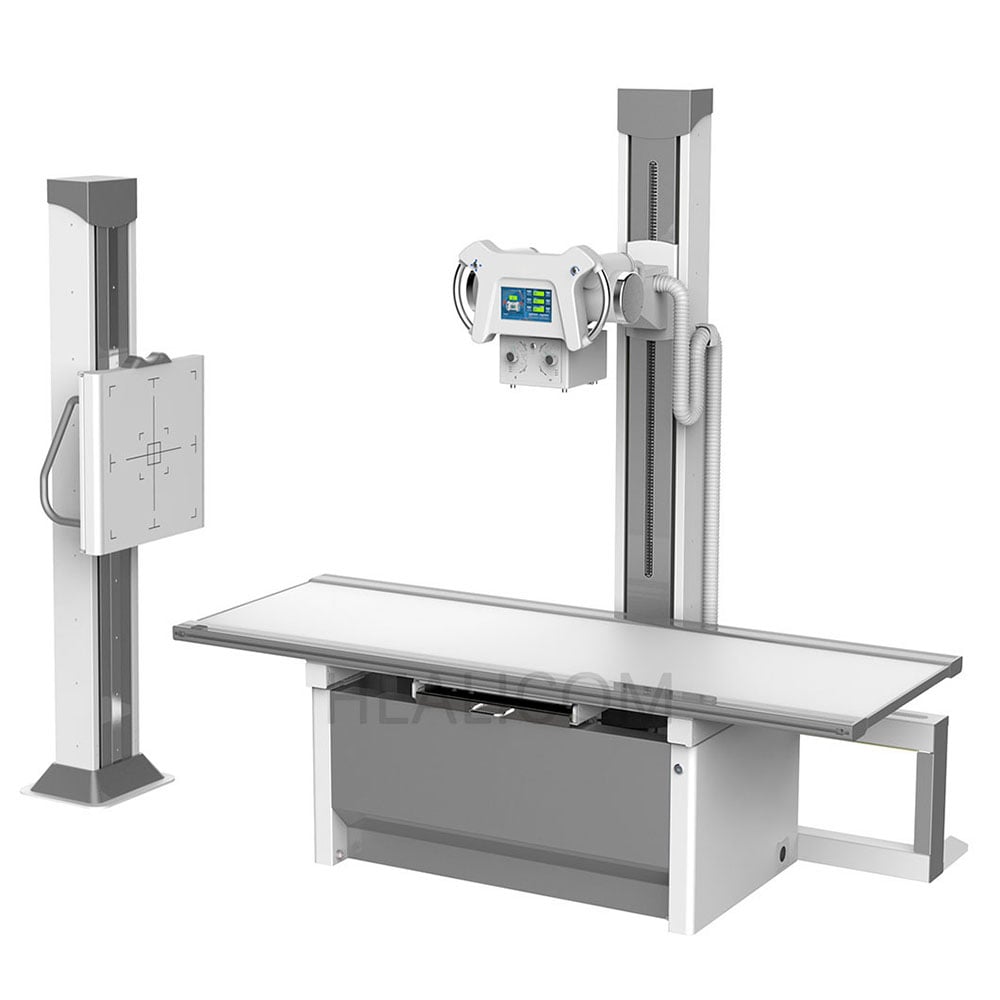
Anesthesia equipment started out pretty basic back in the 1840s with those simple ether inhalers. Things got a bit better over time, and by the 1950s we were seeing copper and glass vaporizers become common. Then came the big leap forward in the 90s when ventilators started getting controlled by microprocessors. These new machines had all sorts of programmable settings and digital pressure monitors. Some early tests showed around a 28% drop in calculation mistakes compared to older methods, though results varied between hospitals. All these changes set the stage for what we have now - complex systems that combine old fashioned mechanical parts with modern computer tech. The result? Machines that work reliably day after day in operating rooms across the country.
Today's anesthesia equipment comes with built-in wireless features and connects smoothly to various data systems, so doctors can see patient information from EHRs right away during procedures. Research published last year showed that when hospitals started using smart algorithms for anesthesia management, they saw about a 19 percent drop in medication mistakes compared to older machines that worked alone. Another interesting development is these new closed loop ventilation systems that tweak breathing rates automatically based on ongoing carbon dioxide measurements. Hospitals reporting early results say patients stay better oxygenated throughout long operations, with some seeing improvements around 23% higher than traditional methods.
Anesthesia equipment powered by artificial intelligence uses machine learning techniques to process various types of data at once, including things like brain wave monitoring through EEGs and changes in blood pressure dynamics. Take for example a study published in JAMA back in 2023 which found that when AI was used to adjust propofol doses during surgery, it cut down on mistakes made by humans by about one third among patients considered high risk. What's really impressive though is how these smart systems can spot signs of low blood pressure coming up anywhere between 8 to 12 minutes ahead of time just by looking at arterial waveforms. This early warning allows doctors to give medications that raise blood pressure before problems occur, resulting in roughly a 21 percent drop in complications after surgery according to research findings.
Modern anesthesia apparatus integrates three groundbreaking technologies to optimize drug delivery and patient monitoring. These systems now function as dynamic platforms that adjust care in real time, combining pharmacological precision with advanced biosensing capabilities.
Self-regulating systems automatically adjust anesthetic agents like propofol and remifentanil using machine learning algorithms analyzing 15+ parameters, including blood pressure and end-tidal CO2. This technology reduces dosage variability by 37% compared to manual administration (Pedersen 2025), while maintaining anesthetic depth within ±5% of target ranges.
Bispectral Index (BIS) monitors now combine with electromyography to assess both hypnosis depth and muscle relaxation simultaneously. This dual monitoring approach prevents 1 in 8 cases of unintended intraoperative awareness according to anesthesia safety research. Modern systems alert clinicians when neuromuscular blockade exceeds 90% for over 20 minutes, reducing postoperative weakness risks.
Portable ultrasound units integrated into anesthesia workstations enable real-time vascular access visualization and nerve block guidance. A 2024 clinical trial showed ultrasound-guided regional anesthesia improved first-attempt success rates by 62% compared to landmark techniques. These imaging systems automatically overlay vascular anatomy on live ultrasound feeds using augmented reality technology.
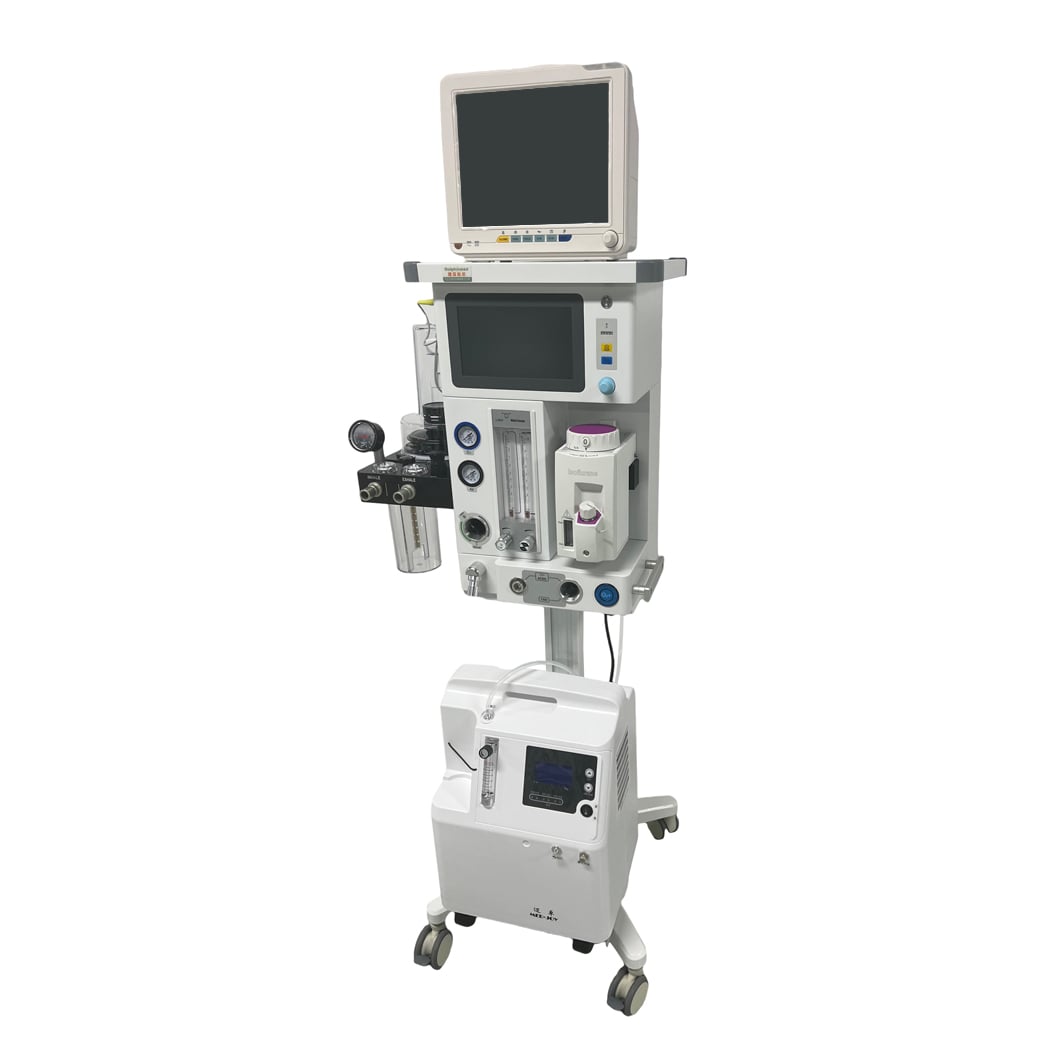
Today's anesthesia machines are getting smarter thanks to machine learning technology that helps fine tune medication delivery as surgery progresses. The closed loop systems look at things like BIS scores, heart rate monitoring, and blood pressure readings to tweak how much propofol or remifentanil gets administered automatically. Research published in Springer back in 2025 found these AI powered approaches cut down on instances where patients were too sedated by about a third compared to when doctors did it manually. What's more impressive is that surgeons still had good working conditions during operations around 94 percent of the time. One big plus is how these systems can account for differences in how people metabolize drugs. This matters especially for older folks and anyone whose liver function isn't quite right, making anesthesia safer and more predictable across different patient profiles.
Anesthesia systems powered by artificial intelligence can actually spot changes in blood pressure anywhere from 8 to 12 minutes before they happen. These smart platforms learn from looking at more than 250 thousand surgeries, picking up on tiny clues hidden in arterial waves and breathing patterns that most people wouldn't even notice. Doctors who have started working with these advanced tools tell us there's been around a 40 percent drop in cases where patients experience dangerously low blood pressure during operations. What makes this tech really stand out is how it connects directly to IV fluid delivery devices and medications that help maintain proper blood pressure levels, allowing medical teams to stabilize vulnerable patients before problems arise instead of just reacting after the fact.
The way we monitor anesthesia depth has changed quite a bit over time. Back in the day, doctors relied on fixed numbers and general guidelines. Now we have these smart systems that look at each patient individually. They take brain wave readings from EEGs and match them up against how intense the surgery actually is, plus what we know about the patient's thinking abilities before the operation even starts. When applied specifically to back operations, hospitals saw something pretty impressive happen. Delayed waking up after surgery dropped by nearly 30%, and they were able to cut down on wasted anesthetics too, around 19% less according to research from Ponemon in 2023. What makes this so valuable is that it lets medical teams tailor recovery plans for each person. Instead of one size fits all, they can adjust medications depending on how fast someone's body processes drugs and their overall metabolism.
Table: Key Performance Improvements with AI-Driven Anesthesia
| Parameter | Manual Systems | AI-Optimized | Improvement |
|---|---|---|---|
| Hypotension Prediction | 67% accuracy | 91% accuracy | +36% |
| Drug Consumption | 100% baseline | 81% | -19% |
| Recovery Time | 22 minutes | 16 minutes | -27% |
The latest anesthesia machines now come equipped with artificial intelligence features that cut down on human error risks and help maintain more consistent patient outcomes. These advanced closed loop systems can tweak medication levels all by themselves, watching EEG readings and blood pressure numbers in real time. According to research published last year in the Journal of Clinical Anesthesiology, this automation cuts dosage mistakes by around 38 percent when compared to what happens with traditional manual approaches. Another big plus is their ability to spot problems before they become serious issues. The AI looks for warning signs that something might be going wrong with a patient's circulation system and lets doctors know much quicker than standard monitoring does. Studies show clinicians can respond about 2.7 times faster when these smart systems are in play.
A 2024 trial of 850 patients undergoing cardiovascular surgeries demonstrated AI-driven anesthesia platforms reduced postoperative delirium by 41% and hypotension episodes by 67%. The system's automated record-keeping feature simultaneously eliminated 92% of documentation errors while maintaining regulatory-compliant audit trails.
While smart anesthesia apparatus enhances procedural safety, effective adoption requires updated certification programs addressing AI interpretability and emergency override protocols. Simulation-based training modules now cover scenarios like sensor failure recovery and transitional care coordination, ensuring clinicians maintain expertise in both technological and manual interventions.
 Hot News
 EN
EN