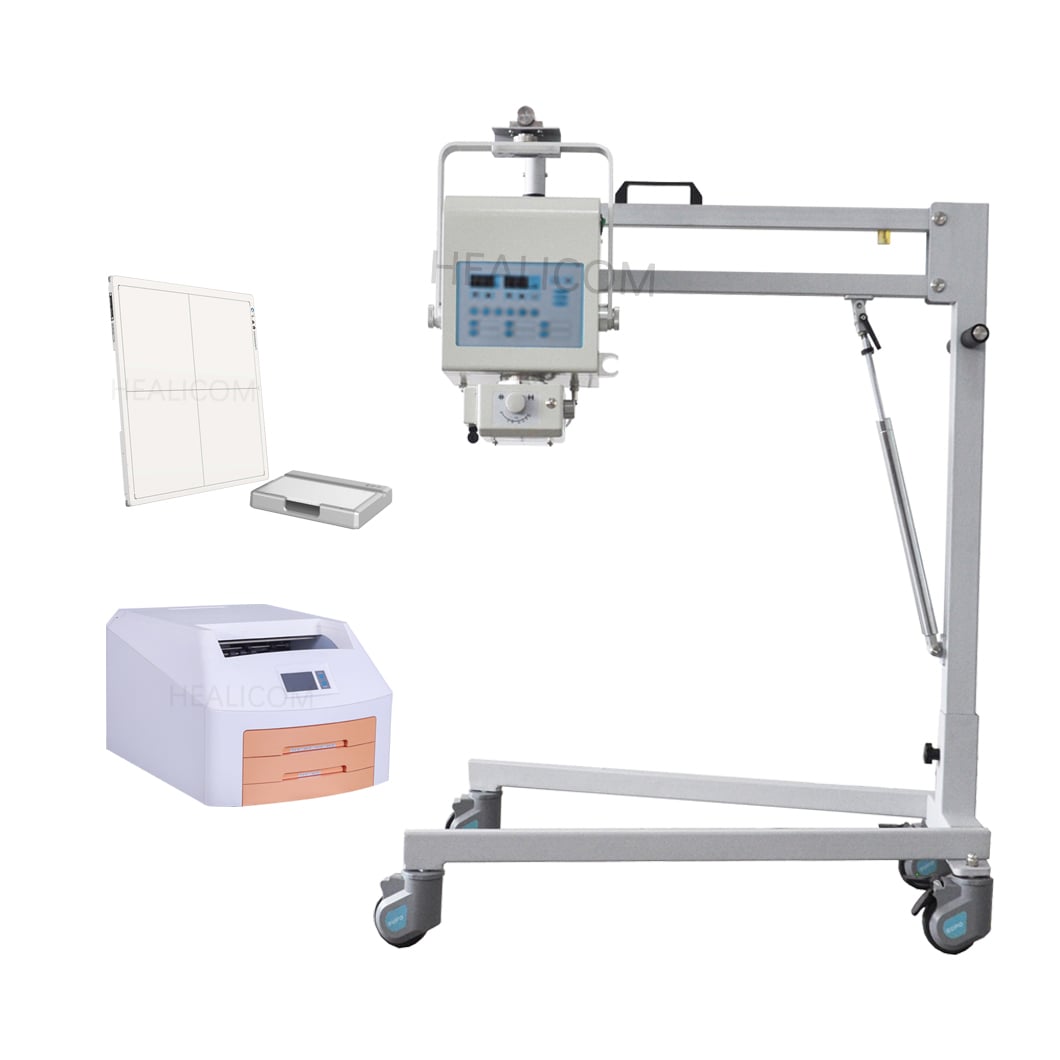
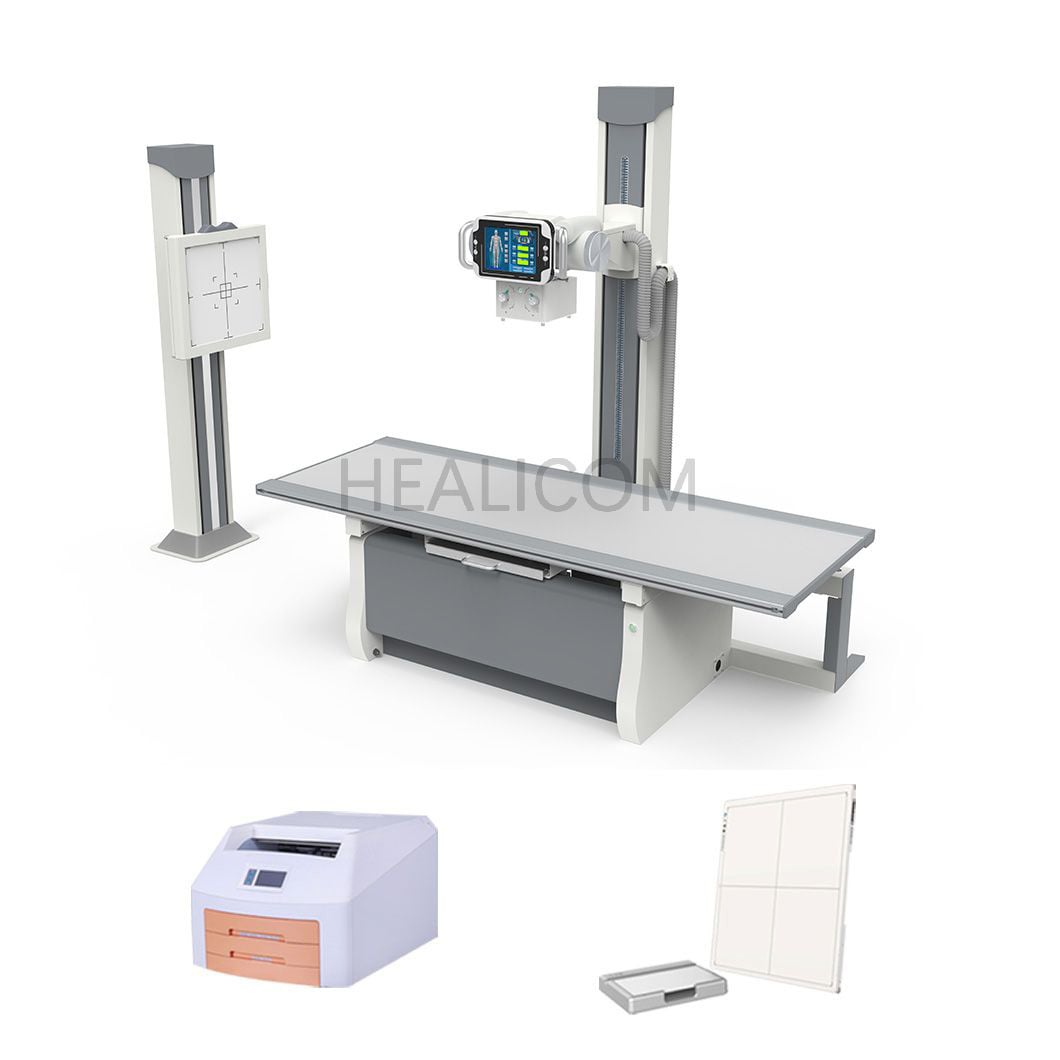
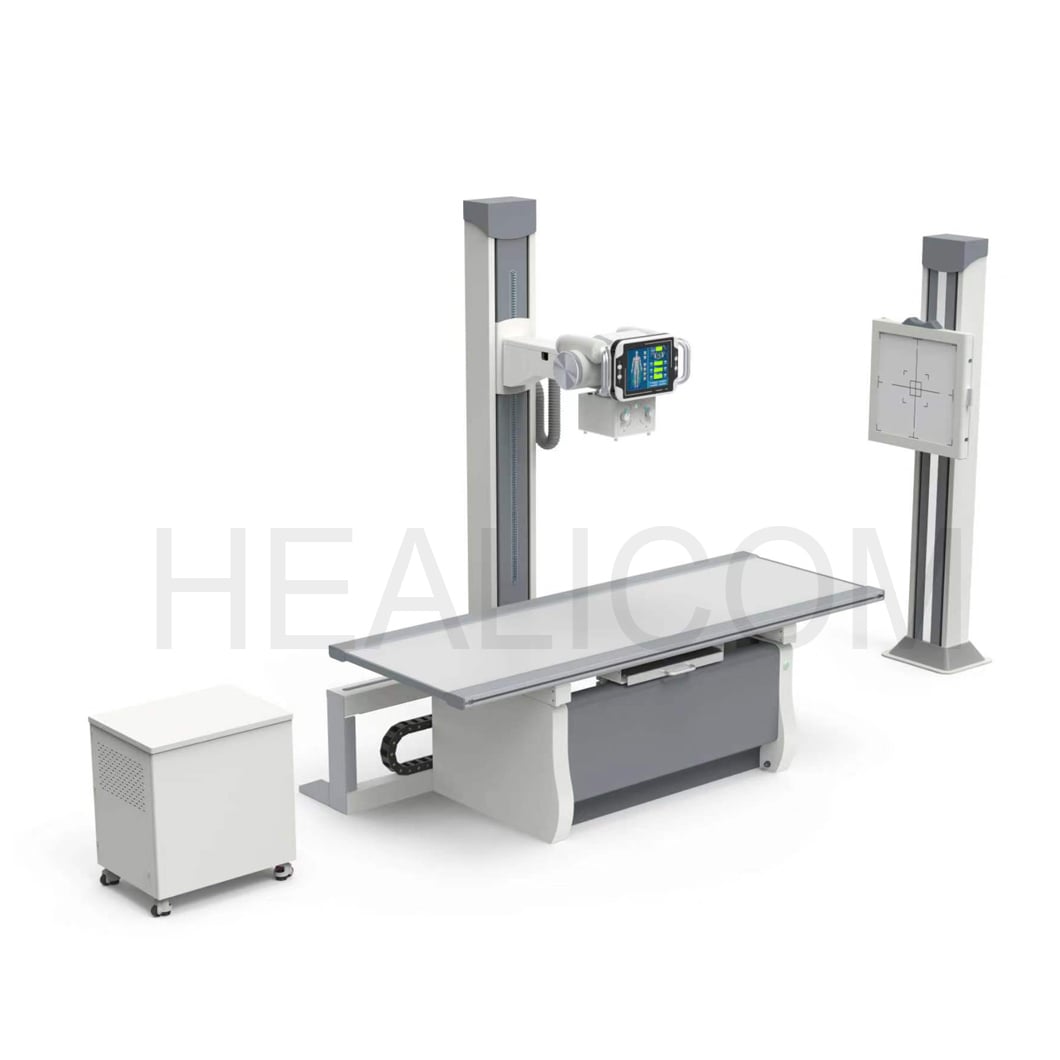
OSHA has set clear guidelines regarding how much radiation healthcare workers can be exposed to when working with medical X-ray equipment. According to regulation 29 CFR 1910.1096, medical facilities are required to keep employee exposure below 5,000 millirems (or 50 millisieverts) each year from their job duties involving radiation. To put this into perspective, most people know that getting a simple chest X-ray delivers around 10 mrem of radiation according to the National Council on Radiation Protection's latest report from 2023. Medical clinics need to put several safety measures in place including proper shielding around X-ray machines, regular checks of the air quality every three months, and clearly marking areas where radiation levels might reach over 100 mrem in a given year. Failure to follow these rules can lead to serious consequences, with fines going as high as $15,625 for each violation based on what OSHA announced for 2024 enforcement actions.
The FDA's 21 CFR 1020 mandates medical xray machines meet design and performance criteria to minimize patient and operator risks. Key requirements include:
| Parameter | FDA Limit | Industry Best Practice |
|---|---|---|
| Beam filtration | ≥2.5 mm aluminum equivalent | 3.0–4.0 mm for high-resolution |
| Leakage radiation | <0.1 mSv/h at 1 meter | <0.05 mSv/h via collimators |
| Tube voltage accuracy | ±5% of indicated kVp | ±3% with digital calibration |
Healthcare providers must harmonize OSHA and FDA rules through:
State radiation safety frameworks for medical xray machines operate under 37 Agreement State programs approved by the Nuclear Regulatory Commission (NRC), creating significant jurisdictional differences. A 2023 analysis by the Conference of Radiation Control Program Directors (CRCPD) found:
This patchwork complicates compliance for multi-state healthcare networks, with Texas and Florida enforcing third-party engineering reviews for shielding designs, while 12 states accept manufacturer specifications without verification.
All medical xray machine operators must submit:
85% of states conduct unannounced inspections focusing on:
Noncompliance penalties average $7,500 per violation, with repeat offenders facing equipment sequestration in 22 states. Facilities must retain inspection records for 7 years post-decommissioning under most programs.
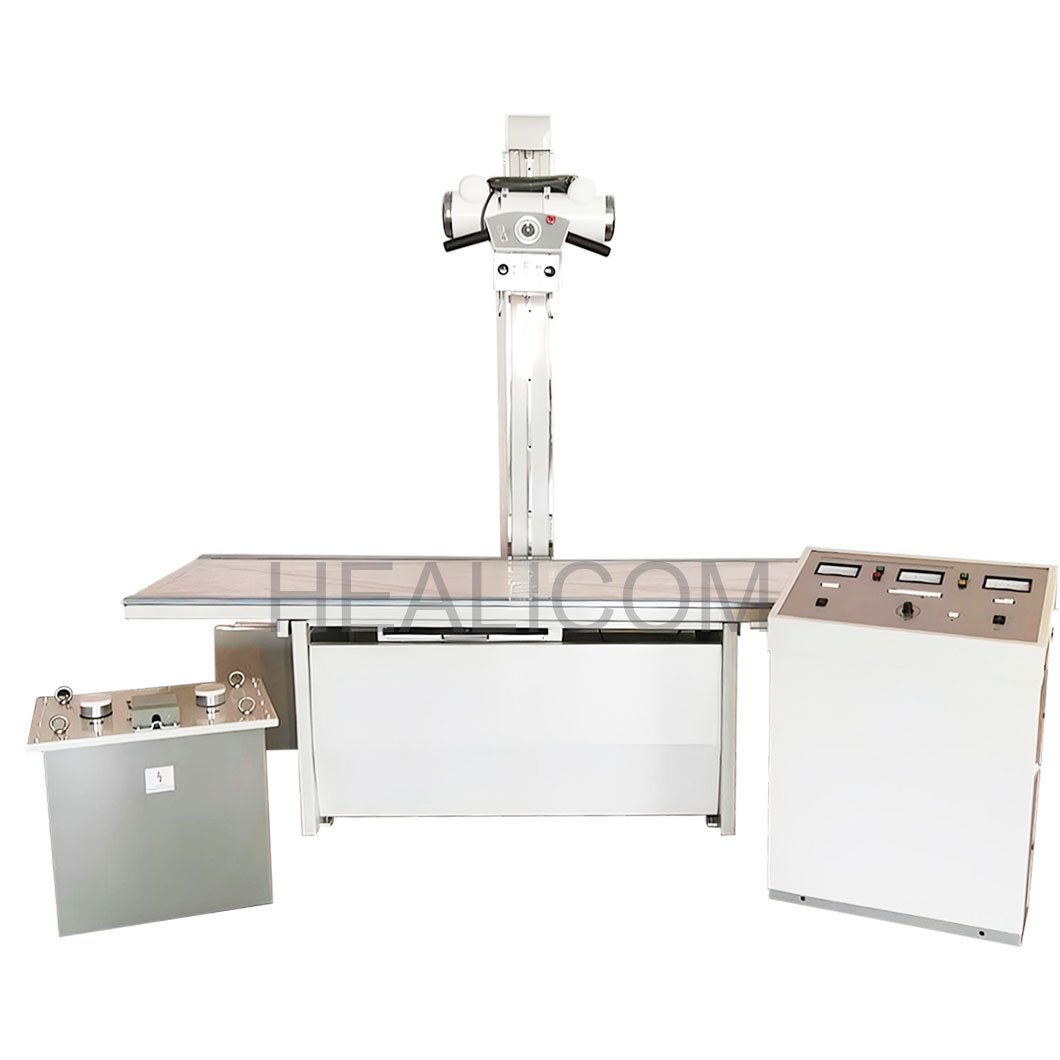
Radiation risk evaluations are essential building blocks for any safety program involving medical X-ray equipment. Hospitals need to create detailed maps showing radiation levels throughout their facilities using properly calibrated measuring devices. They should also track how different staff members get exposed over time, especially focusing on spots where yearly radiation might reach close to 5,000 millirem according to NCRP guidelines from 2023. Checking for scattered radiation around protective barriers every three months is another important task. Why? Because faulty maintenance actually causes about one quarter of all accidental exposures as noted in a study published by Journal of Radiological Protection back in 2022. Keeping these machines in good working condition isn't just about following rules it's literally about protecting people from harm.
The Radiation Safety Officer (RSO) oversees implementation of ALARA principles (As Low As Reasonably Achievable), including:
A 2024 study found facilities with RSOs certified by the American Board of Health Physics reduced protocol violations by 63% compared to those without dedicated officers (Health Physics Society).
Modern programs pair passive dosimeters with active monitoring systems:
| Technology | Purpose | Reporting Frequency |
|---|---|---|
| TLD Badges | Track cumulative exposure | Monthly analysis |
| Wireless PIN diodes | Alert for sudden dose spikes | Instant SMS alerts |
Real-time systems slash response times – when paired with automated beam shutoffs, they prevent 89% of overexposure events (IAEA Safety Report Series No. 114). Facilities using hybrid models report 40% fewer regulatory citations (FDA, 2023).
The International Commission on Radiological Protection, commonly known as ICRP, has been setting the standards for keeping patients safe from radiation during X-ray procedures. Their approach focuses on three main principles: making sure each procedure is justified, optimizing the process to minimize risk, and limiting the actual radiation doses given out. When they released Publication 103 back in 2007, it brought some major changes including new ways to calculate tissue risks and set limits for workers exposed to radiation. These updates didn't go unnoticed either. Just look at how the FDA adjusted their regulations under 21 CFR 1020.30 in 2022 based on this research. Today, about 89% of hospitals across America follow these ICRP guidelines when designing protective barriers and monitoring staff exposure levels. And guess what? This has led to cutting down on unnecessary radiation exposure by around 34% since before those 2007 standards were put into place according to recent findings published in the Journal of Radiological Protection last year.
The National Council on Radiation Protection and Measurements, commonly known as NCRP, works to connect international radiation protection standards from organizations like ICRP with how things actually work in American hospitals and clinics. One key document they've developed is Report No. 178, which lays out practical limits on radiation doses for people working with X-ray equipment. Their guidelines about monitoring radiation exposure in real time require healthcare facilities to check staff exposure records every three months. These rules have become standard practice across most of the country, with about 43 states now incorporating them into their regular safety checks. Hospitals that follow these procedures tend to run into far fewer problems when the FDA comes in for inspections. According to recent data from the NCRP Annual Report (2023), such facilities experience roughly 25-30% fewer compliance issues overall and see around 18-20% fewer problems with getting X-ray machines properly calibrated.
 Hot News
 EN
EN