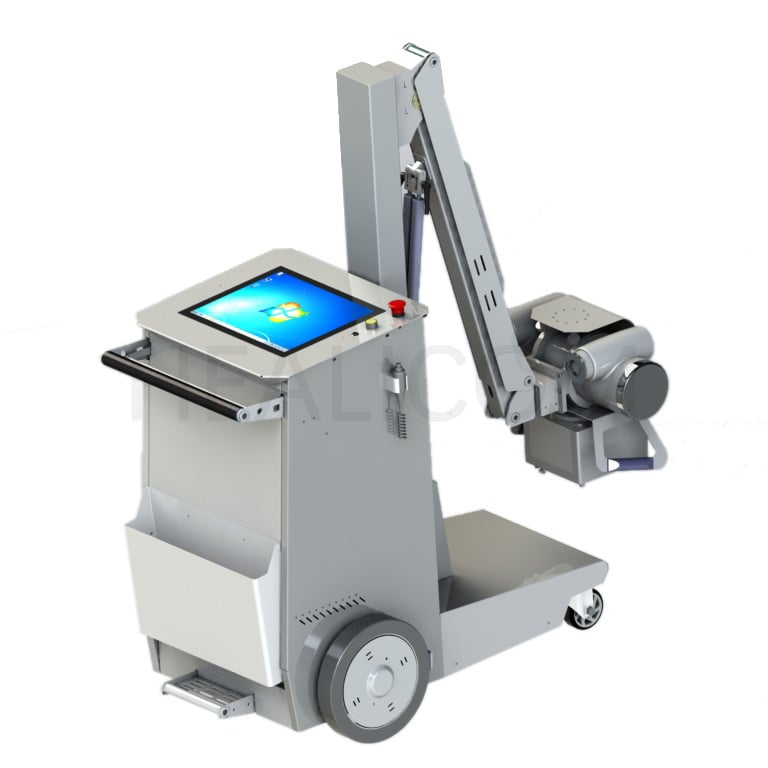
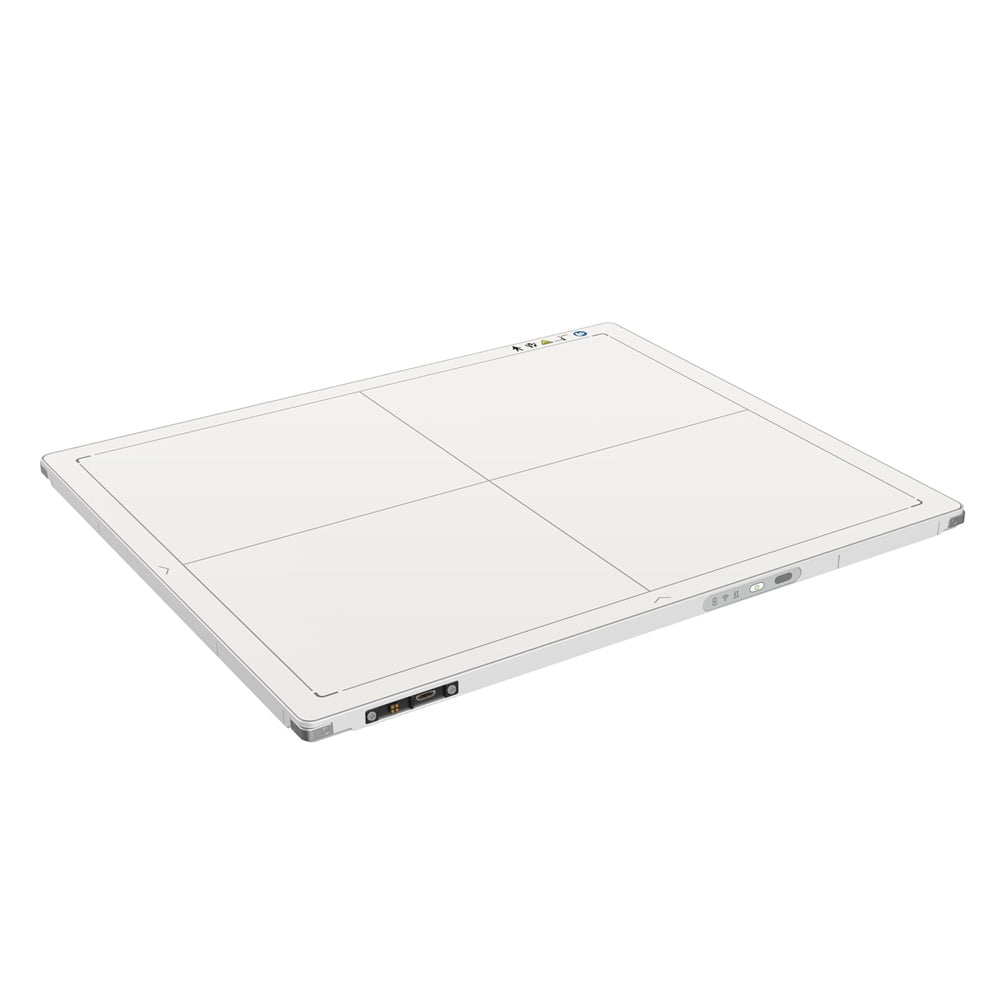
The 4D ultrasound takes regular 3D imaging and adds movement, so parents can actually see their baby moving around in real time like when they yawn or stretch. Traditional 2D scans give those flat black and white pictures we all know, but 4D works differently. These newer systems bounce sound waves really fast, processing them at speeds above 30 frames each second, which creates these moving 3D images that look almost lifelike. More and more doctors offices are getting on board with this tech these days. According to recent numbers, something like 8 out of 10 maternity clinics have started using these advanced imaging systems not just because they help spot potential issues earlier, but also because families love seeing what's going on inside the womb during checkups.
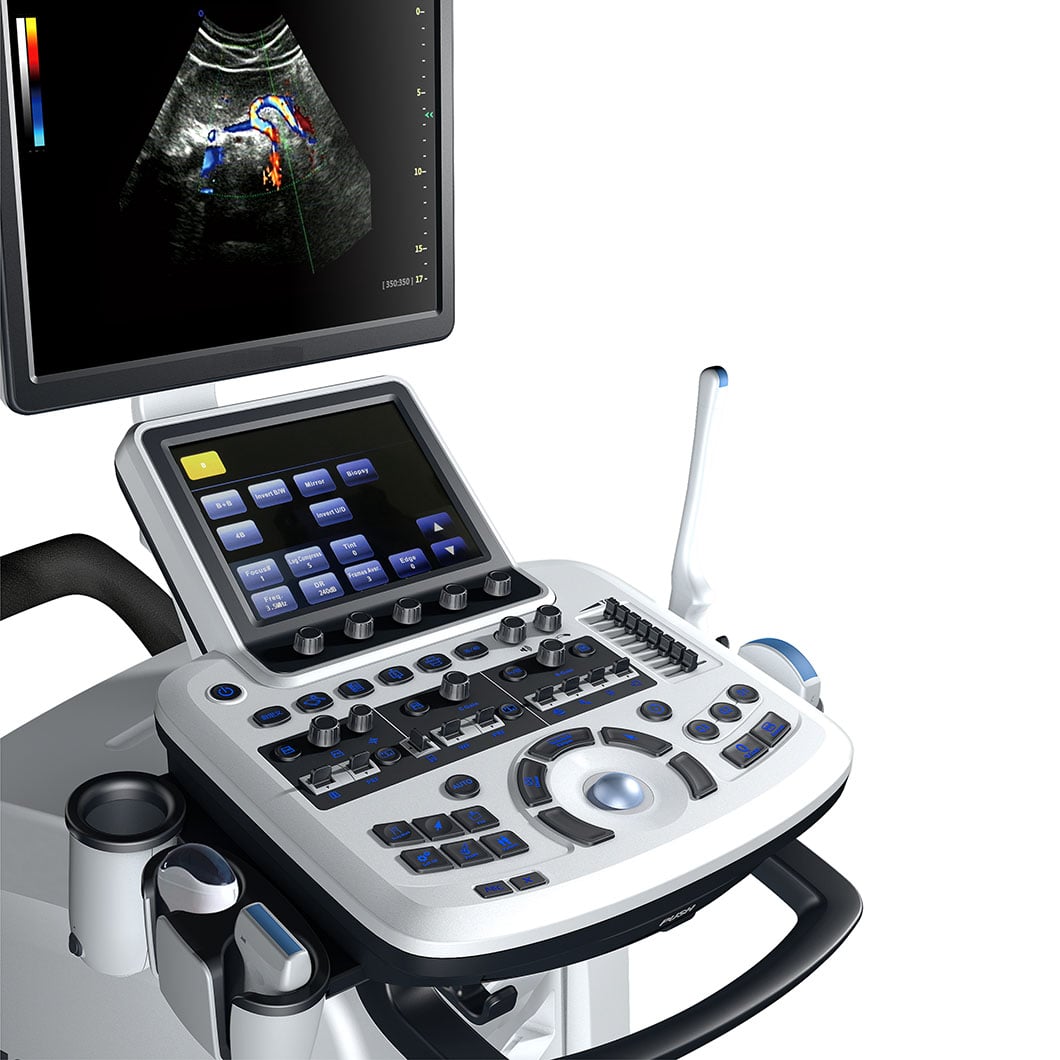
When working with ultrasound imaging, the process starts as soon as the transducer sends out those high frequency sound waves ranging from about 2 to 18 MHz right into the patient's body. What happens next? Well, these sound waves bounce back after hitting different tissues and parts of the developing fetus. The returning echoes get picked up by special crystals inside the probe called piezoelectric elements. Then comes the magic part where sophisticated software takes all these signals and turns them into a three dimensional picture. It also keeps track of how things change between each frame so we can actually see movement happening in real time. Some pretty cool tech advancements have made this whole thing work better too. For instance, something called spatial compounding helps cut down on those annoying image distortions. And there's another feature that automatically finds and highlights the baby's face, making it much easier to see details clearly even when scanning isn't going perfectly smooth.
Three core components define 4D system performance:
The premium brands tend to charge quite a bit more, sometimes making their equipment around 30 percent pricier than what comes from smaller companies nobody really hears about. Portable versions generally cost between 15 to maybe 25 percent less than those big fixed installations, though they often don't work well with fancy software packages that include things like artificial intelligence for monitoring fetal development. For medical facilities looking at adding these special diagnostic components that allow doctors to send reports remotely or automate certain processes, budgeting extra cash is necessary. Most clinics will need somewhere between ten thousand and twenty thousand dollars on top of base costs, as per recent findings published in last year's diagnostic imaging industry analysis.
High-frequency transducers (5–8 MHz), optimized for detailed 4D imaging, add $7,000–$12,000 to base pricing. Microconvex probes for early-pregnancy assessments further increase costs. Systems offering <180° volumetric coverage typically range from $85,000–$120,000, whereas sub-120° models fall between $45,000–$60,000. Including Doppler flow analysis raises initial investment by 18–22%.
Annual maintenance contracts account for 8–15% of the purchase price annually, while extended warranties add $3,500–$8,000 upfront. Staff training for volumetric imaging workflows averages $200–$400 per hour, with 10–15 hours needed for proficiency. A regional clinic survey revealed these post-purchase expenses represent 34% of total ownership costs over five years.
The price tag for brand new 4D ultrasound machines sits somewhere between fifty thousand and two hundred fifty thousand dollars. Certified refurbished versions available through authorized dealers typically cut this cost by around thirty five percent, landing anywhere from thirty two thousand five hundred to one hundred sixty two thousand five hundred bucks. But there are some catches worth noting. Refurbished equipment generally doesn't include access to the newest software upgrades or compatible transducers, plus most come with warranties that max out at just two years instead of the five year protection offered with completely new devices. Clinics that only need to perform under twenty four D scans each month might find refurbished models make better financial sense in the long run. These older systems tend to pay for themselves much quicker too, breaking even within fourteen to eighteen months rather than the twenty eight to thirty six months it takes for top of the line new equipment.
Entry-level 4D systems ($25,000–$50,000) support basic real-time imaging suitable for routine prenatal screenings. Mid-tier units ($50,000–$100,000) include features like automated fetal biometry and multi-planar reconstruction. High-end diagnostic systems ($100,000–$200,000) deliver surgical-grade rendering speeds (25–30 Hz) and AI-assisted anomaly detection. Certified refurbished premium systems can reduce costs by 40–60%, making them attractive for budget-conscious providers.
The United States has the priciest medical equipment market out there, with clinics paying anywhere from $75k to $150k for certain devices. This sky high cost is mostly because of all those FDA regulations that need following. Across Europe things are a bit cheaper overall, around 15 percent less expensive at roughly $65k to $130k even after factoring in their 20-25% value added tax. When we look eastward into Asia, the picture gets complicated fast. Japan basically matches American prices, but down in China companies such as Mindray can throw together similar quality 4D systems for between $40k and $90k. Trying to compare costs across borders becomes a nightmare though when considering import duties which hit 18-30% in many developing countries plus the requirement for local service contracts that nobody really wants to deal with.
Most maternity clinics throughout India run on refurbished 4D imaging systems from international manufacturers priced between $25k to $40k. The government has rolled out programs such as the 2024 National Maternal Health Initiative which gives clinics a 30% discount on equipment costs plus some tax breaks too. These financial incentives make it possible for clinics to charge around $30 to $50 per scan while still turning a profit. Typically they recoup their investment within 14 to 18 months after installation. This business approach is catching on fast not just in India but also spreading across countries in Southeast Asia and parts of Africa where similar healthcare challenges exist.
When it comes to high end ultrasound equipment, GE Healthcare and Philips are definitely at the top of the heap, offering systems that typically run anywhere from $75k up to around $120k. The Voluson series from GE has some pretty cool tech built in, like AI that helps measure fetuses automatically and sends reports straight to the cloud, which saves time and makes diagnoses more accurate. Philips takes a different approach with their Affiniti models, focusing on making machines that are easy to move around between exam rooms while still delivering crystal clear images thanks to their compact design. These top tier brands do come with a significant price tag, usually 35 to 50 percent higher than what's available in the mid range market. But there's a reason hospitals pay extra money for them the FDA approval process means these systems have been thoroughly tested, giving medical staff peace of mind when it comes to potential legal issues down the road.
The Samsung Medison WS80A and Siemens ACUSON Sequoia are aimed at medical facilities looking for solid 4D ultrasound systems priced between around $45k to $80k. What sets these apart? Well, Samsung has developed something called CrystalBeam tech that actually makes images clearer for those bigger bodied patients, which is pretty important when doing prenatal scans since many expectant mothers fall into that category. On the other side, Siemens plays up their modular design approach, so clinics can later install those fancy AI tools for spotting abnormalities once they've already bought the machine. And there's another angle too both companies claim about 15 to 20 percent savings over time because parts can be replaced individually instead of whole units, plus they have local service teams spread out across different regions making maintenance easier and cheaper in the long run.
The Resona R9 from Mindray and the PX model by Sonosite both offer solid 4D imaging capabilities, priced between around $28k all the way up to $52k depending on configuration. What sets Mindray apart is their one touch probe calibration feature which cuts down on setup time significantly when compared to other systems that require multiple steps just to get started. Sonosite takes a different approach focusing heavily on durability throughout their design process making these units particularly well suited for busy clinics where equipment gets used constantly throughout the day. According to findings published in JAMA back in 2023, mid range ultrasound systems actually matched premium models in about 92% of cases during regular pregnancy checkups. However there were some differences noticed when looking at more complicated heart assessments where top tier machines still held an edge over their less expensive counterparts.
Studies show premium ultrasound systems catch about 12 percent more anomalies during twin pregnancy scans according to research published in Ultrasound in Medicine & Biology back in 2023. Still plenty of single baby clinics get good results with their mid range machines too. Practices doing over 500 scans each year might find it worth spending extra bucks on top tier gear since they save around fifty to hundred dollars per scan in the long run. For smaller operations though, looking at warranty options like Sonosite's five year protection plan or Samsung's feature based payment system where you only pay for what you need makes much better sense financially. Ultimately picking between these options comes down to how busy the clinic is, what kinds of cases they handle regularly, and just how deep their pockets happen to be when it comes time to invest in new equipment.
More than 8 out of 10 maternity clinics that offer elective 4D ultrasounds manage to get their money back on equipment within just two years. This is largely because expectant parents really want those amazing 3D images of their baby before birth. Most clinics charge between $150 and $300 per session, though some offer extra stuff like recording the baby's heartbeat or creating little 3D printed models of the fetus, which can boost profits by around 30 to 50 percent. A recent look at the industry in 2025 found that places doing at least 15 scans each week could bring in anywhere from $120k to $240k a year just from these special ultrasound sessions.
The price tag for these machines can vary quite a bit, anywhere between twenty thousand dollars all the way up to one hundred and twenty thousand. Then there are those ongoing costs too, like updating the software, replacing parts such as transducers, plus keeping staff properly trained, which adds another eight to fifteen grand each year. Let's take an example where someone buys a sixty-five thousand dollar system and takes out a loan at six percent interest over five years. They'd need to do about seven to ten scans every month before they start making money back. To cut down on the financial gamble, clinics opt for leased refurbished equipment instead of buying new. Some also combine their 4D ultrasound services with educational classes for expectant parents, creating package deals that help spread out the costs while attracting more clients.
According to research published in the Journal of Maternal-Fetal Medicine in 2023, most patients (around 92%) actually prefer going to clinics that offer 4D imaging services. And interestingly enough, nearly 78% would even shell out extra cash for it. The reason? When parents can see realistic baby faces and watch live movement on screen, it calms nerves for about two thirds of them. This creates stronger bonds between families and their healthcare providers too. Practices that have adopted this advanced tech tend to keep clients coming back at a rate 41% higher than traditional 2D imaging centers. Makes sense why so many clinics are jumping on board with 4D these days if they want to stand out from competitors and build sustainable businesses over time.
A 4D ultrasound captures real-time moving images of the fetus, offering a lifelike video by adding motion to the static 3D images.
A 4D ultrasound machine uses high-frequency sound waves to produce images that capture movement, transforming echoes from the body into real-time video.
The cost is influenced by brand reputation, portability, software integration, transducer types, and additional features like Doppler flow analysis.
Refurbished units are often less expensive but may lack the latest software updates and offer shorter warranties compared to new machines.
Higher-priced machines may offer quicker ROI with enhanced features, but clinics need to evaluate based on their specific needs and volume of scans.
 Hot News
 EN
EN