Choosing an ultrasound machine starts with matching what the clinic actually needs against what different machines can do. For radiologists doing abdominal scans, getting good depth penetration matters a lot, which is why many turn to transducers between 7 and 12 MHz. The OB/GYN department gets something completely different out of their equipment though. They need those fancy 3D/4D images to check how babies' hearts are developing and spot any potential issues early on. Vascular clinics work with much smaller blood vessels near the surface, so they go for high frequency linear probes that reach up around 15 MHz. Cardiologists have their own special requirements too, needing sector phased array transducers with really wide scanning angles over 120 degrees to get full views of all the heart chambers. Some interesting research came out last year showing that clinics which invested in specialized systems saw a drop in misdiagnoses by about one third compared to places stuck with one size fits all setups.
A 12-clinic trial compared equipment strategies across different practice models:
| Clinic Type | System Choice | Annual Cost per Study | Diagnostic Accuracy |
|---|---|---|---|
| Multi-specialty | Hybrid system with 4 probes | $89 | 88% |
| Cardiology-focused | Premium cardiac ultrasound | $127 | 94% |
While specialty-focused clinics achieved higher diagnostic accuracy, they incurred 43% higher operational costs. This suggests hybrid systems offer optimal value for general practices needing flexibility across OB/GYN, abdominal, and vascular imaging.
More and more healthcare facilities are turning to these modular imaging platforms that bring together the convenience of portable devices weighing between 2.5 to 5 kilograms with the sharp picture quality usually seen on larger consoles. The hybrid approach works wonders for clinics in remote areas or those needing equipment across different departments. They can move the same transducer from emergency rooms to maternity wards and even vascular labs without sacrificing much image clarity, staying within about 90-95% consistency most of the time. The flexibility factor alone explains why we've seen such strong demand lately. Sales figures tell the story pretty clearly too - roughly a 20% jump each year since early 2021 as these systems become standard rather than special cases.
Diagnostic confidence depends on four core metrics:
These parameters vary significantly between portable and console systems, directly affecting pathology detection and exam reliability.
Transducers operating at high frequencies between 12 and 18 MHz give excellent images of shallow structures such as tendons and thyroid glands, though they don't penetrate deeply into tissues. Some newer ultrasound machines use advanced beamforming methods like multi planar compounding which cuts down on those annoying speckles we see in images, sometimes reducing them by around 40%. This makes a real difference when scanning obese patients where image clarity can be challenging. When looking at musculoskeletal or endocrine system imaging specifically, systems equipped with at least 128 channel processors tend to produce much cleaner signals and better spatial resolution overall. These specs matter because clearer images lead to more accurate diagnoses in clinical settings.
To eliminate subjective bias during system evaluations, standardized phantom testing offers reliable benchmarking:
| Test Metric | Measurement Tool | Clinical Relevance |
|---|---|---|
| Axial Resolution | 0.1 mm nylon filaments | Detects microcalcifications |
| Grayscale Mapping | Echogenic cyst phantoms | Differentiates complex cysts from tumors |
Facilities implementing phantom-based protocols report an 18% reduction in repeat scans due to improved acquisition consistency.
A 2022 multi-center study revealed that inadequate Doppler angle correction alone accounted for 23% of vascular misdiagnoses. This highlights the need for standardized operator training—especially critical when considering refurbished systems with older software interfaces that may lack intuitive guidance tools.
Regular calibration ensures transducer sensitivity remains within 5% of baseline performance. Facilities using automated QA tracking achieve 92% compliance with scheduled checks, compared to just 61% with manual logging. This level of consistency is essential when evaluating extended warranty options and long-term system reliability.
When looking at the real costs involved with medical equipment, most people forget that what they pay upfront is just the beginning. Service agreements usually tack on around 5 to maybe 10 percent of the original system value annually. Then there's software too. Those fancy upgrades for things like elastography imaging or those cool 3D/4D visuals? They don't come free either, requiring extra licenses that eat into budgets. And let's not even mention probe replacements. For facilities doing lots of scans, these parts need replacing every few years, costing anywhere from two grand to eight thousand dollars per transducer over time. A recent look at total costs showed something shocking actually. Mid level ultrasound machines end up costing hospitals roughly double to triple what they originally paid once all repairs and spare parts get added into the mix.
Refurbished systems that come certified can save buyers anywhere from 30 to 40 percent off the price of brand new equipment right out the gate. Many of these secondhand options actually come with warranties lasting between one and two years, sometimes matching what manufacturers offer on their fresh products. When shopping around, it's smart to look for machines that have gone through FDA recertification processes. These typically include recent software updates, detailed calibration history, plus complete diagnostic reports for all probes involved. Research published last year found that when kept well maintained, these refurbished devices still hit over 98% accuracy rates in diagnoses. That makes them pretty good choices for basic imaging needs where the latest and greatest technology isn't absolutely necessary for everyday operations.
Premium brands definitely tout their fancy beamforming tech and longer lasting probes, but mid-tier companies are catching up fast thanks to smart AI image processing upgrades. When it comes to everyday vascular work, many clinics actually see pretty similar results from those expensive $90k top shelf machines versus the $55k mid range options sitting on the shelf next to them. That said, OB/GYN departments that need serious Doppler capabilities and good contrast imaging tend to stick with the premium gear. The difference matters there too the high end systems deliver about 15% sharper contrast resolution which makes a real difference when reading those tricky scans. Plus, their workflow just integrates better into existing practice management systems, something smaller clinics often overlook until they try switching.
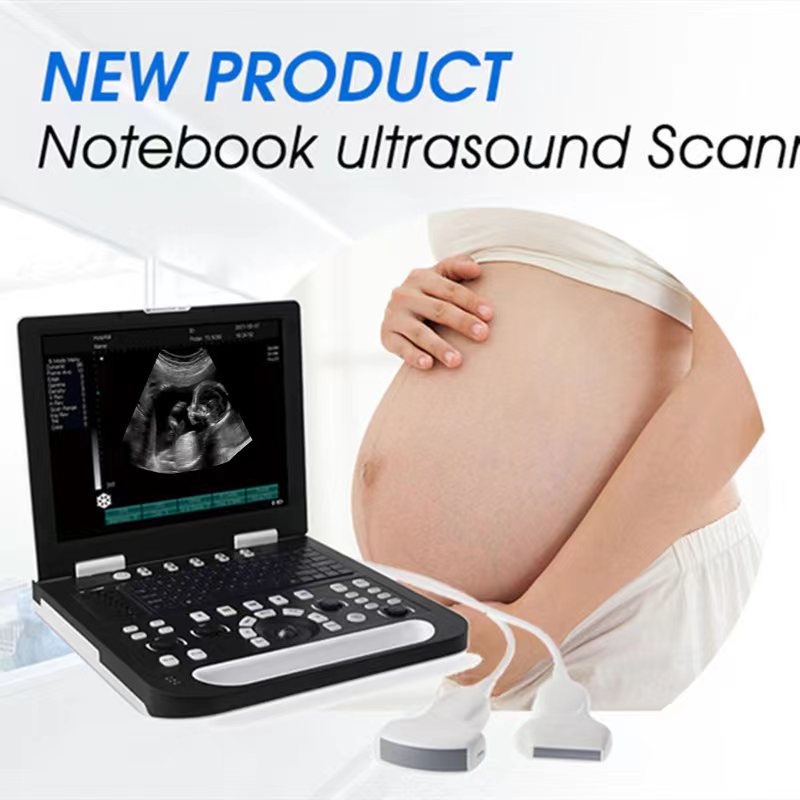
The decision to go with portable versus console ultrasound systems really comes down to how mobile someone needs to be and what kind of imaging they actually require. Portable models run on batteries usually lasting around four to six hours give or take, and their small size makes them great for quick checks at the bedside in emergency rooms or out in clinics where space is tight. On the other hand, those bigger console systems pack more punch when it comes to processing power and have much larger screens that make all the difference when doing thorough scans of things like the abdomen, pregnant bellies, or blood vessels that need longer examination times. Most professionals find themselves leaning toward one type based on their specific workflow patterns and patient load throughout the day.
In fast-paced environments, usability is paramount. Systems with customizable presets reduce exam time by 22% in urgent care. Touchscreen interfaces with gesture navigation improve efficiency in rural clinics where staff may have limited ultrasound training, enabling quicker adoption and fewer procedural errors.
In 2023, clinics saw a 37% increase in adoption of pocket-sized wireless ultrasound devices for rapid triage and follow-up exams. These tools integrate seamlessly with tablets and smartphones, enhancing accessibility. However, limitations in Doppler functionality and image depth remain challenges for complex diagnostic tasks.
Effective workflow integration requires DICOM compatibility and seamless connection to PACS and electronic health record (EHR) systems. Modern ultrasound platforms now include built-in tele-ultrasound capabilities, allowing real-time remote consultations—particularly valuable for multi-site or underserved practices.
The 2023 HIMSS survey found that poor interoperability causes significant workflow disruptions, with 29% of imaging delays linked to failed EHR integrations. Clinics that prioritize system compatibility report 18% faster patient throughput in high-volume departments.
Compliance with FDA, CE, and ISO standards ensures safety, accuracy, and legal adherence. These certifications verify performance under strict benchmarks for acoustic output, thermal index, and electromagnetic interference. Using non-compliant equipment risks inaccurate diagnoses and regulatory penalties, especially in hybrid or telemedicine applications.
When negotiating service agreements, seek enforceable SLAs with ≥98% uptime guarantees and clear escalation paths. Leading vendors provide:
Choose suppliers with proven local presence to minimize repair delays and maintain consistent clinical operations.
Modern systems increasingly incorporate AI-powered tools for auto-measurements, anatomical recognition, and lesion characterization. Emerging technologies like shear-wave elastography enhance tissue stiffness assessment but require annual calibration to ensure precision. Ensure your vendor offers clear upgrade pathways and ongoing software support to future-proof your investment.
 Hot News
 EN
EN