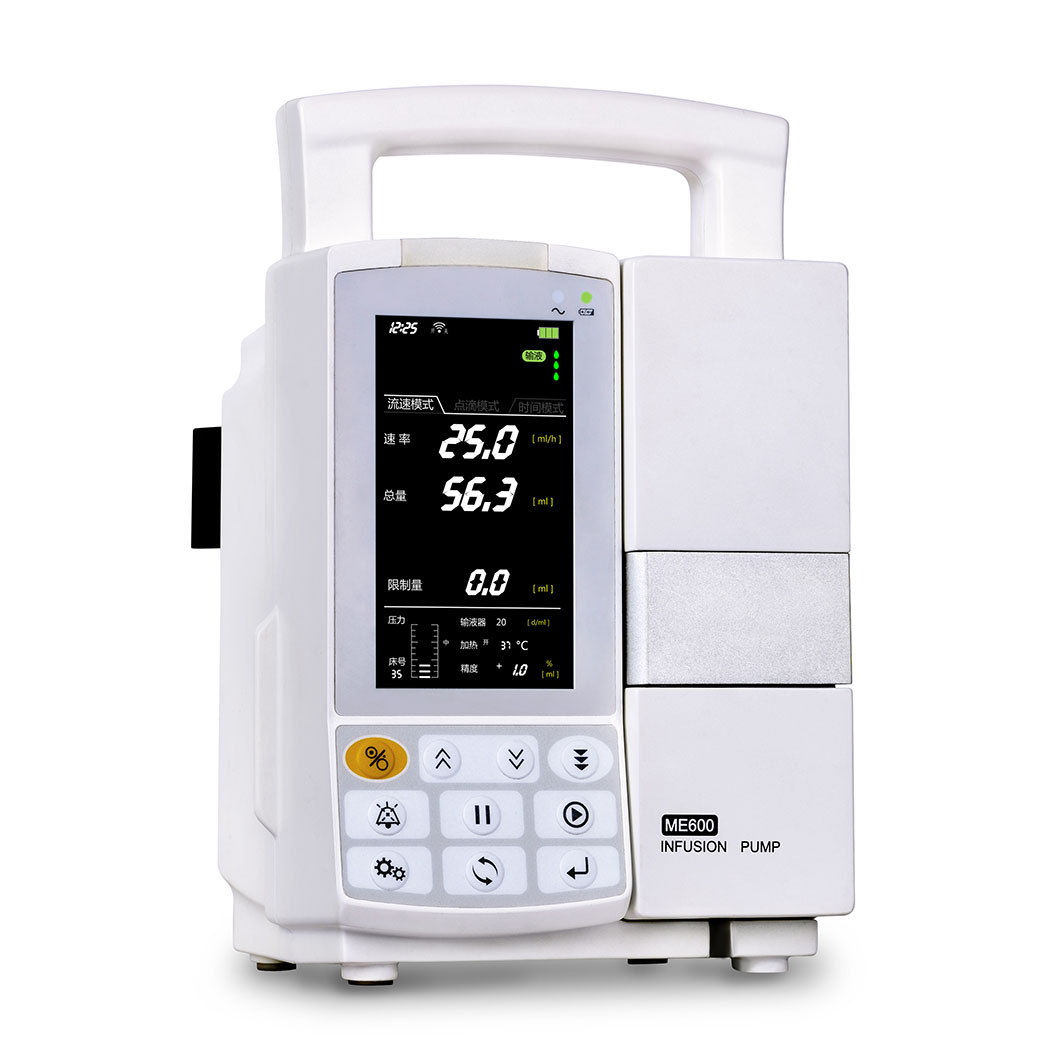
The cost of syringe pumps can swing quite a bit depending on several factors. Flow rate accuracy alone makes a big difference between models with ±2% precision versus those at ±5%. Then there's the material choice – medical grade plastic versus stainless steel construction – each affecting both durability and price tags. Safety certifications such as ISO 13485 compliance typically bump manufacturing expenses by about 15 to 20 percent. For hospitals focused on neonatal care units, they tend to shell out roughly 25 to 30 percent extra when they need those ultra-precise micro flow rates covering the 1 to 100 ml/h range. Looking across India specifically, nearly seven out of ten clinics opt for IP54 rated equipment even though it comes with an additional cost of somewhere between eight thousand to twelve thousand rupees. These clinics clearly value dust protection given their operating environments.
| Feature | Entry-Level (₹18,000–35,000) | Advanced (₹55,000–1,10,000+) |
|---|---|---|
| Flow Rate Accuracy | ±5% | ±1% |
| Battery Backup | 2–4 hours | 8–12 hours with quick charge |
| Programmable Protocols | 3–5 | 20+ with cloud storage |
| Alarm Systems | Basic audio | Visual+Audio+Mobile alerts |
Maintenance logs from Maharashtra clinics show small healthcare facilities report 40% longer service life with mid-range pumps (₹45,000–60,000) compared to budget models.
Localization of PCB manufacturing has reduced syringe pump prices in India by 18% since 2021. IoT-enabled models now account for 37% of new purchases in Gujarat and Karnataka, with subscription platforms offering rental options at ₹6,000/month, including calibration services. Government GST exemptions on pumps under 50ml capacity further reduce entry costs by 12–15%.
Looking at total cost of ownership makes all the difference. Take for example a pump priced at around ₹28,000 that needs new filters costing ₹9,500 every year. Over several years, this ends up costing way more than spending extra upfront on a ₹47,000 unit with parts that can be reused multiple times. Some medical facilities across Rajasthan actually saved about 22% on their expenses simply because they went for models offering three year warranties that included free motor replacements when needed. And let's not forget about energy consumption either. The top rated 5 star devices use only 4 watts compared to regular ones at 11 watts. That translates into roughly ₹3,200 saved each year just on electricity bills alone.
In many budget focused clinics across India, single channel syringe pumps remain the go to option, typically priced between Rs 65,000 to Rs 95,000. The dual channel versions tend to set patients back around 40 to 60 percent extra because they can handle two infusions at once. For intensive care units dealing with large patient volumes, multi channel systems make sense as they cut down on needing multiple devices, though these require more frequent upkeep and technical attention. Looking at numbers from the latest 2025 market analysis on infusion pumps, roughly 68 percent of all clinics stick with basic single channel models for everyday treatments, saving their money for those fancy advanced units only when absolutely necessary in emergency situations.
Most clinics end up spending about 20 to 35 percent extra on syringe pumps that offer dosing accuracy within plus or minus 2 percent and come with EHR integration features. The fancy ones with automatic drug databases and those that alert when there's an occlusion problem generally cost anywhere between 1.8 lakh rupees and 2.4 lakh rupees. Basic models without these bells and whistles usually fall in the 1.1 to 1.5 lakh rupee range. Studies indicate that these smart pumps can cut down medication mistakes by around half, but many smaller clinics still struggle with getting their staff properly trained on them. About 4 out of 10 small practices cite this training requirement as a major obstacle preventing them from adopting the technology.
A small clinic out in rural Maharashtra managed to save around 2.2 lakh rupees every year after switching to mid-range syringe pumps priced at about 85,000 rupees each for regular infusions while keeping the fancy smart models only for those really tricky situations. Spending extra money on bells and whistles like wireless connections or complicated multi-drug settings just doesn't make sense when dealing with basic medical needs most of the time. What matters most are the basics that keep patients safe. Good battery life and those alarm systems that detect flow problems actually stop nearly 8 out of 10 serious issues from happening, all without breaking the bank much.
Manufacturers from around the world generally set their prices for syringe pumps anywhere between 35 to 50 percent above what Indian original equipment manufacturers charge, mainly because they claim their products come from ISO certified facilities and have gone through proper clinical testing. But according to a recent business-to-business market report released last year, most Indian medical centers actually care more about having good local service support rather than fancy brand names when it comes time to pick out their infusion equipment. The big names from Europe such as B. Braun and Fresenius still hold strong positions in intensive care units across hospitals, yet Indian manufacturers are starting to catch up fast. They now produce ambulatory models with pretty much the same level of flow precision plus or minus 2 percent at just 1.2 lakh rupees, compared to nearly double that cost for similar devices brought into the country from abroad.
Over the course of twelve months in forty two clinics throughout Mumbai, local pumps needed about twenty three percent more regular maintenance work compared to their imported counterparts. However these domestic models actually cut down on downtime by around fifteen percent because replacement parts were available right away on the same day. The foreign made equipment had better lasting power when it came to batteries lasting about one thousand two hundred charge cycles versus just eight hundred for the Indian versions. But there was a big downside too with repair services taking anywhere from six to eight weeks to arrive. Something interesting has happened recently though as manufacturers based in Pune have caught up with world class companies when detecting blockages, achieving nearly perfect accuracy rates of ninety nine point five percent according to recent tests.
For small clinics handling under 500 infusions each month, there wasn't much difference in how things went with those Indian made pumps priced at around 85,000 rupees compared to the pricier 2.2 lakh rupee imported ones. But picture this: big cardiac centers running lots of patients saw something different happen. They noticed about 40 percent fewer mistakes happened with those expensive global brand pumps during those long 72 hour treatment sessions. Looking at the latest MedTech Value Index for 2024, it turns out that if we count those extra warranty periods offered by some Indian manufacturers, over seven years the total cost gap narrows down to just about 12 percent between what's available locally versus what comes from abroad.
Focusing solely on upfront cost is misleading—long-term expenses account for 60–70% of total ownership costs, according to 2023 industrial studies.
Annual maintenance averages ₹9,000–₹15,000 in India, with consumables (tubing, syringes) adding ₹500–₹1,200 monthly. Energy-efficient models reduce power consumption by 18–22% compared to older units, as confirmed by the Healthcare Energy Efficiency Report 2023.
Extended warranty plans (3–5 years) lower repair costs by 35–40%, but 42% of clinics face challenges accessing certified technicians in Tier-2 cities. Proactive maintenance prevents 80% of premature failures linked to medication residue buildup.
Lead times for OEM replacement parts vary widely:
Clinics using localized service networks report 30% faster resolution times than those relying on international suppliers. Always verify a supplier’s spare parts inventory commitment before purchase.
Small clinics save 8–15% on syringe pump prices by purchasing directly from manufacturers through bulk discounts or loyalty programs. Platforms like IndiaMART and Tenders24 offer competitive pricing for single units, with benefits including doorstep delivery and third-party quality checks. Key differences include:
Syringe pump prices vary by 12–18% across Indian states due to logistics and local taxation. Maharashtra and Tamil Nadu host 63% of domestic OEMs, offering entry-level models (₹18,000–25,000) with localized service support. Clinics in Northeastern states pay up to 9% more for specialized infusion pumps due to limited supplier presence.
Verify ISO 13485 certification and evaluate quotes against these recurring expenses:
| Cost Factor | Average Annual Impact |
|---|---|
| Proprietary consumables | ₹3,200–₹4,500 |
| Calibration services | ₹1,800/visit |
| Non-warranty repairs | ₹5,500–₹7,000 |
Prioritize suppliers affiliated with All-India Service Networks and those maintaining DEMAT-approved spare parts inventories to reduce lifetime ownership costs by 27–34%.
 Hot News
 EN
EN