The introduction of laparoscopic tools back in the last part of the twentieth century marked a real game changer for surgical practices, shrinking those big open wounds down from several centimeters to mere millimeters across. At first these minimally invasive techniques were mostly used for things like gallbladder removals and certain procedures, but as tech got better throughout the 90s, doctors started applying them to much more complicated abdominal operations too. Patients definitely benefited from this change. According to some research published by Ponemon in 2023, folks who had laparoscopic procedures reported about 62% less pain after surgery compared to when they did traditional open surgeries. Makes sense why hospitals keep pushing for quicker recoveries and better overall experiences for people undergoing treatment.
The design of these surgical tools features comfortable grips paired with flexible tips that let surgeons work on tissues through small incisions less than 12mm wide. Research published in Frontiers in Robotics and AI back in 2025 found something pretty remarkable too: patients who had laparoscopic procedures stayed in the hospital almost four days less than those undergoing traditional open surgery, and there was nearly a third fewer deaths overall. Modern grasping instruments now come equipped with instant feedback systems that help avoid unintended punctures, and special bipolar devices manage blood loss right where it matters most during operations, making everything safer and getting things done faster without compromising results.
Today's medical systems come equipped with high definition 3D cameras that can zoom in up to 10 times, along with artificial intelligence that stabilizes images so there's no blurring from movement. The wireless tools used during operations have cut down on all those tangled cords that used to fill operating rooms, making things much smoother for everyone involved. Some instruments now have sensors that actually warn surgeons if they're pressing too hard against the patient's belly wall. All these improvements seem to be working well in practice. Since 2020, doctors report about 41% fewer cases where they had to switch from minimally invasive techniques to traditional open surgery for colorectal issues according to research published last year in JAMA Surgery. That kind of drop speaks volumes about how these new technologies are changing outcomes for patients.
The precision of laparoscopic graspers and forceps allows surgeons to handle delicate tissues with near millimeter accuracy. These instruments come with articulating jaws that can grip organs firmly, help reposition internal structures, and keep things stable when needed most during surgery. Take curved fenestrated graspers as an example they cut down on slippage problems by around 40% when performing bowel resections compared to those smooth jaw models, according to findings from last year's Laparoscopic Instrumentation Review. What makes these tools really valuable are their locking features which hold organs in place without needing constant pressure from the surgeon. This means the main hand stays free for important tasks like suturing or operating energy devices throughout the procedure.
For cutting through vessels and tough adhesions during surgery, hook scissors work really well. When dealing with delicate stuff like mesentery tissue though, most surgeons prefer those micro serrated blades instead. A lot of modern surgical tools now come with built in monopolar energy systems. These let doctors cut and stop bleeding all at once. Some studies suggest this can cut down on blood loss during gallbladder removals by around 25 to 30 percent. Then there's blunt dissection instruments worth mentioning too. The Maryland forceps and right angle ones are particularly handy for separating different layers of tissue without causing much damage. Surgeons find these absolutely essential when working on prostate operations where preserving nerves is so important. After all, nobody wants to accidentally nick something vital during the procedure.
Fan retractors open up those tricky work areas in confined body regions such as the pelvic cavity, which helps prevent accidental squeezing of nearby organs during surgery. Surgeons rely on locking needle holders with tough tungsten carbide tips to hold everything from thicker 2-0 Vicryl threads down to super fine 6-0 Prolene sutures. These tools maintain strong knots most of the time too about 98 percent of cases when repairing diaphragm hernias. For cancer operations where finding specific spots matters a lot, blunt tip probes come in handy for drawing out the map of important structures inside the body. They make it easier to spot lymph nodes accurately during these complex procedures.
Bipolar and ultrasonic devices cut through tissue with remarkable precision while stopping bleeding right away, which really helps reduce blood loss during complicated procedures. These modern tools actually cut down on thermal damage around the surgical site by about 34% compared to older monopolar instruments, according to research published in Thermal Damage Control in Laparoscopy. Surgeons find this makes a big difference in patient recovery times. Ultrasonic scalpels work by vibrating at very high frequencies to make clean cuts even in delicate blood vessels. Meanwhile, bipolar forceps clamp down on blood vessels and apply controlled heat between their tips, creating secure seals without damaging nearby healthy tissue. Many operating rooms are switching to these technologies because they offer better outcomes for patients undergoing minimally invasive surgeries.
Surgical staplers and clips play a vital role when doctors need to remove organs or tie off blood vessels. Newer models handle different tissue thicknesses better thanks to those staggered staples they deploy, which helps ensure everything stays closed properly after surgery. Some recent tech advancements worth mentioning include real time pressure sensors that actually cut down on leakage problems following gut operations, though studies suggest around a 25 to 30 percent reduction rather than the exact figure sometimes quoted. For procedures like spleen removals or kidney surgeries, clip applicators give surgeons quick control over blood flow without all the hassle of tying knots by hand, making the whole operation go much smoother from start to finish.
| Factor | Reusable Instruments | Disposable Instruments |
|---|---|---|
| Initial Cost | Higher upfront investment | Lower per-unit cost |
| Long-Term Cost | Cost-effective over time | Higher cumulative expenses |
| Infection Risk | Requires strict sterilization | Eliminates reprocessing errors |
| Performance | Dependent on maintenance | Consistent sharpness/function |
While reusable instruments reduce environmental waste, hospitals face 18% higher reprocessing costs due to rigorous sterilization protocols. Disposable tools eliminate cross-contamination risks but require responsible disposal practices. Hybrid approaches—such as reprocessable energy devices—are increasingly adopted in high-volume centers to balance performance, cost, and safety.
Trocars serve as sealed entry points for laparoscopic tools during surgery. They keep the abdominal cavity inflated while reducing damage to surrounding tissues. These devices come in two main types: those with cutting blades and others with rounded tips. The different designs help surgeons avoid hitting blood vessels accidentally. Handles on modern trocars are ergonomically shaped so doctors can maintain better grip and control throughout procedures. Keeping the right amount of pressure inside the abdomen usually around 8 to 15 millimeters of mercury is really important for both patient safety and good surgical visibility. Most operating rooms have special equipment that monitors this pressure level continuously during operations.
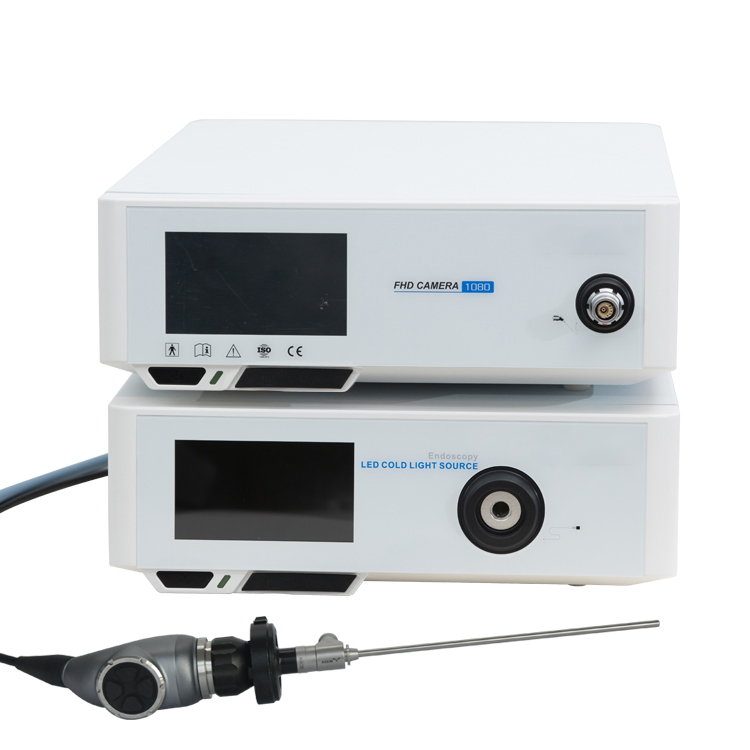
The use of high definition and three dimensional imaging has really boosted how well doctors can see depth when performing complex operations such as removing part of the colon or fixing hernias. The software that comes with these systems allows for better contrast between tissues and helps spot edges while surgery is happening, which makes it easier for surgeons to recognize those tricky areas inside the body. According to research published last year, operations using this kind of 3D view actually took around 18 percent less time than traditional two dimensional methods. That kind of time saving definitely matters in operating rooms where every minute counts, plus it just makes everything more accurate overall.
Suction irrigation devices combine cleaning and removal functions to keep the surgical field clear of blood, tissue fragments, and that pesky electrosurgical smoke that tends to cloud vision during delicate dissections. Most modern units come with adjustable flow controls so doctors can fine tune the water pressure depending on what they're working on, getting just enough irrigation without drowning the area or creating unnecessary mess. The real game changer comes into play during tricky procedures with lots of scar tissue or when removing big chunks of tissue. Without constant visibility, even experienced surgeons run the risk of nicking something important, which is why these systems have become almost indispensable in complex operations across multiple specialties.
Laparoscopic instruments are now central to modern abdominal and general surgery, offering superior precision and shorter recovery times. A 2023 JAMA Surgery study found these techniques reduce postoperative complications by 42% in elective abdominal operations, reinforcing their clinical superiority when anatomical access permits.
New surgical tools like specialized graspers and energy devices now allow doctors to perform appendectomies through tiny incisions under 5mm, which means patients get smaller scars and heal faster. When it comes to gallbladder removals, most surgeons (around 92%) rely on those 5mm laparoscopic scissors these days. The good news is that according to recent studies, there haven't been any reports of bile duct injuries either. Looking at hysterectomy procedures, combining gentle uterine manipulators with modern stapling technology keeps bleeding during surgery down to less than 50mL for about 8 out of 10 women. This significantly cuts down on the need for blood transfusions and generally leads to better recovery experiences overall.
Laparoscopic instruments are foundational in metabolic surgery. Articulating staplers contribute to leak rates under 1.5% in sleeve gastrectomies, according to 2024 FDA device performance data. Surgeons routinely pair vessel-sealing devices with 3D imaging to perform bypass procedures through ports smaller than 12mm, maximizing minimally invasive benefits.
A meta-analysis of 45 randomized trials (Annals of Surgery, 2023) confirms significant advantages for laparoscopic approaches:
| Outcome | Laparoscopic Advantage |
|---|---|
| Hospital stay duration | 3.2 days shorter |
| Incisional hernia rate | 61% reduction |
| Post-op infection risk | 38% lower |
These results establish laparoscopic instruments as the standard of care for eligible procedures, though open techniques remain necessary in trauma and high-bleeding-risk scenarios where rapid access is paramount.
 Hot News
 EN
EN