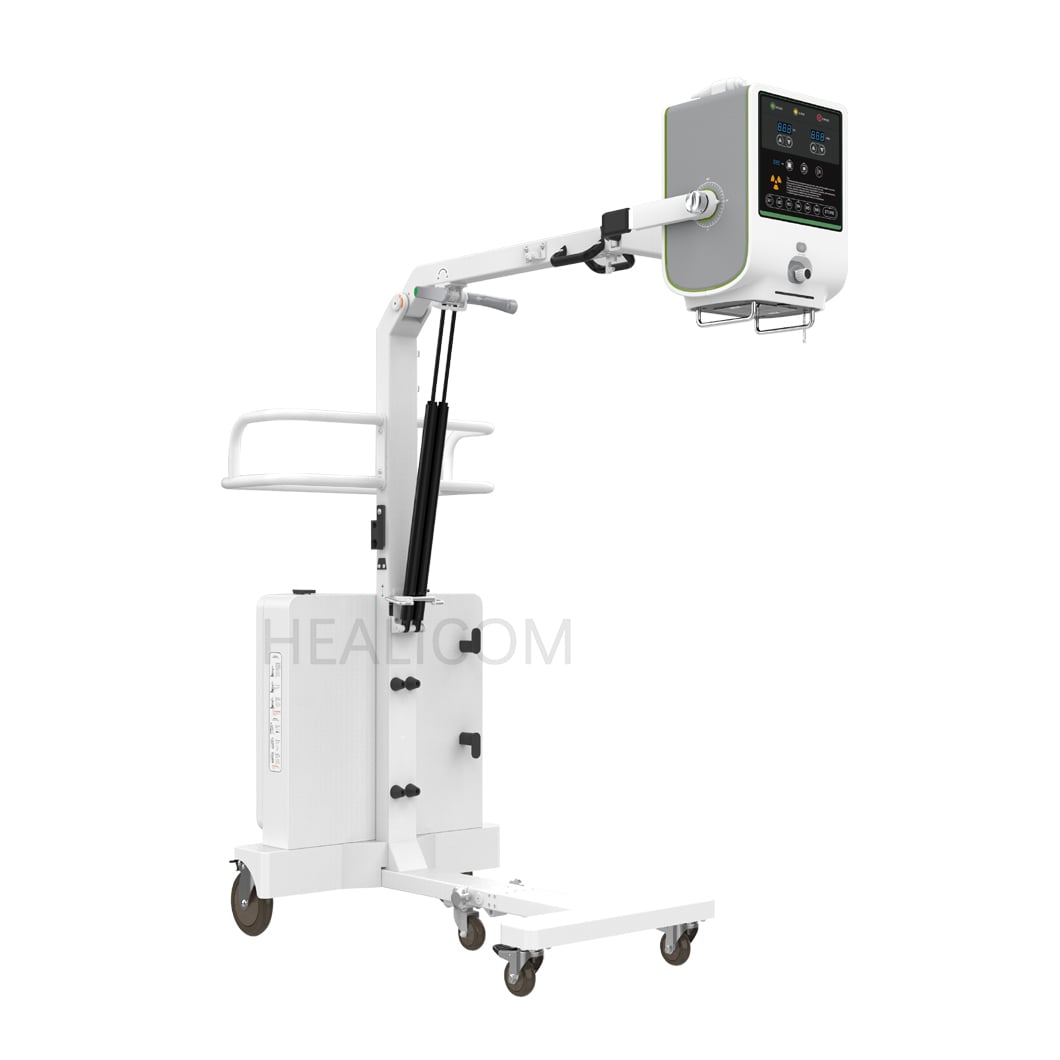
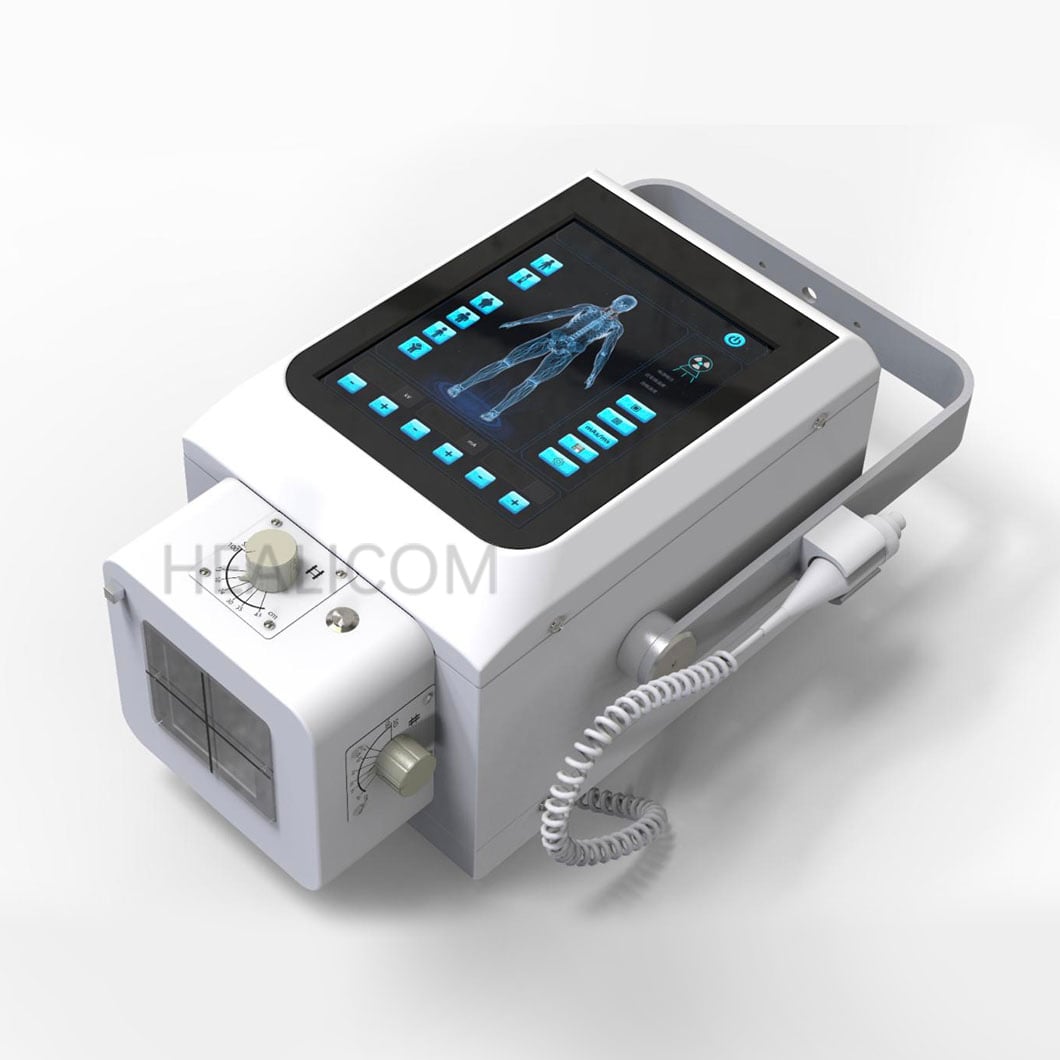
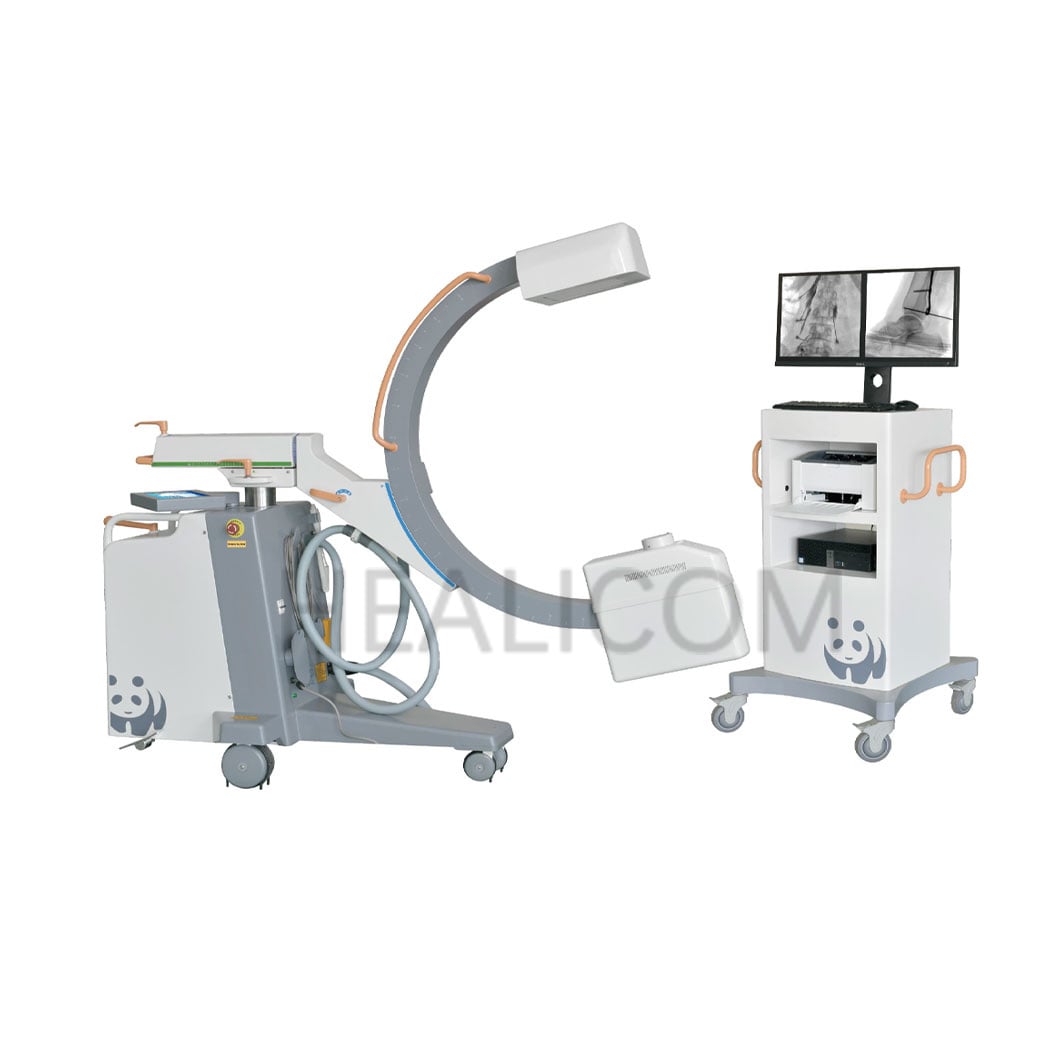
Radiography machines made for use in hospital wards need to be small enough (usually under 120 cm tall) and light (often less than 150 kg) so doctors can get images at patients' bedsides without losing quality. These portable units face a real challenge compared to their fixed counterparts in radiology departments. They still have to deliver good quality images but also fit through regular hospital doors that are only about 90 cm wide. Plus, nurses and technicians often struggle to maneuver them past IV stands and other equipment cluttering hospital rooms during routine checks.
Precision-engineered vertical travel (180–300mm) accommodates bedridden, bariatric, and pediatric patients without requiring risky repositioning. Locking mechanisms stabilize the unit at angles between 15° and 45°, supporting lateral chest or supine abdominal views. This flexibility eliminates patient movement in 83% of bedside imaging cases (Journal of Medical Imaging, 2023).
Curved, non-slip handles and intuitive control panels reduce wrist strain during repeated adjustments. Optimized weight distribution keeps push/pull forces below 22N–aligned with ISO 11228 guidelines–enabling single-operator mobility without postural strain. Vibration-dampened components lower cumulative shock exposure by 37%, addressing long-term musculoskeletal risks for radiographers.
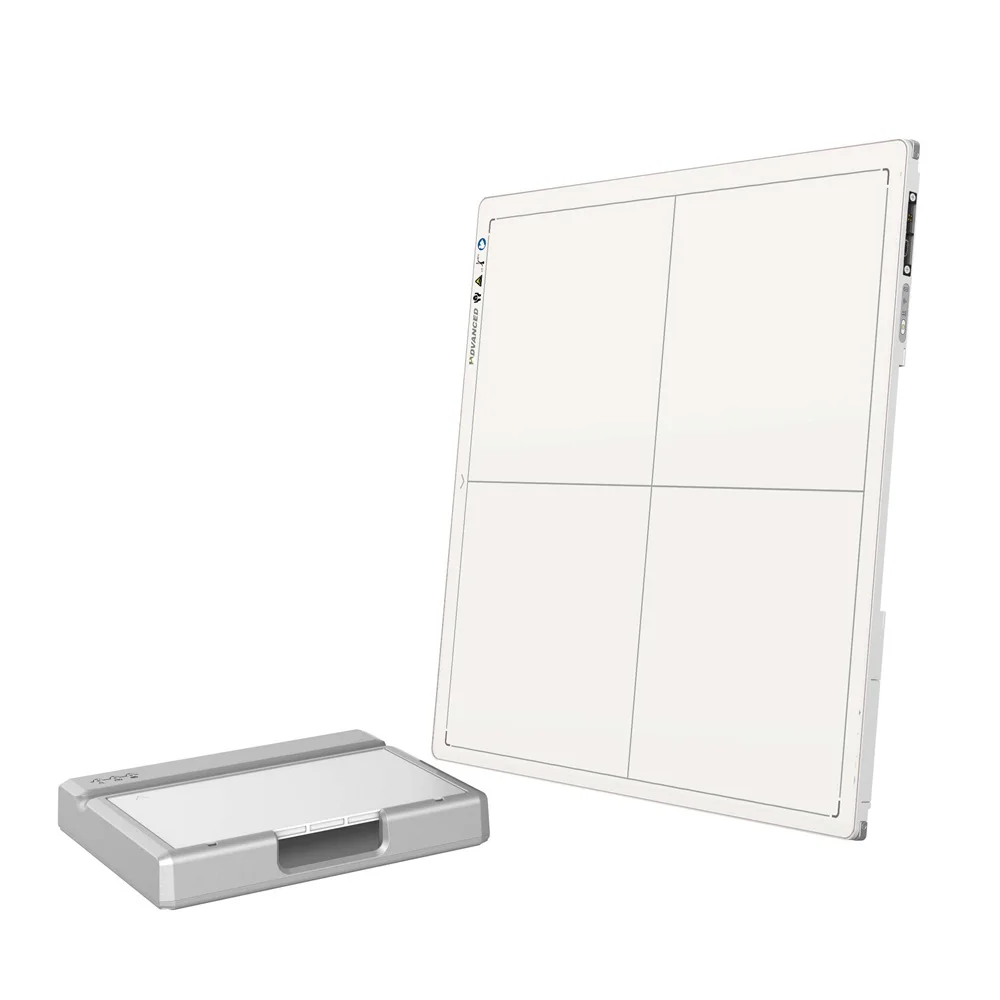
Multi-joint telescopic arms with 270° rotation maneuver around ventilator tubing and IV poles while maintaining source-to-image distance within 5% variance. Modular detector mounts accommodate cassettes from 10"x12" to 14"x17" without recalibration, streamlining transitions between orthopedic and thoracic studies. These articulation capabilities reduce repeat exposures by 29% through improved first-time positioning accuracy.
Critically ill patients experience 73% fewer transport-related complications when imaged bedside rather than transferred to radiology departments. Avoiding physical movement reduces risks such as IV dislodgement, ventilator disruption, and pathogen exposure. For hemodynamically unstable ICU patients, staying in place maintains vital sign stability while delivering diagnostic-quality images.
Portable radiography cuts imaging turnaround times by 58% in post-operative settings through immediate capture and EHR integration. A clinical workflow analysis found eliminating transfers freed an average of 41 minutes per nursing shift for direct patient care. Rapid image sharing via PACS systems also reduces redundant documentation by 32%, enhancing interdisciplinary coordination.
Bedside imaging accelerates pneumonia diagnosis in ventilated patients by 2.1 hours compared to traditional workflows, according to 2024 clinical studies. Real-time review by pulmonologists during rounds decreases antibiotic overuse by 19% and improves sepsis detection. In trauma units, on-demand rib series imaging shortens time-to-surgical-intervention by 43 minutes, significantly influencing survival outcomes.
 Hot News
 EN
EN