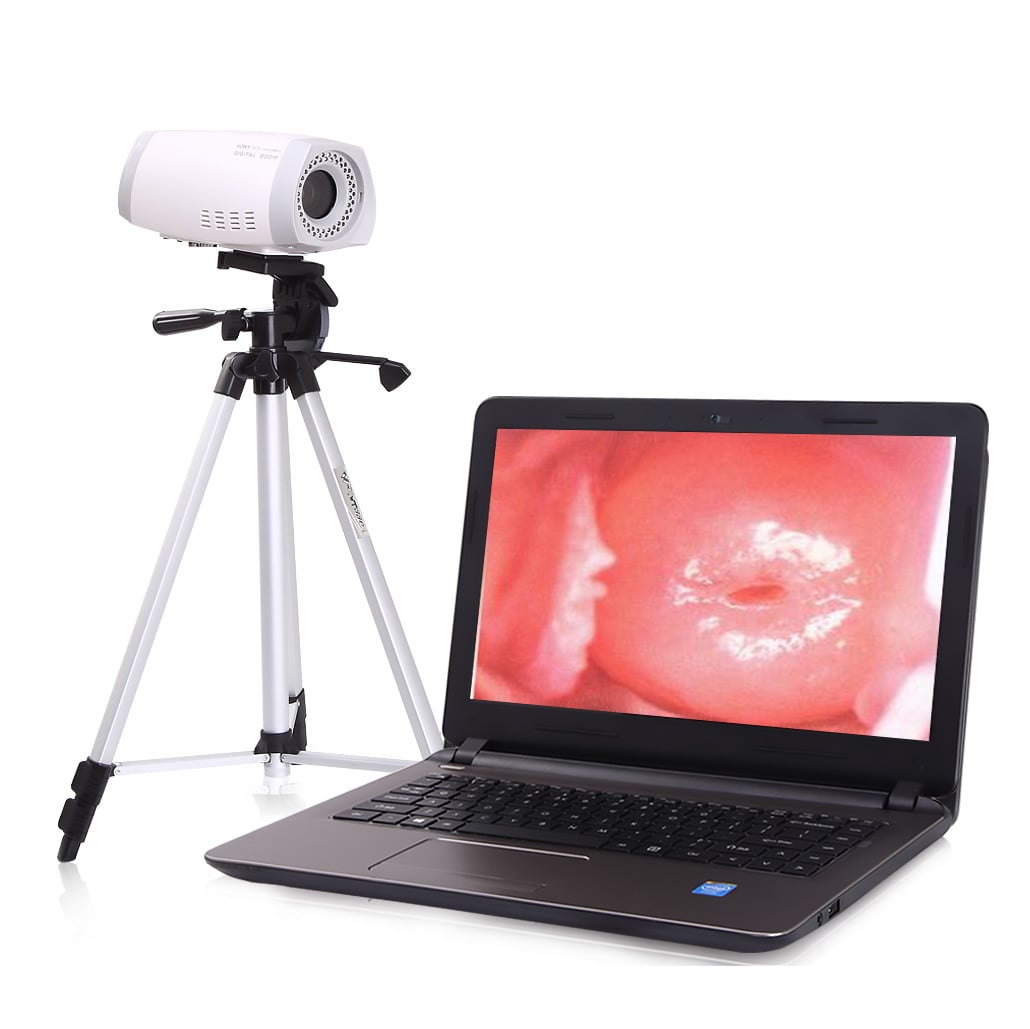
Video colposcopes let doctors stream clear cervical images to specialists in real time, making it easier for experts to work together even when they're far apart. This makes a big difference in places where there just aren't enough people trained in colposcopy. For example, some regions have trouble finding even one specialist for every 100,000 women according to World Health Organization data from last year. Take India as a case study. When the government started pushing telecolposcopy programs linked to electronic medical records, something interesting happened. Referral times dropped dramatically over two years. By 2024, these remote consultations had cut waiting periods down by almost 70% compared to what they were back in 2022.
The latest battery powered compact video colposcopes are showing impressive results in field tests throughout Southeast Asia, matching traditional stationary systems with around 97% agreement on diagnoses. These portable devices run for well over 14 hours when charged by solar panels, send pictures through 3G or 4G connections, and cut down equipment expenses by roughly 40%. What really stands out is how their mobility has opened up screening services where there's no electricity grid nearby. Take the situation in some remote clinics across the Philippines for example. After getting these mobile units, they saw their weekly patient numbers go from maybe 20 people to closer to 60 each week. That kind of jump makes a real difference in communities that previously had almost no access at all.
In Sub-Saharan Africa, where cervical cancer mortality is ten times higher than in high-income countries, portable video colposcopes have enhanced screening reach and efficiency:
| Metric | Pre-Adoption (2022) | Post-Adoption (2024) |
|---|---|---|
| Screening Coverage | 12% | 34% |
| Treatment Initiation (Days) | 84 | 22 |
| Patient Follow-Up Rate | 47% | 81% |
Cloud-based image archiving supports remote quality assurance and reduces diagnostic variability in non-specialist settings, contributing to these gains according to recent research.
Video colposcopes improve patient engagement by displaying cervical images on screens during exams. This visual feedback helps clinicians explain findings clearly, leading to better understanding and reduced anxiety—78% of patients report feeling more informed and at ease (Ponemon 2023). Shared visualization fosters trust and encourages active participation in care decisions.
Modern video colposcopes feature adjustable arms, tiltable monitors, and seated positioning options that enhance comfort for both clinicians and patients. Providers experience a 32% reduction in musculoskeletal strain during extended procedures, while streamlined adjustments contribute to shorter exam times. These design improvements align with WHO recommendations for patient-centered diagnostic technologies.
Colposcopy training has gotten much better with digital platforms that include video libraries with annotations and various simulation exercises. Recent research from last year showed something interesting too. Trainees who worked with these simulation tools felt about 70 percent more confident when looking at cervical issues than people who stuck to traditional training methods. Hospitals and clinics are seeing results as well. Many report that their staff reaches competency level around 40% faster now. This helps fill those annoying skill gaps we've been struggling with in colposcopic procedures across the board.
 Hot News
 EN
EN