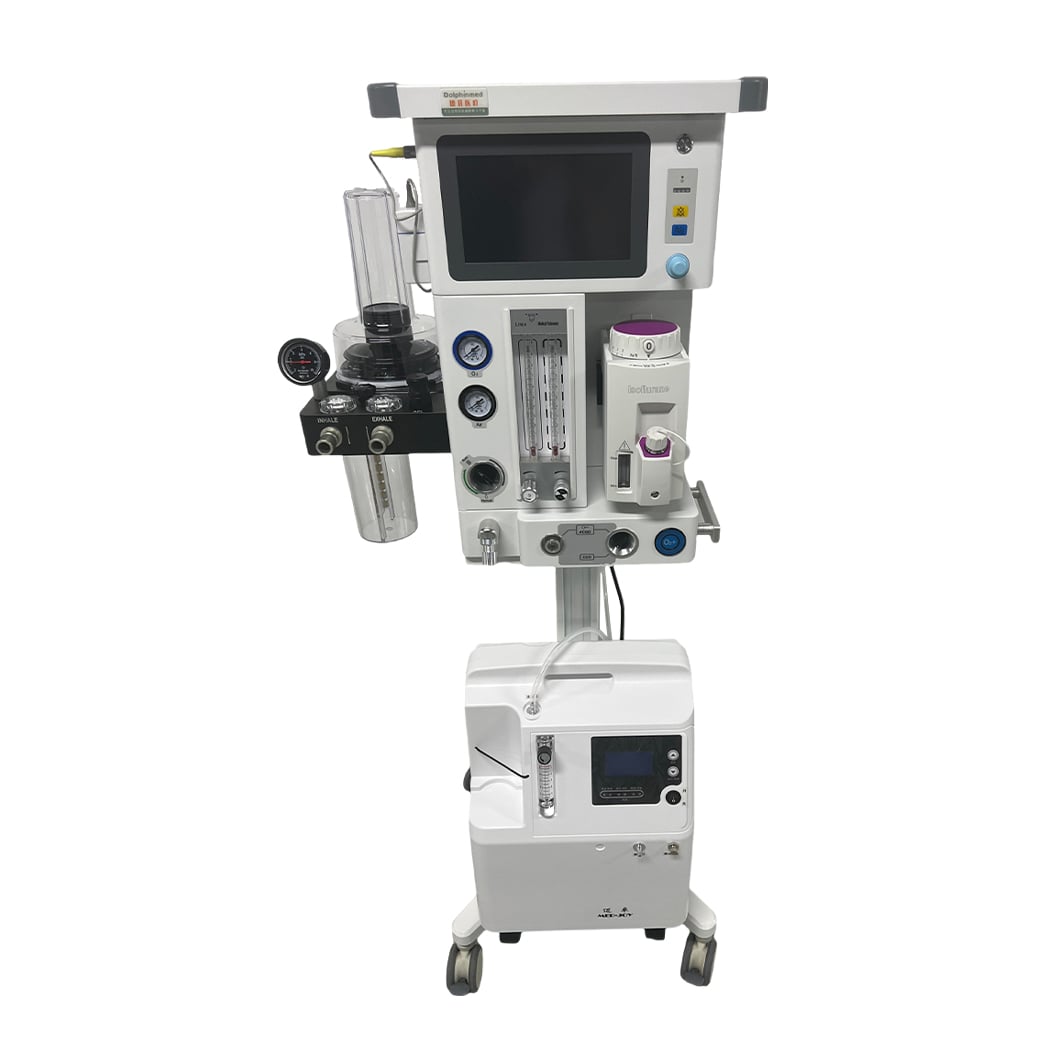
Why Veterinary Anesthesia Machine Is The Core Of Animal Surgical Procedures
I still remember the veterinary clinic project we completed in Dubai last year—their team was struggling with outdated anesthesia equipment that made even minor animal surgical procedures risky and inefficient. That’s when we introduced Healicom’s veterinary anesthesia machine, and the difference it made was night and day. For over 16 years, Healicom has been a one-stop medical equipment supplier, and our veterinary anesthesia machines are engineered to be the backbone of any animal care facility. What makes our machines stand out is that they’re built to meet the strict ISO and CE certification standards, the global gold standard for medical device safety. In animal surgical procedures, consistent anesthetic delivery is non-negotiable, and our veterinary anesthesia machine features precise flow and oxygen concentration control, eliminating the guesswork that plagues older models. This precision doesn’t just make surgeries smoother; it forms the foundation of pet anesthesia safety, ensuring animals stay stable throughout every procedure, from routine spays to complex orthopedic surgeries. Every component is tested rigorously in our professional labs, a testament to why we’re trusted by clinics across 20+ countries from Africa to the Americas.
How Multi-Function Anesthesia System Elevates Surgical Precision
A great veterinary anesthesia machine isn’t just a single tool—it’s a multi-function anesthesia system that adapts to every animal and every procedure, and that’s exactly what Healicom designs for modern vet clinics. I’ve worked with countless vets who say the biggest challenge is treating animals of all sizes, from tiny kittens to large dogs, and our multi-function anesthesia system solves this with adjustable settings for different species and surgical needs. It integrates seamless oxygen supply, anesthetic vaporization, and vital sign monitoring all in one unit, so vets don’t have to juggle multiple devices during animal surgical procedures. The system’s built-in emergency alarm is a game-changer for pet anesthesia safety too—it alerts the care team instantly if oxygen levels drop or anesthetic doses deviate, giving critical time to adjust. As a brand with 16 years of medical equipment expertise, we know that efficiency and safety go hand in hand, so our multi-function anesthesia system cuts down on setup time while boosting procedural safety, a combination that’s made it a favorite in clinics we’ve partnered with in Kenya, Chile and beyond.
Portable Vet Anesthesia: Flexibility For On-The-Go Animal Care
When a rural vet in Tanzania reached out to us last year, their main need was a solution for treating animals in remote areas—our portable vet anesthesia machine was the perfect fit, and it’s now become their most used piece of equipment for field animal surgical procedures. Healicom’s portable vet anesthesia is designed to be compact, lightweight and durable, making it easy to transport to farms, mobile clinics or remote communities without sacrificing performance. What’s impressive is that this portable unit still delivers the same pet anesthesia safety standards as our stationary veterinary anesthesia machine, with precise dose control and a reliable oxygen delivery system. It’s powered by both AC and battery, so it works even in areas with no electricity, a feature we developed based on feedback from our global clinic partners. For vets who need to provide care beyond the clinic walls, portable vet anesthesia isn’t just a convenience—it’s a necessity, and our 16 years of crafting global medical solutions means we’ve engineered it to handle the unique challenges of on-the-go animal care, from extreme temperatures to rough transportation.
Pet Anesthesia Safety: The Non-Negotiable Standard Of Healicom’s Design
Pet anesthesia safety is at the heart of every veterinary anesthesia machine we build, and we don’t cut any corners when it comes to protecting the animals under care—this isn’t just a design choice, it’s a promise backed by ISO and CE certifications. I’ve seen firsthand how poor anesthesia safety can lead to complications during animal surgical procedures, so our machines feature double-layered safety checks: automatic dose calibration and real-time vital sign tracking that syncs with external monitors. Our multi-function anesthesia system also has a low-oxygen protection mechanism that shuts off anesthetic delivery if oxygen levels fall below a safe threshold, a critical feature recommended by global veterinary anesthesia experts. As a one-stop supplier that’s helped over 200 clinics worldwide build their animal care facilities, we know that pet anesthesia safety is what vets care about most, so every Healicom veterinary anesthesia machine is tested for thousands of hours before it leaves our factory, ensuring it performs flawlessly in real-world surgical settings. We also provide free training for clinic teams on how to maximize safety features, because great equipment only works if it’s used correctly.
Healicom’s Veterinary Anesthesia Solutions: Built For Global Animal Care Needs
After 16 years of serving veterinary clinics and hospitals across the globe, from Cameroon’s new animal hospitals to Dubai’s specialized vet clinics, Healicom’s veterinary anesthesia machine line is built to meet the diverse needs of global animal care. Whether you need a full multi-function anesthesia system for a busy urban clinic or a portable vet anesthesia unit for remote fieldwork, we offer a one-stop solution that combines high quality with cost-effective pricing—our core promise as a leading Chinese medical equipment supplier. All our products are ISO and CE certified, with a worldwide after-sales service team that responds to inquiries within 12 hours, so clinics never have to wait for support during critical animal surgical procedures. We don’t just sell veterinary anesthesia machines; we partner with clinics to build sustainable animal care systems, providing technical support and training to ensure every vet can use our equipment to deliver the highest pet anesthesia safety standards. From the smallest local clinic to large-scale animal hospitals, our mission is to make reliable, safe anesthesia accessible to every animal care provider, and that’s why our veterinary anesthesia solutions are trusted by vets on every continent.
 Hot News
 EN
EN