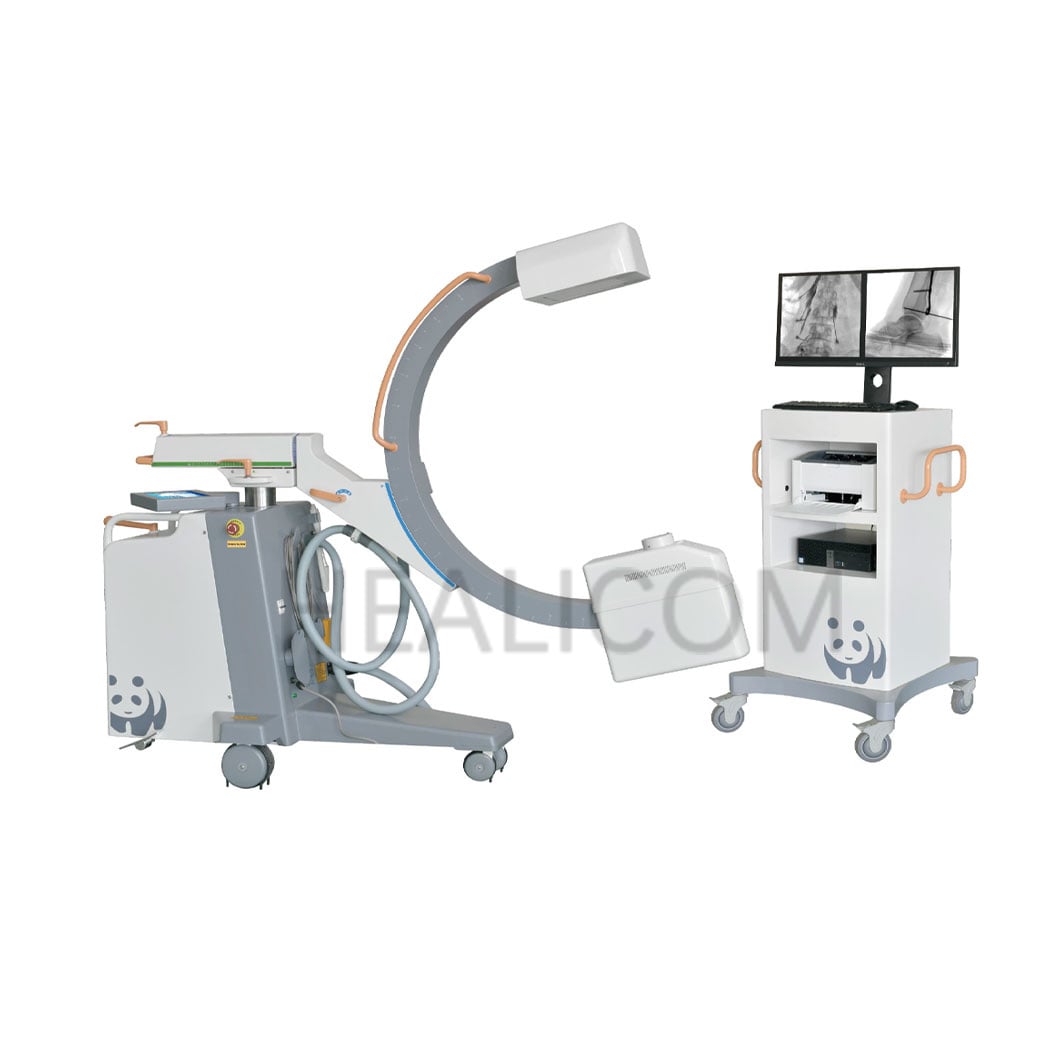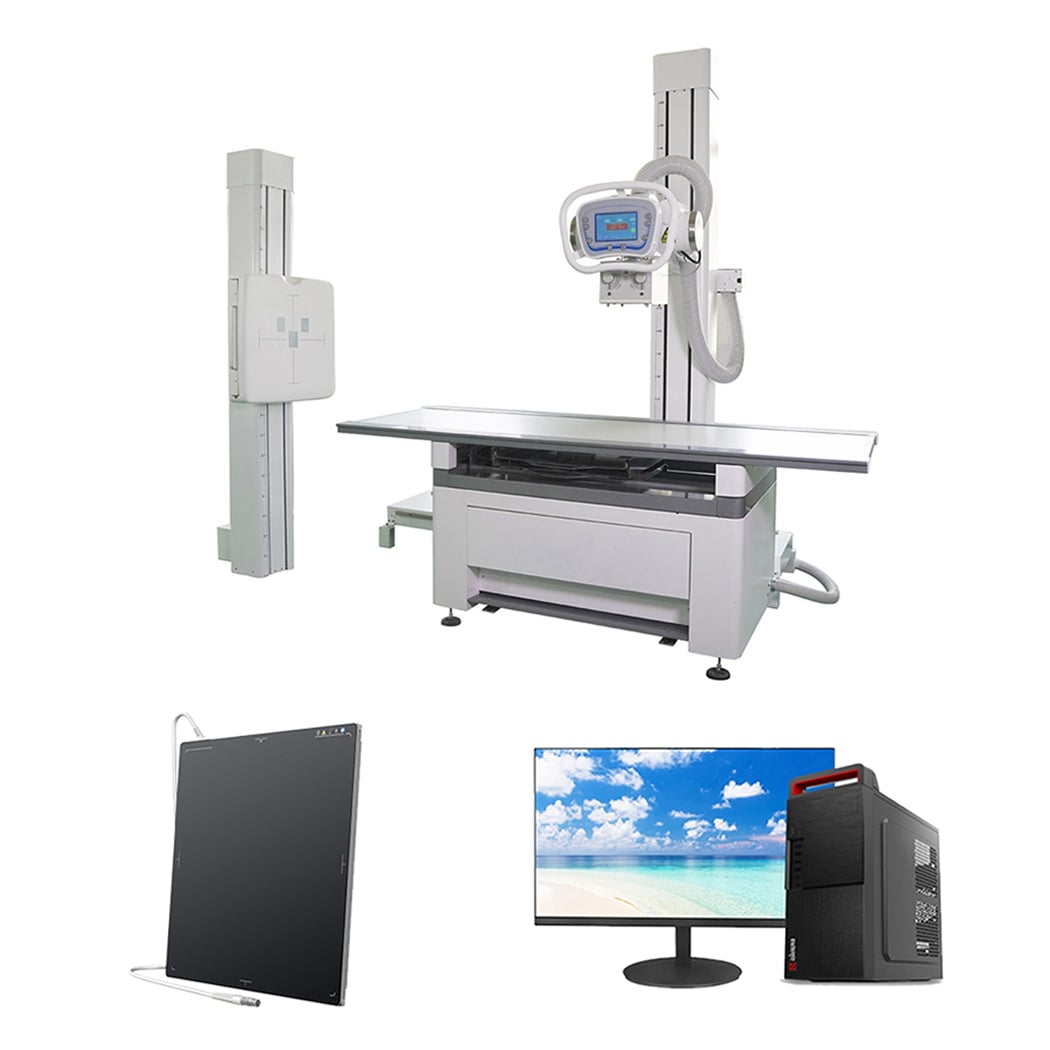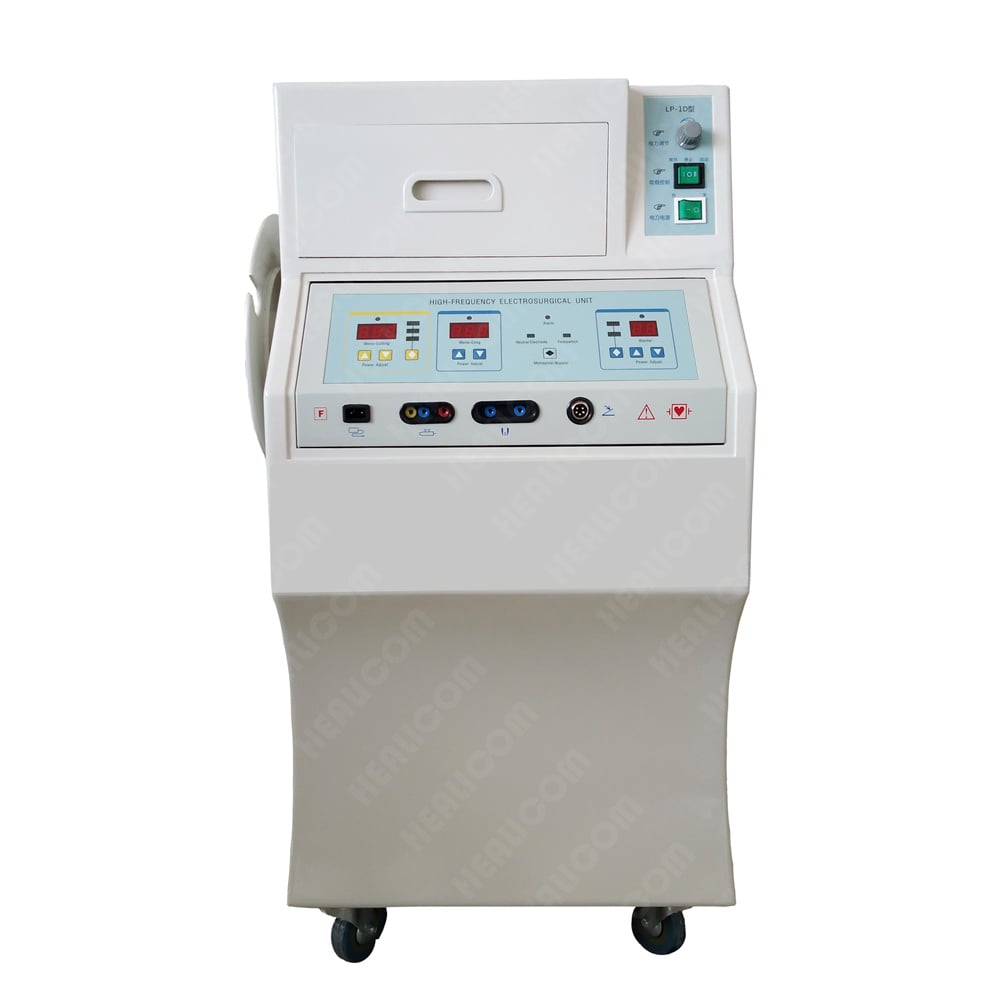
Electrosurgical units operating at high frequencies play a vital role in various types of surgery today. When performing laparoscopic operations, these devices offer remarkable precision that lets surgeons effectively seal blood vessels and cut through tissues using only tiny incisions. Studies indicate that this approach can cut down blood loss by around 40 percent when compared to traditional manual techniques according to recent findings published in Frontiers in Robotics and AI. For open surgical cases, the controlled heat generated helps stop bleeding quickly during complex procedures like removing tumors or repairing traumatic injuries. What makes these tools so valuable is their dual functionality switching seamlessly between cutting mode and coagulation mode. This feature explains why over three quarters of abdominal surgeries now incorporate minimally invasive approaches despite the challenge of maintaining full effectiveness through those much smaller entry points into the body.
Monopolar electrosurgery tends to be the go to option for open surgical procedures since it needs a separate dispersive pad somewhere on the patient's body to finish the electrical circuit. Bipolar devices work differently though they keep all the current flowing just between those two tiny tips at the end of the instrument. This makes them much safer when working inside tight spaces during minimally invasive operations like laparoscopies or arthroscopies near important nerves and blood vessels. According to recent research published last year in the Journal of Surgical Innovation, these bipolar tools cut down accidental burns in tricky spots like the pelvic region by around 60 percent. Most surgeons will switch back and forth between monopolar and bipolar depending on what kind of tissue they're cutting through, how clear their view is, and just how complicated the actual procedure turns out to be. Safety always comes first, but getting good results matters too.
Modern high frequency electrosurgical units incorporate advanced safeguards that significantly reduce complications without sacrificing performance. According to a 2023 review in Surgical Innovation, adherence to integrated safety protocols lowers thermal injury rates by 42% compared to older systems.
Correct placement of the dispersive electrode is crucial—improper positioning accounts for 68% of electrosurgical burns (AORN Guidelines 2024). Contemporary grounding systems include real-time contact monitoring that alerts the surgical team when impedance exceeds the safe threshold of 75Ω/cm², ensuring consistent current dispersion and minimizing skin injury risk.
Today’s generators use predictive algorithms to dynamically adjust power output in response to changes in tissue resistance. These systems prevent 85% of accidental arc burns by suppressing voltage spikes that can occur during instrument movement, according to research from the International Federation for Electrosurgical Safety.
The fourth gen models come equipped with dual safety circuits that check each other 120 times every single second. If there's more than 50 milliamps difference between what goes out and comes back through the system, it shuts down automatically in just under a tenth of a second. That's about 15 times quicker than most people can react. Since these improvements started being used widely around 2020, hospitals have seen nearly a 93 percent drop in injuries caused by those special electrodes during keyhole surgery operations according to research published in the Journal of Minimally Invasive Surgery last year.
 Hot News
 EN
EN