 EN


How to Choose an X-Ray Machine for a Hospital or Diagnostic Center
Choosing an x ray machine is not simply a matter of comparing detector size or generator output. A hospital or diagnostic center is buying a system that must fit clinical demand, room conditions, staff routines, image-management workflows, and a long service life. From a hospital procurement perspective, the useful question is: which configuration can your team verify, operate, maintain, and integrate in the intended setting?
A well-structured evaluation keeps clinical users, radiographers, biomedical engineering, IT, facilities, and purchasing at the same table. It also prevents a common mistake: selecting a feature list before confirming the examinations, patient volumes, and installation conditions the equipment must support.
Start With the Imaging Workload, Not the Product Label
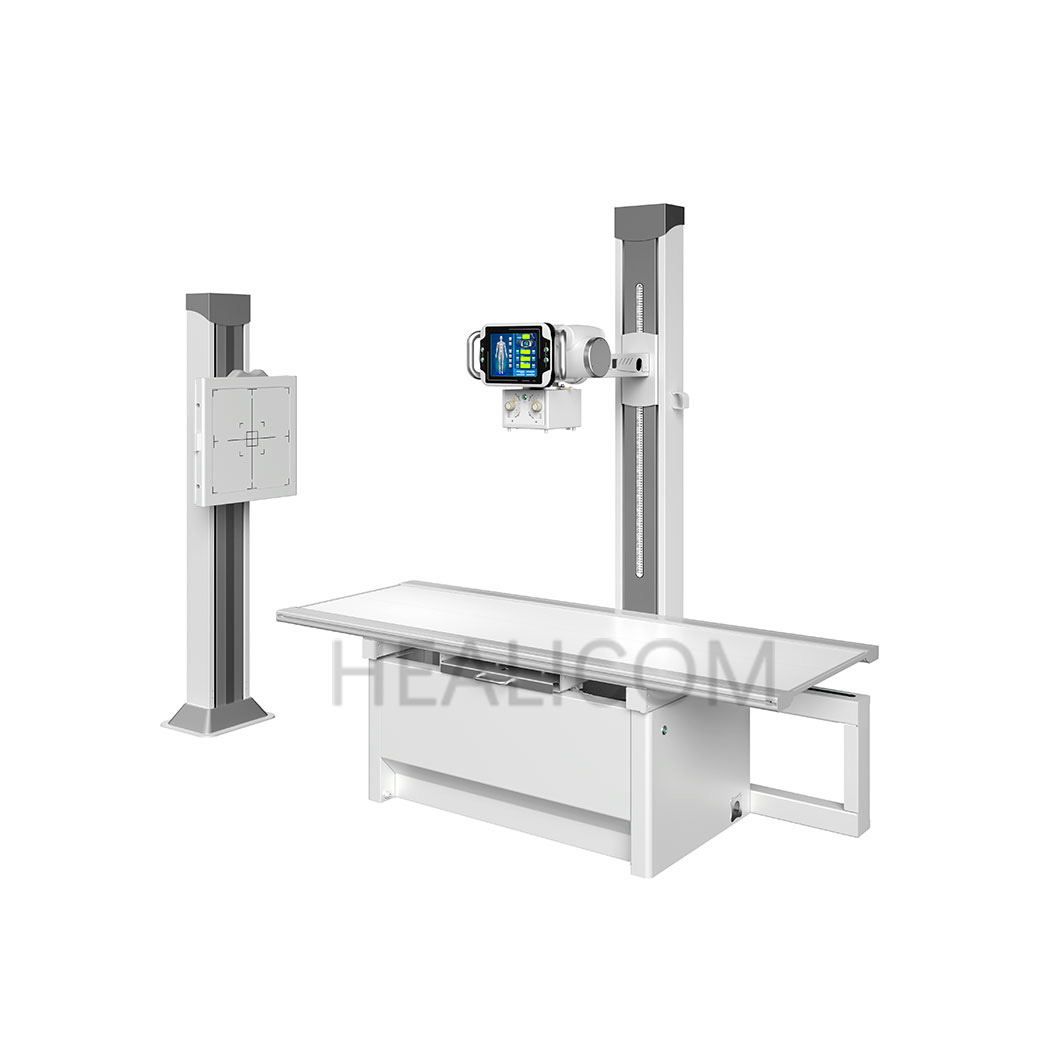
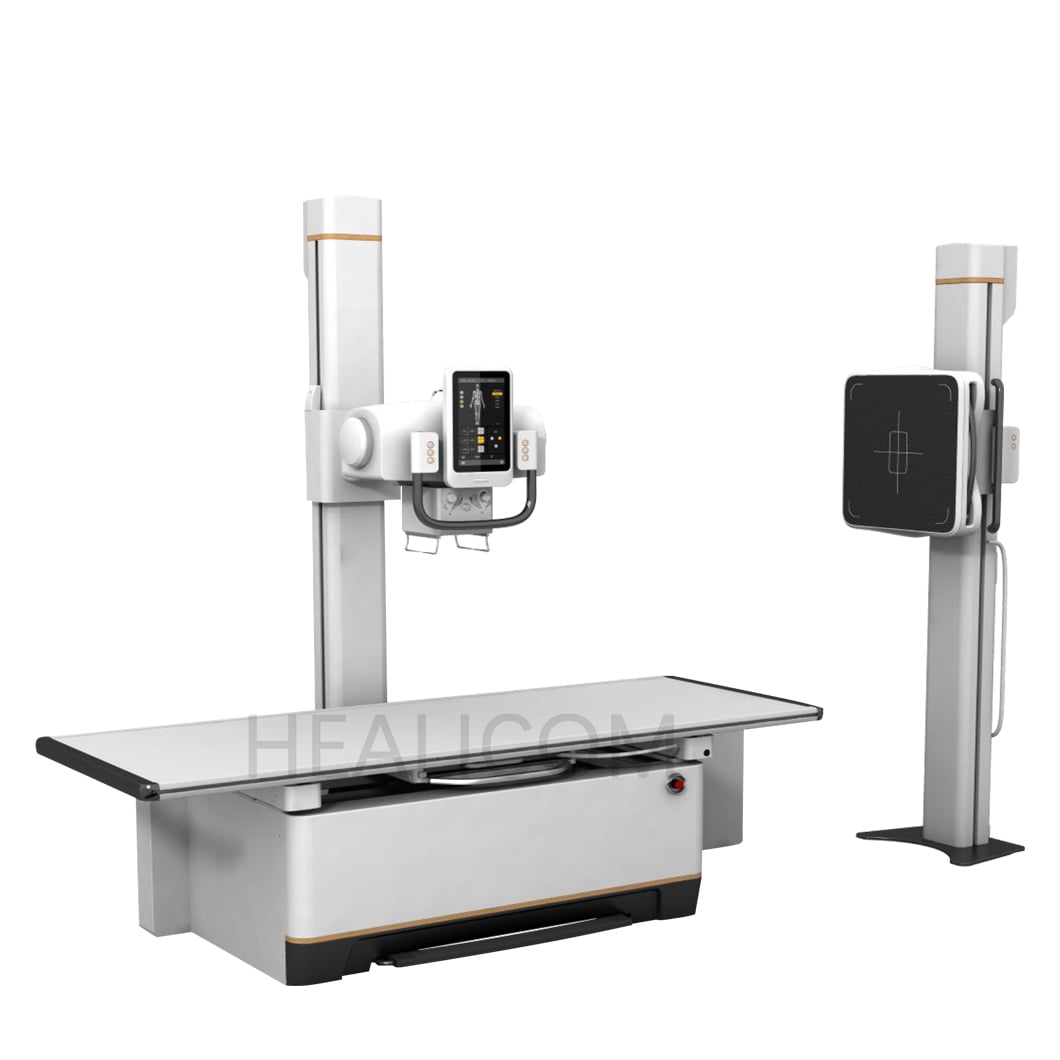
The term x ray machine covers several configurations, including fixed room systems, mobile units, and application-specific configurations. The right starting point is a short demand profile. List the examinations expected in the first year, the patient groups involved, peak-hour throughput, and whether the system will support inpatient, outpatient, emergency, or bedside work.
- Fixed room systems may suit planned general radiography where a dedicated room and predictable workflow are available.
- Mobile systems may be relevant when bedside imaging or movement between care areas is a central requirement.
- Digital radiography systems should be evaluated around detector workflow, image review, and connection to the local image-management environment, not merely as a digital upgrade.
Ask each department to describe the task, rather than asking only for a preferred model. For example, can the patient be positioned at a wall stand, will stretcher cases be routine, and who will move the equipment? In a busy diagnostic center, an x ray machine that fits the planned exam sequence can matter more than a specification that is rarely used.
Choose the Right Digital Workflow
For many buyers, a medical X-ray machine is evaluated as part of a digital imaging chain: exposure, detector handling, image processing, review, storage, and transfer. Map that chain before requesting quotations. Clarify the number and type of detectors, whether a detector needs to move between rooms, the expected turnaround for common studies, and the responsibilities for image workflow support.
Compatibility needs a practical definition. Your team should document the systems that exchange images or patient data and identify the local acceptance criteria for the digital radiography system. Include IT and biomedical engineering early, because network configuration, user accounts, cybersecurity procedures, software updates, and support escalation can affect day-to-day availability.
It is also sensible to request a demonstration based on representative exams and local workflow. A smooth demonstration is useful, but it does not replace a documented acceptance plan. The point is to confirm how the x ray machine behaves in the conditions your staff will actually manage.
 Workflow review is part of evaluating an X-ray room configuration.
Check the Room Before Comparing Technical Options
Site readiness changes the decision. Before choosing diagnostic radiography equipment, collect information on room dimensions, structural and shielding requirements, power supply, ventilation, cable routes, access for delivery, patient circulation, and space for safe positioning. Requirements vary by jurisdiction and installation design, so they should be confirmed with qualified local professionals and the supplier's documentation.
When installation conditions affect use, explain the verification path rather than relying on a broad product claim. A site survey, a room drawing, and a responsibility matrix can reveal issues while changes are still manageable. Your team should also decide who signs off on room completion, system installation, image connectivity, and staff handover.
Put Safety, Quality Control, and Documentation Into the Evaluation
Technical documentation should be part of the comparison matrix. IEC 60601-2-54 addresses basic safety and essential performance for equipment and systems intended for projection radiography and radioscopy. That does not mean every option has the same regulatory status in every market. Instead, request the documentation applicable to your intended use and jurisdiction, then have the responsible team verify it.
Quality assurance deserves equal attention. International guidance on diagnostic radiology emphasizes monitoring X-ray equipment performance and using quality-control processes to support accurate, safe use. When assessing an x ray machine, ask how acceptance testing, baseline measurements, periodic checks, fault reporting, and service records will be handled after installation.
Without traceable records, it is unwise to describe a performance claim as established. Ask what evidence will be provided at delivery, which tests are included, what tools are needed for routine checks, and how findings are documented. This turns safety and quality from a brochure topic into an operational plan.
Compare Total Ownership Requirements
The purchase price is only one line in the decision. For a hospital imaging equipment project, compare installation work, training, detector replacement planning, software and connectivity support, maintenance coverage, response arrangements, and consumables or accessories relevant to the intended workflow. Do not assume that one cost pattern suits every site; instead, make each supplier state the scope, exclusions, timing, and responsibilities.
| Evaluation area | What to verify | Why it matters |
|---|---|---|
| Clinical fit | Exam mix, patient mobility, throughput, positioning needs | Connects the x ray machine to real tasks |
| Digital workflow | Detector use, image review, integration, support ownership | Reduces avoidable handoff problems |
| Room readiness | Space, power, shielding, delivery access, installation milestones | Helps coordinate deployment work |
| Quality plan | Acceptance testing, baseline checks, periodic QC, records | Supports ongoing oversight |
| Lifecycle support | Training, maintenance scope, parts path, escalation process | Clarifies operating commitments |
Use a Cross-Functional Decision Matrix
A practical way to compare options is to score each proposed x ray machine against the same verified criteria. Give clinical users a voice on positioning and workflow; let facilities confirm room readiness; let IT and biomedical engineering confirm technical responsibilities; and let purchasing compare the documented commercial scope. This approach avoids turning a single feature into the entire decision.
Before a final selection, hold a review that separates confirmed facts from items requiring supplier clarification. Have you defined who will read images, manage daily checks, arrange training, and approve acceptance results? Even when a parameter looks attractive, does it solve a specific workflow issue for your staff?
Questions to Ask Before Placing the Order
- Which examinations and patient flows is this x ray machine intended to support?
- What room, shielding, power, and delivery conditions must be completed before installation?
- How will the medical X-ray machine connect with the existing image and patient-data workflow?
- What acceptance tests, records, and periodic quality-control responsibilities are included?
- Which training roles are covered, and how will competency or handover be documented?
- What is included in the maintenance and escalation scope for the diagnostic radiography equipment?
- Which assumptions in the quotation still need written confirmation?
Make the Selection Verifiable
The right x ray machine is the one whose clinical use, digital workflow, site conditions, quality plan, and lifecycle support can be documented before purchase. A careful comparison does not promise an outcome. It gives the hospital or diagnostic center a transparent basis for selecting a configuration, planning installation, and preparing the people who will use and support it.
Use the checklist above as the starting point for a supplier discussion, then adapt it to local regulations, clinical governance, and the needs of your imaging team.
 Hot News

