EN


How to Compare Anesthesia Machines for Different Operating Rooms
A brochure rarely shows how an anesthesia machine will work in a particular room. Start the comparison with the procedure mix, the people who prepare the system, and the checks required before each case. A compact room with predictable cases can need a different anesthesia workstation configuration from a high-turnover suite, a pediatric room, or a hybrid operating room with imaging equipment.
This guide is written from a hospital procurement perspective. It helps clinical, biomedical engineering, and purchasing teams create a common evaluation scope before they compare an anesthesia machine quote. It is a selection framework, not a substitute for local clinical, engineering, infection-control, or regulatory review.
Start With the Operating Room, Not the Feature List
An anesthesia machine supports a workflow rather than an isolated task. Before requesting proposals, document the procedures performed, expected patient groups, case duration, turnover pattern, staffing model, available gases, power resilience, monitoring layout, and space at the head of the table. This baseline makes it easier to distinguish a necessary capability from an attractive but unused option.
Ask the anesthesia team to map what happens before induction, during a case, at handoff, and between cases. Ask engineering to map gas supply, electrical outlets, network requirements, service access, and alarm interfaces. Ask OR management where carts, monitors, booms, suction, and mobile imaging equipment move. The question is not whether an anesthesia delivery system has a feature; it is whether that feature fits the actual workflow and can be verified locally.
Define One Comparison Scope for Every Anesthesia Machine
Quotes become hard to compare when each supplier includes different accessories, vaporizers, monitoring modules, gas connections, or service assumptions. Build a configuration sheet that names what is included with each anesthesia machine and what remains optional. The sheet should cover the ventilator, gas delivery components, vaporizer positions, scavenging connection, backup power behavior, alarm functions, displays, mounting, accessories, and required consumables.
The same discipline applies to the anesthesia breathing circuit. Record the circuit types intended for use, interfaces, leak-test process, carbon dioxide absorbent workflow where applicable, water-management components, and cleaning or replacement responsibilities. A configuration that looks comparable on paper may create different preparation steps once it is placed in a room.
Use Room Type to Weight the Decision Matrix
| Room context | What to evaluate first | Questions for the anesthesia machine review |
|---|---|---|
| Standard general OR | Reliable daily workflow and configuration consistency | Can the anesthesia machine be checked, supplied, and positioned consistently across routine cases? |
| High-turnover OR | Clear preparation, cleanup, and handoff steps | Do the controls, storage, circuit setup, and alarm review support the local turnover process? |
| Pediatric or variable-patient room | Range of clinically specified ventilation and monitoring needs | Which settings, accessories, and verification steps must the clinical team validate for the intended patient population? |
| Specialty or long-case OR | Ergonomics, access, and uninterrupted workflow | Can staff reach controls, supplies, and the patient without blocking other operating room equipment? |
| Hybrid or constrained room | Clearance, mobility, and integration planning | Does the anesthesia machine location preserve access during imaging, equipment movement, and service activity? |
The table is a starting point, not a universal ranking. For example, extra mobility may matter in one room but add cable-management work in another. A demonstration should reproduce the intended setup rather than occur in an empty showroom.
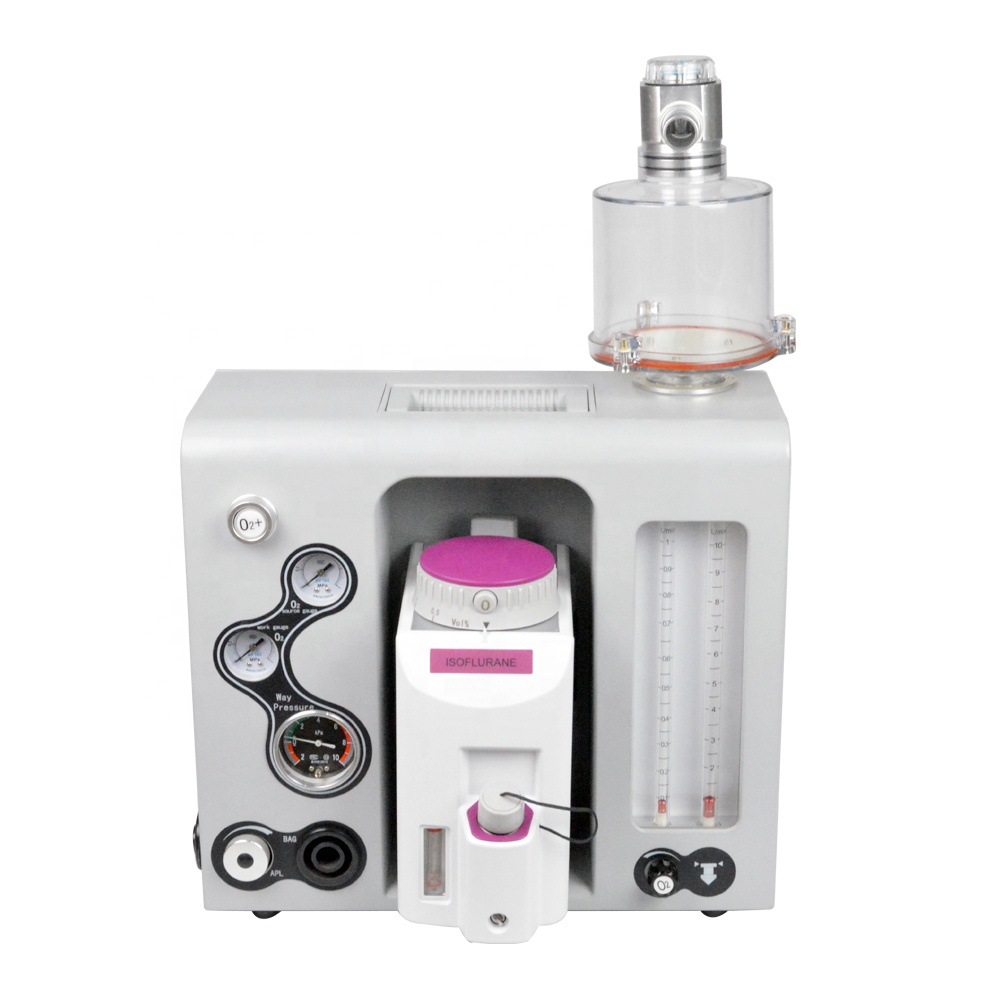 Compare the workstation within the intended room layout and workflow.
Compare Safety and Verification Pathways
Basic safety and essential-performance documentation should be part of the formal review of an anesthesia workstation. ISO 80601-2-13 is a relevant standard family for anaesthetic workstations; the purchasing team should confirm the applicable edition, market requirements, submitted documentation, and scope with qualified local reviewers. Do not treat a standards reference as proof that a particular configuration fits every hospital.
Pre-use readiness deserves equal attention. Established checkout guidance highlights backup ventilation, oxygen and gas supply, alarms, scavenging, monitor readiness, breathing-system pressure and leak testing, and documentation. During a site demonstration, have the proposed anesthesia machine follow the facility’s current or planned checkout pathway. Confirm who performs each step, what the display communicates, and how the team handles an interruption or machine move.
This approach turns an abstract feature comparison into a testable question: can the anesthesia delivery system support the local procedure before a patient is connected? The answer requires local procedures and the manufacturer’s instructions for use, not a generic web checklist.
Assess Layout, Access, and Serviceability
At the head of the table, space is shared. The anesthesia machine, anesthesia cart, patient monitor, cables, suction, breathing circuit, staff, and often additional operating room equipment all need room to move. Measure the proposed footprint in the actual room and observe doors, booms, table movement, imaging paths, and emergency access. Check where the machine can be parked for cleaning or service without disrupting the next case.
For a hybrid room or a room with large mobile equipment, repeat the review in every intended equipment position. Clearance can change as monitors swing, imaging components move, or the table is repositioned. A feasible layout should be confirmed by the people who use and maintain the room, rather than inferred from a floor plan alone.
Include Ownership Tasks in the Comparison
The purchase decision continues after delivery. For each anesthesia machine, clarify acceptance testing, installation requirements, training roles, planned maintenance, response process, software-update responsibilities, replacement parts, consumables, and downtime escalation. Put these items beside the initial configuration instead of leaving them to a later service discussion.
It is also useful to identify the evidence that will close open questions: equipment manuals, connection diagrams, service scope, training plan, local gas-supply confirmation, and acceptance criteria. This gives procurement and clinical teams a shared list of items to verify before approval.
A Practical Evaluation Sequence
- Describe each room’s procedure mix, layout constraints, and staffing workflow.
- Set a common configuration scope for every anesthesia machine proposal.
- Ask clinical users, biomedical engineering, and procurement to score the same criteria.
- Run a room-specific demonstration using the intended anesthesia breathing circuit and local pre-use process.
- Document open technical, training, service, and acceptance questions before selecting a supplier.
When teams compare an anesthesia machine this way, the result is more useful than a generic feature ranking. The aim is a configuration that can be positioned, checked, used, maintained, and accepted within the realities of each operating room.
Frequently Asked Questions
Should one anesthesia machine configuration serve every OR?
Standardizing core workflows can simplify training and maintenance, but the right configuration depends on each room’s procedures, access constraints, and validated clinical requirements. Start with a shared baseline and document justified exceptions.
What should a demonstration include?
Ask for a room-specific setup, normal checkout pathway, alarm review, circuit preparation, positioning exercise, and discussion of service access. Include the users and engineers who will evaluate the anesthesia machine after installation.

 Hot News