 EN


What Factors Affect X-Ray Machine Prices?
An x ray machine quote is rarely just a number for hardware. It is a snapshot of clinical scope, image workflow, room readiness, service expectations, and what is included or left for the buyer to arrange. As a hospital procurement reviewer, I find that two proposals for an x ray machine can look comparable until the team maps each line item to the intended examination workflow.
The useful question is not simply “Which x ray machine costs less?” It is “What capability, project work, and long-term responsibility does each price cover?” This article offers a practical way to read quotes without assuming that one configuration suits every facility.
Start with the X-Ray Machine Category and Clinical Workload
The system type is an early price driver. A mobile x ray machine, a floor-mounted room system, a ceiling-suspended arrangement, and a compact unit for a focused workflow have different mechanical, power, positioning, and installation demands. A higher-capacity x ray machine may be appropriate for a heavier examination schedule, but capacity should be compared against actual patient mix, throughput targets, and staffing patterns rather than treated as a universal upgrade.
Ask users, radiographers, engineers, and procurement staff to describe the exams that matter most. For each proposed x ray machine, record the planned room, detector locations, patient positioning needs, and whether bedside or fixed-room use is required. This moves the discussion from a generic feature list to a configuration that can be evaluated.
Generator, Tube, and Positioning Configuration Change the Quote
Inside an x ray machine, the generator, X-ray tube, tube support, collimation, exposure controls, and image receptor arrangement all affect scope and cost. A quality-assurance guide identifies generator voltage, kV and kW ratings, tube characteristics, automatic exposure control, tube-support design, collimators, and auxiliary equipment as performance-specification areas. That does not make a single specification right for every buyer; it explains why two systems with similar-looking brochures can carry different prices.
Compare quotes on the same configuration basis. Clarify whether the x ray machine price includes the selected tube support, table or wall stand, detector quantity, exposure-control options, and accessories. If a supplier offers options, ask for a priced configuration sheet rather than comparing a base system with a more complete package. This is where an experienced X-ray machine supplier should help translate technical terms into the operational difference for the department.
Digital Imaging and Workflow Scope Are Not Minor Add-Ons
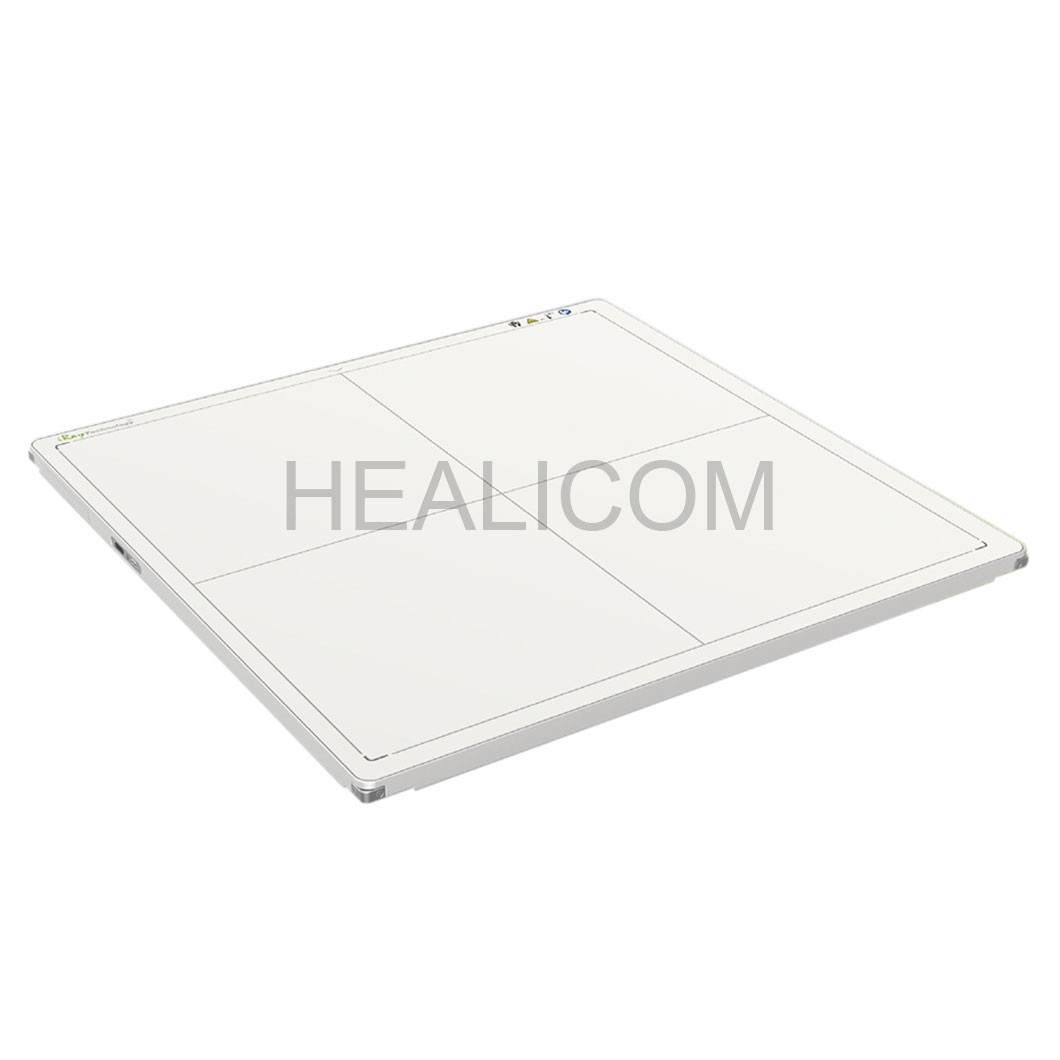
For many projects, detector technology and image-management workflow can account for a meaningful part of the x ray machine investment. A proposal may differ in detector size, number of detectors, charging approach, workstation setup, image-processing tools, storage or network connectivity scope, and implementation support. The least expensive x ray machine package can require additional work if its digital workflow does not align with how images will be reviewed, transferred, or archived.
Instead of asking whether a system has “digital imaging,” document the workflow. Who captures the image? Where is it reviewed? Which systems need to receive it? Who verifies that the result reaches the intended destination? These questions belong in medical imaging procurement because data-exchange, cybersecurity, network, and acceptance responsibilities can change both the initial project price and the work needed before go-live.
X-Ray Room Installation Can Be a Separate Cost Layer
An equipment quote may not cover an installation-ready project. X-ray room installation can include site assessment, structural work, electrical preparation, equipment movement, assembly, cabling, commissioning, and coordination with local specialists. Requirements depend on the room, existing construction, intended equipment use, and applicable local rules.
For example, Health Canada’s Safety Code 35 describes early facility planning that considers wall, floor, ceiling, and control-booth materials and thicknesses, as well as whether a barrier is exposed to the direct beam or scatter radiation. The code is not a substitute for local advice, but it illustrates why shielding cannot be estimated reliably from room dimensions alone. A qualified medical physicist or radiation-safety professional should determine the project-specific shielding approach. Treat that review as an input to the x ray machine budget, not a last-minute contingency.
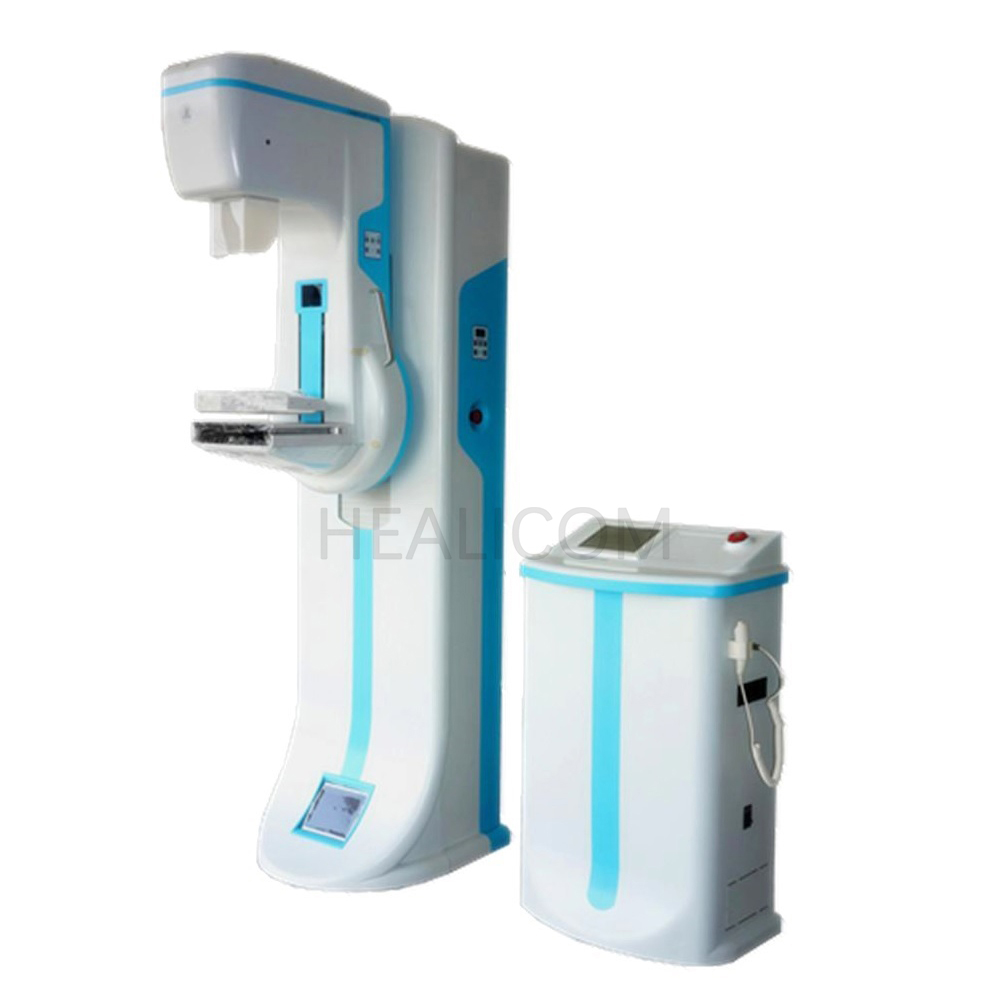 A fixed radiography room should be evaluated as part of the equipment and installation project scope.
- Request a clear boundary between the x ray machine supply scope and building or shielding scope.
- Confirm the parties responsible for drawings, permits, power, HVAC implications, and final site acceptance.
- Record assumptions about existing barriers, room occupancy, and where the primary beam may be directed.
Quality Assurance, Acceptance, and Training Affect Value
Radiography quality assurance is not merely a post-purchase task. The same Safety Code 35 notes that equipment required for daily-to-monthly quality-control work should be obtained with the X-ray unit and that acceptance-test baseline values support a QA program. In practice, buyers should ask what the x ray machine quote includes for commissioning, baseline testing, calibration coordination, user training, documentation, and handover.
A lower initial x ray machine price may exclude work that another proposal includes. Request an itemized answer: Who performs acceptance testing? What records are handed over? What training is included, for which roles, and at what stage? What is the escalation path if the installed configuration differs from the agreed scope? These questions help a team compare total commitments instead of headline prices.
Service Coverage, Parts, and Lifecycle Planning Matter
The purchase price is only one part of an x ray machine decision. Maintenance arrangements, response expectations, spare-part availability, software support, detector handling, preventive-maintenance scope, and training refreshers may influence the resource plan over time. A X-ray machine supplier should state the service boundaries in writing rather than relying on general assurances.
Make a lifecycle comparison table for each x ray machine: included warranty, optional service period, exclusions, remote-support limits, recommended maintenance tasks, consumables or accessories, and responsibilities at handover. The purpose is not to predict every future cost. It is to identify questions that should be resolved before a low equipment price is treated as a low project cost.
A Practical Quote-Comparison Checklist
Use one worksheet for every x ray machine proposal. First confirm the clinical workload and configuration. Next compare digital workflow and room assumptions. Then separate X-ray room installation, acceptance, training, and service items from the equipment subtotal. Finally, ask whether the proposal supplies the information needed for radiography quality assurance and local compliance review.
| Comparison area | Question to document | Why it affects price |
|---|---|---|
| System configuration | What generator, tube, support, detector, and accessories are included? | Capability and completeness differ between x ray machine packages. |
| Room readiness | What site, shielding, power, and construction assumptions apply? | Installation scope may sit outside the equipment quote. |
| Digital workflow | What connectivity pathways, workstations, implementation, and validation are included? | Integration work can alter project resources. |
| QA and handover | Who owns testing, records, training, and acceptance? | These items support an organized deployment. |
| Lifecycle support | What service, parts, and maintenance boundaries are written into the offer? | Support scope changes the longer-term plan. |
Make Price Discussions More Useful
A credible x ray machine comparison uses the same clinical and project assumptions for every bidder. Before requesting a final quotation, provide the intended workflow, room information, desired configuration, digital requirements, target handover process, and local verification needs. That gives each X-ray machine supplier a clearer brief and gives the buyer a more defensible basis for comparison.
In short, x ray machine prices vary because the machines, project conditions, and lifecycle commitments vary. Start with the use case, make configuration and installation assumptions explicit, and place QA and service responsibilities on the same comparison sheet. Where local requirements or shielding are involved, obtain advice from appropriately qualified professionals. That disciplined approach helps medical imaging procurement teams evaluate price in context rather than in isolation.


 Hot News

