EN


How to Plan Anesthesia Machine Procurement for a New Hospital
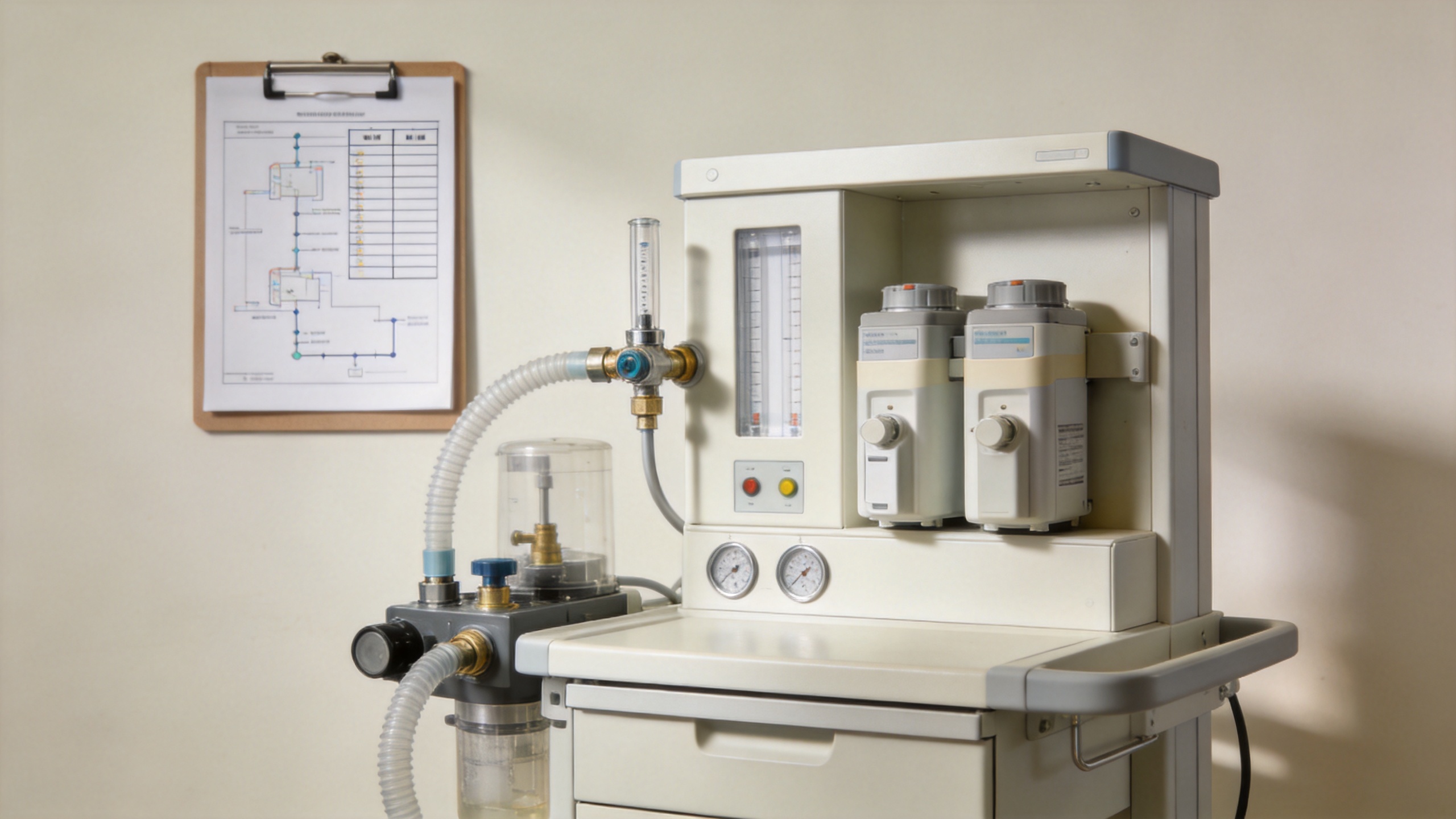
Planning an anesthesia machine purchase for a new hospital is not a matter of comparing a few brochures. The device sits inside a working system: medical-gas infrastructure, clinical workflows, monitoring, emergency preparedness, infection-control practices, biomedical engineering support, and training. A useful procurement process turns those dependencies into a written specification before quotations arrive.
This article offers a project-planning framework for procurement, clinical, facilities, and biomedical engineering teams. It is not a clinical protocol or a substitute for local regulatory, anesthesia, engineering, or infection-control review. The exact configuration and verification steps must fit the hospital, intended procedures, local rules, and the qualifications of the professionals who will operate and maintain the equipment.
Start with the service model, not the feature list
An anesthesia machine should be scoped by where and how it will be used. List each planned location, such as a main operating room, procedure room, recovery-area backup position, or ambulatory theatre. For every location, document the anticipated patient groups, procedure mix, case duration, staffing model, power resilience, medical-gas supply, suction, and space constraints. This prevents a familiar procurement problem: quotations look comparable, yet each supplier has assumed a different baseline configuration.
Invite anesthesia leadership, operating-room nursing, biomedical engineering, facilities, infection control, procurement, and IT where applicable. Their questions differ. Clinicians may focus on workflow and visibility; engineering teams may need service access and site information; procurement needs a comparison-ready scope. One meeting with a shared template often saves several rounds of clarification later.
Build a requirements matrix for the anesthesia workstation
Describe the requested anesthesia workstation in functional terms rather than asking for a generic model. Separate requirements into three columns: mandatory, preferred, and subject to local validation. This makes vendor responses easier to assess and avoids treating optional items as standard inclusions.
| Planning area | Questions to document before requesting quotations |
|---|---|
| Clinical workflow | Which procedure types, patient populations, ventilation modes, and handover routines must the system support? |
| Gas and power readiness | Which pipeline gases, cylinder arrangements, electrical outlets, backup provisions, and scavenging connections are available at each room? |
| Monitoring scope | Which parameters are required, what alarm workflow is used, and how will a gas monitoring system fit into the room setup? |
| Breathing system | Which sizes, connection standards, filters, sampling lines, accessories, and replacement practices are expected for the anesthesia breathing circuit? |
| Information and accessories | Which carts, mounts, drawers, suction arrangements, cables, and documentation outputs belong in the quoted configuration? |
| Verification and support | Which acceptance checks, user training, preventive-service tasks, response times, parts, and records must be defined in writing? |
Ask every bidder to identify what is included, optional, excluded, supplied by a third party, or dependent on the site. The answer matters as much as a headline feature list. If one quote includes monitoring, accessories, and commissioning while another does not, a unit-price comparison is misleading.
Plan gas supply, monitoring, and circuit compatibility together
The anesthesia machine is only one part of the perioperative setup. Before a purchase decision, have facilities and biomedical engineering confirm the physical and service conditions of each intended room. The review should address gas outlets and connectors, pipeline identity verification, cylinder-management arrangements, power supply and backup, ventilation and scavenging interfaces, room layout, and access for installation or maintenance.
Monitoring should be addressed at the same time. A gas monitoring system affects cable routing, sampling-line management, displays, alarm responsibilities, service arrangements, and the space around the patient area. Rather than assuming an integrated or separate monitor will work in every room, define the required monitoring scope and request a demonstration against the hospital’s expected workflow.
The same approach applies to the anesthesia breathing circuit. Procurement documents should clarify the connection and accessory requirements that need local confirmation, plus how the team will handle availability, replacement, storage, cleaning or disposal policies, and pre-use checks. A published machine-check discussion notes that systematic reviews may cover gas sources, vaporizers, breathing circuits, monitoring, an integrated ventilator, suction, and scavenging. That is a useful reminder that acceptance planning should cover the system—not an instruction to adopt one universal checklist.
Turn demonstrations into comparable evidence
A product demonstration is more useful when each supplier responds to the same scenario sheet. Ask participants to observe the startup sequence, ergonomics, screen readability, alarm presentation, circuit setup, access to routine service points, documentation options, and transition between the workflows relevant to the new hospital. Record questions and unresolved dependencies instead of relying on general impressions.
For example, the evaluation team can ask: Can the proposed anesthesia workstation be positioned and accessed safely in the planned room layout? Are the proposed monitoring components clear in the intended workflow? What must be completed by the hospital before installation? Which configuration choices change service or training needs? The point is not to declare one design suitable for every hospital; it is to surface trade-offs early.
Specify acceptance criteria before issuing a purchase order
Acceptance is easier when the hospital defines it before delivery. Create an acceptance plan jointly with clinical, engineering, and procurement stakeholders. It can include delivery verification, configuration confirmation against the purchase order, site-readiness checks, installation documentation, functional verification by qualified personnel, initial user training, service contacts, and a list of open items with owners and due dates.
Use the manufacturer’s current instructions, the hospital’s policies, and applicable local requirements to determine the detailed verification process. The procurement file should also identify what evidence is required: configuration records, serial-number records, manuals, training attendance, commissioning documents, warranty terms, and the schedule for planned support. This approach gives the hospital a traceable path from the requested anesthesia machine to the delivered system.
Budget for anesthesia machine maintenance from day one
Initial price is only one line in the project budget. Anesthesia machine maintenance planning should be written into the evaluation matrix, including preventive-maintenance intervals, who may perform service, expected response channels, parts availability, software or documentation requirements where relevant, loaner or contingency arrangements, and responsibilities during warranty and after warranty. The service plan should also account for associated monitoring and accessories, not only the base machine.
Ask suppliers to state exactly what their proposal includes and what must be purchased separately. Then ask biomedical engineering to assess whether the proposed anesthesia machine maintenance arrangement fits local staffing, training, tooling, and recordkeeping. If the hospital expects its own team to perform certain tasks, those expectations should be checked against current manufacturer guidance and local policy before contract award.
Create a procurement timeline with review points
- Define demand: map rooms, services, expected workloads, stakeholders, and constraints.
- Confirm site inputs: validate gases, power, scavenging, space, access, and installation sequencing.
- Issue a normalized specification: include the anesthesia workstation, monitoring scope, accessories, commissioning, training, and support requirements.
- Evaluate responses: compare included configuration, exclusions, lifecycle obligations, and evidence from scenario-based demonstrations.
- Finalize acceptance and training: agree on verification documentation, responsibilities, escalation contacts, and go-live readiness.
- Review after deployment: collect early user and engineering feedback, close open items, and update the maintenance record.
Questions to settle before final selection
- Does every quote describe the same anesthesia machine configuration and accessory scope?
- Has the hospital validated site readiness for each planned location?
- Is the gas monitoring system scope clear, including alarms, displays, consumables, and service?
- Are anesthesia breathing circuit requirements documented for the intended workflows and local policies?
- Are installation, commissioning, training, and acceptance responsibilities assigned?
- Does the anesthesia machine maintenance plan identify tasks, evidence, response arrangements, and lifecycle costs?
- Have local clinical, engineering, infection-control, and regulatory reviewers signed off on the final specification?
Conclusion
A new-hospital purchase becomes more manageable when the anesthesia machine is treated as a connected clinical and technical system. Start with workflow and site facts, normalize the requested anesthesia workstation configuration, verify monitoring and circuit dependencies, and put acceptance and service responsibilities into the procurement record. That sequence supports a more transparent comparison and gives the implementation team a clearer starting point for local validation.
 Hot News