 EN


How to Plan Incubator Procurement for a NICU
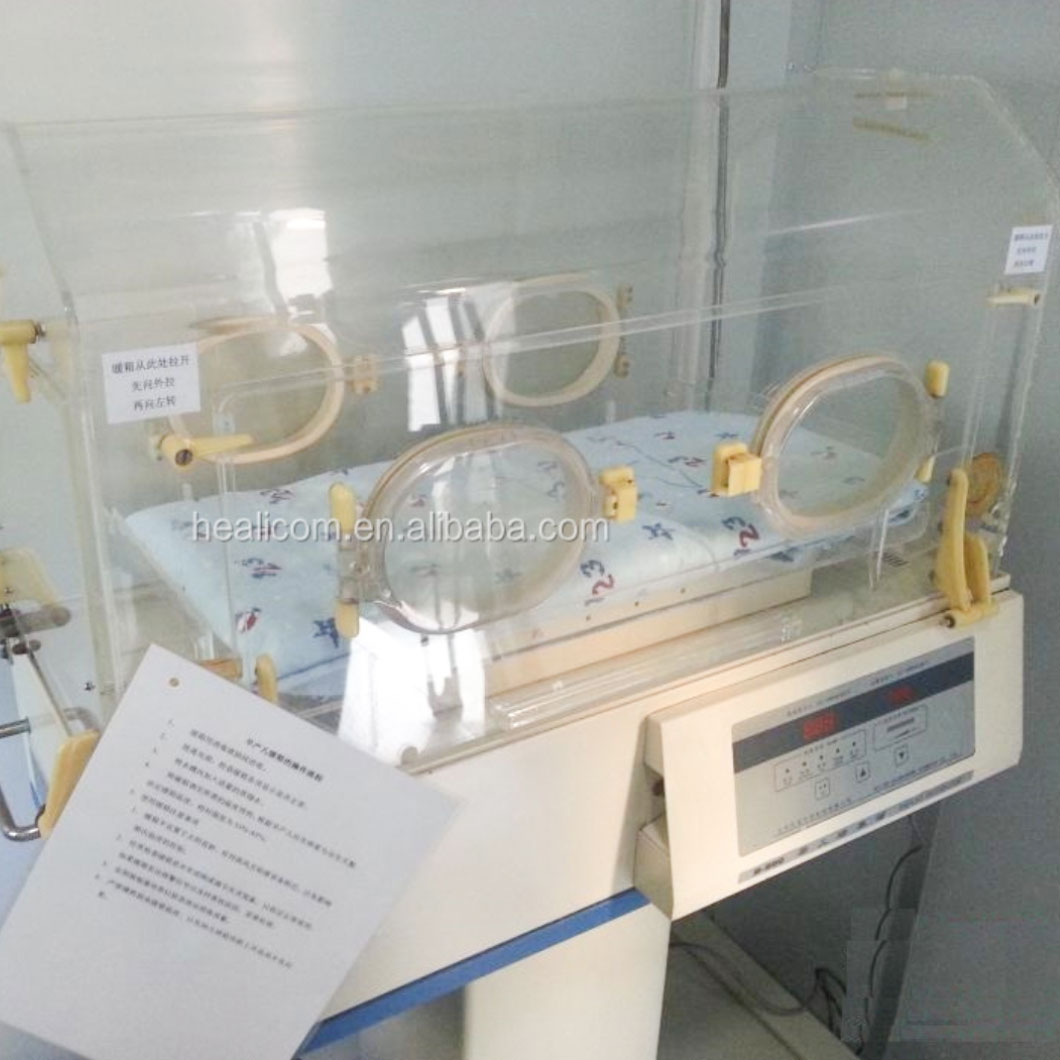
Planning an infant incubator purchase for a neonatal intensive care unit is not a matter of comparing a few feature lists. The useful starting point is the care pathway: which newborns will use the equipment, which team members will operate it, and what must be checked before the unit is accepted into service. A neonatal incubator can support a controlled care environment, but its value depends on the fit among clinical practice, the installation site, training, service arrangements, and the agreed configuration.
For a procurement team, this article offers a practical way to convert a broad request for newborn care equipment into a documented plan. It is an equipment-planning framework, not clinical or regulatory advice. Local clinical leadership, biomedical engineering, infection-control personnel, and applicable regulatory requirements should review the final specification.
Start with the NICU use case, not the catalog
An infant incubator is generally selected when the unit needs an enclosed, managed environment for newborn observation and care. That description is helpful, but it is too broad for a tender. Before inviting quotations, map the expected patient mix, bed capacity, acuity, staffing pattern, and the points at which the unit may be used in the NICU workflow.
Ask the clinical and technical teams to distinguish needs that truly require an enclosed neonatal incubator from needs that may call for other forms of infant thermal support. The point is not to rank one approach above another; it is to avoid writing a specification that assumes every thermal-care need is identical. A short workflow review can reveal whether access, observation, transport, cleaning, monitoring interfaces, or placement near other equipment will influence the procurement decision.
- Which patient conditions and care activities are expected during use?
- How many units are required for routine capacity, surge capacity, and planned downtime?
- Who will set up, inspect, clean, and hand over each unit across shifts?
- Which existing monitors, power arrangements, and clinical workflows must be considered before installation?
This early discussion prevents a common error: treating a long option list as proof of suitability. More accurately, the team should identify which functions can be verified against its own NICU workflow.
Build the requirements matrix before comparing offers
A clear requirements matrix makes quotations comparable. WHO guidance on medical-device technical specifications highlights technical and physical characteristics, utility requirements, documentation, warranty and maintenance, and related services as procurement considerations. For an infant incubator project, translate those categories into columns that every supplier must answer using the same format.
| Planning area | Questions to document | Evidence to request |
|---|---|---|
| Clinical workflow | What care tasks, access needs, and observation routines must the unit support? | Configured demonstration plan and user workflow notes |
| Environment and utilities | What are the space, electrical, network, and placement constraints? | Site-preparation requirements and installation drawings |
| Configuration scope | Which supplied items, options, accessories, and consumables are included? | Line-item configuration schedule |
| Training and documentation | Which roles need training, and what documents must be available at handover? | Training plan, manuals, and inspection checklist |
| Service continuity | How will preventive maintenance, fault reporting, spare parts, and escalation be handled? | Service scope, response process, and parts list |
| Acceptance | What observations and documents demonstrate that the delivered configuration matches the order? | Pre-agreed acceptance protocol |
Use the same matrix for every neonatal incubator proposal. If one quotation includes accessories, installation, or training while another does not, the apparent price comparison may not represent the same procurement scope.
 A procurement matrix helps clinical, technical, and purchasing teams compare the same scope.
Specify conditions and verification points, not unsupported outcomes
Thermal protection is a planned part of inpatient newborn care, and procurement materials from WHO identify equipment and supplies for thermoprotection as a facility-management consideration. That is a reason to plan carefully; it is not a reason to assume that any individual infant incubator will produce a particular clinical outcome.
Write requirements in a form that can be checked. For example, rather than copying promotional wording, define the environmental controls, displays, alarms, access arrangements, cleaning expectations, and records your team needs to observe during a configured demonstration or acceptance test. If a connection point, accessory, or monitoring relationship matters to the intended workflow, mark it as a verification item instead of treating it as an implied feature.
A strong specification also records exclusions. Does the order include delivery to the NICU, installation, initial inspection, operator instruction, biomedical engineering orientation, or follow-up service? Does it identify approved cleaning methods and the expected documentation? These questions make newborn care equipment procurement easier to administer after the purchase order is issued.
Check site readiness and ownership before delivery
Space and utilities are often discovered too late. Before selecting an infant incubator, confirm the intended footprint, surrounding clearance, route from receiving to the NICU, electrical supply, and any local requirements for the care environment. A unit can look appropriate in a product demonstration yet create workflow friction if the bedside arrangement, power access, or cleaning route has not been considered.
Assign owners to each pre-delivery action. The clinical lead can confirm workflow priorities; biomedical engineering can review installation, inspection, maintenance, and documentation needs; facilities can verify the room and utilities; purchasing can maintain configuration control; and the supplier can respond to documented technical questions. A simple responsibility list is often more useful than a general statement that the department has “reviewed” the purchase.
Plan training, maintenance, and consumables as part of the purchase
New equipment is only workable when roles are clear after handover. Include orientation for the staff who set up and use the neonatal incubator, plus separate technical instruction for personnel responsible for inspection and maintenance. Ask how refresher training will be handled when staff rotate or new team members arrive.
Also request a written view of scheduled maintenance, fault-reporting channels, available parts, service documentation, and any items that must be replenished over time. This is where total project resources matter more than the initial unit price. The appropriate service arrangement will vary by location, hospital capability, and supplier model, so it should be defined rather than assumed.
Turn acceptance into a shared, observable process
Do not leave acceptance criteria until delivery day. Before purchase, agree on what the receiving team will inspect: the ordered configuration, physical condition, included documentation, installation completion, required training, and the observations needed to confirm that the delivered infant incubator matches the approved specification. Keep a record of open items, the responsible owner, and the closure date.
For NICU leaders, the practical question is: can the team trace each important requirement from the care-use discussion through the quotation, purchase order, installation, and acceptance record? When that traceability exists, procurement becomes less dependent on memory and more resilient to staff changes.
A concise NICU procurement checklist
- Define the clinical use cases and the role of the infant incubator within broader neonatal intensive care equipment.
- Separate essential workflow requirements from options that require local justification.
- Create one requirements matrix for all suppliers, including site, documentation, training, service, and acceptance fields.
- Verify space, utilities, delivery route, and ownership of pre-delivery actions.
- Compare like-for-like configurations, not headline prices or unverified claims.
- Agree on an acceptance protocol and an open-item process before the order is released.
When planning is structured this way, an infant incubator tender can support informed review without implying that a single specification fits every NICU. The next useful step is to convene the clinical, biomedical, facilities, and procurement stakeholders around the matrix and convert their confirmed needs into an auditable specification.
 Hot News

