 EN


How to Maintain an Autoclave for Consistent Sterilization Performance
An autoclave is only as dependable as the routine around it. In a busy sterile-processing area, it is easy to focus on loading the next tray and overlook the small conditions that shape every cycle: clean surfaces, correct water, an unobstructed drain, usable packaging, and records that someone actually reviews. A practical autoclave maintenance program turns those conditions into repeatable checks instead of relying on memory or a machine status light.
This guide is written from an operator-and-supervisor perspective for facilities handling medical instrument processing. It does not replace the instructions for your specific autoclave, local policy, or a qualified service technician. Use the manufacturer’s instructions for cleaning agents, water specification, preventive-maintenance intervals, cycle selection, and service limits.
Start with the conditions that make a cycle repeatable
Steam sterilization depends on a validated combination of time, temperature, steam quality, air removal where applicable, loading practice, and drying. The autoclave can display acceptable numbers while a poorly arranged load, damaged pouch, wet pack, or blocked drain creates a separate problem. That is why autoclave maintenance and daily processing discipline belong in the same workflow.
Before the first load, look at the chamber, rack, door area, and drain screen according to the manufacturer’s instructions. Remove visible debris only with approved methods. Check that the gasket is clean, seated, and free from damage; inspect trays and shelves for residues that could interfere with drainage or loading. Do not use abrasive tools or unapproved chemicals simply because the chamber looks stained. If a surface condition is unusual, document it and escalate it rather than improvising a repair.
Water quality also deserves attention. Scale, mineral deposits, and residues can affect the chamber and steam-generation components over time. Follow the autoclave manufacturer’s specified water source and its change-out or cleaning recommendations. A simple log entry for water treatment, visible scale, and corrective action gives the team a useful trend record.
Build a daily autoclave maintenance routine
A daily routine should be short enough to happen consistently and specific enough to catch a change. Assign the check to a role, record the result, and define who receives an exception. A useful start-of-day sequence includes:
- Review the previous cycle records for time, temperature, pressure, alarms, and any operator comments.
- Inspect the autoclave chamber, gasket, door mating surface, racks, and drain area using the approved cleaning procedure.
- Confirm that the water supply and consumables meet the equipment instructions.
- Verify that cycle documentation, chemical indicators, labels, and required test materials are available before processing begins.
- For a dynamic-air-removal unit, perform the required air-removal test before the first processed load and follow facility policy if it does not pass.
The point is not to create paperwork for its own sake. Daily records make it possible to see whether an autoclave starts showing recurring wet loads, slow heat-up, repeated alarms, or an unexplained shift in cycle behavior. Those trends are more useful to a service provider than a report that the unit “sometimes acts up.”
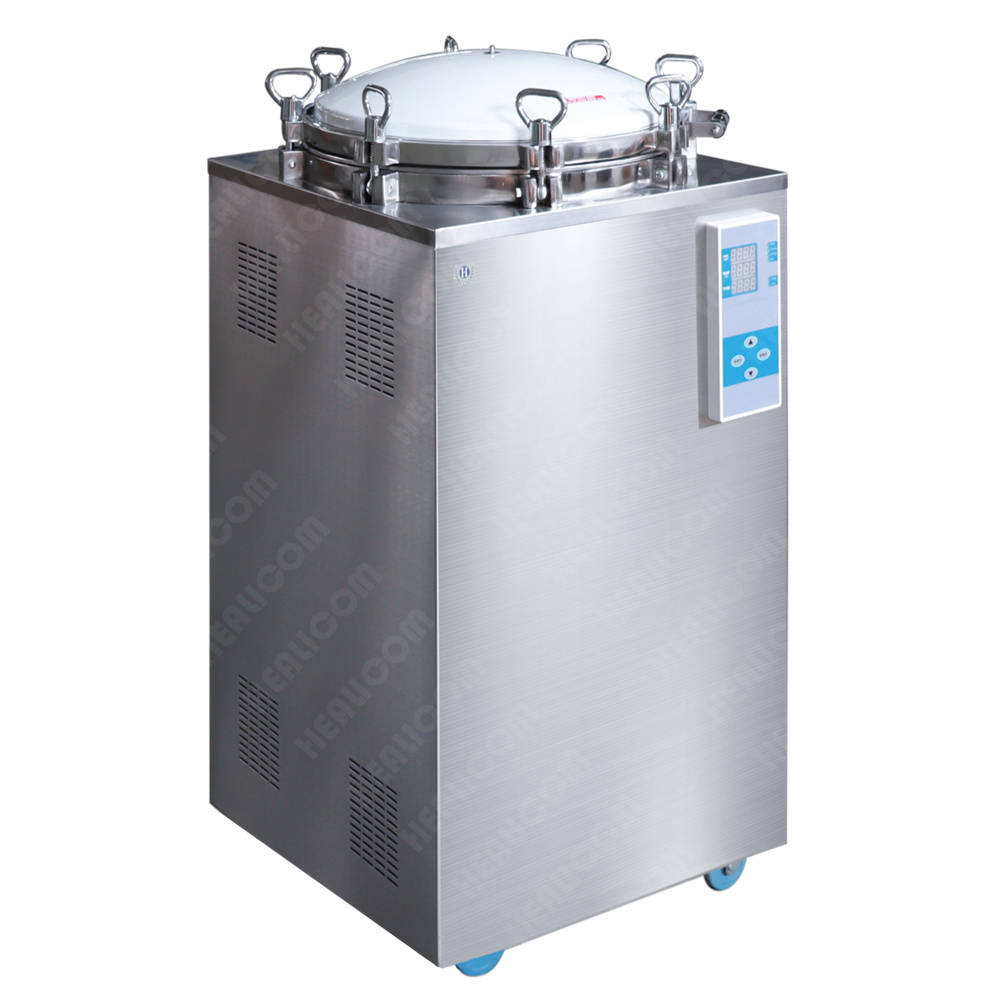 Routine checks help identify conditions that can disrupt repeatable processing.
Load for steam access, not maximum volume
Autoclave chamber capacity describes the usable chamber volume; it is not a target for filling every cycle. When staff treat capacity as a packing goal, they can restrict steam circulation, impede air removal, or make drying less reliable. Use the loading configuration and maximum load guidance that apply to the cycle and device type. Leave the clearance needed for circulation, avoid compressing pouches, and keep items from blocking drains, sensors, or moving parts.
For medical instrument processing, cleaning, inspection, preparation, and packaging come before the autoclave. Instruments should be cleaned and dried as required before packaging, and each pack should be configured so the sterilant can reach all intended surfaces. A sterilizer cannot correct poor cleaning, incompatible packaging, or a load assembled without regard to the instructions for use.
Train staff to recognize that a wet pack, torn pouch, unusual odor, incomplete indicator response, or unexpected cycle interruption is not merely an inconvenience. Segregate affected items according to policy, document the event, and determine whether reprocessing, troubleshooting, or service is needed. Do not release questionable items because the door unlocked or a printout exists.
Make sterilization cycle validation a controlled event
Sterilization cycle validation is broader than watching a cycle complete. Routine monitoring typically combines mechanical information, chemical indicators, and biological indicators as required by policy and applicable guidance. Mechanical data show whether the autoclave recorded the intended cycle conditions. Chemical indicators provide an exposure check. Biological monitoring provides a direct challenge to the process using appropriate resistant spores. Each tool answers a different question, so one should not be casually substituted for another.
Keep the cycle record with enough information to reconstruct what happened: date, load or cycle identifier, selected cycle, operator, indicator results, exceptions, and disposition. Review these records at a defined cadence rather than storing them until an audit. If the autoclave has digital logs, establish who checks alarms and incomplete cycles and how the review is documented.
Treat installation, relocation, a major repair, a significant configuration change, or a sterilization failure as a reason to follow the facility’s requalification process before routine use resumes. For applicable equipment, that process may include empty and loaded challenge cycles and required air-removal testing. The exact protocol belongs to your organization, the equipment instructions, and applicable standards; an operator should not invent a passing criterion in the field.
Separate routine care from qualified service
Routine autoclave maintenance can include approved cleaning, inspection, documentation, consumable checks, and scheduled operator tests. Work involving pressure systems, heaters, valves, sensors, safety devices, electrical components, calibration, or internal disassembly should be handled by qualified personnel. Escalate promptly when you see persistent leaks, damaged gaskets, unusual noise, repeated failed tests, recurring error codes, poor drying, temperature or pressure deviations, or unexplained changes in cycle duration.
When service is performed, record the reported symptom, affected load status, service action, replaced parts if provided, and the verification steps required before release. This creates a useful handoff between the people who use the autoclave and the people who maintain it.
Use a weekly and monthly review to prevent drift
At the interval specified by the manufacturer and your facility, clean accessible components more thoroughly, inspect trays and door seals, review water-treatment needs, and check that preventive service is scheduled. A supervisor can also review whether the autoclave chamber capacity is appropriate for actual workload. Repeatedly overfilled loads may signal a scheduling or capacity issue, not a reason to relax loading discipline.
Finally, review exceptions as a group: failed indicators, wet loads, aborted cycles, repairs, and repeat alarms. The goal is not blame. It is to identify whether a training issue, packaging practice, utility condition, maintenance need, or cycle-selection problem is putting consistent sterilization performance at risk.
A simple maintenance mindset that protects every load
Reliable autoclave performance comes from small checks performed consistently, records reviewed before problems grow, and a clear boundary between operator care and qualified service. Pair a clean, correctly loaded autoclave with disciplined monitoring and documented sterilization cycle validation. That approach supports safer medical instrument processing and gives the team a defensible basis for deciding when the autoclave is ready to run, when a load needs attention, and when service should take over.

 Hot News

