 EN


Vertical vs Horizontal Autoclave: Which Design Fits Your Facility?
Choosing an autoclave is not simply a question of chamber capacity. For a hospital, clinic, laboratory, or central sterile area, the orientation of the chamber affects loading, floor planning, transport routes, staffing, and the way a sterilization workflow is verified. A vertical autoclave can be a practical answer where space is limited and loads are compact. A horizontal autoclave can make more sense where throughput, cart handling, or separation of clean and soiled movement drives the project.
From a hospital procurement perspective, the useful question is not “Which design is better?” It is “Which autoclave design fits the loads, room layout, and process controls this facility can support?” This article offers a decision framework rather than a one-size-fits-all recommendation.
Start with the workflow, not the chamber orientation
An autoclave uses pressurized steam to process compatible loads, but the chamber is only one part of the system. Instruments still need cleaning, inspection, packaging where applicable, loading, cycle selection, unloading, cooling or drying, documentation, and release according to the facility’s procedures. The CDC notes that loading practices must allow free circulation of steam around each item. That means an apparently generous chamber is not automatically productive if baskets, packs, or containers are difficult to arrange correctly.
Before comparing a vertical or horizontal autoclave, map one representative busy-period load from arrival to release. Note the item type, package format, total mass, loading aid, movement direction, recordkeeping step, and operator handoff. This makes the conversation about real work rather than a catalogue comparison.
Vertical autoclave: where it can fit well
A vertical autoclave is loaded from the top. It is often considered when the facility handles smaller or more contained loads and wants to conserve floor space. The smaller footprint can be useful in a laboratory support room, a compact clinic utility area, or another location where a long front-loading clearance would interrupt circulation.
Potential strengths
- Space economy: A vertical autoclave may occupy less floor length than a comparable front-loading arrangement.
- Simple localized use: For smaller batches or media, glassware, and suitable instruments, top loading may suit a contained work area.
- Lower transport complexity in some rooms: A short route from preparation bench to chamber can reduce unnecessary handling when the load is light and the workflow is simple.
Questions that deserve attention
Top loading is not automatically easier. Teams should check lift height, reach distance, basket handling, load mass, splash or heat exposure during unloading, and whether operators can place packages without compressing or obstructing them. The chamber depth and the facility’s method for retrieving lower items matter. Where staff must repeatedly handle heavy trays, the ergonomics may outweigh the saved footprint.
A vertical autoclave also needs the same disciplined loading and monitoring approach as any other steam sterilizer. If the design makes it harder to separate load types or inspect indicators at the intended point in the workflow, that should be identified before purchase.
Horizontal autoclave: where it can fit well
A horizontal autoclave is commonly front loaded and is available in configurations intended for larger loads, carts, or integrated processing areas. It may be appropriate when the facility needs a clearer loading route, repeated high-volume cycles, or a layout that supports cart-based movement. Large-capacity market offerings can range from roughly 65 liters to more than 1,000 liters, but capacity is only a starting point; usable throughput depends on load composition, cycle requirements, staffing, and turnaround practices.
Potential strengths
- Cart and tray access: Front loading can make it easier to use racks, shelves, and carts where the chosen configuration supports them.
- Workflow zoning: In a planned processing area, the autoclave can be positioned to support defined incoming and outgoing movement.
- Scalability for repeated loads: A horizontal design may provide a more workable platform when load volume and handling frequency are expected to increase.
Questions that deserve attention
Horizontal equipment generally needs more than chamber floor area. Measure front-door clearance, cart turning radius, service access, drainage, utilities, ventilation requirements, and the space needed for safe unloading. A larger unit can create bottlenecks if clean packs accumulate at the discharge side or if the route to storage crosses the route for unprocessed items.
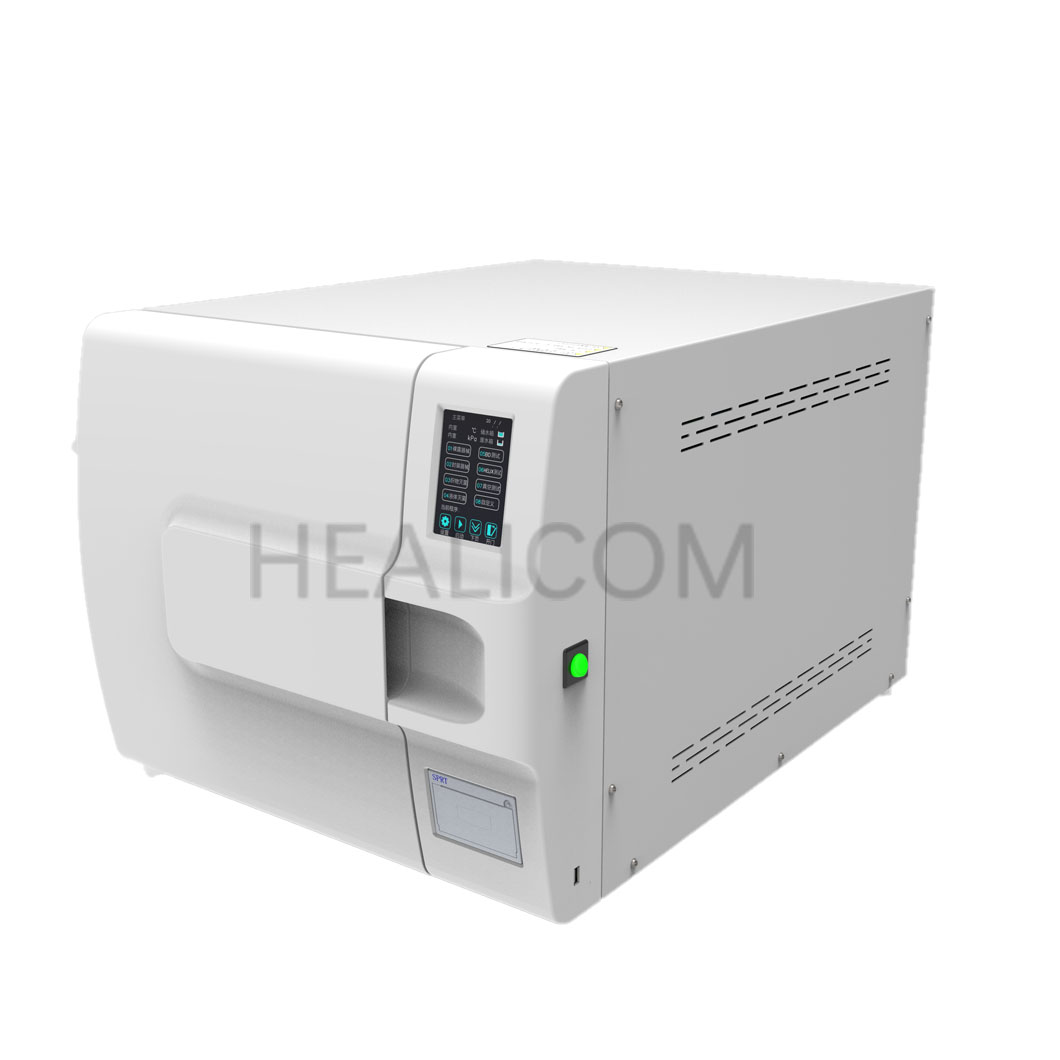 Chamber orientation should be assessed with room circulation and load handling.
A direct comparison for facility planning
| Decision area | Vertical autoclave | Horizontal autoclave |
|---|---|---|
| Primary loading direction | Top loading; assess reach and basket lifting. | Front loading; assess door clearance, shelves, and cart movement. |
| Space pattern | Can favor constrained floor layouts, but needs overhead and operator access space. | Often needs a longer equipment zone and clear approach path. |
| Load handling | Often suits compact, manageable loads when safe lifting is feasible. | Can suit larger, repeated, or cart-supported loads when layout supports flow. |
| Workflow design | May work well for localized processing with limited handoffs. | May support more defined receiving-to-release sequencing in larger areas. |
| Key validation concern | Confirm loading depth, indicator visibility, and safe retrieval. | Confirm configuration, load routing, and release-side capacity. |
The table is a screening tool, not a technical specification. A hospital autoclave should be assessed against its intended loads, manufacturer instructions, local regulations, infection-prevention requirements, and the facility’s qualified technical review process.
Build autoclave quality testing into the decision
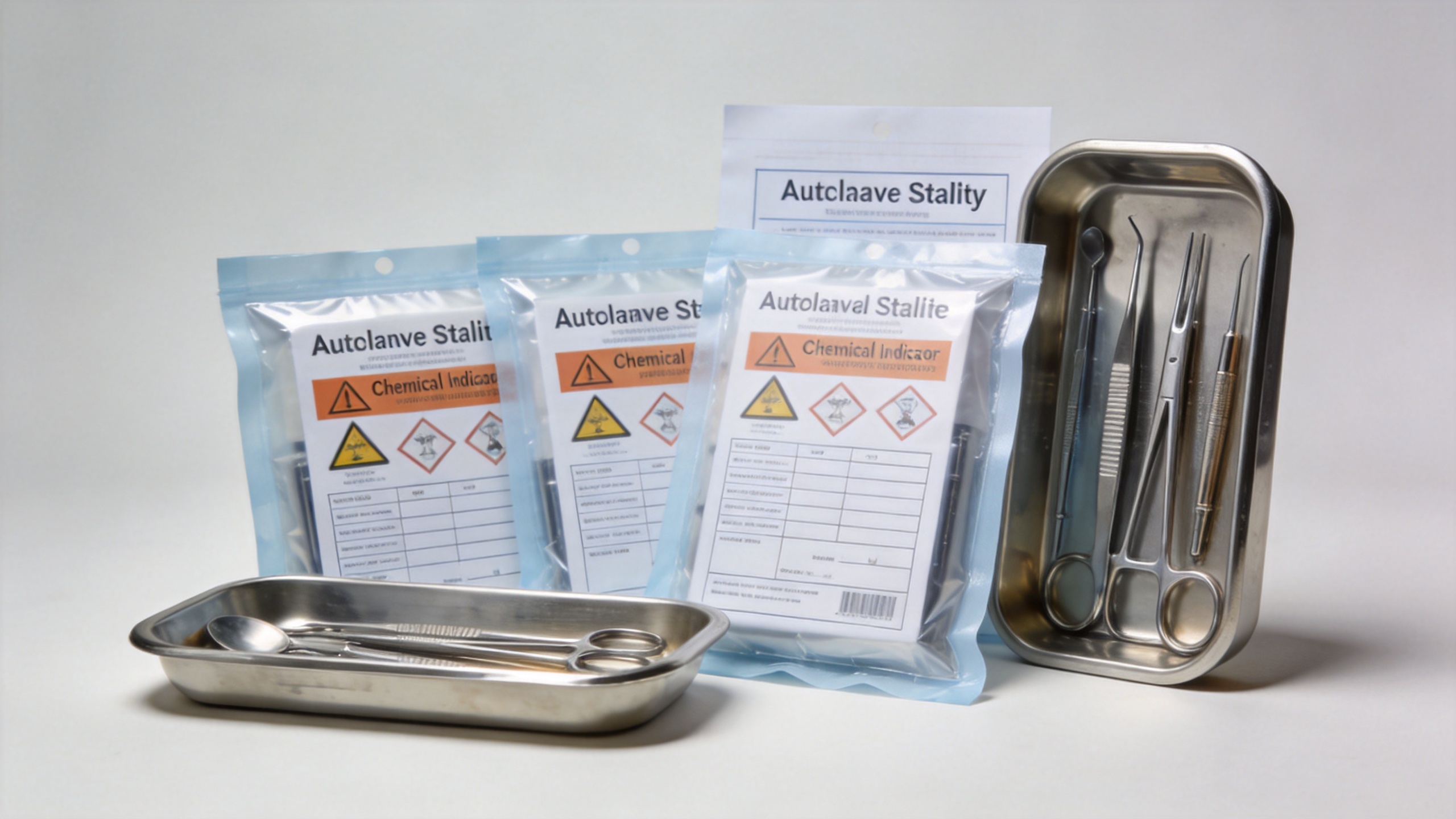
Autoclave quality testing should influence selection before the unit is installed. The CDC describes mechanical, chemical, and biological monitoring as complementary checks of steam sterilization conditions. In its dental guidance, a chemical indicator is placed inside every package so the team can verify that the sterilizing agent reached the contents; a biological indicator directly challenges the process with resistant spores. The exact monitoring program, test frequency, record format, and response to an exception must follow applicable requirements and the manufacturer’s instructions.
For procurement, ask how the proposed autoclave supports cycle record capture, indicator review, load identification, traceability, service access, and investigation of a failed result. This is where a steam sterilizer supplier should be asked for documentation and implementation support rather than broad claims. A good comparison includes the questions your quality team must answer after installation, not only the features shown during a demonstration.
Use a five-question decision checklist
- What loads are actually processed? List dimensions, weights, packaging, instrument complexity, and peak-cycle demand.
- What movement pattern is safe? Walk the sterilization workflow from receiving to release and mark cross-traffic, turning points, and handoffs.
- What physical conditions are confirmed? Verify room dimensions, door swing, overhead access, utilities, drainage, ventilation, and service space.
- How will the facility verify each load? Define the records, mechanical data, chemical indicators, biological monitoring, and corrective-action route that the team requires.
- Who owns the routine work? Assign responsibility for loading, release, maintenance coordination, training, and review of exceptions.
What to request from a steam sterilizer supplier
When comparing options, give each steam sterilizer supplier the same written use case. Ask for the proposed chamber configuration, load accessories, utility requirements, space drawings, operating documentation, service scope, training outline, and the information needed for your facility’s acceptance and validation process. Comparing unlike configurations is a common procurement mistake: a low initial price is not a useful benchmark if racks, carts, installation needs, or required support are excluded.
It is also worth distinguishing a vendor statement from a verified project fact. Claims about cycle performance, capacity, compatibility, or regulatory suitability should be supported by the model-specific documents relevant to your market and application. This article provides an evaluation framework; it does not replace the review of manufacturer instructions, local requirements, or qualified clinical and engineering judgment.
The practical conclusion
Choose a vertical autoclave when a compact footprint, manageable top-loaded batches, and a localized process fit the room and operator tasks. Choose a horizontal autoclave when front access, cart handling, a planned traffic pattern, or repeated larger loads are more important. In either case, a suitable fit is one that lets your team load correctly, maintain steam circulation, document the cycle, perform autoclave quality testing, and release processed items through a reliable sterilization workflow.
Start with the facility map and representative loads, then use supplier documentation to verify the configuration. That approach gives procurement, infection prevention, and engineering teams a common basis for choosing an autoclave without treating chamber orientation as the whole decision.
 Hot News

