EN


What Factors Affect Medical Autoclave Prices?
When a clinic, dental practice, laboratory, or hospital asks for an autoclave quotation, the number at the bottom is only part of the decision. As a medical-equipment selection adviser would put it, first map the sterilization workflow, installation conditions, and verification needs; then compare specifications. Two units that both appear to be a steam sterilizer can carry very different costs because they are designed for different loads, throughput, documentation, and support expectations.
This guide explains the factors behind medical autoclave prices so procurement teams can compare proposals on a like-for-like basis. It also helps prevent a low initial quote from becoming a high operating cost later.
Start with the intended use, not the advertised price
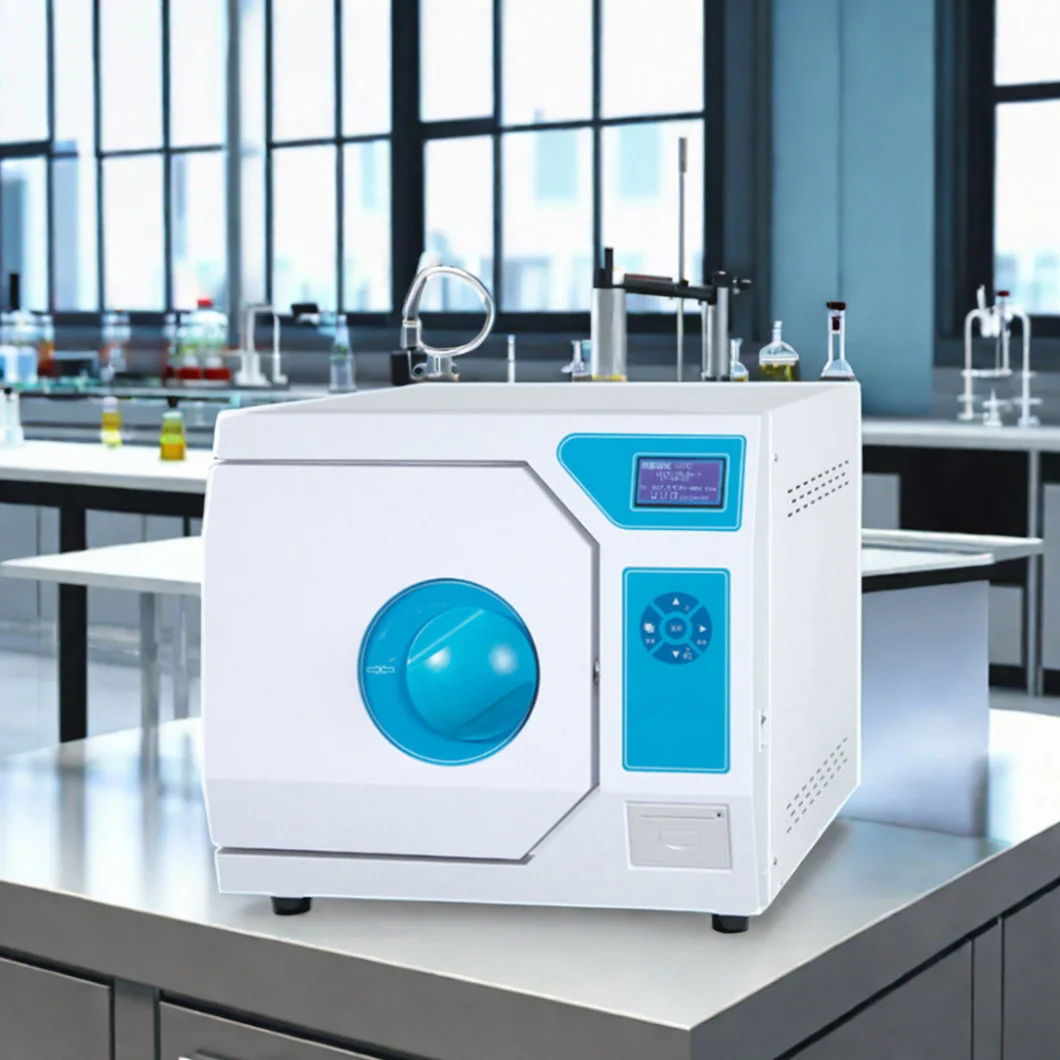
An autoclave is a pressurized-steam sterilizer, but the workload matters. A small dental practice processing wrapped instruments has different needs from a laboratory treating media or a central sterile department handling high volumes. The chamber size, load type, turnaround expectations, and staffing pattern establish the equipment class before price comparison begins.
For perspective, CDC steam-sterilization guidance identifies steam, pressure, temperature, and time as the core process parameters. It notes that porous loads and instruments commonly use 132°C to 135°C exposure for 3 to 4 minutes under the relevant cycle conditions. That does not prescribe one universal cycle or one machine, but it illustrates why dependable sensors, air-removal performance, controls, and repeatable cycle documentation influence an autoclave quote.
1. Chamber volume and usable load capacity
Chamber capacity is one of the most visible price drivers. Larger chambers use more stainless steel, insulation, heating capacity, door hardware, and support structure. Yet liters alone are not a complete comparison. Ask how many real trays, cassettes, wrapped packs, or containers fit under the proposed loading pattern. A large chamber that does not suit the actual instrument sets may add capital cost without improving throughput.
Small benchtop units can fit low-volume workflows and constrained spaces. Larger floor-standing systems may be justified when batch volume, cycle timing, or multiple departments create bottlenecks. Before selecting either, estimate loads per day, peak-hour demand, and the time required for cooling, unloading, and record review.
2. Sterilization technology and cycle capability
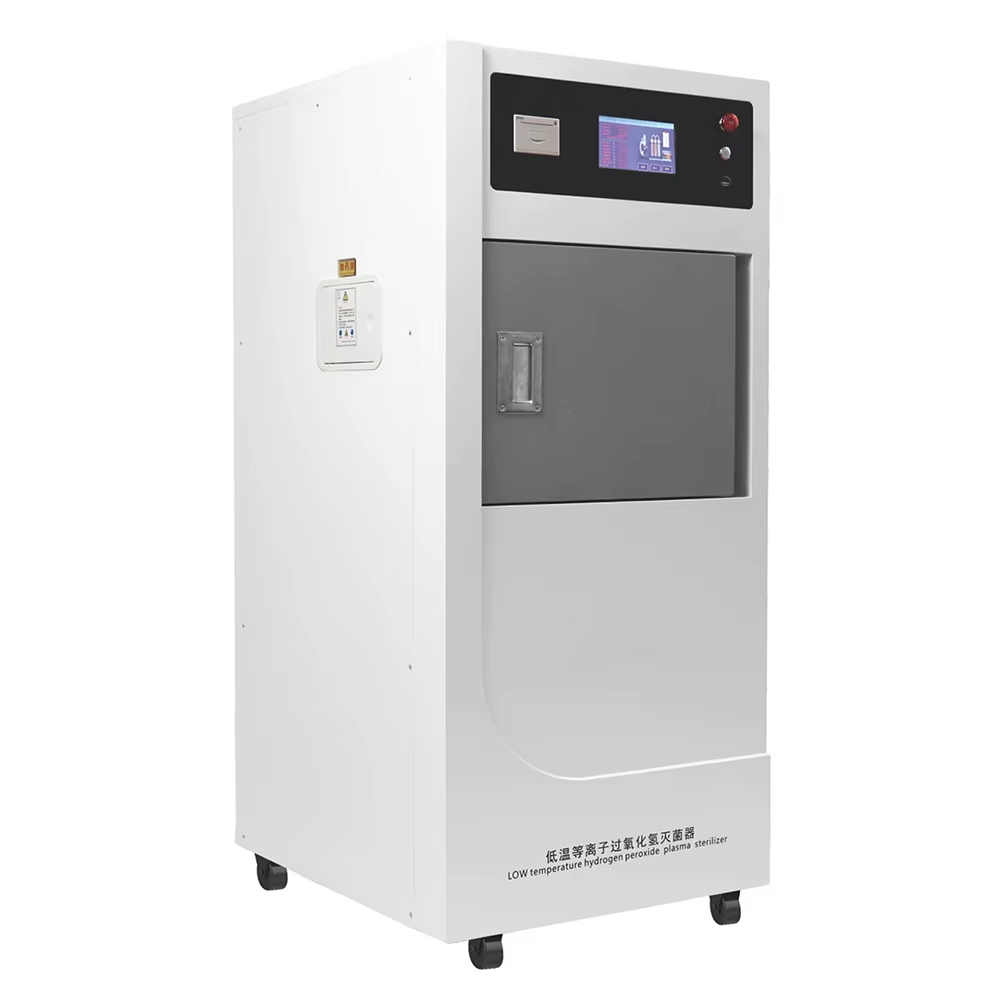
Not all autoclave designs remove air, generate steam, dry loads, or control cycles in the same way. Gravity-displacement and pre-vacuum configurations can differ in complexity and intended applications. Options for porous loads, wrapped instruments, liquids, or specialty cycles may require more capable pumps, valves, sensors, and software.
Drying is another practical cost factor. If staff must wait for wrapped packs to dry before storage or use, a lower-priced unit with limited drying performance can create workflow friction. More advanced automation can raise the purchase price, but it may be worth evaluating where rapid, repeatable turnaround is important. The key question is not whether a feature is impressive; it is whether the target workflow needs it and how it will be verified after installation.
3. Controls, records, and validation requirements
Controls affect both price and confidence. Basic machines may provide simple cycle selection, while higher-specification autoclave systems can offer programmable cycles, alarms, audit trails, printers, data export, or network connectivity. These features can simplify review and traceability, but the buyer should confirm local recordkeeping practices before paying for them.
Regulatory context can also change the specification. In the United States, FDA guidance states that sterilizers intended for healthcare-facility use require 510(k) clearance. Other markets may use different frameworks. Rather than assuming that one certificate or statement applies everywhere, ask the supplier to identify the exact model, intended use, available documentation, and the standards or local requirements relevant to the facility. Documentation, testing, quality systems, and validation support all contribute to the delivered price.
4. Materials, construction, and safety systems
A medical autoclave operates with heat, steam, and pressure repeatedly over its service life. Chamber material and finish, door locking, gaskets, pressure relief, thermal protection, plumbing quality, and sensor design influence durability and serviceability. Robust construction often costs more up front because it is designed to manage repeated thermal cycling and maintain a safe operating envelope.
For a fair comparison, request a configuration sheet rather than relying on a marketing name. Confirm chamber material, door type, tray arrangement, water requirements, safety devices, included accessories, and which features are optional. This makes it easier to identify whether two quotations actually cover the same autoclave configuration.
5. Installation and site-readiness costs
The installed cost may differ materially from the factory price. Depending on the model, the site may need suitable electrical service, water treatment, drainage, ventilation, floor loading, clearance for maintenance, and a route for delivery. A compact unit may only need a prepared counter and power outlet; a larger steam sterilizer may need utility coordination and commissioning work.
Put these questions into the request for quotation: Who confirms the utilities? Which accessories are included? Is installation, commissioning, operator training, and acceptance testing included or separate? Does the quote cover shipping, local taxes, or customs-related charges? A transparent answer protects the budget more effectively than comparing headline prices alone.
6. Service coverage, spare parts, and lifecycle cost
Evaluating an autoclave only by purchase price can overlook the cost of uptime. Ask about preventive-maintenance intervals, response arrangements, parts availability, remote support, warranty scope, and the typical consumables or water-treatment needs. A unit with an attractive initial price may be less economical if a gasket, sensor, heater, or control board is difficult to obtain when needed.
It is useful to calculate a simple lifecycle view: acquisition cost, installation, utilities, routine maintenance, consumables, operator time, downtime exposure, and likely replacement parts. The result will not be exact at the first quotation stage, but it produces a more meaningful basis for comparing a small autoclave with a higher-throughput system.
7. Supplier scope and commercial terms
Price differences can reflect what the supplier is actually delivering. Compare warranty duration, training, manuals, packing method, export documentation, lead time, acceptance criteria, and after-sales responsibilities. For international procurement, a medical equipment supplier should also state the quotation currency, Incoterms, shipment terms, and any assumptions that could alter the landed cost.
Do not treat a broad supplier claim as a substitute for evidence. Ask for the model-specific documents, configuration list, and service commitments that apply to the offered autoclave. If a feature is important to your project, put it in the written specification and acceptance plan.
A practical comparison checklist
Use this checklist to make every autoclave proposal comparable. It is especially helpful when a supplier presents an attractive base autoclave cost but lists important elements separately.
- Define the loads, daily volume, peak demand, and required turnaround time for the autoclave.
- Compare usable chamber capacity and tray or cassette layout, not liters alone.
- Match cycle capability and drying performance to the items being processed in the autoclave.
- Confirm the required records, alarms, data handling, and validation documentation.
- List site utilities, installation work, training, and commissioning separately from the unit price.
- Evaluate warranty, preventive maintenance, parts availability, and service response.
- Request like-for-like quotations with the same included accessories and commercial terms.
Questions to ask before accepting an autoclave quotation
What is included in the stated autoclave cost?
Ask for a line-item answer covering the autoclave, trays or cassettes, water-treatment components, shipping, installation, commissioning, training, and warranty. If an item is excluded, assign an owner and a provisional budget before comparing offers.
Which sterilization loads has the proposed system been configured to handle?
Ask the supplier to connect the proposed cycle options to your actual load types. A quotation for a medical autoclave is easier to assess when the stated configuration, drying expectations, and record requirements are tied to the intended workflow.
How will the facility verify the installed autoclave?
Clarify acceptance testing, operator training, documentation, and post-installation support. This is often where two apparently similar steam sterilizers differ most in real project cost and operational readiness.
The bottom line
Medical autoclave prices vary because the equipment must fit a specific sterilization task, site, and support model. Capacity, cycle technology, controls, construction, compliance documentation, installation, and lifecycle support each affect the total. A higher quote is not automatically better, and a lower quote is not automatically poor value. The strongest choice is the one whose configuration and documented support match the facility’s actual workflow and verification requirements.
Before ordering, turn the shortlist into a written comparison matrix and review it with the clinical, engineering, and procurement stakeholders who will use or support the equipment. That small step turns an autoclave price discussion into a defensible purchasing decision.
 Hot News