 EN


What Factors Affect Medical Sterilizer Prices?
A medical sterilizer quotation can look straightforward until two units with similar chamber labels arrive with very different totals. The reason is simple: a sterilizer is not purchased as an isolated box. It is purchased for a defined load, a workflow, a site, and a verification process. From a hospital procurement perspective, the useful comparison is not “Which sterilizer costs less?” but “Which configuration meets the required work with a clear lifecycle cost?”
This article focuses on clinical and hospital use, not consumer bottle units. It also does not replace local regulatory, clinical, or engineering review. The final selection should follow the device instructions for use, applicable facility procedures, and the conditions at the installation site.
Start with the sterilization method and intended load
The technology is usually the largest reason one sterilizer costs more than another. A steam sterilizer machine may be appropriate for heat- and moisture-tolerant instruments, while a low-temperature system may be considered when the intended devices cannot tolerate conventional steam conditions. Those are different equipment categories with different process controls, consumables, utilities, and support needs; their prices should not be compared as though they perform the same task.
Within steam systems, the required cycle type matters. A gravity unit, a pre-vacuum unit, and configurations designed for particular load types can differ in chamber design, pumps, controls, and validation scope. CDC guidance identifies recognized steam exposure conditions for wrapped healthcare supplies, but the correct cycle is determined by the relevant instructions and facility process—not by a generic price list. That is why a request for “a sterilizer” should state what will be processed, how it is packaged, and how frequently loads run.
Types of autoclave also influence the base price because tabletop, vertical, and larger floor-standing systems solve different capacity and workflow problems. Chamber volume alone is not enough. Tray layout, usable load dimensions, door arrangement, loading ergonomics, and turnover expectations can all change the configuration a department actually needs.
Capacity and throughput change the real comparison
A lower-capacity sterilizer may have a lower purchase price, yet it can become the expensive option if it creates queues, extra handling, or a need for a second unit. Conversely, buying excess capacity can tie up budget and floor space without improving the workflow. Procurement teams should estimate peak demand rather than relying only on average daily volume.
- How many instrument sets or packages must the sterilizer handle at the busiest period?
- What is the required turnaround time, including loading, drying, cooling, and documentation?
- Will one sterilizer provide necessary redundancy during maintenance or an unexpected outage?
- Are future service lines or load changes confirmed, or merely possible?
Steam sterilizers with faster or more specialized cycles may cost more initially because the equipment and its supporting systems must meet tighter performance expectations. More accurately, the important question is whether that capability is needed in the target workflow. A feature that goes unused does not lower the total cost of ownership.
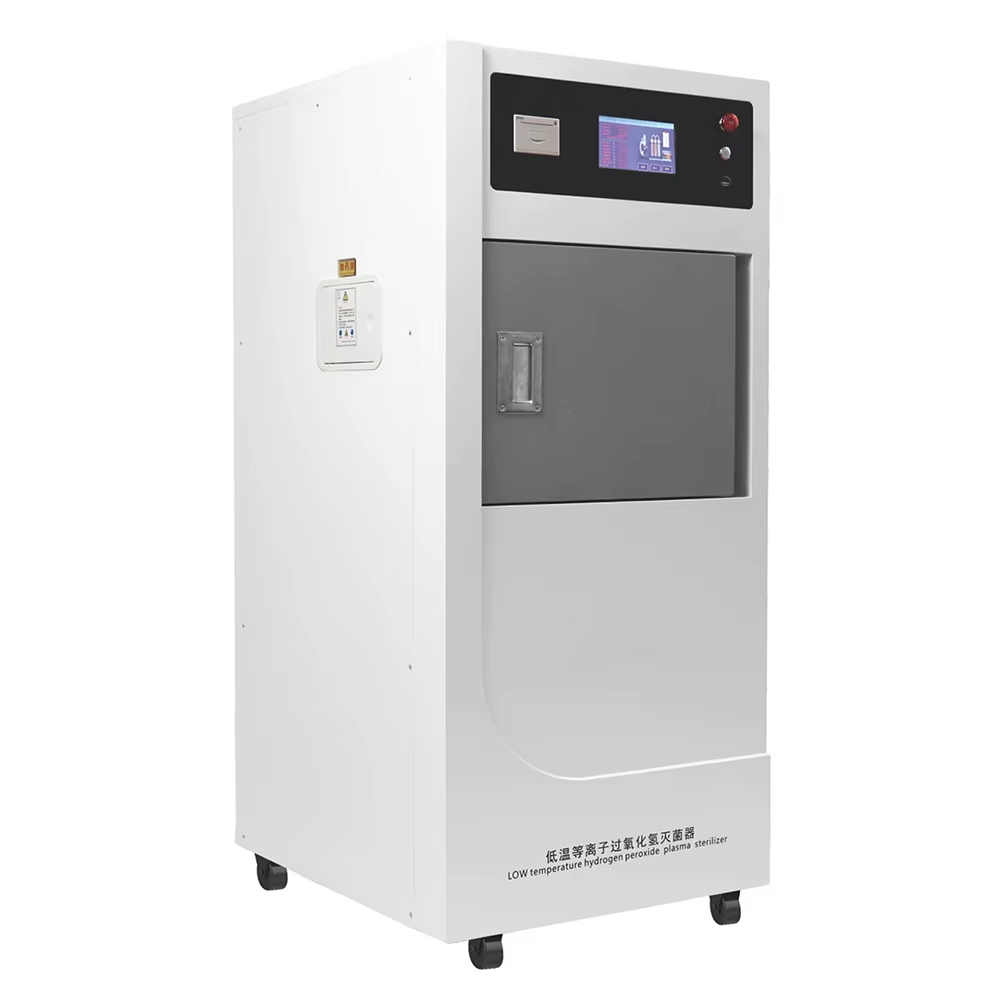
Configuration options can make quotations look farther apart than they are
When comparing a sterilizer quote, confirm that both suppliers have priced the same configuration. Controls, printers or digital record interfaces, loading accessories, shelves, carts, water-treatment connections, monitoring options, and factory testing can be included in one proposal and absent from another. A quote may also differ because it covers one door versus pass-through access, a specific chamber finish, or additional safety features.
This is a common procurement trap: two products are called “steam sterilizer autoclave” systems, but the included accessories and site services are different. Before comparing price, ask for a line-by-line scope that identifies the sterilizer, standard accessories, optional accessories, documentation, shipping terms, commissioning, and exclusions. If the scope is not aligned, the price comparison is not meaningful.
Installation conditions add costs outside the machine
A sterilizer needs a workable environment. Depending on the model and local design, that can involve electrical capacity, water quality, drainage, ventilation, steam supply, floor loading, access routes, and available clearance for maintenance. Larger systems can also require site preparation, lifting plans, door modifications, or coordination with facilities teams.
These items are not necessarily hidden costs; they are project costs that belong in the budget. Many purchasing discussions focus on the equipment price and only later confirm whether the site can support the chosen sterilizer. A better sequence is to review the utility and space checklist before asking for a final quotation. This helps a team distinguish a low base price from a lower installed cost.
Validation, monitoring, and documentation affect the delivered scope
Healthcare sterilizer pricing often reflects more than the chamber and heater. It can include the controls, documentation, testing support, and commissioning activities needed to put the system into a managed process. CDC describes the use of biological and chemical indicators when sterilizers are installed and under specified conditions afterward. That is a practical reminder to clarify who supplies, configures, and documents the relevant validation and monitoring steps.
For reusable devices, compatibility also matters. FDA guidance on reprocessing emphasizes validated instructions and appropriate sterilization processes. A procurement team should therefore check whether the intended instruments, packaging, loads, and cycle requirements are compatible with the proposed sterilizer. This is not a claim that every device needs the same setup; it is a reason to obtain written confirmation for the actual use case.
Service, training, and consumables shape lifecycle cost
The purchase order is only the beginning of the sterilizer cost. Preventive maintenance, response times, spare-parts availability, operator training, water-treatment needs, consumables, calibration or verification support, and downtime plans should be reviewed together. An initial quote that omits these items can appear attractive while leaving the facility with a less predictable operating budget.
Ask suppliers to separate one-time and recurring items. For example, list installation, commissioning, and initial training apart from annual maintenance, replacement parts, and consumable requirements. The goal is not to demand an artificial fixed figure; it is to understand what assumptions sit behind the price and who owns each responsibility over time.
A practical medical sterilizer price checklist
- Define the instruments, packaging, load types, and required throughput.
- Confirm whether steam or another sterilization method fits the documented device requirements.
- Compare equivalent chamber size, cycle capability, accessories, records, and safety options.
- Review site utilities, access, drainage, water quality, ventilation, and maintenance clearance.
- Request the scope for delivery, installation, commissioning, training, validation support, and exclusions.
- Compare service coverage, consumables, and expected maintenance responsibilities over the intended ownership period.
Conclusion: compare a sterilizer as a working system
Medical sterilizer prices vary because the equipment must match a real processing task and a real facility. Method, capacity, cycle requirements, configuration, installation, validation support, and lifecycle service can all move the final number. Rather than choosing from a headline price, build one shared checklist and ask every supplier to quote against it. That approach makes the sterilizer decision easier to audit, easier to defend, and more likely to support the daily workflow after installation.
 Hot News

