EN


What Quality and Service Factors Matter When Choosing an Electrosurgical Unit?
Choosing an electrosurgical unit is not simply a matter of comparing wattage or counting modes. A hospital purchase team has to translate clinical tasks, room conditions, accessory needs, and service capacity into a specification that can be checked before acceptance. An electrosurgical unit supports cutting and coagulation with high-frequency energy, so its quality is tied to safe, repeatable control rather than a long feature list.
For a procurement review, start with the procedures the department performs, who will operate the equipment, and how the biomedical team will maintain it. This approach gives the surgical team, purchasing staff, and engineering staff a common way to evaluate an electrosurgical generator or a surgical diathermy machine without treating a brochure as proof of suitability.
Begin with the intended workflow, not the catalogue
List the procedures, expected tissue effects, patient population, and operating-room setup before comparing electrosurgery equipment. Determine whether monopolar, bipolar, or both operating modes are needed, which handpieces and electrodes the department intends to use, and whether the workflow requires footswitch control or other interfaces. The question is not whether a function exists; it is whether the function can be configured, verified, and used correctly in the target workflow.
For example, a department that relies on monopolar work should make return-electrode monitoring, compatible dispersive electrodes, alarms, cable management, and training part of the same evaluation. A unit may look suitable on paper yet create avoidable implementation work if its accessories, operating instructions, or alarm behavior do not fit the established process.
Quality factors to verify before purchase
1. Evidence for safety and essential performance
Request the applicable regulatory and technical documentation for the proposed electrosurgical unit, including the exact model and accessories in the quotation. IEC 60601-2-2 addresses particular basic-safety and essential-performance requirements for high-frequency surgical equipment and accessories. That reference is useful as a documentation and verification prompt; it does not establish compliance for a unit unless the supplier provides relevant, current evidence.
Ask what electrical, thermal, and electromagnetic-compatibility testing information is available and how the manufacturer identifies compatible leads, electrodes, and return electrodes. Also ask for the current instructions for use, labeling, cleaning guidance where relevant, and a clear list of limitations. These records should be reviewed by the appropriate clinical, engineering, and regulatory stakeholders for the intended market.
2. Output control, modes, and feedback
Compare the operating modes and adjustment ranges against the procedures in scope rather than assuming that more settings are more useful. During a demonstration, confirm how settings are displayed, locked or recalled, and distinguished by mode. The team should be able to see how the electrosurgical generator communicates alarms and abnormal conditions and whether those prompts are understandable in a busy room.
Where a model includes contact-quality or return-electrode monitoring, clarify its operating conditions and the accessories required for that feature. Safe practice still depends on proper placement, intact connections, and appropriate setup. Training should reinforce the use of the lowest setting appropriate to the clinical task and escalation when the expected effect is not achieved, rather than treating output increases as the first answer.
3. Build quality and receiving inspection
At delivery, examine the enclosure, connectors, controls, display, cables, footswitch, manuals, and accessory packaging against the order. Define who performs acceptance testing, which functional checks are required, and how discrepancies are documented. This is especially important when several operating room devices share space, power, carts, and cleaning responsibilities.
A useful acceptance plan checks startup behavior, mode selection, audible and visual alarms, connector fit, accessory identification, and the condition of supplied components. It should also record serial numbers, software version where applicable, service contacts, and the baseline test results needed for future maintenance comparison.
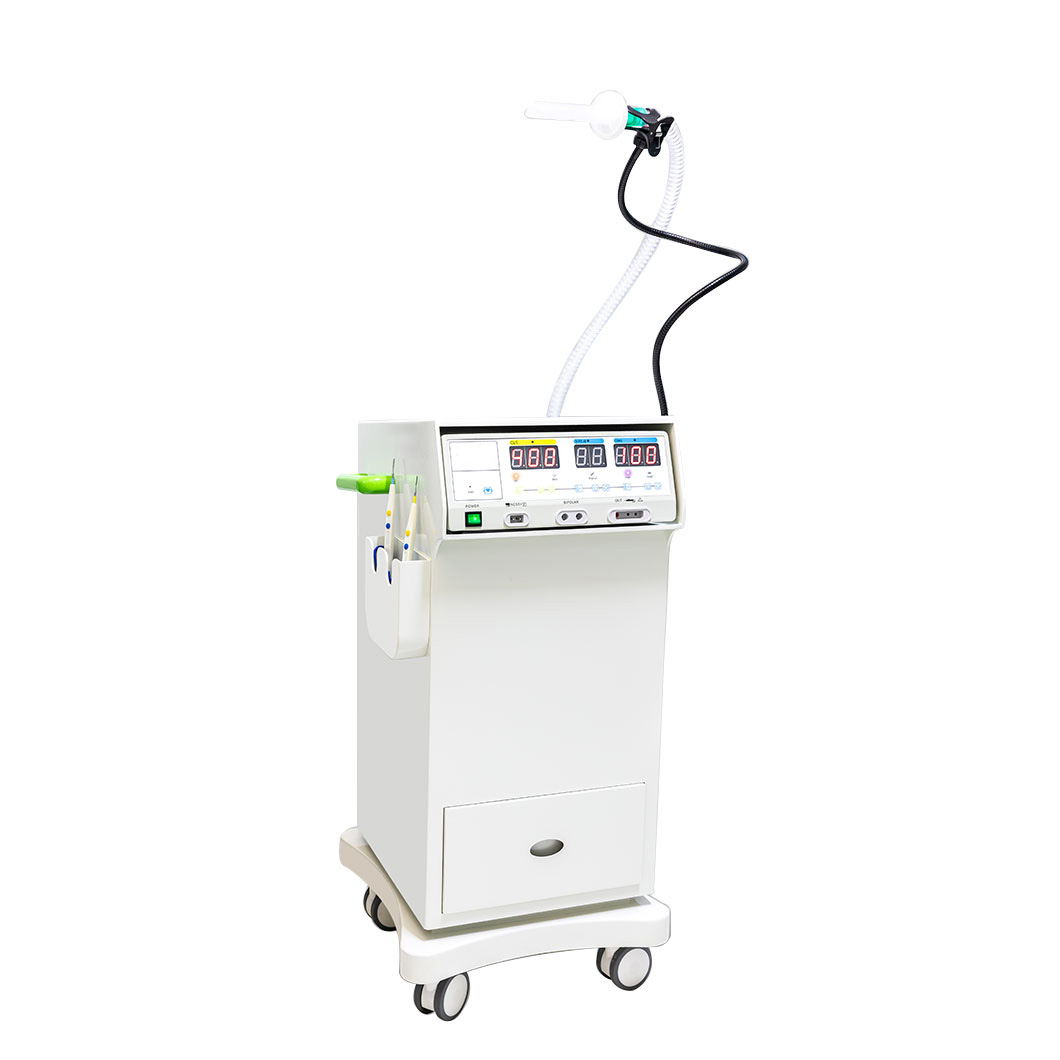 A structured equipment review can align clinical, engineering, and procurement priorities.
Service support is part of equipment quality
For an electrosurgical unit, a service offer should be evaluated as carefully as the generator specification. Ask the supplier to describe the handover process, installation scope, operator training, biomedical-engineering orientation, preventive-maintenance recommendations, and escalation route for faults. A short response-time claim is less useful than a written process showing hours of coverage, first-contact troubleshooting, expected spare-part availability, and responsibilities for onsite work.
Clarify which elements are covered by warranty, whether loaner arrangements are possible, and how firmware or safety notices are communicated. If the facility operates across several rooms or sites, ask whether the supplier can provide consistent documentation and service history for each asset. These questions help turn a one-time purchase into a supportable lifecycle plan.
Questions to ask during supplier evaluation
- Which exact accessories and cable types are compatible with this electrosurgical unit, and how is compatibility documented?
- What evidence supports the stated safety and essential-performance claims for the quoted configuration?
- What acceptance tests, user training, and biomedical handover are included?
- How are repair requests triaged, and what parts or service resources are available locally or regionally?
- What preventive-maintenance interval and test procedure does the manufacturer specify?
- How are field actions, software updates, and revised instructions communicated to the facility?
Use a weighted selection checklist
Build one comparison sheet for each candidate electrosurgical unit. Weight clinical fit, documentation, accessory compatibility, acceptance testing, training, maintenance, spare parts, and total lifecycle responsibilities according to the department’s priorities. Include open questions and the person responsible for closing each one. This makes it easier to distinguish confirmed evidence from a supplier statement that still needs verification.
Purchasing teams should avoid scoring a surgical diathermy machine on acquisition price alone. Installation resources, replacement accessories, staff time, planned maintenance, and downtime arrangements can all affect the practical value of the equipment. If a proposed configuration is unfamiliar, arrange a structured demonstration and let the relevant users and biomedical staff document observations against the same checklist.
Make the final decision auditable
The right electrosurgical unit is the one that fits documented clinical requirements and can be safely supported throughout its use. Keep the final comparison, supporting documents, acceptance record, training plan, and service contacts together in the equipment file. When the buying team can show how it verified quality, accessory fit, and long-term support, the decision is easier to implement and review.
Clinical teams should continue to follow their organization’s policies, the device instructions for use, and applicable local requirements. A careful procurement process does not replace clinical judgment, but it gives the people responsible for the equipment a clearer basis for selecting, commissioning, and maintaining it.

 Hot News