 EN


What Should Buyers Ask an Electrosurgical Unit Supplier?
Buying an electrosurgical unit is not simply a matter of comparing a power figure or a quotation. The generator, active electrodes, patient return electrode, foot pedal, accessories, operating procedures, and support arrangements form a working system. From a hospital procurement perspective, the useful question is not “Which model has the longest feature list?” but “Can this supplier show how the proposed system fits our procedures, staff, service resources, and acceptance process?”
This guide turns that conversation into practical questions. It is an evaluation framework, not a substitute for local clinical, biomedical-engineering, infection-control, or regulatory review.
Start With the Intended Procedures and Workflow
Ask the supplier to describe the proposed electrosurgical unit against your expected specialties, procedure mix, and room workflow. A capable answer should distinguish between cutting and coagulation modes, explain which supplied accessories are intended for each workflow, and state where compatibility or technique must be confirmed by the clinical team. More functions do not automatically mean a closer fit; the key issue is whether the functions support a defined task.
- Which procedures and tissue-management tasks is this configuration intended to support?
- What is included with the electrosurgical generator, and what must be specified separately?
- Which active electrodes, return electrodes, cables, foot controls, and adapters are proposed?
- What operating-room power, mounting, cleaning, storage, and cable-management conditions should be checked before delivery?
Ask for a configuration sheet that labels every included and optional item. This makes it easier to compare quotations on the same scope and reduces confusion later when an accessory is assumed to be included.
Ask How the Complete System Supports Safe Use
An electrosurgical unit should be evaluated with its accessories, not as an isolated box. Professional electrosurgery guidance commonly frames the active electrode, patient return electrode, and foot pedal as part of the purchasing evaluation. Ask the supplier to walk through intended connections, alarm behavior, user checks, cleaning instructions, and any accessory restrictions for the proposed configuration.
- What user checks are expected before, during, and after a procedure?
- How does the system communicate connection, contact, or fault conditions to the user?
- Which accessories are validated or listed for use with this model, and what documentation supports that statement?
- What are the stated limits for reusable versus single-use components?
- How are complaints, field notices, corrective actions, and product changes communicated to buyers?
Request the actual manuals, labeling, and revision-controlled documents instead of relying on a sales summary. If market-specific documentation is required, ask the supplier to identify what can be supplied for your destination and what still needs local verification.
Clarify Performance Claims Without Treating a Spec Sheet as a Verdict
When comparing electrosurgery equipment, ask what each setting or mode means in the intended clinical context. A specification can be relevant, yet it does not by itself establish suitability for a particular procedure, accessory combination, or local protocol. Ask the supplier to separate stated device capabilities from claims that require review by the clinical and engineering teams.
For a surgical diathermy machine, useful questions include:
- Which modes, output settings, and control options are available in the quoted configuration?
- What test, inspection, and functional-verification information accompanies shipment?
- What limitations, warnings, contraindications, or environmental conditions appear in the instructions for use?
- Can the supplier provide a demonstration plan based on our planned accessories and workflow?
It is also sensible to ask who will record serial numbers, acceptance results, maintenance events, and software or document revisions. Those details help biomedical engineering and purchasing maintain a usable equipment record.
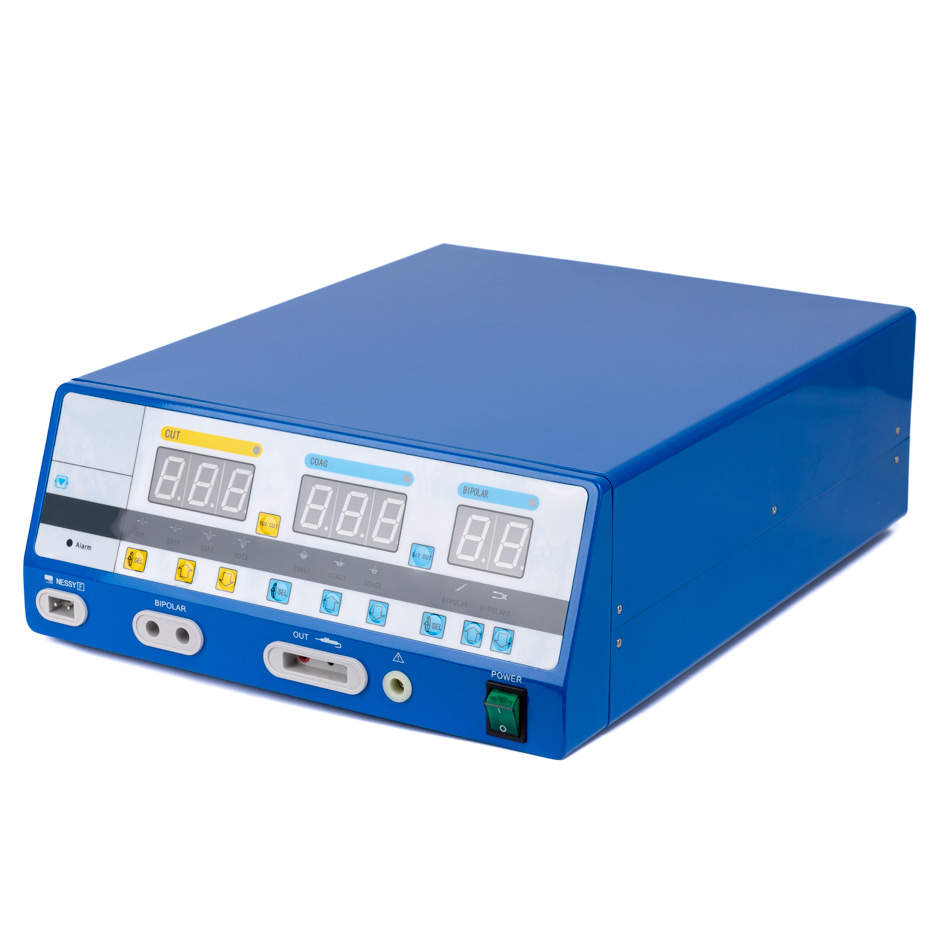 Procurement review should consider the generator, accessories, documentation, and support plan together.
Make Training and Handover Part of the Purchase
A supplier should be able to describe a model-specific training path, not merely offer a generic presentation. Ask who the training is for: surgeons, perioperative staff, biomedical engineers, educators, and procurement staff may need different material. Confirm the format, language, timing, attendee limits, competency records, and escalation route for questions after installation.
Training is especially important where a new electrosurgical unit changes the controls, accessories, alarms, or daily setup routines. A feature has limited operational value if the users and support team do not understand its boundaries. Ask for a training agenda and the current user and service documentation before you place the order.
Examine Service, Maintenance, and Parts Availability
The initial quotation is only one part of the decision. Ask what happens after commissioning: who performs installation support, preventive maintenance, repairs, remote triage, and software-related service where applicable? A low initial price does not necessarily mean lower lifecycle effort if response time, parts availability, or technical records are unclear.
- What warranty scope, exclusions, and response targets are offered in writing?
- Where are spare parts and service personnel located for our region?
- What routine inspection or maintenance tasks are assigned to the facility, and which are supplied as a service?
- How long are key accessories and service parts expected to remain available?
- What is the process if the configuration, labeling, software, or accessory recommendations change?
These questions are also relevant when comparing broader operating room devices. Shared service resources, electrical checks, storage space, and training calendars can affect whether a purchase integrates smoothly with the room.
Request Evidence of Supplier Control and Documentation
Rather than asking a supplier to make broad assurances, ask for evidence that can be reviewed by the appropriate people in your organization. Depending on the market and procurement rules, this may include manufacturer identification, quality-system information, instructions for use, service literature, packaging and traceability details, change-notification process, and applicable declarations or registration information. The appropriate documents vary by jurisdiction, so buyers should identify the local requirements before treating any document as sufficient.
Ask one direct question: “If a document changes after we qualify this configuration, how will you tell us what changed and whether it affects our order or installed equipment?” A clear answer is often more useful than a long list of unverified credentials.
Use a Focused Question Bank During Supplier Comparison
Give each supplier the same written questions and request a written answer against the proposed configuration. For an electrosurgical unit, this avoids comparing one supplier’s complete package with another supplier’s base quotation. It also tests whether a supplier can address the associated accessories, training, documentation, and service work.
Questions about the proposed electrosurgical unit
- For this electrosurgical unit, what is the exact model, included accessory list, and document revision date?
- Which users, procedure types, room conditions, and local approvals must be confirmed before this electrosurgical unit is selected?
- Can the supplier show how the electrosurgical unit is checked at delivery, installed, and handed over to the responsible team?
- What compatibility information accompanies this electrosurgical unit when a buyer specifies electrodes, return electrodes, cables, or a foot control?
Questions about generator and accessory support
- What test records, instructions, and fault-escalation contacts accompany the proposed electrosurgical generator?
- How are intended accessory combinations and subsequent changes communicated for the electrosurgical generator?
- Who supports troubleshooting and model-specific training for the electrosurgical generator after installation?
Questions about equipment, training, and continuity
- Which documents must accompany the proposed surgical diathermy machine, and which need local checking before use?
- What acceptance, service, maintenance, and training responsibilities apply to the surgical diathermy machine?
- What asset records, change notices, and accessory scope accompany the supplied electrosurgery equipment?
- How will preventive-maintenance guidance for the electrosurgery equipment be supplied?
- How do storage, electrical checks, service resources, and staff schedules for other operating room devices affect commissioning?
This checklist does not establish clinical suitability by itself. It creates a record of questions, evidence, and owners so the relevant teams can evaluate the electrosurgical unit with appropriate local controls.
Agree Acceptance Criteria Before Shipment
Turn the supplier discussion into an acceptance checklist before shipment. Identify the ordered configuration, required documents, delivery condition, installation responsibilities, training deliverables, functional checks, and the people authorized to sign off. For an electrosurgical unit, agreement at this stage helps separate a delivery issue from a clinical suitability decision.
| Acceptance area | Question to settle |
|---|---|
| Configuration | Does the delivered generator and accessory set match the approved quotation? |
| Documents | Which manuals, labels, service records, and market-specific files must arrive with the unit? |
| Installation | Who verifies site readiness and completes the agreed setup steps? |
| Training | Which roles attend, and what evidence of completion is retained? |
| Service | What are the contacts, response expectations, and maintenance responsibilities after handover? |
A Practical Supplier Conversation
A credible supplier discussion should leave buyers with a defined configuration, a document list, a training plan, a service path, and acceptance criteria—not just a price. Use the questions above to compare responses consistently across suppliers. Then have the relevant clinical, engineering, quality, and procurement stakeholders review the evidence for the intended use and local requirements.
That process makes an electrosurgical unit purchase easier to evaluate on workflow fit and lifecycle support, while keeping claims that need confirmation clearly marked for verification.

 Hot News

