 EN


What Should Buyers Ask a Medical Sterilizer Supplier?
Buying a medical sterilizer is not simply a matter of comparing chamber volume and asking for a price. The equipment has to fit the instruments, packaging, staffing, utilities, and documented workflow in the facility that will use it. From a hospital procurement perspective, the most useful supplier conversation turns a broad request for a sterilizer into a list of requirements that clinical, reprocessing, engineering, and purchasing teams can verify together.
Start with the intended workload. A steam sterilizer may be appropriate for compatible loads and a facility with the required utilities, while a plasma sterilizer may be considered when low-temperature processing is needed for compatible devices. Neither label answers the whole question. Buyers should ask for evidence that connects the proposed sterilizer, the exact cycle, the load configuration, and the reusable instrument instructions for use (IFUs).
1. Which loads and instruments is this sterilizer intended to process?
Ask the supplier to describe the proposed sterilizer in terms of real loads rather than a generic product category. Provide representative instrument types, lumens, materials, trays, wraps or containers, and expected daily volume. Then ask which configurations are within the documented operating scope and which are not. This keeps medical instrument processing tied to the facility’s actual workflow.
- Which device materials and geometries are compatible with each proposed cycle?
- What load limits, packaging conditions, and tray arrangements apply?
- What assumptions are made about cleaning and drying before the load enters the sterilizer?
- Can the supplier identify the model and cycle information needed to compare against each instrument IFU?
A clear answer should distinguish equipment capability from a blanket statement that every instrument can be processed. If the supplier cannot map the recommendation to the device manufacturer’s instructions, that gap needs resolution before selection.
2. Why is this technology and cycle a fit for our workflow?
Ask the supplier to explain the selection logic, not just list features. For a steam sterilizer, discussion may include the available cycle types, air removal method, utility requirements, drying expectations, and load throughput. For a plasma sterilizer, ask how the proposed low-temperature process aligns with the materials, lumen claims, accessories, and cycle constraints in the relevant IFUs.
More precisely, the key question is not whether a sterilizer has more programs. It is whether the facility can consistently use the program that is appropriate for its load. Request a side-by-side requirements table covering load compatibility, turnaround needs, preconditioning, packaging, consumables, training, and exceptions. That format helps a cross-functional team see where a proposed process needs local validation or policy review.
3. What validation and documentation can you provide?
Documentation should be a core buying criterion. Ask for the proposed sterilizer model, the named cycle or its parameters, installation requirements, operating instructions, maintenance schedule, and the evidence that supports the intended application. A supplier should also be able to explain the boundary between its equipment documentation and the facility’s responsibility to follow instrument IFUs, local procedures, and applicable regulatory requirements.
Useful questions include:
- Which documents identify the sterilizer model and the specific cycle being proposed?
- What commissioning, qualification, or acceptance information will be available at handover?
- What changes to software, cycle configuration, accessories, or loading guidance require review or revalidation?
- How are updates to manuals, service bulletins, and cycle instructions communicated?
Do not accept a vague promise that a process is “validated” without asking what was validated, for which configuration, and how that evidence relates to the instruments and local process under review.
4. How will sterilization cycle monitoring work day to day?
A supplier discussion should cover sterilization cycle monitoring as a system, not as one display screen or one indicator. CDC guidance describes routine use of mechanical, chemical, and biological indicators to evaluate sterilizing conditions and processed items. The exact monitoring plan belongs to the facility and applicable requirements, but buyers can ask the supplier how the proposed sterilizer supports the records, test devices, and workflow that plan requires.
- Which cycle parameters are displayed, printed, stored, or exportable, and how are exceptions flagged?
- What chemical indicators, biological indicators, and test packs are compatible with the proposed process?
- For a dynamic-air-removal steam sterilizer, how is the applicable air-removal test supported in the daily workflow?
- How are load records linked to cycle data, operators, test results, and corrective-action documentation?
- What is the supplier’s escalation path if an indicator result, alarm, or cycle record needs investigation?
Ask to see an example record and an exception workflow, with sensitive customer information removed. A good answer explains what the machine captures, what staff must document, and where the facility’s policies take over.
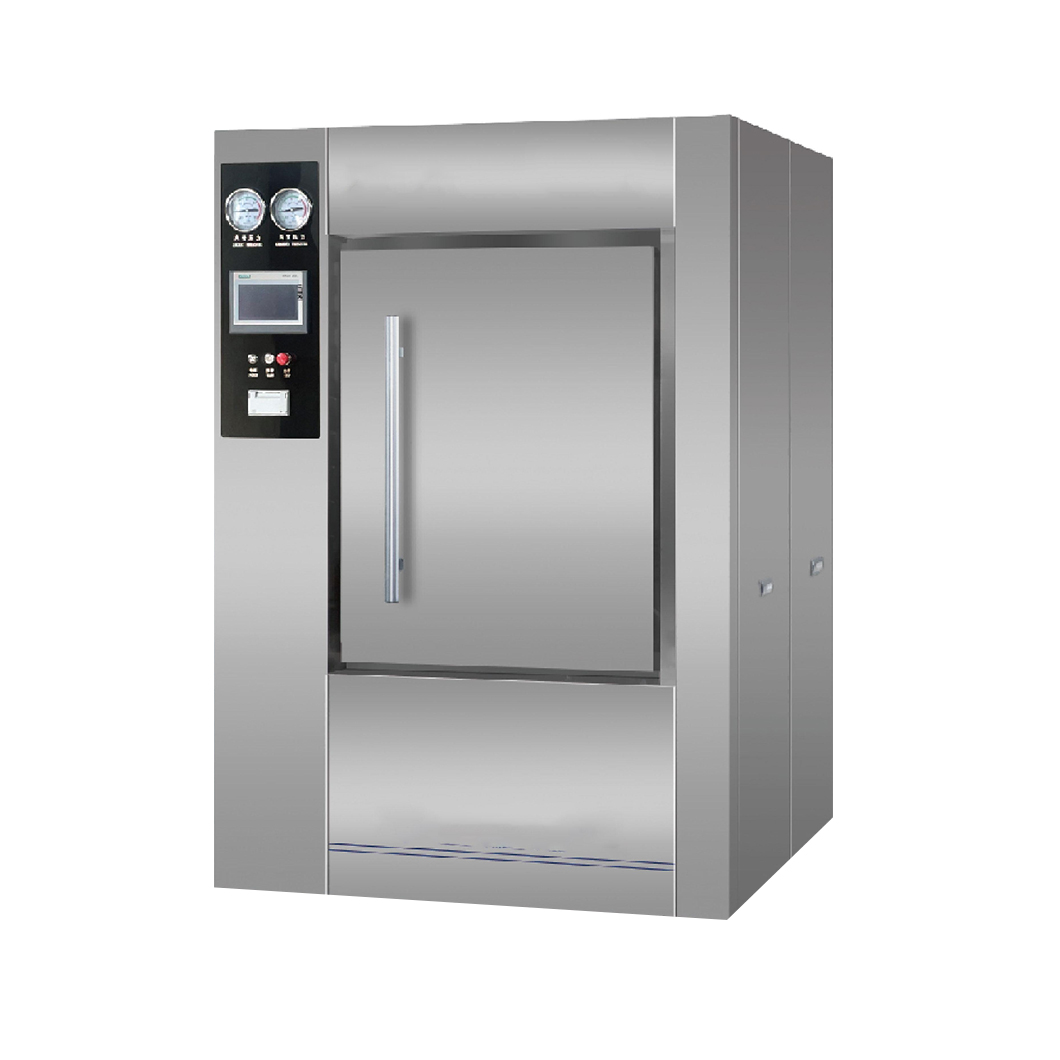 Cycle-monitoring evidence should be considered alongside the facility’s documented process.
5. What does installation require before delivery?
A sterilizer purchase can be delayed when site conditions are discovered late. Request a pre-installation checklist early and have facilities and engineering teams review it. Depending on the technology, this may cover room dimensions, access route, floor loading, electrical supply, water quality, drainage, ventilation, heat output, network connectivity, and clearance for service.
Ask who confirms each prerequisite, what acceptance tests occur after installation, and what happens if the site differs from the original survey. This is particularly important when comparing a steam sterilizer with a plasma sterilizer because the utility, environmental, and consumable assumptions may differ.
6. What training, service, and parts support are included?
Total ownership is more informative than the initial quotation. Ask for a written outline of operator training, preventive maintenance, response times, remote support boundaries, spare-parts availability, warranty terms, and expected consumables. The goal is not to obtain an artificial lifetime-cost promise; it is to identify the resources the facility must plan for.
It also helps to ask who receives training: reprocessing staff, supervisors, biomedical engineering, infection prevention personnel, or a mix of roles. A supplier should explain how refresher training, turnover, software updates, and service documentation are handled. These details affect whether a sterilizer can be used consistently after the initial launch.
7. Can you demonstrate the proposed workflow before we commit?
Before final selection, ask for a structured demonstration using representative questions and, where appropriate, a controlled review of the expected load types. The purpose is to test the clarity of the process, not to substitute a demonstration for device-specific instructions or local validation. Ask the supplier to walk through loading guidance, program selection, cycle completion, record review, routine monitoring, alarm response, and maintenance handoff.
Bring a short evaluation sheet. Rate each answer as documented, needs follow-up, or not applicable. This makes the decision traceable and prevents a polished demonstration from overshadowing unresolved compatibility questions.
A practical supplier-question checklist
| Decision area | Question to ask | Evidence to request |
|---|---|---|
| Load compatibility | Which instruments, packaging, and configurations fit this sterilizer and named cycle? | Model-specific instructions, cycle details, compatibility boundaries |
| Workflow fit | How does the proposed process support our volume, staffing, and turnaround needs? | Load assumptions, workflow map, exception handling |
| Monitoring | How will mechanical data, indicators, and records support our monitoring process? | Sample printout or electronic record, supported test methods |
| Installation | What utilities and site conditions must be verified before delivery? | Site survey and pre-installation checklist |
| Support | What training, maintenance, parts, and escalation support are included? | Service scope, training plan, maintenance schedule |
Turn supplier answers into a defensible decision
The strongest supplier is not necessarily the one with the longest feature list. It is the one that can help the buyer trace a proposed sterilizer from facility needs to compatible loads, defined cycles, monitoring records, installation conditions, and ongoing support. Keep the questions in writing, compare the answers against instrument IFUs and local requirements, and document unresolved items before purchase approval.
That approach gives procurement teams a practical way to compare a steam sterilizer, a plasma sterilizer, or another option without reducing a safety-critical decision to price alone.
 Hot News

