 EN


What Is a Medical Sterilizer and Which Type Does Your Facility Need?
A sterilizer is a controlled system used to process reusable medical devices or instruments so that the validated cycle achieves sterility for the intended load. In practice, a medical sterilizer is not simply a heated chamber or a cleaning appliance. It is one part of a documented workflow that begins with cleaning, inspection, packaging, cycle selection, monitoring, release, storage, and staff competency.
For a hospital procurement team, the first question is rarely “Which sterilizer should we choose?” A more useful question is: which sterilizer fits the instruments, volume, utilities, instructions for use, and verification process in this facility? That distinction keeps a feature list from being treated as a complete processing plan.
Start by separating sterilization from disinfection
Medical instrument disinfection and sterilization are related, but they are not interchangeable. CDC guidance distinguishes critical devices that enter sterile tissue or the vascular system from semicritical devices that contact mucous membranes or nonintact skin. Critical devices require sterilization before use; semicritical devices require at least high-level disinfection under the applicable process and instructions for use. Devices that contact intact skin generally follow a different disinfection pathway.
This means a facility should classify each device before choosing hospital sterilization equipment. A sterilizer cannot correct an incorrect classification, inadequate cleaning, incompatible packaging, or an unvalidated cycle. The device manufacturer’s instructions for use, local policy, and applicable regulatory requirements remain the operating authority.
What a medical sterilizer does in the reprocessing workflow
A medical sterilizer delivers a validated combination of process conditions for a compatible load. The exact conditions depend on the technology and the validated cycle. Before a load enters the sterilizer, staff still need to remove soil, inspect the device, assemble it correctly, and package it in materials approved for the cycle. After the sterilizer cycle, monitoring results, load release criteria, and storage practices matter just as much.
That workflow view is useful when comparing a small clinic sterilizer with central hospital sterilization equipment. Capacity alone does not reveal whether the sterilizer can support peak demand, turnaround expectations, traceability, or the mix of wrapped, lumened, delicate, and heat-sensitive devices in service.
 A sterilizer is one controlled step within the broader instrument-reprocessing workflow.
Common sterilizer types for healthcare settings
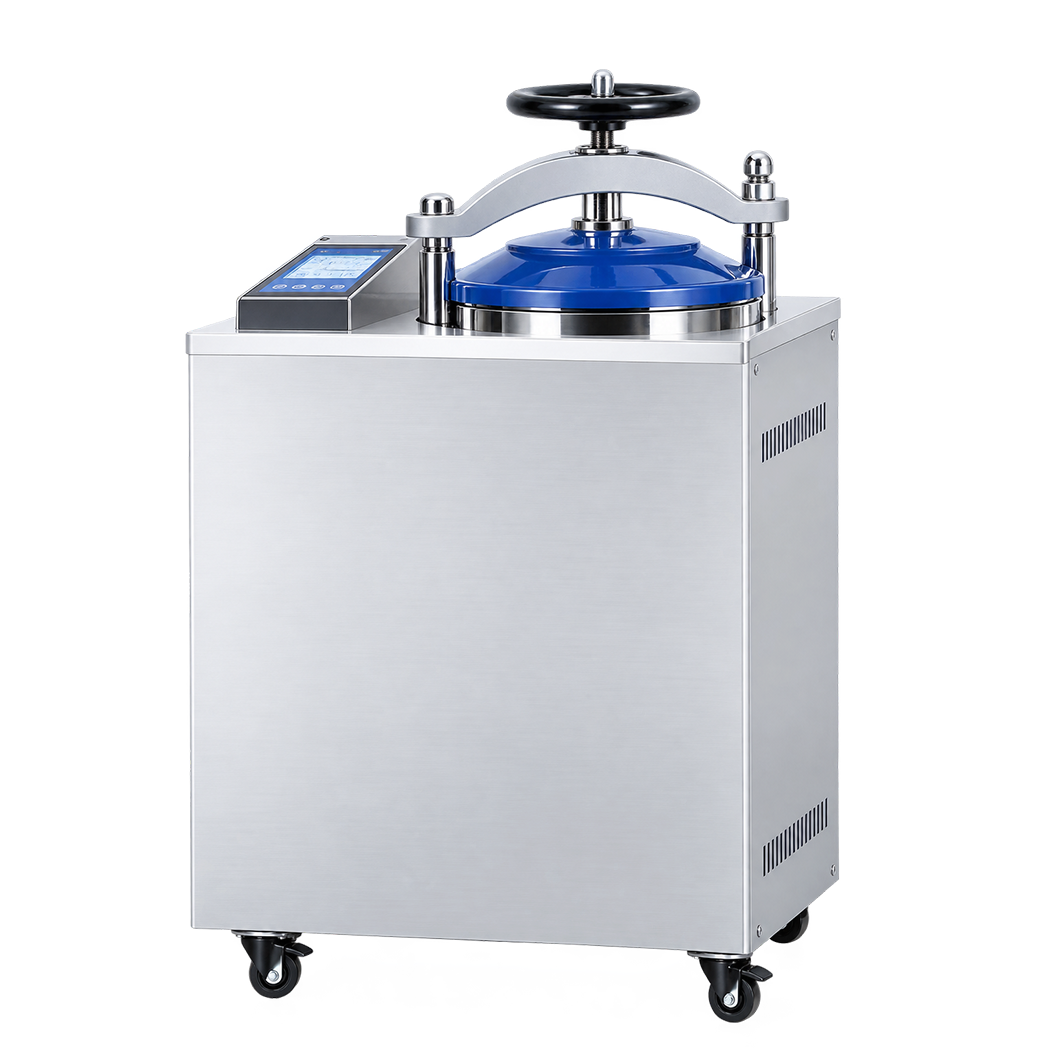
Steam sterilizer
A steam sterilizer, often called an autoclave, is commonly considered when instruments tolerate heat and moisture and the approved cycle supports the load. Steam sterilizer systems can be configured around gravity-displacement or pre-vacuum approaches, but the correct choice is not a generic preference. It depends on the device instructions, packaging, load configuration, utility support, and validated cycle options. A steam sterilizer can be a practical core system for compatible reusable instruments, yet it is not appropriate simply because it is familiar.
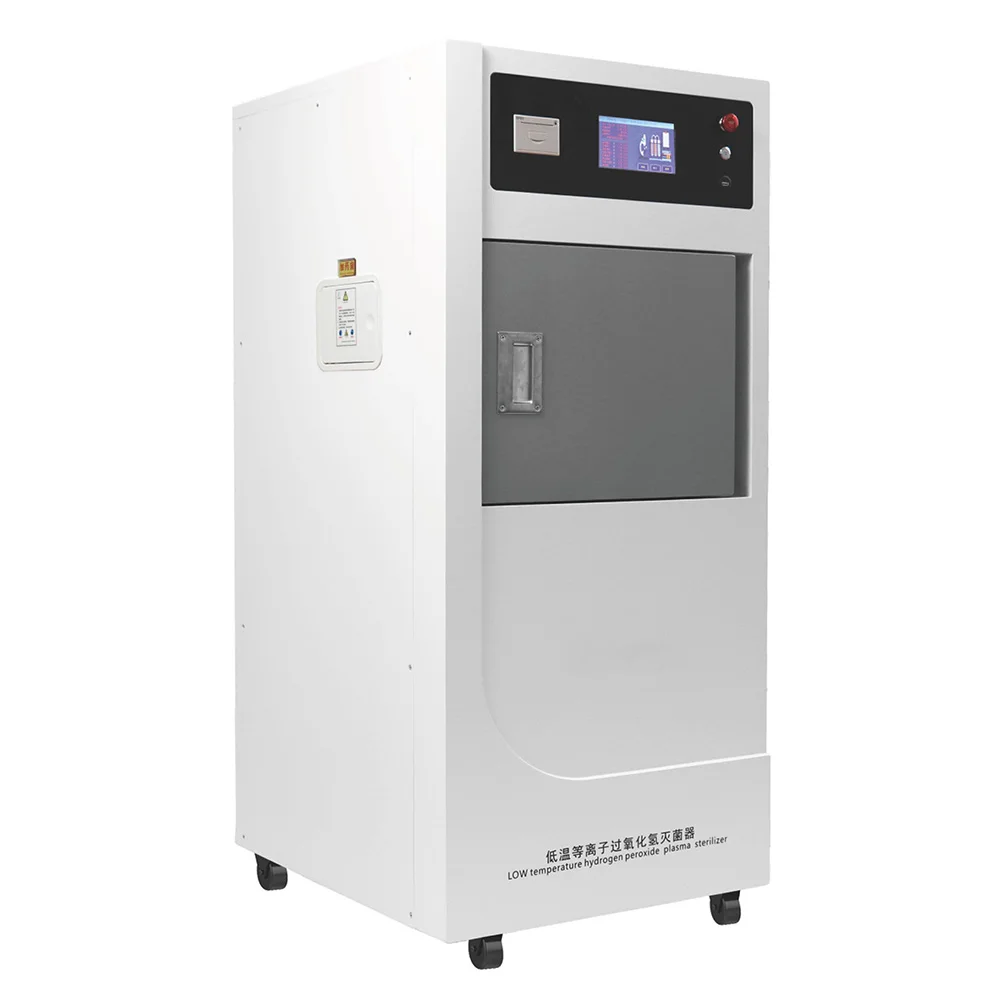
Low-temperature sterilizer
A low-temperature sterilizer may be considered for devices that cannot tolerate the heat or moisture of a steam sterilizer. FDA material describing device sterilization identifies several modalities, including vaporized hydrogen peroxide and ethylene oxide, among others. Each modality has specific compatibility, installation, safety, cycle, and workflow requirements. A facility should verify that a particular sterilizer and cycle are cleared or validated for the actual device, lumen characteristics, accessories, packaging, and load configuration rather than assuming that “low temperature” fits every sensitive device.
Dry-heat and specialty options
Dry heat and other specialty sterilizer options can be relevant in limited, validated applications. Their place depends on the device, the manufacturer’s instructions, local policy, and the facility’s ability to maintain the required controls. Compare them within a documented reprocessing system rather than treating them as interchangeable alternatives to a steam sterilizer.
Use a requirements-to-configuration checklist
When evaluating hospital sterilization equipment, involve clinical users, sterile processing staff, biomedical engineering, infection prevention, facilities, and procurement. Their questions uncover constraints that a brochure may not show.
- Load profile: What instruments and device categories will the sterilizer process? Include dimensions, materials, lumens, accessories, and packaging.
- Demand pattern: How many loads occur during a typical day and during peak periods? Consider turnover, contingency capacity, and planned growth.
- Compatibility: Which sterilizer cycles are permitted by each device and packaging instruction for use? Record exclusions as well as approvals.
- Utilities and space: Confirm electrical supply, water quality, drainage, ventilation, heat output, room flow, door clearance, and service access before selecting a sterilizer.
- Verification: Define how the facility will use physical, chemical, and biological monitoring, documentation, and load-release procedures according to its policies and requirements.
- People and support: Identify training needs, preventive-maintenance responsibilities, response steps for a failed cycle, and escalation contacts.
This checklist shifts the conversation from “more features” to “verified fit.” For example, a faster sterilizer cycle does not automatically improve throughput if cleaning, cooling, documentation, or available staff become the bottleneck.
Questions to ask before approving a sterilizer
Ask suppliers and internal stakeholders to document answers, not just discuss them. Which sterilizer cycles match the facility’s actual devices? What load sizes are validated? What consumables and water-quality controls are required? How will alarms, failed indicators, and maintenance events be recorded? Who can release a load? What training is included for the people who run, monitor, and service the sterilizer?
Also ask whether the chosen approach addresses medical instrument disinfection separately where high-level disinfection, rather than sterilization, is the appropriate pathway. One sterilizer does not replace every reprocessing process in a facility.
Choose the sterilizer around the workflow, then verify it
For many facilities, a steam sterilizer is a logical starting point for compatible reusable instruments. For heat- or moisture-sensitive devices, a low-temperature sterilizer may be part of the solution. The responsible choice comes from matching the sterilizer to approved device instructions, the physical site, expected workload, validation requirements, and the people who will operate the process.
Before purchase or commissioning, turn the selection into a verification plan: list every priority load, confirm cycle compatibility, review installation prerequisites, agree on acceptance criteria, and schedule competency training. A well-matched sterilizer supports a reliable workflow; a poorly matched sterilizer creates uncertainty even when its specifications look impressive. This article provides a procurement framework and does not replace clinical, regulatory, engineering, or manufacturer guidance for your facility.
 Hot News

