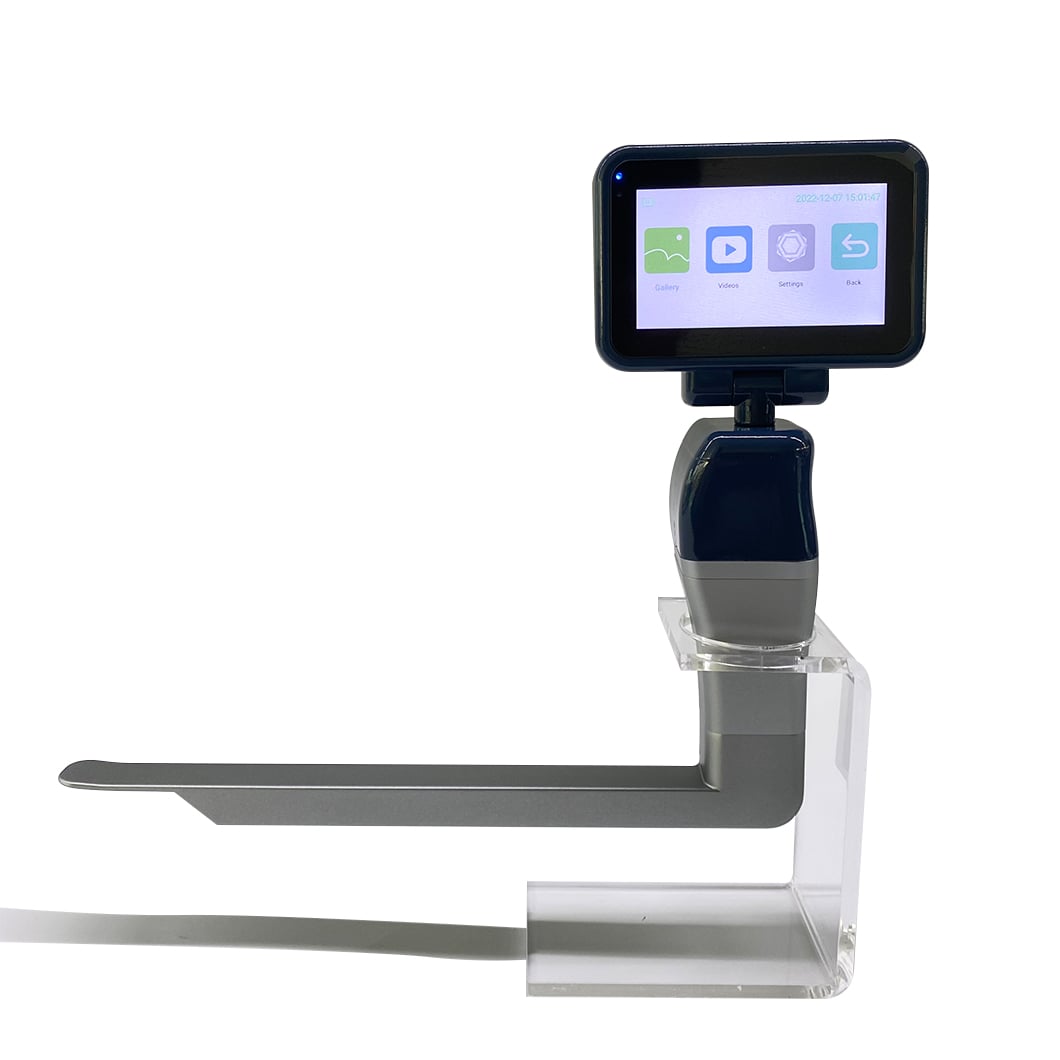
Veterinary endoscopes are basically medical tools that let vets look inside animals without cutting them open. There are mainly two types designed for different parts of the body. Flexible scopes have those fiber optic cables or digital sensors that can bend around twists and turns in places like airways or intestines. Rigid scopes on the other hand work best where there's a straight shot, like looking into joints or the bladder. The newer models come with HD cameras that zoom in anywhere from 30 to 150 times normal size, making it possible to spot tiny issues that would otherwise go unnoticed. Most also have small channels running through them (usually between 1.8 and 3.8 millimeters wide) which lets doctors insert tools at the same time they're looking, so instead of just watching what's happening, they can actually do something about it right then and there.
When real time high definition visuals combine with direct instrument access, veterinary medicine gets a major boost in both diagnosis and treatment capabilities. The detailed images let vets spot problems right away - things like ulcers, growths, or objects stuck inside animals. A recent study from last year showed these systems hit about 92% accuracy when identifying issues during exams. What makes this even better is the working channel that allows for several actions at once. Vets can collect tissue samples exactly where needed, pull out foreign objects without surgery, and deliver medicine directly to problem areas. Compared to just looking at images alone, this combined method cuts down on wrong diagnoses by nearly half and makes surgeries much safer overall. Operations that used to need big abdominal incisions are now done quickly through natural body openings. Patients typically bounce back 3 to maybe even 5 days faster than before.
When dealing with chronic vomiting, diarrhea, or unexpected weight loss in our canine and feline patients, GI endoscopy stands out as the go to diagnostic approach. With modern veterinary endoscopes featuring built in lights and high definition cameras, doctors can actually see inside the esophagus, stomach, and intestines looking for signs of inflammation, ulcers, damaged tissue, or anything stuck where it shouldn't be. The real magic happens when we zoom in during the procedure because those small changes in the lining that regular X-rays or ultrasounds might miss become clearly visible. Plus, there's this handy channel running through the scope that lets us grab tissue samples right where we need them. Studies from the Journal of Veterinary Internal Medicine back this up showing endoscopic biopsies hit around 92% accuracy for diagnosing inflammatory bowel disease compared to just 67% for those ultrasound guided samples. That makes endoscopy not just accurate but essential for telling apart serious conditions like cancer, infections, or autoimmune issues without resorting to surgery.
Endoscopy has become a reliable tool for examining both the respiratory and urinary systems in veterinary medicine. Flexible bronchoscopes can move through the complicated network of airways to check for things like chronic coughing, collapsed trachea, or possible tumors in the air passages. These scopes allow vets to perform bronchoalveolar lavage which helps get samples for testing. For the urinary system, cystoscopes come in either rigid or flexible versions depending on how big the animal is. They let doctors look directly at the urethra and bladder to find out why an animal might be bleeding in urine or having trouble urinating. The scopes spot issues like narrowed passages, growths, or stones right away. According to research published in Veterinary Surgery last year, using these endoscopic techniques cuts down diagnosis time by about eight days compared to older methods. Plus, because it's minimally invasive, many treatments like removing stones or widening narrow areas can happen during the same procedure without needing another operation.
Veterinary endoscopes serve not only as diagnostic windows but as precision platforms for non-surgical intervention—reducing patient trauma, anesthesia time, and recovery burden.
Pets sometimes swallow coins, small toys, or even bones, and that's where flexible endoscopes come in handy for vets. These scopes let them see inside the animal's body and grab the foreign object with special tools like forceps or retrieval baskets that go through the scope's channel. This approach means no need for major surgery with its long recovery times. For animals needing long term nutrition support, placing a PEG tube is another procedure done with endoscope guidance. The vet can guide the tube into position directly, which cuts down on how long the pet needs anesthesia and reduces risks from incisions and infections that often come with traditional open surgery methods.
Modern veterinary endoscopes now come equipped with various energy based tools like holmium lasers and electrohydraulic lithotripters that help break apart stones in the urinary tract or bladder when viewed directly during procedures. These instruments make it possible for fragments to pass naturally through the body. When dealing with issues like GI tract polyps or early stage tumors, doctors can use specialized tools such as electrosurgical snares and biopsy forceps to remove tissue precisely through the scope's working channel. A recent study from 2023 on minimally invasive techniques in veterinary medicine showed that patients undergoing these endoscopic treatments experienced around sixty percent fewer complications after surgery than those who had traditional open operations.
Endoscopic biopsy has become a major breakthrough in diagnosing animal health issues. With the ability to see inside the body in real time, vets can spot problem areas accurately and take better quality samples compared to older methods that relied on guessing or basic imaging. This means fewer missed diagnoses when something is wrong. When dealing with inflammation problems like stomach irritation or intestinal disorders, being able to actually see the lining helps ensure samples come from where the trouble really is. For tumors, doctors look at things like how the surface looks, blood vessel patterns, and changes in color to tell if a growth might be cancerous even before lab tests confirm it. Since this technique doesn't require big incisions, pets can be checked multiple times over time without going through surgery each time. Studies show these procedures get right answers around 9 out of 10 times when looking at cancers in the digestive tract of household pets, which makes them the go-to method for getting tissue samples from parts of the body that are easy to reach.
 Hot News
 EN
EN