Pre Cleaning Preparation and Safety Measures
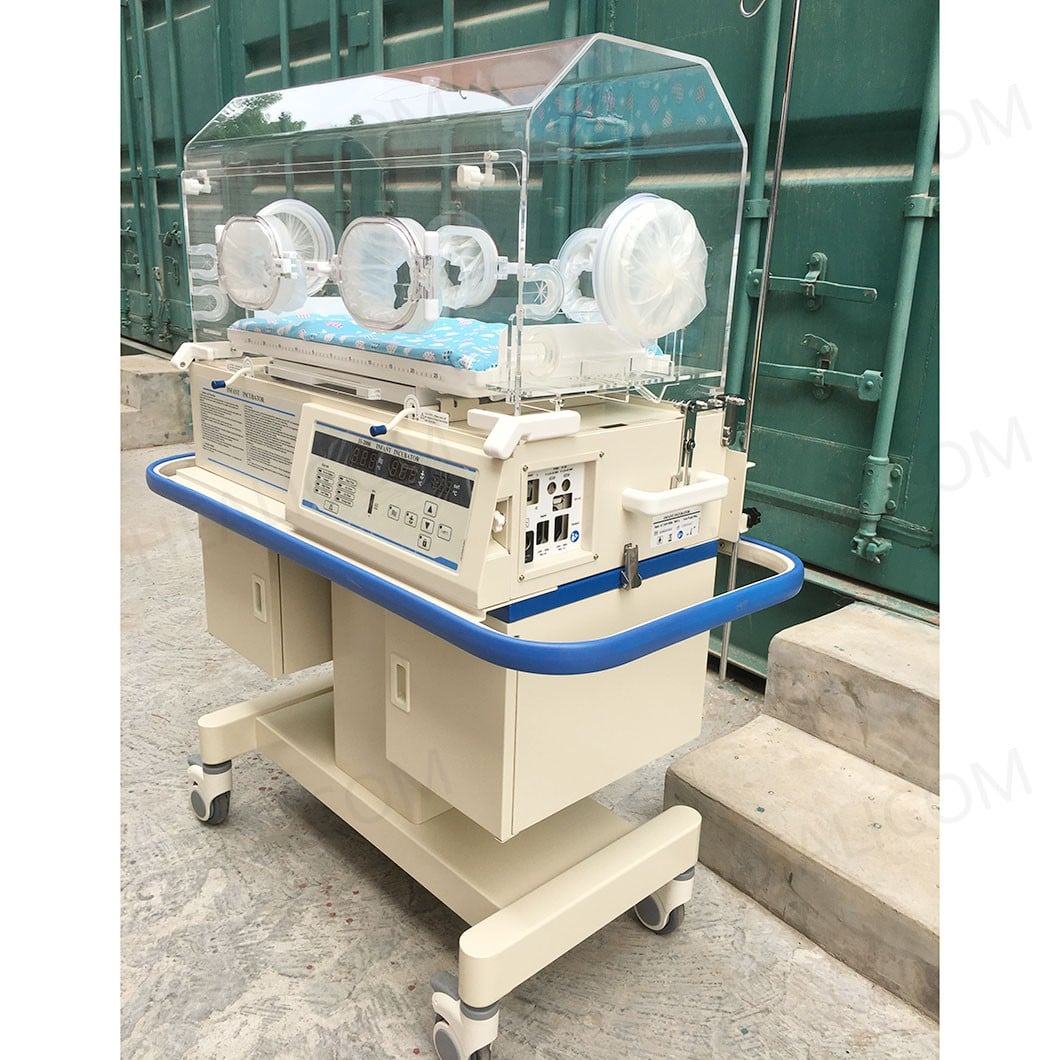
Newborn incubators are vital for protecting fragile infants especially premature babies by creating a sterile and stable environment. With 16 years of experience supplying medical equipment to hospitals and clinics in over 10 countries including Kenya Chile and Cambodia Healicom Medical knows that proper pre cleaning preparation is the foundation of effective disinfection. First ensure the newborn incubator is turned off and disconnected from the power source to avoid electrical hazards. Remove all non essential items such as blankets toys and monitoring accessories from the incubator and set them aside for separate cleaning.
Wear appropriate personal protective equipment including gloves masks and gowns to prevent cross contamination. Healicom’s newborn incubators are designed with user safety in mind featuring easy to access power switches and detachable components that simplify the preparation process. Our products meet ISO and CE standards so the materials used are resistant to common disinfectants and durable enough to withstand regular cleaning. Before starting wipe away any visible debris such as milk stains or saliva with a soft disposable cloth to prevent them from drying and becoming harder to remove.
Step by Step Cleaning Process for External and Internal Surfaces
Thorough cleaning of both external and internal surfaces is crucial to eliminate dirt and organic matter that can harbor bacteria. For the external surfaces of the newborn incubator use a mild neutral detergent diluted with warm water. Wipe down the casing control panel doors and handles gently with a non abrasive cloth. Pay special attention to high touch areas such as the door handles and control buttons as these are prone to contamination.
For the internal surfaces including the mattress platform and side walls use the same detergent solution and a soft brush to reach crevices and corners. Healicom’s newborn incubators are designed with smooth seamless internal surfaces which prevent dirt buildup and make cleaning easier. After scrubbing rinse all surfaces thoroughly with sterile water to remove any detergent residue as leftover chemicals can irritate infants’ sensitive skin. Dry the surfaces with a clean lint free towel or allow them to air dry completely before moving on to disinfection. In our cooperation with a clinic in South Africa we found that following this step by step process reduced the number of surface bacteria by over 90%.
Choosing the Right Disinfectant and Application Methods
Selecting the correct disinfectant is key to killing harmful pathogens without damaging the newborn incubator or endangering infants. Healicom Medical recommends using hospital grade disinfectants that are effective against bacteria viruses and fungi and approved for use in neonatal units. According to the World Health Organization disinfectants containing hydrogen peroxide or quaternary ammonium compounds are ideal as they are non toxic when used as directed and do not leave harmful residues.
Avoid using strong disinfectants such as bleach which can corrode the incubator’s materials and cause respiratory irritation to infants. Apply the disinfectant evenly to all cleaned surfaces using a spray bottle or a saturated cloth ensuring full coverage. Allow the disinfectant to sit for the recommended contact time usually 5 to 10 minutes to ensure maximum effectiveness. Healicom’s newborn incubators are tested to be compatible with these recommended disinfectants so customers can use them with confidence. Our technical support team often advises hospitals in Honduras and the Philippines on choosing the right disinfectants based on local availability and specific needs.
Disinfection of Detachable Components and Accessories
Detachable components and accessories of the newborn incubator such as mattresses humidifier chambers and air filters are often overlooked but can be major sources of infection. Healicom’s newborn incubators come with easily removable parts that are designed for thorough disinfection. Remove the mattress cover and wash it in hot water with a mild detergent then soak it in a disinfectant solution for the required time. Rinse and dry it completely before placing it back.
The humidifier chamber should be disassembled cleaned with detergent rinsed and disinfected with the same hospital grade solution. Replace disposable air filters according to the manufacturer’s instructions usually every 1 to 3 months or more frequently if they become dirty. Healicom provides high quality replacement parts for our newborn incubators ensuring that all components maintain the same sterile standards as the original equipment. In a project with a hospital in Cameroon we trained staff on proper disinfection of detachable parts and saw a significant reduction in hospital acquired infections among neonates.
Post Disinfection Inspection and Maintenance Tips
After cleaning and disinfection a thorough inspection is necessary to ensure the newborn incubator is safe and ready for use. Check all surfaces to ensure they are dry free of residue and visually clean. Verify that all detachable components are properly reinstalled and functioning correctly. Test the incubator’s temperature humidity and oxygen control systems to ensure they are working within the required parameters.
Healicom’s newborn incubators are equipped with intuitive monitoring systems that make it easy to check these functions. Conduct a final visual inspection for any signs of damage such as cracks or discoloration on the surfaces. Our after sales service team offers annual maintenance checks for all our medical equipment including newborn incubators. During these checks technicians inspect the incubator’s performance clean internal components and ensure that all safety features are in good working order. With Healicom’s one stop service and 12 hour response time hospitals can get timely support for any issues related to cleaning maintenance or disinfection. By following these steps medical facilities can keep their newborn incubators sterile reliable and safe providing the best possible care for vulnerable infants.
 Hot News
 EN
EN