Laparoscopy represents a type of surgery where doctors can see inside the body and perform operations using only tiny cuts in the skin. At heart, there are really two main things going on here: first, blowing carbon dioxide gas into the belly to lift the abdominal wall off the organs below, which creates room to work. Second comes the actual viewing part. Surgeons insert what's called a laparoscope through a special portal known as a trocar. This device contains glass lenses and light fibers that send clear, enlarged pictures to a screen so they know exactly where to go during surgery. Most scopes come with either straight or slightly angled lenses (usually around 30 degrees), letting surgeons peek at hard-to-reach spots without having to move their tools constantly. Compared to traditional open surgery methods, laparoscopy causes much less damage to tissues, keeps the abdominal wall intact, allows for accurate procedures, and generally means less blood loss during operations. Patients often recover faster too, which makes this approach increasingly popular among both doctors and those undergoing treatment.
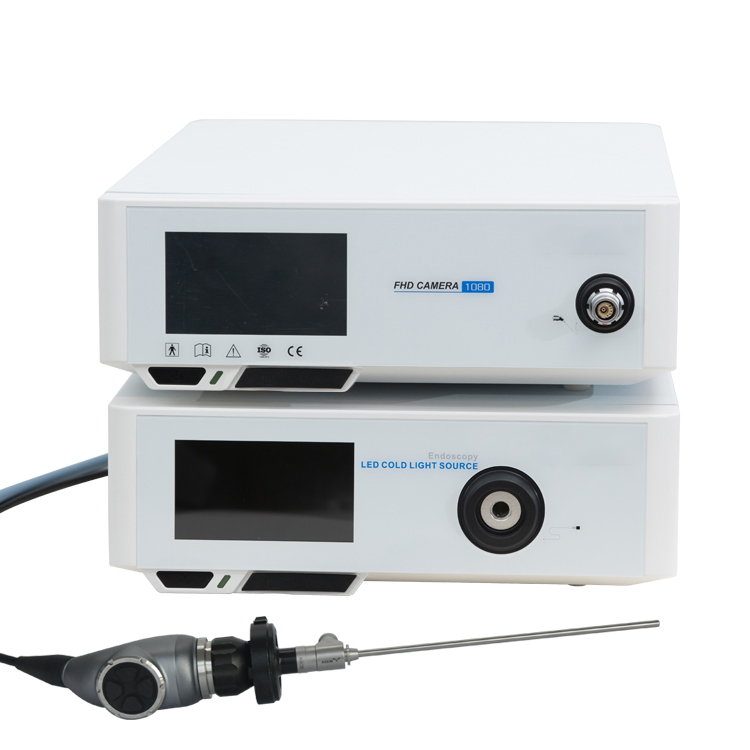
Four integrated components form the technical foundation of laparoscopic surgery:
The field of general surgery has seen major changes thanks to laparoscopic techniques for treating common abdominal issues. Take gallbladder removal as an example - when done laparoscopically, patients typically spend less than a day in the hospital and face around 60% fewer complications than traditional open surgery methods. When it comes to appendicitis cases, going the minimally invasive route means less pain after surgery and gets people back on their feet about 3 to 5 days faster. For those needing hernia repairs, the chances of something coming back are still under 5%, plus there's a noticeable drop in infections at the surgical site. These procedures work through tiny cuts measuring just half a centimeter to one centimeter long. The smaller openings allow surgeons to work precisely without causing much damage to muscles or nerves, and leave behind hardly any visible marks. Most folks find they can get back to doing regular stuff again within two weeks at most, which makes these techniques incredibly valuable for hospitals dealing with large numbers of similar operations every month.
Laparoscopy remains the go-to method for removing endometriosis in gynecology circles, cutting down chronic pelvic pain by around 70% and helping women maintain their ability to conceive. When doctors perform ovarian cyst removal through laparoscopy instead of traditional methods, they tend to preserve more ovarian tissue while keeping the chance of new cysts forming below about 15%. Switching gears to urology, laparoscopic kidney removal cuts hospital stay time roughly 40% compared to open procedures. Most patients experience much less bleeding too, typically under 100 mL during surgery. The magnified view provided by laparoscopic tools makes all the difference in tight areas like the pelvis and behind the peritoneum. Surgeons can safely conduct operations on the prostate, bladder, and even parts of the kidney with greater precision. An interesting finding worth noting is that approximately one third of patients undergoing laparoscopic urological surgeries don't need opioids after recovery, which speaks volumes about both the procedure's safety profile and how it addresses actual patient needs.
Laparoscopic surgery cuts down on surgical trauma quite significantly. The incisions are just about half a centimeter to one centimeter long, whereas traditional open surgery requires much bigger openings measuring around ten to twenty centimeters. What does this mean in practice? Patients experience roughly thirty to fifty percent less bleeding during the operation itself, and they generally report much less pain afterward. On standard pain scales, people who had laparoscopic procedures typically rate their discomfort at three to four out of ten, while those undergoing open surgeries often rate theirs between six and eight. Recovery time also speeds up considerably. Most folks who get laparoscopic surgery can go back to their normal routines within seven to fourteen days, compared to the six to eight weeks needed for full recovery from open surgery. Recent research published in JAMA Surgery looked specifically at colectomies performed laparoscopically. They found patients could walk around on their own nearly 30% faster than usual and got back to work almost three weeks ahead of schedule. These improvements happen because the abdominal muscles aren't cut as much and there's less damage to nerves and blood vessels during the procedure.
When performing laparoscopic procedures, the sealed environment filled with gas significantly cuts down on contamination risks. According to a recent CDC study from 2024, this leads to much lower surgical site infections at just 2.1%, compared to nearly double that rate (5.8%) seen with traditional open surgeries. Patients who undergo minimally invasive techniques also start eating sooner after surgery, usually within about 12 hours instead of waiting up to 48 hours for open cases. They experience far fewer breathing problems too, with complication rates dropping from 4.1% down to only 1.2%. Plus there's another big benefit: patients need roughly 62% less pain medication measured in morphine equivalents. The length of hospital stays drops dramatically across different types of operations. Take appendectomies for example, most people go home the same day they have laparoscopic surgery while those undergoing open procedures typically stay around four days. Recent research across multiple centers shows all these advantages translate to something pretty impressive too - a 33% drop in patients returning to the hospital within 30 days following their operation. And importantly, none of this comes at the expense of good results when it matters most for cancer treatment or other critical functions in areas like colon, liver, and pancreas procedures.
 Hot News
 EN
EN